Can Woodpeckers Cause Structural Damage?
Table of Contents
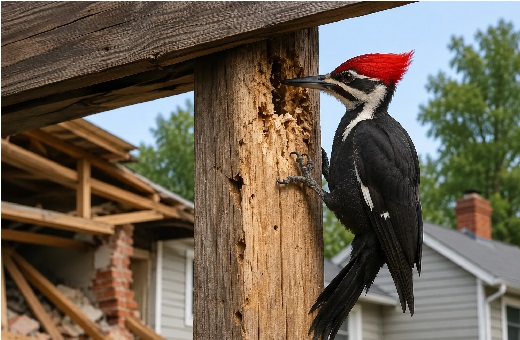
That rapid knocking on your siding is easy to brush off at first. Then you notice a row of holes near the roofline, wood chips on the ground, and one obvious question: can woodpeckers cause structural damage to your home? The short answer is yes, they can – but the extent depends on where they are pecking, how long the activity has been going on, and what condition the material was in before the bird arrived. For effective woodpecker damage repair in Calgary and nearby areas, understanding the nature of the damage is essential.
For homeowners in Calgary and nearby areas, professional assistance is essential for woodpecker damage repair in Calgary and nearby areas to ensure effective results.
Choosing the right services for woodpecker damage repair in Calgary and nearby areas can save you time and money in the long run.
For Calgary homeowners, landlords, and property managers, the real issue is not just the bird itself. It is what repeated pecking can expose, weaken, or attract over time. A few shallow holes may be mostly cosmetic. Ongoing activity around trim, soffits, fascia, cedar siding, and exterior wood components can turn into a repair problem quickly. This highlights the importance of professional woodpecker damage repair in Calgary and nearby areas.
Woodpecker Damage Repair in Calgary and Nearby Areas
Can woodpeckers cause structural damage to your home or just surface damage?
It depends on the target area. Woodpeckers do not usually attack a house with the goal of bringing down a wall or compromising the entire frame. Most of the time, they are searching for insects, marking territory by drumming, or creating nesting cavities. Even so, their behavior can damage the outer shell of the building in ways that should not be ignored.
It’s important to act quickly when you notice signs of woodpecker damage repair in Calgary and nearby areas.
When pecking is limited to paint, thin siding, or trim, the damage may start as a surface issue. The problem is that small holes let moisture in. Once water gets behind the exterior, wood rot, mold, insulation damage, and even secondary insect activity can follow. That is when a nuisance bird issue starts turning into a larger building maintenance problem.
If woodpeckers repeatedly excavate the same area, especially on softer or already weathered wood, they can create deeper cavities. Those holes can weaken boards, expose underlayment, and create entry points for other birds, wasps, or squirrels. On multi-unit properties and commercial buildings, repeated exterior damage also creates appearance and liability concerns that owners do not want to carry.
Professional woodpecker damage repair in Calgary and nearby areas can prevent further deterioration of your home.
Understanding the risks involved with woodpecker damage repair in Calgary and nearby areas is crucial for homeowners.
Where woodpecker damage becomes a bigger problem
Consider preventative measures alongside woodpecker damage repair in Calgary and nearby areas to avoid future issues.
Not every peck mark has the same risk level. Damage near structural framing, roof edges, eaves, and window surrounds deserves more attention than isolated marks on a decorative board. Those areas often deal with weather exposure already, so any opening can speed up deterioration.
Soffits and fascia are common trouble spots. Once holes appear there, water can enter hidden spaces and start affecting the wood behind the visible surface. Cedar siding can also be vulnerable, especially if it has aged, softened, or developed insect activity. Woodpeckers are very good at finding weak points that people miss during routine exterior checks.
There is also a difference between fresh drumming and true excavation. Drumming is the loud, repetitive hammering used to communicate. It may leave minor marks but not always a cavity. Excavation is more serious. That is when the bird removes material and creates a visible hole for feeding or nesting. Nesting holes, in particular, tend to be larger and more destructive.
Why woodpeckers target houses in the first place
Woodpeckers usually show up for one of three reasons: food, shelter, or sound. If insects are living behind siding or inside exterior wood, the bird may hear or sense them. In that case, the bird is not the original problem. It is responding to one that already exists.
Ignoring woodpecker damage can lead to a need for extensive woodpecker damage repair in Calgary and nearby areas.
Homes with carpenter ants, wood-boring beetles, or other insects in damaged wood are more likely to attract pecking. This is one reason professional inspection matters. If you patch the hole but ignore the insect activity, the bird may return or move a few feet away and start again.
Some woodpeckers also drum on houses because the material produces a loud sound. Metal flashing, vents, gutters, and trim can amplify the noise. In those cases, the damage may be less severe physically, but the activity can still become persistent and disruptive.
Many homeowners have benefited from professional woodpecker damage repair in Calgary and nearby areas to preserve their property.
Nesting is the third concern. If a woodpecker starts carving a cavity into wood siding or trim, the damage can escalate fast. A nesting site is not a random peck. It is a deliberate attempt to create a protected hollow, and that means larger holes and more material removed.
Homeowners should be aware that proper woodpecker damage repair in Calgary and nearby areas can enhance property value.
Trusting professionals with woodpecker damage repair in Calgary and nearby areas is key to long-term success.
Signs the damage may be more than cosmetic
Small holes alone do not always mean major structural trouble, but there are clear warning signs that call for action. If you see clusters of holes in the same area, exposed raw wood, sagging trim, soft or crumbly boards, staining below the damage, or insect debris nearby, the issue is probably bigger than appearance.
Listen for hollow-sounding wood when tapped. Check whether the holes are concentrated near rooflines, corners, or around windows. Those spots often hide moisture issues. If the bird keeps returning to one section of the home, there is usually a reason.
You may also notice increased pest activity around the damaged area. Openings created by woodpeckers can become access points for wasps, other birds, or small wildlife. In practical terms, that means one exterior problem can open the door to several more.
What homeowners should not do
The understandable reaction is to scare the bird away and fill the hole immediately. Sometimes that helps, but doing it too quickly or without checking the full condition of the area can backfire. If there is a nest inside, timing matters. If insects or rot are present, surface repairs alone will not solve the issue.
It is also important not to use harmful or illegal control methods. Many woodpeckers are protected birds, and improper handling can create legal and wildlife issues on top of the property damage. A professional approach focuses on inspection, exclusion, deterrence, and repair planning rather than guesswork.
Waiting too long is the other mistake. Once moisture enters and wood starts breaking down, repair costs climb. What might have been a patch-and-prevention job can turn into replacement of trim, siding, soffits, or underlying materials.
Consulting experts in woodpecker damage repair in Calgary and nearby areas is a proactive approach for any homeowner.
Don’t hesitate to reach out for woodpecker damage repair in Calgary and nearby areas if you notice any signs of damage.
Many homeowners rely on experts for woodpecker damage repair in Calgary and nearby areas to avoid recurring problems.
Effective woodpecker damage repair in Calgary and nearby areas can lead to a more secure and attractive property.
Taking early action for woodpecker damage repair in Calgary and nearby areas can protect your investment.
Professional guidance on woodpecker damage repair in Calgary and nearby areas can prevent further complications.
For the best results, ensure you hire specialists in woodpecker damage repair in Calgary and nearby areas.
How to stop woodpecker damage safely and effectively
The first step is to identify why the bird is there. Is it chasing insects, drumming for noise, or nesting? That determines the right next move. Effective control is rarely one-size-fits-all.
Understanding the importance of woodpecker damage repair in Calgary and nearby areas can lead to informed decisions.
If feeding activity is suspected, the exterior should be inspected for insect issues and wood deterioration. Addressing the food source matters as much as deterring the bird. If the problem is territorial drumming, visual deterrents, sound disruption, and changes to the pecking surface may help. If nesting is involved, exclusion has to be timed and handled correctly.
Ultimately, woodpecker damage repair in Calgary and nearby areas is essential for protecting your home.
Repair work also needs to do more than hide the damage. Openings should be sealed properly, weakened material replaced as needed, and vulnerable areas reinforced so the same spot is less attractive in the future. In some cases, bird exclusion products are the best long-term solution, especially on larger homes, multi-family properties, and buildings with recurring activity.
For property owners who want a clear answer quickly, this is where a local pest and wildlife professional can save time. Pest Pro Exterminator handles bird and wildlife-related issues with a practical focus on inspection, safe exclusion, and prevention – not temporary fixes.
When to call for help
When seeking help, ensure you focus on woodpecker damage repair in Calgary and nearby areas for the best results.
If you are seeing repeated pecking, larger holes, signs of nesting, or damage near roof edges and exterior wood features, it is time to get the property assessed. The same applies if you suspect insects behind the siding or if previous repairs did not stop the activity.
For landlords and commercial operators, speed matters even more. Exterior damage can affect tenant satisfaction, maintenance budgets, and the appearance of the property. Early intervention usually means lower repair costs and fewer repeat issues.
A good inspection should answer three questions clearly: how serious is the damage, why is the bird targeting the building, and what prevention steps will actually hold up over time. Anything less leaves too much room for repeat problems.
Woodpeckers are not always a structural emergency, but they are never something to ignore. A few holes can stay minor, or they can be the first sign of moisture, insects, or exterior wood failure already in progress. The sooner you identify what is really happening, the easier it is to protect the home and avoid a much larger repair later.
Frequently Asked Questions
Can woodpeckers really cause structural damage to a house?
Yes. While woodpeckers usually start by pecking at the exterior surface, repeated activity can weaken siding, trim, soffits, fascia, and other wood components. If left untreated, moisture intrusion and rot can lead to larger structural problems.
Is woodpecker damage only cosmetic?
Not always. Small peck marks may begin as cosmetic damage, but holes can allow water, insects, and small wildlife to enter hidden wall cavities, increasing repair costs over time.
What parts of a home are most vulnerable to woodpecker damage?
Common target areas include cedar siding, soffits, fascia boards, eaves, trim, window surrounds, and roof edges. These areas are often exposed to weather and can weaken faster once damaged.
Why do woodpeckers peck on houses?
Woodpeckers are usually looking for food (such as carpenter ants or wood-boring insects), creating nesting cavities, or drumming to mark territory and attract mates.
Can woodpecker holes cause water damage?
Yes. Even small holes can let rainwater and snowmelt enter behind siding or trim, leading to mold, wood rot, insulation damage, and hidden structural deterioration.
How do I know if the damage is serious?
Signs of more serious damage include clusters of holes, soft or crumbling wood, sagging trim, water stains, exposed underlayment, and repeated bird activity in the same spot.
Can woodpecker damage attract other pests?
Yes. Open holes can become entry points for wasps, squirrels, mice, and other nuisance wildlife. In some cases, woodpecker activity also signals an existing insect problem inside the wood.
Should I patch woodpecker holes right away?
Not always. Before repairing, it’s important to check for active nesting, insect activity, or hidden rot. Simply patching the surface without addressing the root cause may result in repeat damage.
Are woodpeckers protected in Calgary?
Many woodpecker species are protected under wildlife regulations, which means harming or trapping them improperly may be illegal. Professional exclusion and deterrent methods are the safest option.
How can I stop woodpeckers from damaging my house?
Effective solutions include repairing damaged wood, treating insect infestations, installing bird deterrents, sealing entry points, and reinforcing vulnerable areas. A professional inspection can help identify the best long-term solution.
Can woodpecker damage lower property value?
Yes. Visible exterior damage, moisture intrusion, and weakened trim or siding can affect curb appeal and lead to higher maintenance costs, which may impact resale value.
When should I call a professional for woodpecker damage?
You should call for help if you notice repeated pecking, deep holes, nesting activity, water intrusion, insect signs, or if previous repairs failed to stop the problem. Early action usually means lower repair costs.