Understanding the Key Factors That Attract Mice to Your Home: A Comprehensive Guide for Calgary Homeowners
Table of Contents
Introduction
Understanding the factors that attract mice to your home is essential for homeowners, particularly in regions like Calgary where the climate can create a conducive environment for these unwelcome visitors. As small mammals known for their ability to reproduce quickly and adapt to various environments, mice pose not only a nuisance but also health risks through contamination and the potential spread of diseases. This article delves into the various elements that attract mice, focusing specifically on what attracts mice, the environmental conditions specific to Calgary, signs of infestation, preventive measures, and solutions for dealing with what attracts mice problems.
The Importance of Understanding Mouse Attraction
To effectively manage or prevent mice infestations, it is crucial to understand what attracts mice to our homes. Mice are opportunistic feeders, meaning they will seek out habitats that provide them with food, water, and shelter. By recognizing the factors that draw these pests in, homeowners can implement strategies to minimize risks and maintain a mouse-free environment. Furthermore, understanding these factors is also essential for recognizing the signs of an infestation early, allowing for prompt action to mitigate any potential damage.
Common Factors Attracting Mice
Food Sources
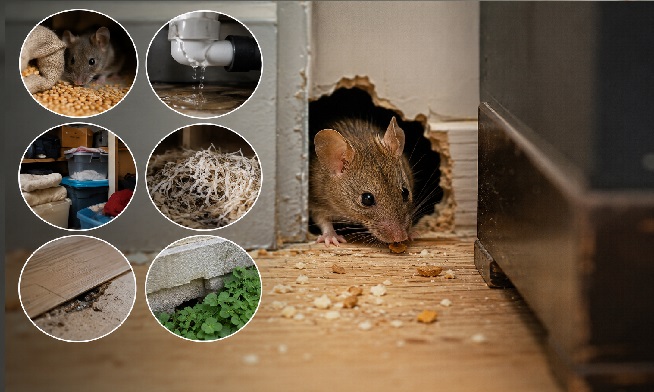
Food is arguably the most significant attractant for mice. They are not picky eaters and will consume a wide range of foods, including grains, fruits, and even pet food. Homeowners often unknowingly provide easy access to these food sources by failing to store food securely or leaving crumbs and spills unattended. Keeping food in airtight containers, regularly clearing leftovers, and maintaining a clutter-free kitchen are essential steps in deterring mice.
Understanding what attracts mice helps homeowners take proactive measures. Homeowners must be aware of what attracts mice to prevent infestations before they occur.
In addition to human food, mice are also attracted to birdseed or pet food left outside. If there are sources of food readily available, it becomes even more critical for homeowners to assess their yards and gardens for potential attractants and eliminate them where possible. Even garden vegetables can become a target if not harvested promptly.
Water Sources
Homeowners should be constantly aware of what attracts mice inside their homes, as conditions can change rapidly.
Just like food, water is a vital resource that attracts mice to homes. Leaky faucets, damp basements, and standing water from over-watered plants can provide a prime environment for mice. Homes with poor drainage or plumbing issues can inadvertently create ideal conditions for mice to thrive. Homeowners should regularly inspect for leaks in pipes and ensure that any standing water is promptly addressed.
In addition to plumbing issues, humidity can also contribute to water attraction. Areas in the home that are consistently damp, such as bathrooms and kitchens, can become hotspots for mice. Using dehumidifiers in problem areas and improving ventilation can help reduce moisture levels, making homes less appealing to these pests.
Identifying what attracts mice is vital in ensuring that they do not make your home their nesting site.
Shelter and Nesting Sites
Every homeowner should understand what attracts mice to create effective pest control measures.
Mice are naturally inclined to seek shelter, especially during harsh weather conditions. Spaces that provide warmth and a safe nesting environment, such as attics, basements, and wall cavities, can attract mice. Cluttered storage areas with boxes, clothes, or other materials can serve as excellent nesting sites for these animals. Homeowners should periodically declutter and organize storage areas to reduce potential nesting sites.
During the winter months, understanding what attracts mice can help determine what preventive measures are effective.
Additionally, outdoor structures, including sheds and garages, can also provide shelter. Mice can easily find entry points into these structures and establish nests if not properly maintained. Ensuring that these areas are well-sealed and free of debris can act as a deterrent for mice looking for a place to settle.
It’s important to know what attracts mice to ensure that immediate action is taken if signs of infestation are observed.
Seasonal Changes
The behavior of mice can vary with the seasons, as they seek warmth during the winter months and may move indoors, while in warmer months, they may remain outside but still venture close to homes for food and water. As temperatures drop, mice will often search for shelter, making fall and winter the prime seasons for home invasions. Homeowners should be particularly vigilant during these times and take proactive measures to secure their homes against potential entry.
Conversely, in spring and summer, while mice may not invade homes as frequently, they will still forage for food outdoors. Reducing vegetation and debris around the exterior of the home can help lessen the chances of attracting mice during these warmer months, making it less likely they will venture inside later on.
Environmental Conditions in Calgary
Climate Considerations
Calgary’s climate presents unique challenges regarding mouse infestations. With cold winters and warm summers, homes often become a refuge for mice seeking warmth and food. During winter, the snow cover can limit access to outdoor food sources, prompting mice to find shelter in homes. The fluctuating temperatures can create a greater need for rodents to seek out secure environments where they can thrive, making it essential for homeowners to be aware of potential vulnerabilities in their homes.
Additionally, Calgary’s urban environment can serve as a breeding ground for mice. With many homes close together, mice can easily move from one dwelling to another, especially when external conditions become inhospitable. This urban setting increases the likelihood of infestations, necessitating proactive measures by homeowners to prevent mice from entering their properties.
Urban vs. Rural Settings
The risk of mouse infestations can also differ significantly between urban and rural settings. Urban areas may have a higher concentration of food sources due to restaurants, markets, and residential waste, which can attract mice from surrounding areas. In contrast, rural areas may have more open land but could also face challenges with agriculture, where mice are drawn to crops and feed storage. Understanding these differences can help homeowners adapt their pest control strategies accordingly.
In urban settings, preventative measures should focus on sealing off entry points and minimizing food sources. For rural homeowners, managing crops, securing feed, and controlling the landscape can be equally important. Both settings require vigilant maintenance to deter mice effectively.
Signs of Mouse Infestation
Physical Evidence
Recognizing the signs of a mouse infestation early is crucial for effective management. Physical evidence of mice typically includes droppings, gnaw marks, and nesting materials. Mouse droppings are small, dark, and usually found near food sources or nesting areas. If homeowners spot droppings, it can indicate that mice are present and immediate action is required.
Gnaw marks on food packaging, furniture, or walls can also signify mouse activity. These marks are often left as mice chew through materials to access food or create nests. In addition, nests may be made from shredded paper, fabric, or insulation, usually found in hidden or undisturbed areas of the home.
By sealing entry points, homeowners can reduce what attracts mice and limit their access to food and shelter.
Behavioral Indicators
Aside from physical evidence, behavioral indicators can also provide clues about mouse infestations. Many homeowners may hear scratching or scurrying noises, especially at night when mice are most active. If these sounds are regularly present, it can indicate that mice are nesting nearby.
Understanding what attracts mice is crucial in effectively managing your pest control strategy.
Additionally, homeowners may notice signs of food theft or disturbances in pantries and cupboards. If food containers are found open or moved from their original positions, this can suggest that mice are foraging for food. Being attuned to these behavioral indicators can help catch infestations early before they become more severe.
Proper food storage also plays a significant role in addressing what attracts mice in the first place.
Preventive Measures for Homeowners
Sealing Entry Points
Maintaining cleanliness helps eliminate the factors that contribute to what attracts mice.
A vital step in preventing mouse infestations is sealing any potential entry points into the home. Mice can squeeze through surprisingly small openings, so it is essential to thoroughly inspect the exterior of the house for gaps around windows, doors, and foundations. Caulking, weather stripping, and using steel wool can help close these gaps and block mice from entering.
By focusing on what attracts mice, homeowners can take the necessary precautions to keep their living spaces safe.
Knowing what attracts mice also helps in selecting the right pest control products.
Homeowners should also pay attention to utility lines and vents that provide access points for mice. Ensuring that these areas are well sealed can significantly reduce the chances of infestation. Regular maintenance and annual inspections can help identify and rectify potential vulnerabilities before they are exploited by mice.
Thoughtful landscaping can help mitigate what attracts mice from the outside environment.
Proper Food Storage
Proper food storage is critical in deterring mice from entering your home. All food items should be stored in airtight containers to prevent access. This includes pantry staples like grains, cereals, and pet food. It is equally important to clean up spills and crumbs promptly, as even small food particles can attract mice.
Many DIY solutions focus on understanding what attracts mice to better manage the problem.
Outdoors, homeowners should securely store any birdseed or pet food in elevated and sealed containers. Additionally, compost bins should be kept covered and maintained to minimize attraction. By managing food sources carefully, homeowners can significantly decrease the likelihood of attracting mice.
Maintaining Cleanliness
Knowing what attracts mice also helps in deciding when to call for professional help if the problem escalates.
Keeping a clean home is another critical barrier against mice. Regular cleaning routines, particularly in kitchens and dining areas, can help eliminate crumbs and spills that provide food sources. Vacuuming regularly and wiping down surfaces can ensure that any potential attractants are minimized.
In addition, decluttering areas where mice can hide, such as basements, attics, and storage rooms, can deter them from making your home their nesting site. A thorough cleaning can make a considerable difference in preventing infestations and maintaining a mouse-free environment.
Landscaping Considerations
Understanding what attracts mice can help guide decisions on maintaining cleanliness and storage practices.
Recognizing what attracts mice is crucial for early detection and prevention strategies.
The landscape surrounding the home can also impact mouse attraction. Overgrown vegetation, thick mulch, and debris piles can provide excellent cover for mice, making it essential for homeowners to maintain their properties. Keeping grass trimmed, clearing away leaf litter, and removing debris can help reduce potential habitats for mice.
Furthermore, it is advisable to avoid planting dense shrubs or bushes close to the home’s foundation, as these can serve as hiding spots. By implementing thoughtful landscaping practices, homeowners can create an environment less conducive to mouse invasions.
Taking note of what attracts mice can help in reducing their chances of entering your home.
What to Do If You Have a Mouse Problem
DIY Solutions
Understanding what attracts mice will help in recognizing the early signs of an infestation.
If homeowners suspect a mouse problem, there are several do-it-yourself (DIY) strategies that can be employed to manage the situation. Setting traps is one of the most effective ways to catch mice, with both snap traps and live traps available. It is crucial to place traps in areas where mice are likely to travel, such as along walls or near food sources.
Using bait that is appealing to mice, such as peanut butter or chocolate, can increase the likelihood of trapping them. However, homeowners should be cautious about where traps are placed, particularly if there are children or pets in the home. It is also important to regularly check and maintain traps to ensure they are effective.
When to Call a Professional
While DIY solutions can be effective, there are times when it is necessary to call in professionals. If the infestation is severe or if traps are not yielding results, professional pest control services can provide expertise and advanced solutions. Professionals can conduct thorough inspections, identify potential entry points, and implement comprehensive pest management plans tailored to the homeowner’s specific needs.
Moreover, professionals can advise on preventive measures and maintain follow-up services to ensure the home remains rodent-free. If there are health concerns or if the situation feels overwhelming, enlisting professional help can be the most effective way to address a mouse problem.
Conclusion
Understanding the factors that attract mice is essential for homeowners, particularly in regions like Calgary where environmental conditions can create ideal habitats for these pests. By recognizing the signs of infestation, implementing preventive measures, and knowing when to seek professional help, homeowners can protect their homes from the risks associated with mouse invasions. Regular maintenance, cleanliness, and vigilance are key components in the ongoing battle against these unwelcome visitors, ensuring a safe and healthy living environment.
Additional Resources
For more information on pest control and prevention strategies, consider exploring resources from local pest control agencies or visiting government health websites that provide guidelines on managing rodent populations. Additionally, community forums and homeowner associations may offer valuable support and advice on dealing with pest-related issues.
Frequently Asked Questions (FAQs)
1. What attracts mice to a house in Calgary?
Mice are primarily attracted to homes that provide easy access to food, water, warmth, and shelter. Common attractants include food crumbs, pet food, bird seed, garbage, leaky pipes, cluttered storage areas, and small openings around the home’s exterior. During Calgary’s cold winters, mice often seek warmth indoors.
2. Why do mice suddenly appear in my home?
A sudden mouse problem usually occurs when outdoor temperatures drop, food becomes scarce, or mice discover an entry point into your home. Even a small opening as little as 6 mm (¼ inch) is enough for a mouse to squeeze through.
Understanding what attracts mice is a critical part of maintaining a pest-free home.
The knowledge of what attracts mice allows homeowners to implement effective strategies for prevention.
3. What smells attract mice?
Mice are attracted to the smell of:
- Peanut butter
- Grains and cereals
- Pet food
- Bird seed
- Fruits
- Garbage
- Food crumbs and grease
Keeping kitchens clean and storing food in sealed containers helps reduce these attractants.
4. How do mice get into houses?
Mice enter homes through tiny gaps around:
- Doors and windows
- Foundation cracks
- Utility pipe penetrations
- Roof vents
- Garage doors
- Dryer and furnace vents
Regular home inspections can help identify and seal these entry points.
Awareness of what attracts mice can significantly reduce the risk of infestations during the colder months.
5. What time of year are mice most active in Calgary?
Mouse activity increases during the fall and winter as temperatures drop. During these seasons, mice look for warm places to nest and reliable food sources, making homes particularly vulnerable to infestations.
6. Do clean houses get mice?
Yes. Even spotless homes can experience mouse infestations. While cleanliness reduces food sources, mice may still enter in search of warmth and shelter. Sealing entry points is just as important as maintaining cleanliness.
7. What are the first signs of a mouse infestation?
Common signs include:
- Small black droppings
- Scratching noises in walls or ceilings
- Gnaw marks on food packages or wood
- Shredded paper or insulation used for nests
- A strong, musky odor
- Mouse sightings, especially at night
8. Can mice damage my home?
Yes. Mice can chew electrical wiring, insulation, drywall, plastic plumbing, and wood. Their chewing habits may increase the risk of electrical fires and costly structural damage.
9. Are mice dangerous to my family’s health?
Being educated on what attracts mice can empower homeowners to take effective action against infestations.
Yes. Mice can contaminate food and surfaces with urine and droppings and may spread bacteria and other disease-causing organisms. They can also trigger allergies and asthma in sensitive individuals.
In summary, awareness of what attracts mice leads to effective pest management practices.
10. How can I prevent mice from entering my home?
You can reduce the risk of mice by:
Homeowners need to be aware of what attracts mice to maintain a safe environment.
- Sealing cracks and holes around your home
- Storing food in airtight containers
- Cleaning up crumbs and spills promptly
- Fixing plumbing leaks
- Removing outdoor clutter and debris
- Trimming vegetation away from the foundation
- Keeping garbage bins tightly sealed
11. Should I use mouse traps or call a professional?
Ultimately, knowing what attracts mice is essential for maintaining a healthy and safe living environment.
12. Does Pest Pro Exterminator provide mouse control in Calgary?
Understanding what attracts mice will help you take the necessary steps to prevent infestations.
In conclusion, maintaining a focus on what attracts mice will lead to a safer home.
Yes. Pest Pro Exterminator offers professional mouse control services throughout Calgary and surrounding communities. Our experienced technicians perform detailed inspections, identify entry points, implement effective control measures, and help prevent future infestations through customized rodent management solutions.
Regular inspections can reveal what attracts mice and help in sealing off entry points effectively.