Signs You Have Mice in Your Walls (Before It Gets Worse)
Table of Contents
Introduction
Identifying a mouse infestation in your home can be a daunting experience. Mice may seem harmless, but they can cause serious damage to your property and pose health risks to your family. This article will explore the signs that indicate you might have mice in your walls, specifically focusing on the key mice in walls signs, the potential risks associated with their presence, preventive measures you can take, and when to seek professional help. Understanding these factors is crucial for maintaining a safe and healthy living environment. Recognizing the various mice in walls signs is essential for homeowners.
Understanding the Problem
Importance of Early Detection
Early detection of a mouse infestation is essential in preventing further damage. Mice reproduce quickly, and a small problem can escalate into a larger one if not addressed promptly. Recognizing the signs of their presence early on can save you from costly repairs and potential health risks.
Moreover, early intervention helps to minimize the spread of diseases that mice can carry, such as hantavirus and leptospirosis. Knowing what to look for allows homeowners to take swift action, ultimately leading to a more effective and less disruptive pest control process.
Potential Risks of a Mouse Infestation
The consequences of allowing mice to infest your home can be severe. Not only do they cause structural damage by gnawing on wires, insulation, and wood, but they can also contaminate food sources with their droppings and urine. This contamination can lead to serious health issues, particularly for children and those with weakened immune systems.
Additionally, mice may introduce parasites such as fleas and ticks into your home, further complicating the infestation issue. The financial implications of a full-blown mouse infestation can be substantial, encompassing repair costs, pest control services, and potential medical bills from health-related issues.
Common Signs of Mice Presence
Being aware of mice in walls signs, such as damage or contamination, is important for health and safety.
Noises in the Walls
The sounds can indicate that you have mice in walls signs, and they should not be ignored.
One of the first signs that you might have mice in your walls is the sound of scratching or scurrying. These noises are typically heard at night when mice are most active. The sounds can vary from soft rustling to more pronounced scuttling, depending on the number of mice present.
Another of the key mice in walls signs is the presence of droppings or nests that can easily be overlooked. Homeowners should be vigilant about looking for these critical signs.
If you hear these noises, it is crucial to take them seriously. Ignoring them could lead to a more significant infestation, making it harder to control the problem later. Listening closely to the timing and location of these sounds can also help you identify where the mice are nesting.
Finding droppings is one of the most prominent mice in walls signs and often indicates a more significant issue.
Droppings and Urine Stains
Finding nesting materials adds to the list of mice in walls signs that indicate a serious infestation.
Mouse droppings are another clear indicator of their presence. These droppings are small, dark, and pellet-shaped, often found near food sources or nesting areas. Not only are droppings unsightly, but they also pose health risks, as they can harbor bacteria and viruses.
Chew marks are not just signs of mice seeking food; they are also classic mice in walls signs that indicate where they are active.
Additionally, urine stains can often be detected using a black light. Mice produce a noticeable scent of ammonia, which can become overwhelming in severe infestations. Regular inspections for droppings and urine can help you assess the severity of the problem.
Nesting Materials
Understanding these mice in walls signs is crucial for any homeowner facing this issue.
Mice create nests using soft materials that they can find around your home. This can include shredded paper, fabric, insulation, or even plant material. If you notice small piles of such materials in hidden corners or between walls, it is a strong indication that mice are present.
Noticing strong odors is among the key mice in walls signs that can alert you to their presence.
Identifying nesting areas can be crucial for determining the scope of the infestation. The more nests you find, the larger the population likely is. This information can help you decide on the best course of action to take against the infestation.
Chew Marks and Gnawing
Mice are known for their incessant gnawing habits, which they use to keep their teeth from growing too long. Look for chew marks on food packaging, furniture, or even structural elements of your home. These marks can be indicative of both food-seeking behavior and nesting activity.
Chew marks can also be accompanied by other signs, such as shavings or scraps left behind. Regularly inspecting these areas can provide insight into the extent of the infestation and help you determine appropriate measures to take.
Unpleasant Odors
Another sign that you have mice in your walls is the presence of unpleasant odors. Mice emit a musky scent that becomes more pronounced as their numbers increase. This odor can linger and permeate your living space, making it uncomfortable.
If you notice a sudden increase in strange smells, especially in certain areas of your home, it could indicate a nesting site nearby. Finding the source of the odor should be a priority, as it may lead to discovering hidden nests or entry points.
Identifying these mice in walls signs early can help mitigate the problem effectively.
Identifying Entry Points
Common Entry Points for Mice
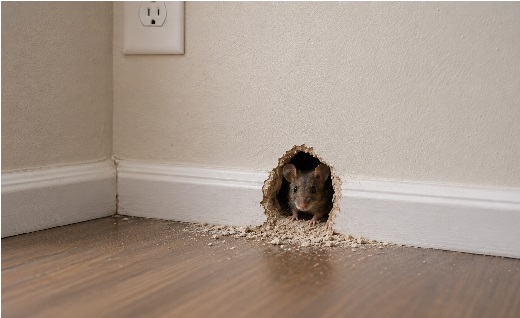
Understanding how mice get into your home is crucial for effective prevention and control. Mice can squeeze through incredibly small openings, sometimes as small as a dime. Common entry points include gaps around windows, doors, vents, and utility lines.
Additionally, foundation cracks and holes in walls can serve as access points. Inspecting your home for these vulnerabilities can help you identify where mice may be entering and developing a strategy to block these pathways.
By maintaining cleanliness, you reduce the likelihood of noticing mice in walls signs.
How to Inspect Your Home
When dealing with a mouse problem, be aware of the various mice in walls signs that may arise.
To perform an effective inspection, start outside. Look for cracks, holes, and gaps around the foundation and entry points of your home. Don’t forget to inspect the roofline, as mice can also enter through gaps in shingles or damaged eaves. Sealing these potential entry points with materials like steel wool or caulking can significantly reduce the likelihood of a mouse infestation.
Inside your home, check areas such as the basement, attic, and crawl spaces. Pay attention to any signs of droppings, gnaw marks, or nesting materials that could indicate mouse activity. Regular inspections will help you stay ahead of any potential problems.
Preventive Measures
Sealing Entry Points
Finally, if you see signs of extensive activity, it is time to recognize these as significant mice in walls signs.
Once you identify potential entry points, it is essential to seal them effectively. Using durable materials, such as steel wool, caulk, or hardware cloth, can prevent mice from entering your home. Ensure that any gaps larger than a quarter-inch are closed off, as this is often enough space for mice to squeeze through.
Regular maintenance of these seals is also important. Weather stripping around doors and windows should be checked periodically for wear and tear, and any new cracks in your foundation should be promptly addressed. A proactive approach to sealing entry points can save you from future infestations.
Maintaining Cleanliness
Keeping your home clean is one of the best preventive measures against mice. Regularly dispose of food waste, store food in airtight containers, and keep surfaces free of crumbs. Mice are attracted to food sources, and eliminating these will make your home less appealing to them.
Additionally, decluttering your home helps reduce potential nesting materials. The less clutter you have, the fewer hiding spots there are for mice, which can significantly decrease the likelihood of an infestation.
Understanding the potential mice in walls signs is essential for taking preventive measures.
When you see these mice in walls signs, it’s critical to act quickly and efficiently.
One of the first mice in walls signs is often the sound of scratching or scurrying.
Don’t ignore these mice in walls signs, as they could indicate a more serious situation.
Awareness of mice in walls signs can empower homeowners to take necessary measures.
When to Call a Professional
Signs You Can’t Handle It Alone
If you find signs of mice despite your best efforts, it may be time to call a pest control professional. A few signs that indicate you need expert help include a significant number of droppings, persistent odors, or extensive gnaw marks around your home.
Additionally, if you have difficulty locating the source of the infestation or entry points, a professional can offer solutions that you might not have considered. Their expertise can be invaluable in navigating the complexities of mouse control.
Choosing the Right Exterminator
When selecting a pest control service, it’s essential to choose one with a good reputation. Look for companies that have experience specifically with rodent control. Reading customer reviews and checking for certifications can help you make an informed decision.
Ask potential exterminators about their methods for dealing with mice, as well as any follow-up procedures they offer. A good exterminator not only addresses the current infestation but also provides advice on preventing future problems.
Conclusion
Detecting signs of mice in your walls can be alarming, but understanding the indicators and taking prompt action can significantly mitigate the problem. Early detection, recognizing common signs, sealing entry points, and maintaining cleanliness are essential steps to protect your home from a mouse infestation. Should the situation escalate, don’t hesitate to call in professional pest control services for assistance.
Additional Resources
For further reading and resources related to mouse infestations, consider visiting local health department websites or pest control organizations. They often provide guidelines, tips for prevention, and lists of licensed pest control professionals in your area.
FAQs
What should I do if I find mouse droppings?
Immediately clean the area using gloves and a disinfectant. Avoid sweeping, as this can aerosolize harmful particles.
How can I tell if my home is infested with mice?
Look for signs like droppings, nests, noises, and chewed materials. A combination of these factors can indicate an infestation.
Are mice harmful to my health?
Yes, mice can carry diseases and parasites that pose health risks. It’s crucial to address an infestation promptly.
Can I use traps to catch mice?
Yes, traps can be effective. There are various types available, including snap traps, glue traps, and electronic traps.
How can I prevent mice from entering my home?
Seal entry points, maintain cleanliness, and store food securely. Regular inspections can also help keep your home mouse-free.