Understanding Daytime Cockroach Activity: Causes and Solutions for Homeowners
Table of Contents
Introduction
Understanding cockroach behavior, especially their activity during the daytime, is crucial for homeowners seeking to maintain a clean and healthy living environment. Cockroaches are nocturnal insects by nature, often coming out at night to forage for food. However, if you notice these pests during the day, it could indicate an underlying problem that requires immediate attention. This article delves into the various aspects of daytime cockroach activity, including the reasons behind this behavior, signs of infestation, preventive measures, and effective solutions for control.
Homeowners must be aware of daytime cockroach activity to prevent infestations.
Understanding Cockroach Behavior
Overview of Cockroach Species
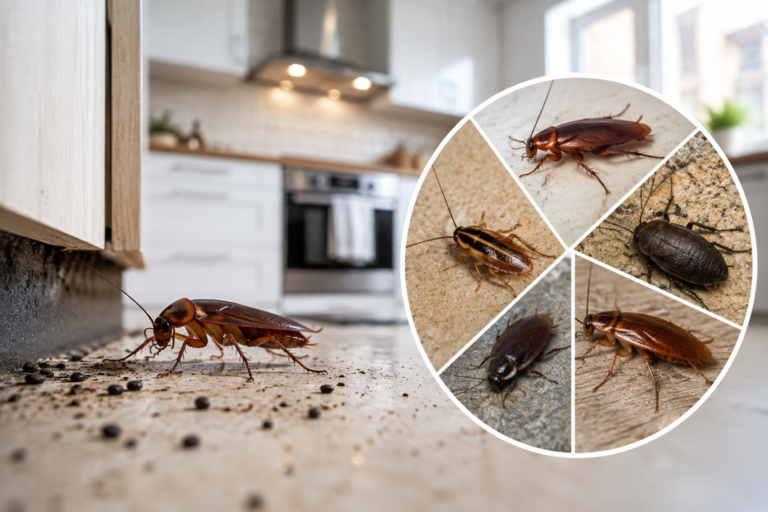
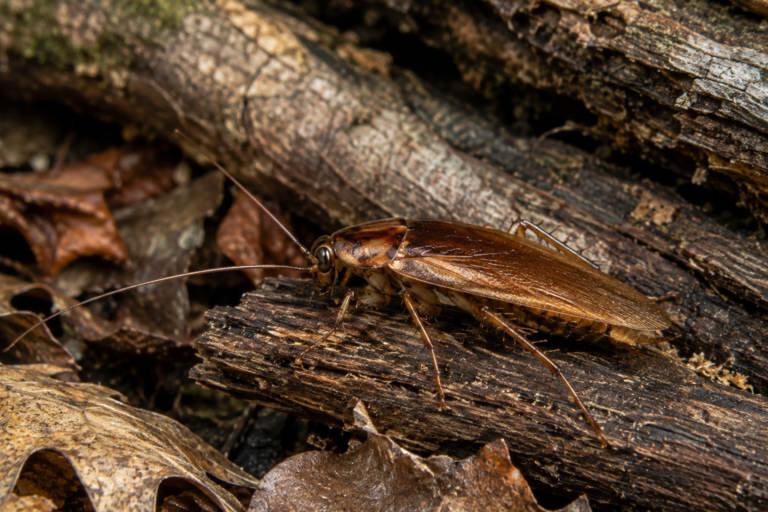
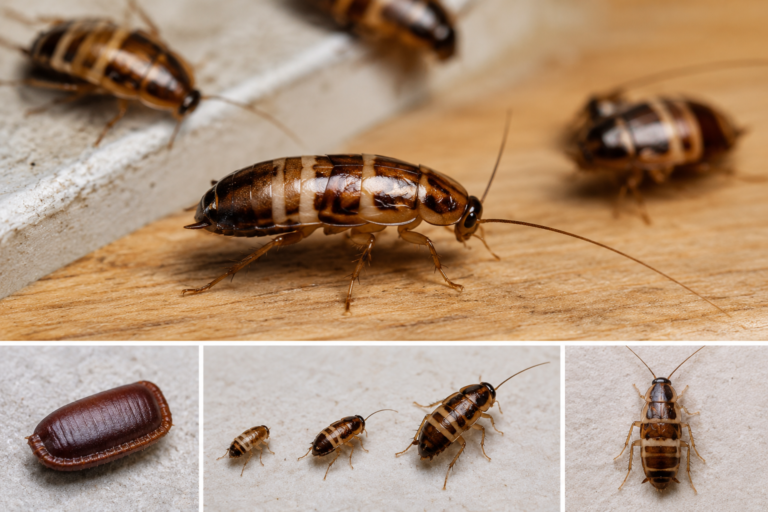
Several species of cockroaches commonly invade homes, with the German cockroach and the American cockroach being the most prevalent. The German cockroach is smaller, measuring about 1.1 to 1.6 cm in length, and is characterized by its two dark stripes running down its back. In contrast, the American cockroach is larger, reaching up to 4 cm, and is known for its reddish-brown color and long wings. Understanding the specific species in your environment can help tailor your approach to control and prevention.
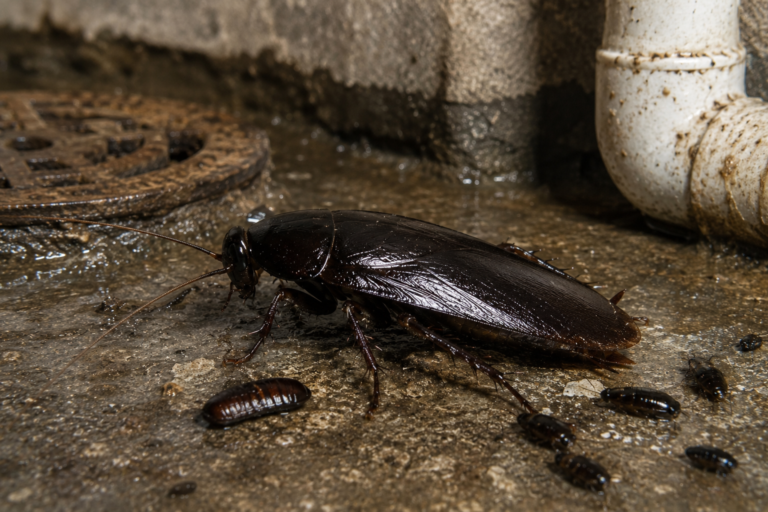
Other notable species include the Oriental cockroach and the brown-banded cockroach, each exhibiting unique habits and behaviors. The Oriental cockroach prefers cooler, damp areas and is often found in basements, while the brown-banded cockroach prefers warmer, drier environments. Familiarizing yourself with these species can provide insights into their nesting and feeding preferences.
Life Cycle and Habits
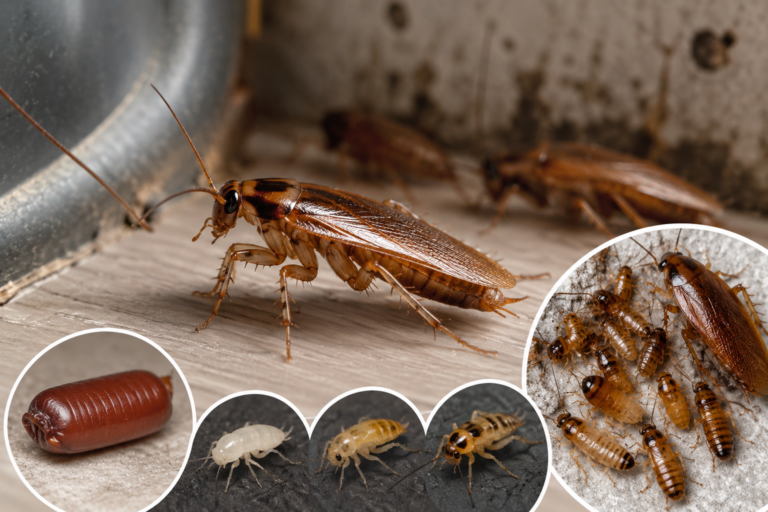
Cockroaches undergo a life cycle that consists of three main stages: egg, nymph, and adult. The female cockroach produces egg cases, known as oothecae, which can contain dozens of eggs. Once hatched, nymphs resemble miniature adults and undergo several molts before reaching maturity. The entire life cycle can span from a few months to over a year, depending on environmental conditions.
Cockroaches are omnivorous scavengers, feeding on a wide range of organic matter, including food scraps, paper, and even glue. Their ability to thrive in various environments, along with their rapid reproduction, makes them particularly challenging to control once they establish a presence in a home.
Reasons for Daytime Activity
Environmental Factors
Detecting daytime cockroach activity early can make a significant difference.
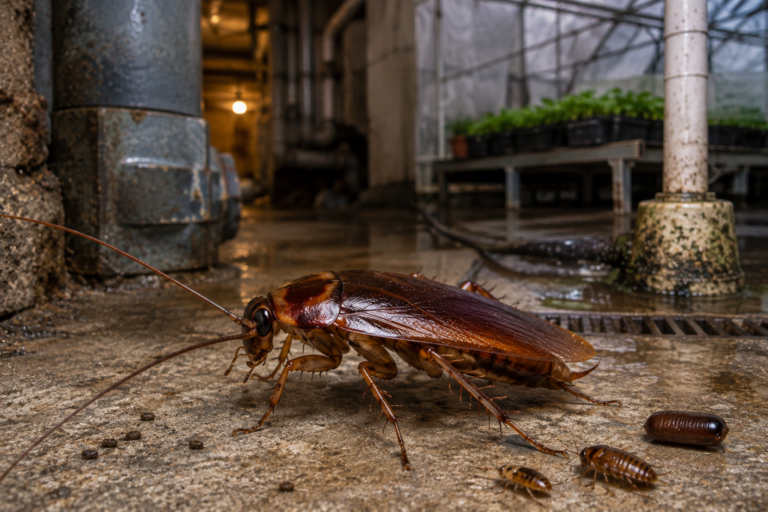
Daytime cockroach activity can often be attributed to environmental factors that alter their normal behavior. For instance, high levels of humidity and warmth in a home can drive cockroaches out into the open, especially in areas like kitchens or bathrooms where moisture accumulates. These conditions create an ideal habitat for cockroaches, prompting them to seek food and water during atypical hours.
Additionally, changes in temperature can influence their activity. During colder months, cockroaches may emerge during the day seeking warmth and shelter, which can lead to increased sightings. Understanding your home’s environment can aid in addressing the conditions that foster cockroach activity.
Monitoring for daytime cockroach activity is essential for effective pest control.
Food Sources
Access to food is another significant factor that can drive cockroaches to be active during the day. If they find readily available sources of food, they may not adhere strictly to their nocturnal habits. Common food sources include crumbs, spills, and improperly stored foods. Even small amounts of food can attract cockroaches and encourage them to venture out during daylight hours.
Daytime cockroach activity can indicate environmental issues that need addressing.
In homes where food storage practices are lax, the chances of attracting these pests increase dramatically. It’s crucial for homeowners to be vigilant about food cleanliness and storage to mitigate this risk.
Nest Disruption
Understanding the patterns of daytime cockroach activity can help in prevention.
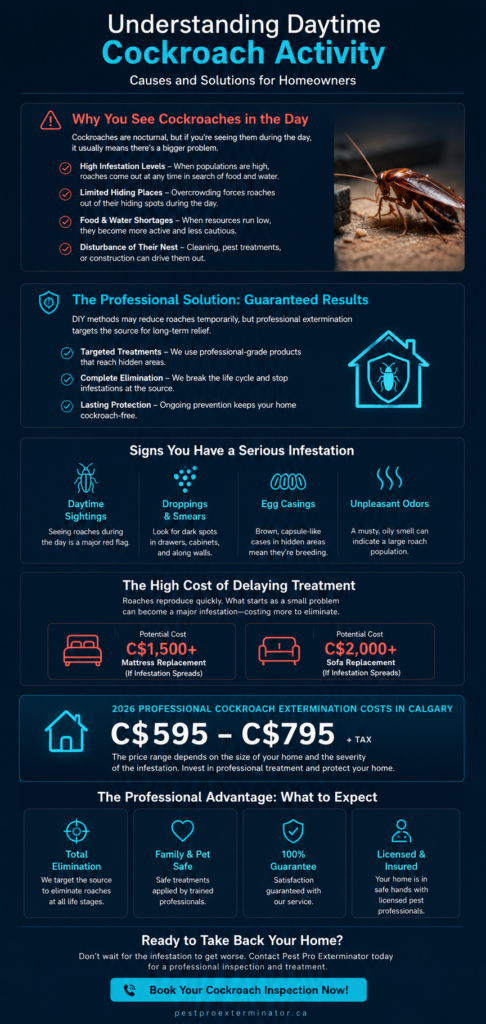
Another reason cockroaches may be spotted during the day is disruption of their nests. Activities such as cleaning, renovations, or even disturbances from pets can cause cockroaches to flee their hiding spots. If they feel threatened or their nest is compromised, they may be forced to search for new shelter or food, leading to increased daytime visibility.
The frequency of daytime cockroach activity can signal a growing problem.
This behavior can also signal that the infestation has reached a point where the population is large enough that food and space become scarce, prompting more adventurous behavior. Recognizing these signs can be vital for effective management and control.
Recognizing daytime cockroach activity helps in implementing control measures.
Identifying Signs of Infestation
Common Signs of Cockroach Presence
Eliminating sources of daytime cockroach activity is crucial for integrated pest management.
Being able to identify signs of a cockroach infestation is essential for homeowners. Common indicators include droppings, shed skins, and a distinctive odor that often accompanies large infestations. Cockroach droppings are small and resemble black pepper or coffee grounds, often found in areas where they frequent, such as under sinks or behind appliances.
Another sign is the presence of egg cases, which are typically dark brown and oval-shaped. If you observe these signs in your home, it’s crucial to act swiftly to assess the extent of the infestation and take appropriate measures.
Importance of Early Detection
Sealing entry points can reduce instances of daytime cockroach activity.
Early detection of a cockroach infestation can significantly impact the effectiveness of control efforts. Catching the problem in its initial stages allows homeowners to implement preventive measures before the population expands. If left unchecked, cockroach infestations can lead to health risks, property damage, and increased difficulty in control due to rapid reproduction rates.
Regular inspections, especially in areas commonly frequented by cockroaches, can help in early identification. Keeping an eye out for the signs mentioned earlier can save homeowners from the hassle and expense of a larger infestation.
Proper food storage is key in preventing daytime cockroach activity.
Preventive Measures for Homeowners
Sanitation Practices
Implementing good sanitation practices is the first line of defense against cockroach infestations. Regular cleaning routines that include vacuuming, sweeping, and mopping can help eliminate potential food sources. Pay special attention to areas under appliances and furniture, where crumbs and spills often accumulate.
Using bait can help control daytime cockroach activity effectively.
Additionally, taking out the garbage regularly and using sealed containers for compost or food waste can further deter cockroaches from scavenging. Reducing clutter in your home also minimizes hiding spots, making it less attractive for these pests.
Sealing Entry Points
To prevent cockroaches from entering your home, it is essential to seal off potential entry points. Inspect windows, doors, and foundation cracks for gaps that could allow cockroaches access. Use caulk or weather stripping to seal these openings effectively, creating a barrier against these pests.
Hiring professionals can address severe daytime cockroach activity promptly.
Additionally, ensure that vents and chimneys are properly screened to prevent entry from outside. A thorough inspection of your home can help identify vulnerable areas that may require reinforcement.
Understanding daytime cockroach activity patterns can aid in effective management.
Proper Food Storage
Proper food storage is a critical aspect of preventing cockroach infestations. Store food in airtight containers to eliminate easy access to food sources. Be particularly mindful of pet food, as it can attract cockroaches if left out in open containers. Always clean up after meals and ensure that food is not left out overnight.
Resources on daytime cockroach activity can enhance homeowner knowledge.
Regularly check pantry items for signs of contamination or pest activity, and discard any infested products. Keeping your kitchen organized and clean can significantly reduce the likelihood of attracting cockroaches.
Many companies provide insights into controlling daytime cockroach activity.
Effective Solutions for Existing Infestations
To combat daytime cockroach activity, a comprehensive approach is necessary.
DIY Pest Control Methods
If you suspect a cockroach infestation, several DIY pest control methods can be employed. One popular method is using bait traps that contain insecticides designed to attract and kill cockroaches. Position these traps in areas where you’ve noticed cockroach activity, such as behind appliances and in corners.
Effective management of daytime cockroach activity requires diligence and attention.
Additionally, boric acid is often used as a home remedy for cockroach control. When cockroaches consume boric acid, it disrupts their digestive system and eventually leads to their demise. However, caution should be exercised when using any chemicals, especially in homes with pets or small children.
Awareness of daytime cockroach activity can help maintain a healthy home.
When to Hire Professionals
Strategies against daytime cockroach activity should be part of routine maintenance.
Daytime cockroach activity can escalate if not managed effectively.
Proper response to daytime cockroach activity will preserve home hygiene.
While DIY methods can be effective for minor infestations, hiring a professional pest control service may be necessary for severe cases. Professionals have access to advanced tools and treatments that are not available for consumer use, allowing for more effective eradication.
Moreover, pest control experts can provide long-term solutions and preventative measures tailored to your specific home environment. If DIY methods fail to show results or if the infestation is widespread, seeking professional help can save you time, effort, and potentially greater costs in the long run.
Conclusion
Understanding the reasons behind daytime cockroach activity is crucial for homeowners aiming to maintain a pest-free environment. From environmental factors to food sources and potential nest disruptions, various elements can lead to unusual behavior in these nocturnal insects. By identifying signs of infestation early, implementing effective preventive measures, and knowing when to seek professional help, homeowners can effectively manage and control cockroach populations.
Additional Resources
Further Reading
For homeowners looking to deepen their understanding of cockroach behavior and prevention techniques, several resources are available. Books, online articles, and local extension services often provide valuable information on pest management practices specific to your region.
Contact Information for Pest Control Services
Many pest control companies offer consultations and tailored pest management plans for homeowners. Research reputable services in your area, and don’t hesitate to reach out for assistance if you suspect a cockroach infestation.
FAQs
1. Why are cockroaches active during the day?
Cockroaches may be active during the day due to environmental factors, a lack of food, or disruptions to their nests. An increase in humidity or temperature can also drive them out of hiding, prompting daytime activity.
2. How can I prevent cockroaches in my home?
Preventive measures include maintaining cleanliness, sealing entry points, and proper food storage. Regular inspections and addressing any signs of infestations promptly are also essential steps.
3. What are the signs of a cockroach infestation?
Common signs include droppings, shed skins, a musty odor, and the presence of egg cases. Observing these indicators early can help in managing an infestation effectively.
4. When should I consider hiring a pest control professional?
If DIY methods fail to yield results or if the infestation is extensive, it’s advisable to seek professional pest control services equipped to handle the situation more effectively.
5. Are cockroaches harmful to my health?
Yes, cockroaches can pose health risks as they are known carriers of various pathogens and allergens that can trigger allergic reactions or exacerbate asthma symptoms in sensitive individuals.