Brown-Banded Cockroach: Where They Hide in Calgary Homes & Buildings
Table of Contents
The brown-banded cockroach (Supella longipalpa) is a small indoor cockroach species that can live in homes, apartments, offices, hotels and other heated buildings. Unlike German cockroaches, which are strongly associated with kitchens and moisture, brown-banded cockroaches can be found in warmer, drier areas and higher locations such as behind furniture, pictures, clocks, books and appliances.
Understanding the biology of the brown-banded cockroach is important because its unusual hiding and breeding habits can make an infestation difficult to locate.
What Is a Brown-Banded Cockroach?
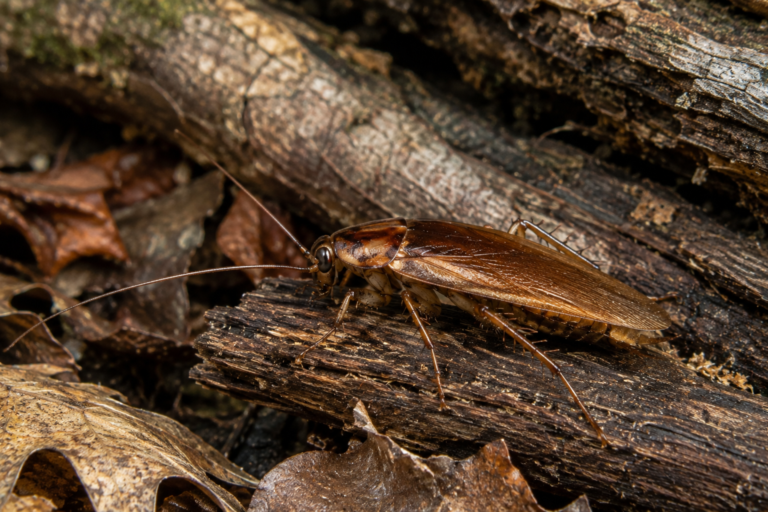
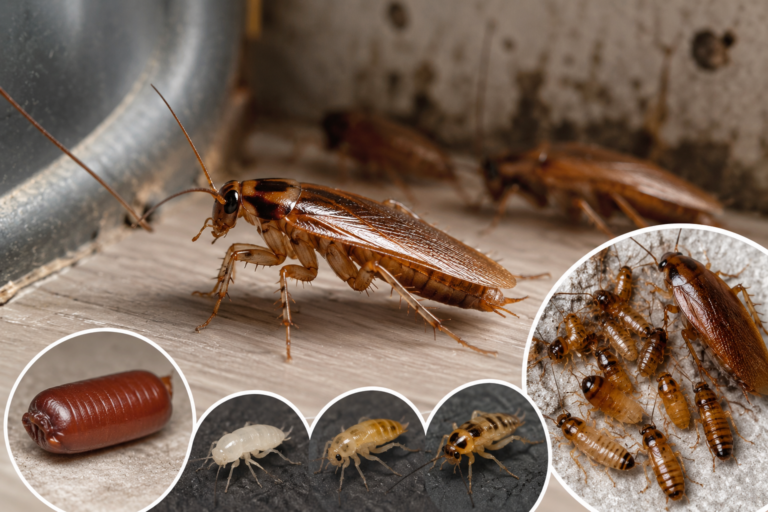
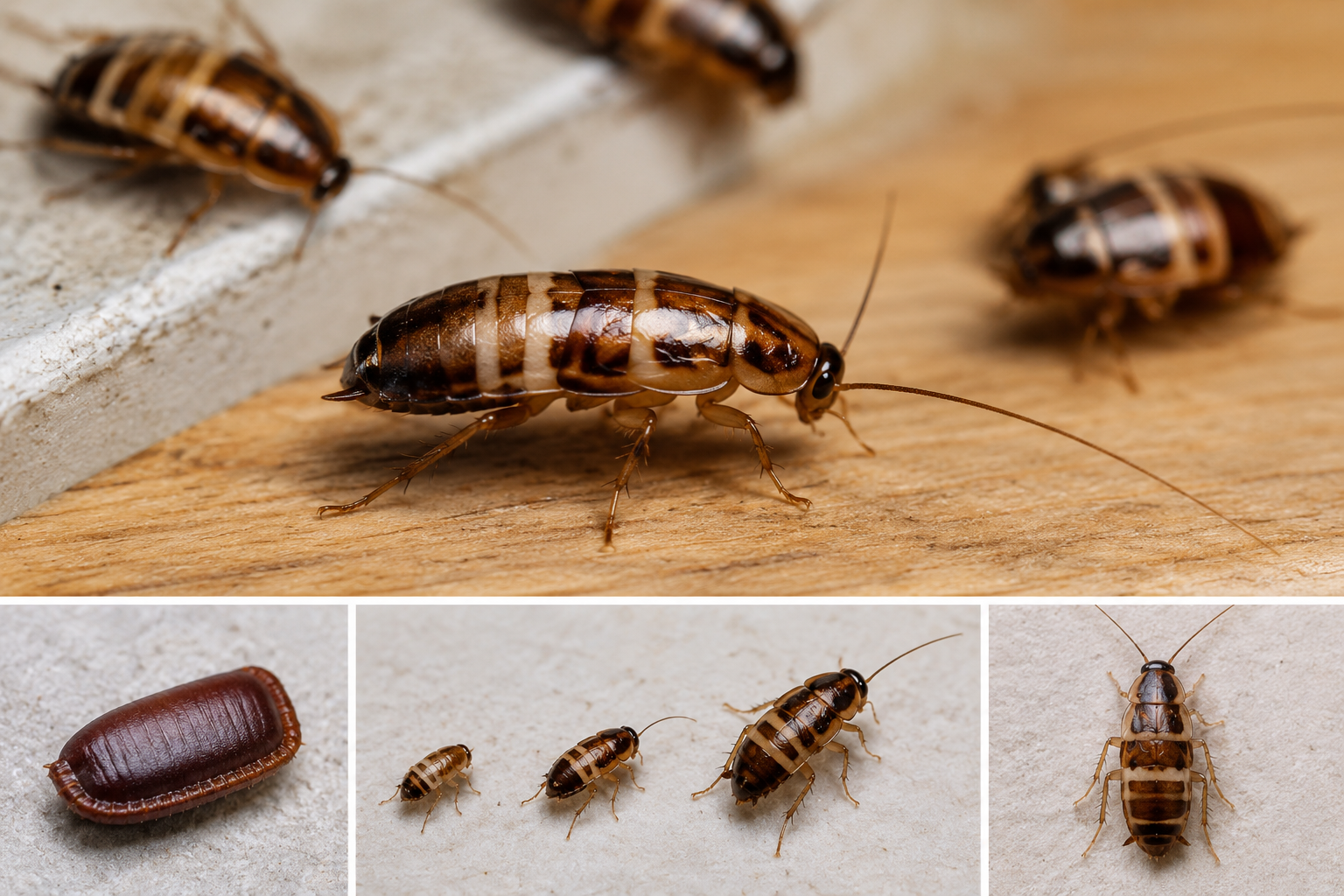
The brown-banded cockroach gets its common name from the light-colored bands that cross the body and wings.
Adults are approximately 1/2 inch long. Males are generally narrower and have wings that extend beyond the abdomen, while females have a darker, more rounded body and shorter wings.
The scientific name is:
Supella longipalpa
The species belongs to the cockroach family Blattellidae.
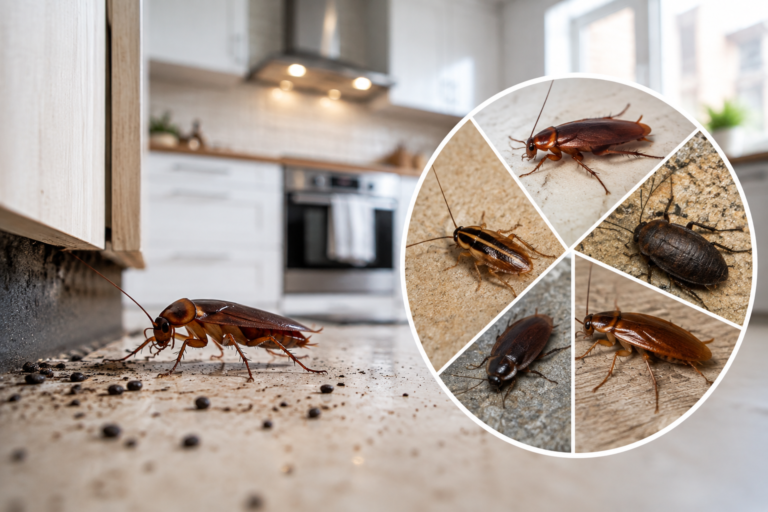
How to Identify a Brown-Banded Cockroach
Correct identification is important because brown-banded cockroaches can be confused with other small cockroach species.
Look for:
- Small body, approximately 1/2 inch long
- Brown to golden-brown coloration
- Distinctive lighter bands across the body
- Long antennae
- Six legs
- Adult males with longer wings
- Females with shorter wings
- Nymphs with noticeable pale bands
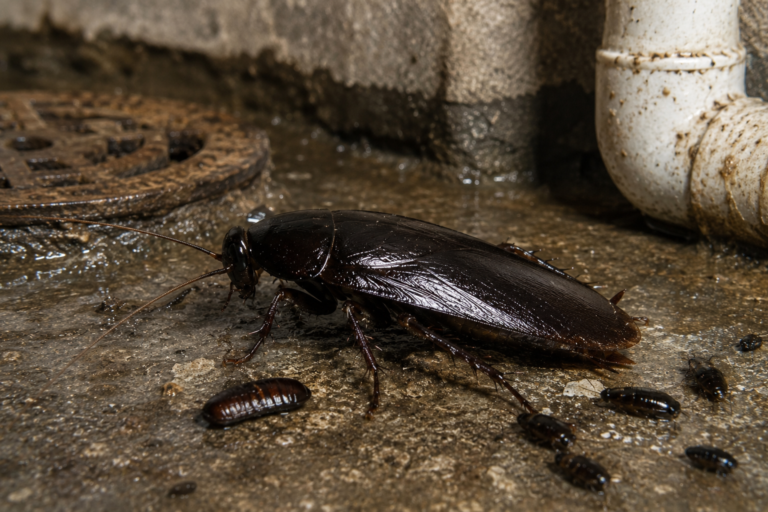
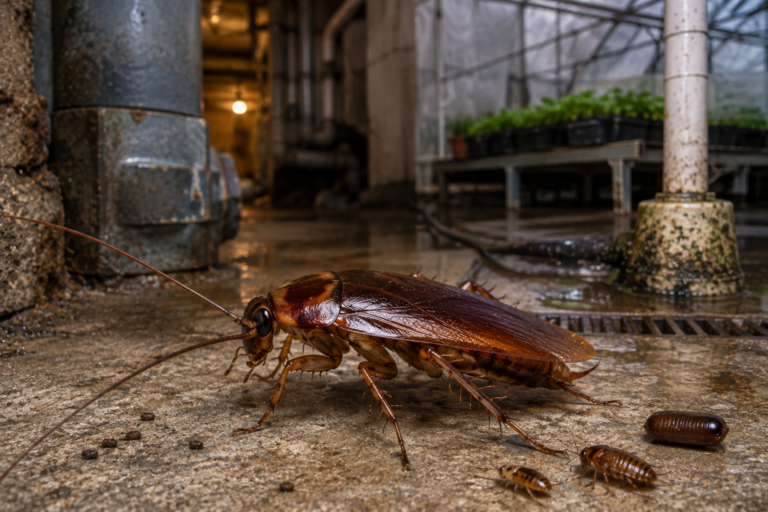
Young brown-banded cockroaches are smaller and wingless but can also display the characteristic light bands across their bodies.
If identification is uncertain, a clear photograph or specimen can help a pest professional determine the species.
Related Guide: Learn more about [Cockroaches in Calgary: Identification, Biology, Prevention & Control].
Brown-Banded Cockroach Life Cycle
Like other cockroaches, the brown-banded cockroach has three primary life stages:
Egg → Nymph → Adult
Unlike insects that undergo a complete metamorphosis, cockroaches develop through gradual changes. The nymphs resemble smaller versions of adults but do not have fully developed wings.
The brown-banded cockroach has a relatively long developmental period compared with some other indoor cockroach species. University of Minnesota Extension reports that eggs can take approximately 70 days to hatch, while development from young nymph to adult can take several months under suitable conditions.
Brown-Banded Cockroach Eggs and Egg Cases
One of the interesting biological characteristics of the brown-banded cockroach is where the female places her egg cases.
A female can produce approximately eight egg cases during her lifetime, with each case containing around 16 eggs according to University of Minnesota Extension information. Females may attach egg cases to surfaces such as furniture or appliances.
This behavior is important when investigating an infestation.
Finding adult cockroaches without locating their egg cases does not necessarily mean the breeding area has been found.
Where Do Brown-Banded Cockroaches Hide?
Brown-banded cockroaches have a reputation for occupying higher and drier locations than German cockroaches.
They may be found:
- Behind pictures
- Behind clocks
- Under furniture
- Inside furniture
- Among books
- Behind appliances
- Inside electrical equipment
- Around warm areas
- Inside cracks and crevices
- In wall or ceiling spaces
University of Minnesota Extension notes that brown-banded cockroaches prefer warmer conditions and can be found in areas such as radios, televisions and refrigerators.
This means an inspection focused only on kitchen sinks and plumbing areas may miss important brown-banded cockroach harbourage.
Brown-Banded Cockroach vs. German Cockroach
Although both are small indoor cockroaches, their preferred environments can be different.
| Characteristic | Brown-Banded Cockroach | German Cockroach |
|---|---|---|
| Scientific name | Supella longipalpa | Blattella germanica |
| Adult size | About 1/2 inch | About 1/2 inch |
| Appearance | Light bands across body | Two dark stripes behind head |
| Preferred environment | Warm, often drier locations | Warm areas with food and moisture |
| Common hiding areas | Furniture, high locations, appliances | Kitchens, bathrooms, cabinets |
| Egg-case placement | May be attached to surfaces | Female generally carries egg case until near hatching |
These differences are one reason species identification matters when developing a pest-management strategy.
Why Are Brown-Banded Cockroaches Difficult to Find?
One of the biggest challenges with brown-banded cockroaches is their ability to hide in locations that homeowners may not normally inspect.
A homeowner might thoroughly clean a kitchen and still have cockroach activity elsewhere in the building.
Potential harbourage locations can include:
Furniture → Appliances → Wall spaces → Electronics → Upper areas → Storage areas
Because the species can occupy warm, dry locations, inspections should consider the entire property rather than focusing exclusively on areas around sinks and drains.
How Do Brown-Banded Cockroaches Enter Buildings?
Brown-banded cockroaches can be introduced into buildings through infested items.
Potential sources include:
- Boxes
- Bags
- Furniture
- Appliances
- Luggage
- Stored materials
- Other infested belongings
University of Minnesota Extension notes that brown-banded cockroaches are often brought indoors through infested boxes, bags, luggage and other items.
Once introduced, they can establish themselves in suitable indoor environments.
Brown-Banded Cockroaches in Apartments and Condominiums
Multi-unit buildings can present additional challenges because cockroach activity may involve more than one area.
Potential concerns include:
- Movement of infested belongings
- Shared building spaces
- Wall cavities
- Utility areas
- Common areas
- Storage rooms
- Nearby units
If cockroach activity continues after treatment, it is important to investigate whether there are additional harbourage areas or sources of introduction.
Brown-Banded Cockroaches in Commercial Buildings
Brown-banded cockroaches can also be a concern in commercial environments.
They may hide around:
- Office equipment
- Storage areas
- Furniture
- Appliances
- Food areas
- Wall spaces
- Warm equipment
- Electrical equipment
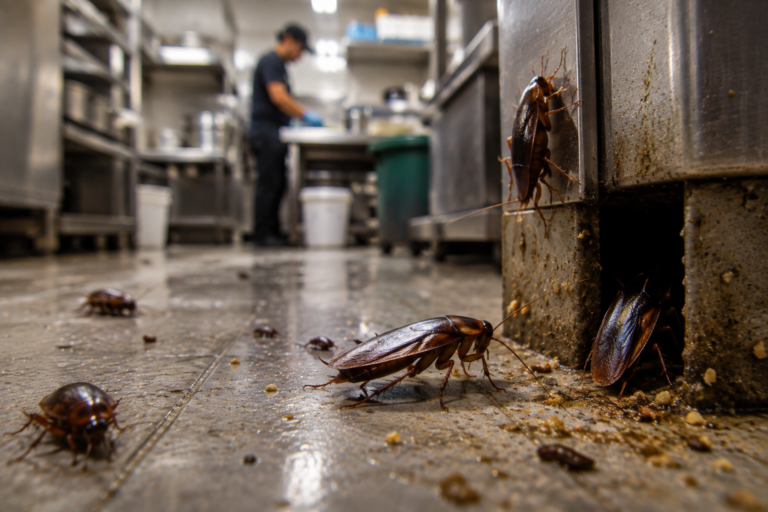
Cockroach activity in businesses can create concerns because cockroaches may contaminate food and food-contact areas. Health Canada notes that cockroaches can contaminate food and that their droppings and body parts can contribute to allergic reactions and asthma concerns.
Signs of a Brown-Banded Cockroach Infestation
Look for more than just live cockroaches.
Possible signs include:
- Live adult cockroaches
- Small banded nymphs
- Egg cases
- Droppings
- Shed skins
- Cockroach activity around furniture
- Activity around appliances
- Cockroaches appearing in upper areas
- Repeated nighttime sightings
Because cockroaches generally hide during the day, the number you see may not represent the total population.
Why Professional Identification Matters
Not every small brown insect found indoors is a brown-banded cockroach.
Some insects can resemble cockroaches, and different cockroach species can require different inspection approaches.
Professional identification can help determine:
- The species
- Likely harbourage areas
- Potential introduction sources
- Areas requiring inspection
- Appropriate monitoring
- Appropriate treatment strategy
Brown-Banded Cockroach Control
Effective cockroach management generally involves more than treating the insects that are visible.
A professional approach can involve:
Inspection → Identification → Harbourage Assessment → Sanitation → Monitoring → Targeted Treatment → Follow-Up
Health Canada recommends combining sanitation and other preventive measures with appropriate pest-control measures because removing access to food, water and shelter is an important part of cockroach management.
Any pesticide product used in Canada should be registered and applied according to its approved label directions.
How to Prevent Brown-Banded Cockroaches
Homeowners and businesses can reduce potential cockroach problems by:
- Inspecting boxes and packages entering the building
- Checking used furniture before bringing it indoors
- Inspecting used appliances
- Keeping storage areas organized
- Reducing unnecessary clutter
- Cleaning food spills promptly
- Storing food appropriately
- Removing garbage regularly
- Repairing moisture problems
- Sealing suitable cracks and openings
Prevention is especially important in apartments, condominiums and commercial properties where pests can be introduced through shared materials or belongings.
Frequently Asked Questions About Brown-Banded Cockroaches
Are brown-banded cockroaches common indoors?
Yes. They are an indoor-infesting species and can remain inside heated buildings throughout the year.
How big is a brown-banded cockroach?
Adults are approximately 1/2 inch long.
Why are they called brown-banded cockroaches?
They are named for the characteristic light-colored bands across their brown body.
Where do brown-banded cockroaches hide?
They may hide in warm, dry and protected locations, including furniture, behind pictures and clocks, among books, and around appliances.
Can brown-banded cockroaches live in apartments?
Yes. They can establish populations inside residential buildings, including apartments and other heated structures.
How do brown-banded cockroaches get inside?
They may be introduced through infested boxes, bags, luggage, furniture, appliances and other items.
Are brown-banded cockroaches the same as German cockroaches?
No. They are different species with different physical characteristics and behavioural preferences.
Brown-Banded Cockroach Control in Calgary
The brown-banded cockroach (Supella longipalpa) is a fascinating but persistent indoor pest. Its preference for warm, protected and sometimes elevated locations can make infestations difficult to detect.
Understanding its biology, life cycle, reproduction, behaviour and harbourage preferences is an important first step toward effective pest management.
If you suspect brown-banded cockroach activity in your home, apartment, condominium or commercial property, professional identification and inspection can help determine the appropriate next steps, learn more about professional Cockroach Control Calgary from Pest Pro Exterminator.