How Commercial Pest Management Works: A Complete Guide for Calgary Businesses
Table of Contents
Commercial pest management is more than treating pests after an infestation has already become a problem. A professional program is designed to identify pest risks, prevent infestations, monitor activity, and respond quickly when pest activity is detected.
For restaurants, offices, warehouses, hotels, retail stores, apartment buildings, and other commercial properties in Calgary, an effective pest management program can help protect employees, customers, inventory, equipment, and the reputation of the business.
But how does commercial pest management actually work?
This guide explains the process from the initial inspection through ongoing monitoring and follow-up.
What Is Commercial Pest Management?
Commercial pest management is a structured approach to controlling and preventing pests in business properties.
Instead of relying only on pesticide applications, professional pest management combines several strategies, including:
- Inspection
- Pest identification
- Monitoring
- Sanitation recommendations
- Structural maintenance
- Exclusion
- Targeted pest treatments
- Follow-up inspections
- Documentation
- Preventive measures
The objective is not simply to kill pests that are visible today. The goal is to reduce the conditions that allow pest populations to establish and spread.
This approach is commonly referred to as Integrated Pest Management, or IPM.
How Does Commercial Pest Management Work?
A professional commercial pest management program typically follows several stages.
1. Initial Property Inspection
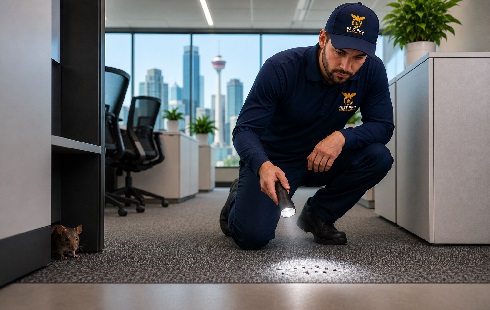
The first step is a detailed inspection of the property.
A pest management professional looks for:
- Current pest activity
- Pest droppings or other evidence
- Entry points
- Food sources
- Water sources
- Moisture problems
- Harborage areas
- Cracks and gaps
- Garbage and waste areas
- Structural deficiencies
- Areas where pests may travel between rooms or units
The inspection helps determine what pest is present, where it is active, and why it is occurring.
For larger commercial properties, the inspection may include mechanical rooms, storage areas, kitchens, garbage rooms, loading docks, exterior walls, landscaping and other areas that could contribute to pest activity.
2. Pest Identification
Correct identification is an important part of commercial pest management.
Different pests behave differently and require different management strategies.
For example:
- Cockroaches may hide in warm, protected areas and spread through buildings.
- Mice can enter through surprisingly small openings and move along walls or utility pathways.
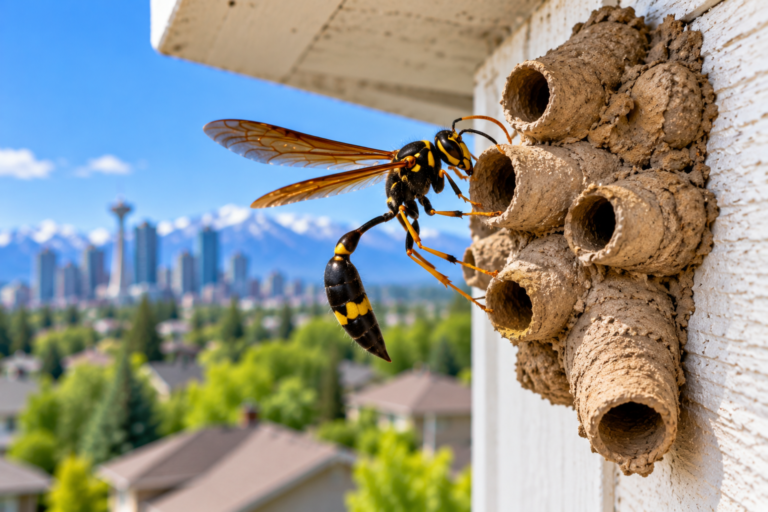
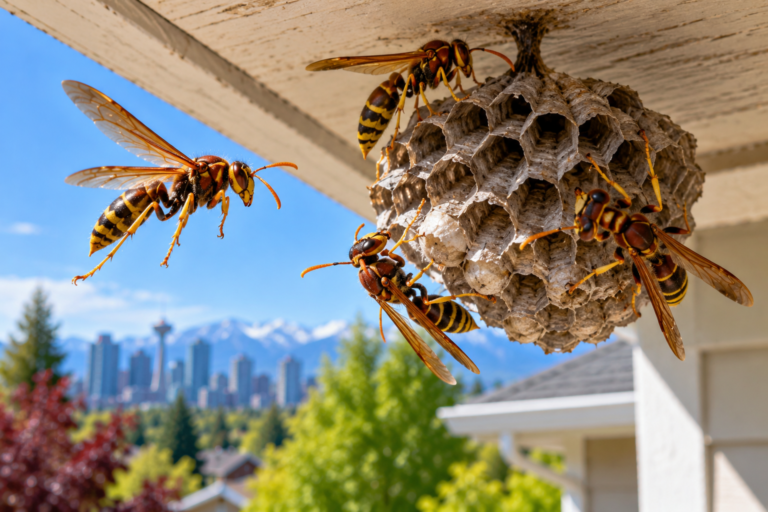
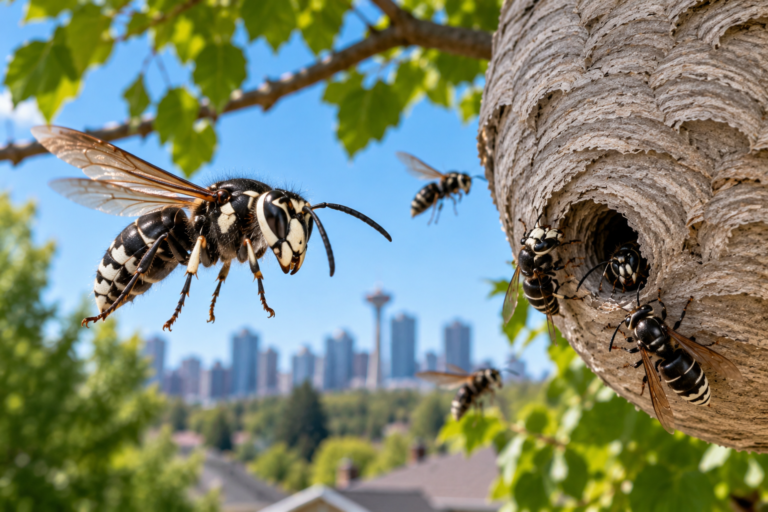
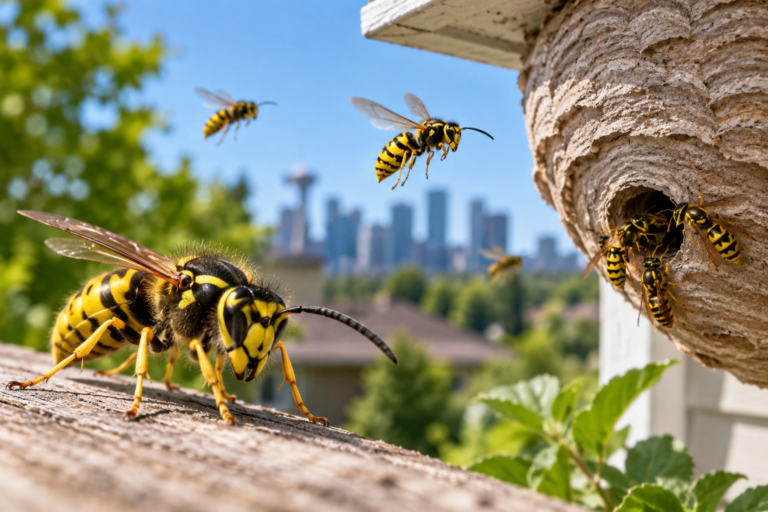
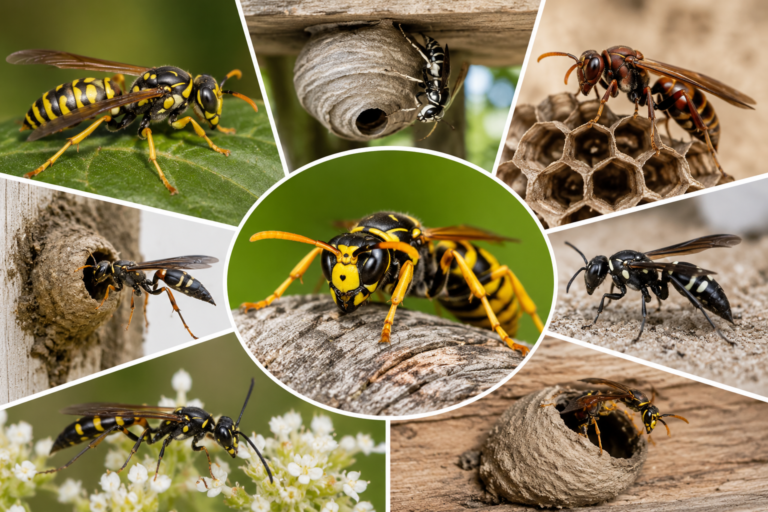
- Wasps may establish nests around exterior structures.
- Flies can be associated with garbage, drains, food waste and sanitation problems.
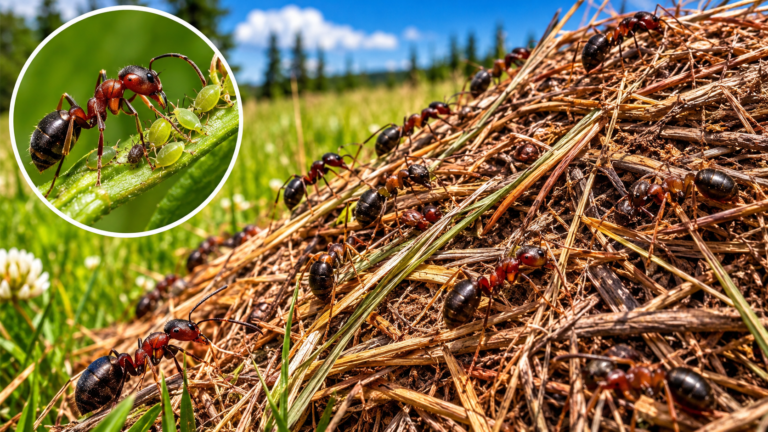
- Ants may establish colonies outdoors and enter buildings while searching for food or moisture.
- Stored-product pests can develop in food storage areas.
Treating the wrong pest—or using the wrong strategy—can result in continued activity.
3. Finding the Source of the Problem
A professional pest management program should look beyond the pest itself.
For example, if cockroaches are being found in a restaurant kitchen, simply treating the areas where cockroaches are visible may not solve the underlying problem.
The technician may investigate:
- Food storage
- Equipment areas
- Plumbing penetrations
- Wall voids
- Floor drains
- Gaps around cabinets
- Garbage areas
- Deliveries and incoming products
- Adjacent rooms
The same principle applies to mice, ants, flies and other pests.
Finding where pests are coming from is often just as important as treating the pests themselves.
4. Identifying Conditions That Attract Pests
Pests need food, water, shelter or access to establish themselves.
A commercial inspection therefore looks for conditions that may encourage pest activity.
Common examples include:
Food
- Food debris
- Open food containers
- Spilled ingredients
- Improperly stored food
- Garbage accumulation
Water
- Plumbing leaks
- Condensation
- Standing water
- Wet floor areas
- Poor drainage
Shelter
- Clutter
- Cardboard accumulation
- Stored materials
- Wall voids
- Equipment spaces
- Structural gaps
Access
- Gaps around doors
- Cracks in foundations
- Utility penetrations
- Damaged screens
- Open loading doors
- Gaps around pipes and cables
Correcting these conditions can significantly improve the effectiveness of a pest management program.
5. Developing a Pest Management Plan
After the inspection, the pest management professional develops a treatment and prevention strategy based on the property and the pest problem.
The plan may include:
- Monitoring devices
- Mechanical controls
- Exclusion recommendations
- Sanitation improvements
- Targeted treatments
- Exterior pest management
- Interior pest management
- Follow-up inspections
- Ongoing scheduled service
Not every business needs the same program.
A restaurant may require a different approach from a warehouse, office building, hotel or apartment complex.
6. Monitoring Pest Activity
Monitoring is one of the most important parts of commercial pest management.
Monitoring devices can help determine:
- Whether pests are present
- Where activity is occurring
- Whether activity is increasing or decreasing
- Which areas require additional attention
- Whether previous treatments are working
For example, monitoring stations and traps may be placed in strategic locations around a commercial property.
The information gathered during inspections and monitoring helps the pest management professional make decisions based on actual activity rather than assumptions.
7. Targeted Pest Treatment
When treatment is necessary, professional pest management focuses on the areas where pests are active or likely to be active.
Depending on the pest and property, treatment may involve:
- Baits
- Traps
- Targeted applications
- Crack-and-crevice treatments
- Exterior treatments
- Mechanical controls
- Exclusion work
- Other appropriate pest management techniques
Treatment methods should be selected according to the pest species, property conditions, activity level and applicable regulations.
The objective is to use an effective strategy while minimizing unnecessary treatment.
8. Exclusion and Structural Repairs
Pest management doesn’t always end with treatment.
If pests are entering through openings in a building, those entry points may need to be addressed.
Common pest entry points include:
- Door gaps
- Foundation cracks
- Pipe penetrations
- Utility openings
- Damaged vents
- Broken screens
- Gaps around loading docks
- Openings around roofing components
For rodents in particular, exclusion can be an important part of long-term management.
A mouse problem can continue if new mice are able to enter the building after existing activity has been controlled.
9. Follow-Up Inspections
Commercial pest management is usually an ongoing process.
A follow-up inspection allows the technician to determine whether:
- Pest activity has decreased
- New activity has appeared
- Monitoring devices show continued activity
- Additional treatment is necessary
- Sanitation issues remain
- New entry points have developed
The information collected during each visit can be used to adjust the program.
This is one of the major differences between a professional pest management program and a one-time treatment.
10. Documentation and Reporting
Commercial properties often benefit from detailed service documentation.
Depending on the program, records may include:
- Service dates
- Areas inspected
- Pest activity observed
- Monitoring results
- Treatments performed
- Recommendations
- Follow-up requirements
- Corrective actions
Documentation can be particularly important for businesses that have internal quality-control procedures or regulatory and audit requirements.
It also gives property managers and business owners a record of what has been happening over time.
Commercial Pest Management for Restaurants
Restaurants can face unique pest pressures because they provide many of the conditions pests need to survive.
Food preparation, deliveries, garbage, moisture, drains and warm equipment areas can all contribute to pest activity.
Common restaurant pests include:
- Cockroaches
- Flies
- Mice
- Rats
- Ants
- Stored-product pests
- Wasps around outdoor dining areas
A restaurant pest management program should therefore consider both the interior and exterior of the property.
Particular attention may be given to:
- Kitchens
- Food storage
- Dishwashing areas
- Garbage rooms
- Receiving areas
- Floor drains
- Storage rooms
- Exterior waste containers
- Loading areas
Commercial Pest Management for Apartment Buildings
Multi-unit residential properties can present additional challenges because pests may move between units.
Cockroaches, mice, bed bugs and ants can potentially spread through:
- Wall voids
- Plumbing penetrations
- Utility openings
- Hallways
- Common areas
- Shared mechanical spaces
- Adjacent suites
For this reason, apartment and condominium pest management often requires coordination between tenants, property managers, maintenance personnel and the pest management provider.
A successful program may involve inspection of affected units, surrounding areas and common spaces rather than treating only the location where a pest was reported.
Commercial Pest Management for Warehouses
Warehouses can experience pest problems associated with stored products, incoming shipments, waste, structural openings and loading docks.
A warehouse pest management program may focus on:
- Loading doors
- Receiving areas
- Storage zones
- Pallet areas
- Garbage areas
- Exterior perimeter
- Roof and wall penetrations
- Food or product storage
Keeping doors closed when possible and maintaining clean, organized storage areas can also reduce opportunities for pests to enter and establish themselves.
Why Preventive Pest Management Matters
Waiting until pests become highly visible can make a problem more difficult to manage.
Preventive pest management allows businesses to identify problems earlier.
For example, monitoring may detect rodent activity before employees begin seeing mice regularly.
Likewise, early cockroach activity may be detected before an infestation becomes widespread.
The goal is to identify and address pest activity before it becomes a larger operational problem.
How Often Should a Business Have Pest Control?
There is no single schedule that is appropriate for every business.
Service frequency depends on factors such as:
- Type of business
- Building size
- Pest pressure
- Property location
- Food handling activities
- Previous pest history
- Building construction
- Sanitation conditions
- Seasonal pest activity
- Regulatory or operational requirements
Some businesses may benefit from monthly service, while properties with higher pest pressure may require more frequent inspections or specialized programs.
A professional inspection can help determine an appropriate service schedule.
What Business Owners Can Do Between Professional Visits
Businesses can support their pest management program by maintaining good housekeeping and addressing conditions that attract pests.
Important steps include:
Keep food properly stored
Use sealed containers where appropriate and avoid leaving food exposed.
Remove garbage regularly
Keep waste areas clean and ensure garbage containers are properly maintained.
Repair leaks
Address leaking pipes, faucets and other moisture sources.
Reduce clutter
Avoid unnecessary storage and cardboard accumulation.
Keep doors closed
Loading and exterior doors should not remain open unnecessarily.
Seal openings
Repair cracks, gaps and other potential pest entry points.
Report pest activity quickly
Employees should know who to contact when they see pests or signs of pest activity.
Early reporting can make a significant difference.
Commercial Pest Management vs. One-Time Pest Treatment
A one-time treatment focuses primarily on addressing a pest problem at a specific point in time.
A commercial pest management program takes a broader approach.
| One-Time Treatment | Ongoing Pest Management |
|---|---|
| Focuses on an immediate problem | Focuses on prevention and control |
| Limited inspection | Regular inspections |
| Treatment-focused | Monitoring and treatment |
| May not address entry points | Includes prevention recommendations |
| Limited historical information | Builds a service history |
| Reactive | Proactive |
For businesses with recurring pest pressure, an ongoing program can provide a more structured approach.
What Makes Commercial Pest Management Effective?
The most effective programs combine several elements rather than relying on one treatment method.
A strong commercial pest management program should include:
Inspection + Identification + Monitoring + Prevention + Treatment + Follow-Up
If one of these components is missing, the program may be less effective.
For example, treating a mouse problem without addressing entry points may result in continued activity.
Likewise, treating cockroaches without identifying food, moisture or harborage conditions can make long-term control more difficult.
Choosing a Commercial Pest Management Company in Calgary
When selecting a pest management provider, businesses should consider more than the price of a single treatment.
Ask potential providers:
- What does the initial inspection include?
- Will the technician identify the source of the problem?
- How often will the property be inspected?
- What monitoring methods are used?
- Will recommendations be provided?
- Are follow-up visits included?
- Will service records be provided?
- Does the company have experience with the specific type of commercial property?
- Is the program customized to the property’s pest risks?
The right program should be based on the building, business operations and pest pressures—not simply a standard treatment package.
Commercial Pest Management in Calgary
Calgary businesses can experience a wide range of pest challenges throughout the year, from rodents and cockroaches to ants, flies, wasps and wildlife.
Building construction, weather conditions, business operations and surrounding properties can all influence pest activity.
A professional commercial pest management program provides a systematic way to identify these risks and respond to pest activity before it becomes a larger problem.
For restaurants, offices, warehouses, hotels, apartment buildings, retail properties and other businesses, the goal should be long-term pest prevention and control—not simply treating visible pests when they appear.
Frequently Asked Questions
What is commercial pest management?
Commercial pest management is an ongoing approach to preventing, monitoring and controlling pests in business properties. It can include inspection, monitoring, sanitation recommendations, exclusion, targeted treatments and follow-up inspections.
Is commercial pest control only for businesses with infestations?
No. Preventive programs can help identify pest activity and building conditions before an infestation becomes established.
How often should commercial pest control be performed?
The appropriate frequency depends on the property, pest pressure, business type and history of pest activity. Some businesses may require monthly inspections, while higher-risk properties may require more frequent service.
What pests are commonly found in Calgary businesses?
Common commercial pests can include mice, cockroaches, flies, ants, wasps and various stored-product or occasional invaders. The specific pest risks depend on the type and location of the business.
Does commercial pest management include prevention?
Yes. Prevention is an important part of an effective program and can include sanitation recommendations, monitoring, exclusion and identifying conditions that allow pests to enter or survive.
Can pest management help apartment buildings?
Yes. Multi-unit buildings can benefit from coordinated pest management because pests can potentially move between suites and common areas.
What should employees do if they see a pest?
Employees should report pest sightings promptly and provide the location and type of pest if they can identify it. Early reporting allows the pest management provider to investigate before activity potentially spreads.
Final Thoughts
Commercial pest management works best when it is treated as an ongoing process rather than a single pesticide application.
Inspect. Identify. Monitor. Prevent. Treat. Follow up.
This approach helps businesses understand why pest activity is occurring and provides a structured way to reduce the risk of recurring problems.
For Calgary businesses, working with an experienced pest management professional can help create a program that is appropriate for the building, business operations and pest risks involved.