Why Are Woodpeckers Pecking My Stucco? Causes, Prevention, and Solutions for Calgary Homeowners
Table of Contents
Why Are Woodpeckers Pecking My Stucco?
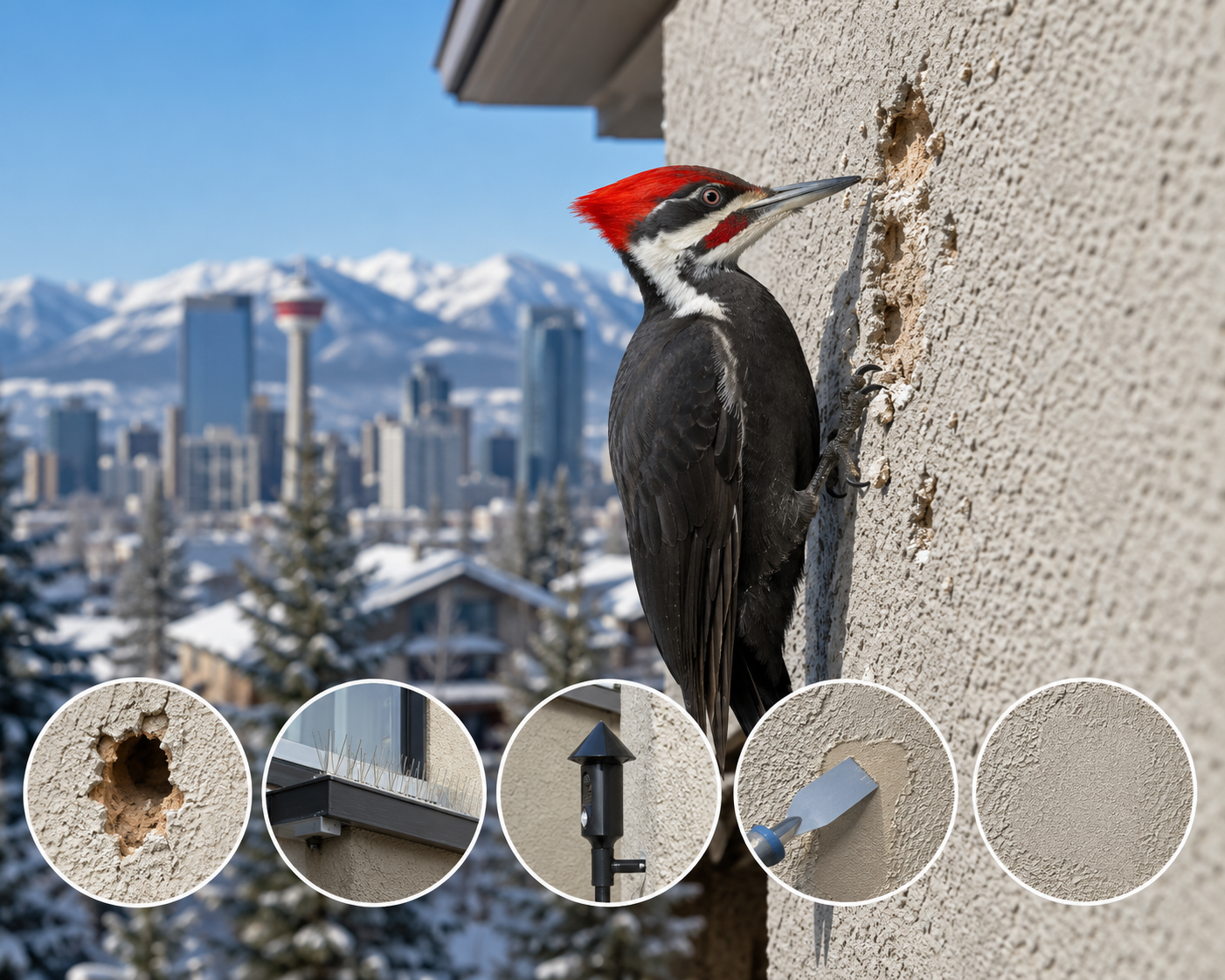
Discovering perfectly round holes in your home’s stucco can be alarming, especially when you realize a woodpecker is responsible. While woodpeckers are naturally associated with trees, they are increasingly targeting stucco homes throughout Calgary and other parts of Alberta. These birds are not trying to damage your property intentionally; they are usually searching for food, creating nesting cavities, or establishing territory. Unfortunately, repeated pecking can leave homeowners with costly repairs and increase the risk of moisture damage if the holes are not repaired promptly.
Why Do Woodpeckers Peck Stucco?
Woodpeckers peck stucco for several reasons, and understanding their behaviour is the first step toward preventing further damage. In many cases, the birds mistake the sound of hollow stucco walls for a dead tree, which would naturally contain insects or provide a suitable nesting location. Some homes also produce echoing sounds that attract woodpeckers during the breeding season, encouraging them to investigate or establish nesting sites.
They May Be Looking for Food
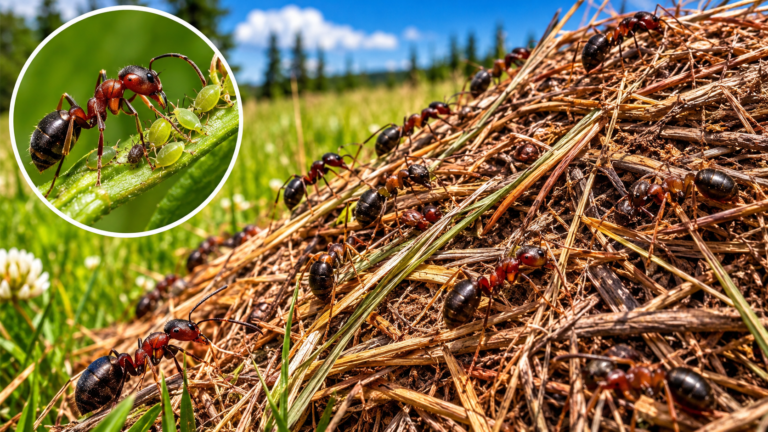
One of the most common reasons woodpeckers peck stucco is to search for insects hidden behind the exterior walls. Carpenter ants, spiders, beetles, wasps, and other insects can sometimes nest within wall cavities or behind siding and stucco finishes. Woodpeckers have exceptional hearing and can detect insect movement beneath surfaces. If insects are present, the birds may repeatedly peck the same location to reach their food source.
They Are Creating a Nesting Cavity
During the spring breeding season, woodpeckers begin searching for safe places to raise their young. Although they naturally excavate cavities in dead or decaying trees, some species adapt to urban environments by creating nesting holes in synthetic stucco, EIFS (Exterior Insulation and Finish Systems), or traditional stucco walls. These materials are often easier to excavate than solid wood, allowing the birds to enlarge a small hole into a nesting cavity over several days.
Territorial Drumming
Not all pecking is related to food or nesting. Male woodpeckers often perform rapid, repetitive pecking known as “drumming” to establish territory and attract mates. Stucco walls, metal flashing, gutters, vents, and chimney caps create loud, resonating sounds that help the birds communicate over long distances. Although drumming usually causes less structural damage than excavation, repeated impacts can still crack stucco finishes over time.
Why Stucco Homes Are Common Targets
Many Calgary homes feature stucco exteriors because they are durable, attractive, and well suited to Alberta’s climate. However, stucco systems—particularly EIFS—can create hollow spaces between the exterior finish and the wall structure. These cavities produce sounds that attract woodpeckers and may also provide easier excavation than solid masonry. Homes located near parks, mature trees, ravines, or natural green spaces are especially vulnerable because woodpeckers are already active in these environments.
What Damage Can Woodpeckers Cause?
Even a single woodpecker hole can lead to significant problems if left unrepaired. Holes allow rainwater, melting snow, and moisture to penetrate behind the stucco, potentially causing mold growth, wood rot, insulation damage, and structural deterioration. Larger openings may also provide entry points for insects, mice, squirrels, and other wildlife seeking shelter inside the wall cavity. Over time, repeated pecking can compromise the appearance and weather resistance of the home’s exterior.
Signs of Woodpecker Damage
Homeowners should inspect their property regularly for signs of woodpecker activity. Common indicators include perfectly round holes in the stucco, scattered pieces of insulation or stucco on the ground, repeated bird activity around the same area, pecking sounds early in the morning, damaged trim, and fresh debris beneath the affected wall. Addressing these signs early can prevent small holes from becoming larger and more expensive to repair.
How to Stop Woodpeckers from Pecking Your Stucco
Preventing woodpecker damage often requires a combination of exclusion, deterrence, and repairs. Visual deterrents such as reflective tape, predator decoys, or moving objects may temporarily discourage birds, although they often become less effective over time. Repairing existing holes quickly is important because woodpeckers frequently return to previously damaged locations. If insects are attracting the birds, professional pest control may also be necessary to eliminate the underlying food source.
Installing protective barriers or exclusion devices in vulnerable areas can help prevent repeated attacks while complying with wildlife protection regulations. Since many woodpecker species are protected under federal legislation, humane and legal solutions should always be used.
Why Professional Stucco Repair Matters
Simply filling a woodpecker hole with caulking or patching compound may not provide a lasting solution. Proper repair involves removing damaged material, restoring the wall structure if necessary, matching the existing stucco texture and colour, and sealing the area against moisture intrusion. Professional repairs restore both the appearance and weather resistance of the home’s exterior while reducing the likelihood of recurring damage.
Can Woodpeckers Be Removed Legally?
Many woodpecker species in Canada are protected under the Migratory Birds Convention Act, making it illegal to harm the birds, destroy active nests, or remove eggs without proper authorization. If woodpeckers have already established a nest, removal may need to wait until the nesting season has ended. Professional wildlife control specialists understand these regulations and can recommend humane, compliant solutions to protect both your home and the birds.
Protect Your Home from Woodpecker Damage
If you’ve noticed woodpeckers pecking your stucco or discovered holes in your home’s exterior, acting quickly can prevent more extensive damage. Professional inspection, humane bird deterrence, insect management where necessary, and expert stucco repair help protect your property from moisture intrusion, structural deterioration, and recurring bird activity.
At Pest Pro Exterminator, we specialize in woodpecker damage solutions for Calgary homeowners, including professional stucco hole repair, colour matching, bird deterrent recommendations, and inspections to identify the cause of the damage. Our goal is to restore your home’s exterior while helping prevent future woodpecker activity with safe, effective, and long-lasting solutions.
Frequently Asked Questions
Why are woodpeckers pecking my stucco?
Woodpeckers may be searching for insects, creating a nesting cavity, or drumming to establish territory and attract mates.
Does pecking mean I have insects in my walls?
Not always. While insects can attract woodpeckers, they may also peck because the stucco sounds hollow or appears suitable for nesting.
Can woodpecker holes cause water damage?
Yes. Even small holes allow rain and melting snow to enter behind the stucco, increasing the risk of mold, wood rot, and structural damage.
Will woodpeckers return after I repair the holes?
They may if the underlying cause is not addressed. Prompt repairs combined with appropriate deterrents and, if necessary, insect control provide the best long-term protection.
Is it legal to remove woodpeckers?
Many woodpecker species are protected in Canada. Humane prevention methods should be used, and active nests should not be disturbed without appropriate authorization.