How to Bird Proof Solar Panels in Calgary: The Complete 2026 Homeowner’s Guide
Table of Contents
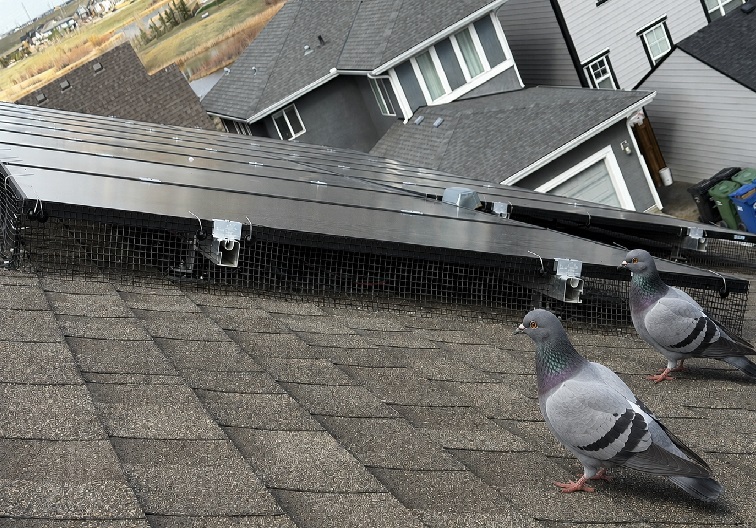
A lot of Calgary homeowners find out they have a bird problem only after the solar system is already installed. The panels go up, everything looks clean, and then pigeons move into the shaded gap underneath like it was built for them. If you are searching for how to bird proof solar panels in Calgary: the complete 2026 homeowner’s guide, the real issue is not just noise or mess. It is protecting your roof, your wiring, and the performance of the system you paid for.
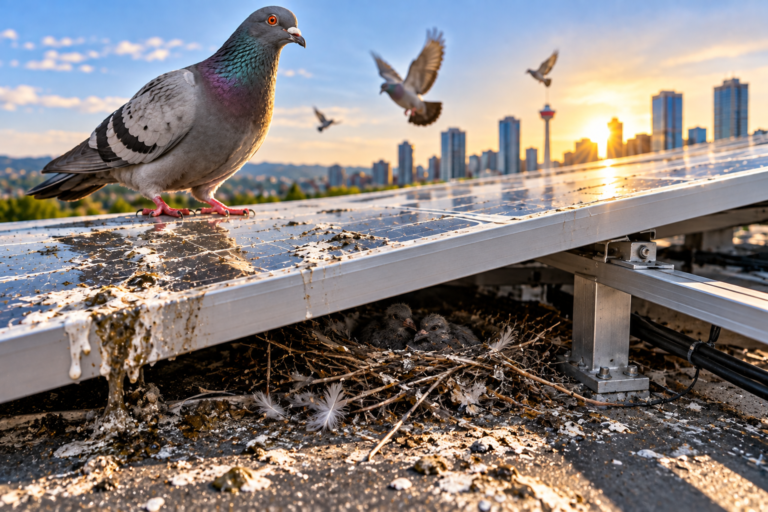
This is one of those problems that gets more expensive the longer it sits. Birds nesting under panels can pack in debris, leave acidic droppings on roofing materials, block airflow, and create recurring sanitation issues around the home. In Calgary, where weather swings are hard on roofing systems already, that extra stress adds up fast.
Why birds target solar panels in Calgary
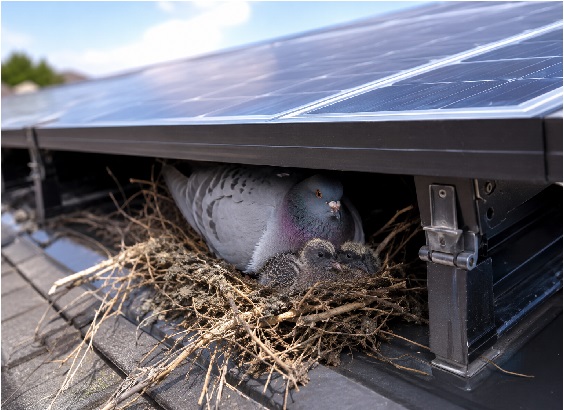
Solar panels create a sheltered pocket that birds love. It is elevated, warm, protected from wind, and difficult for predators to reach. Pigeons are the most common issue, but smaller birds may also investigate the area during nesting season.
Calgary adds a few local factors. Chinook swings, cold snaps, spring nesting activity, and dense urban neighborhoods make rooftop shelter especially attractive. On detached homes, duplexes, and low-rise residential buildings, the space under solar panels can become a reliable roost if it is left open.
Once birds establish the spot, they rarely leave on their own. That is why prevention matters more than repeated cleanup.
How to bird proof solar panels in Calgary without damaging the system
The best solution is exclusion. That means physically blocking access to the gap beneath the panels without drilling into the panels or interfering with airflow. In most cases, the right answer is a professionally fitted coated wire mesh attached around the perimeter of the array with solar-safe clips.
This works because it solves the actual access point. Sprays, visual scare devices, and noise deterrents tend to fail on rooftops, especially with pigeons. Birds get used to them quickly. If the shelter remains open, they usually come back.
A proper solar panel exclusion system should do three things well. It needs to keep birds out, hold up in Calgary weather, and avoid voiding your solar warranty. That last point matters. A bad installation can create a second problem that is just as costly as the birds.
What a proper bird-proofing system includes
Most homeowners do not need a complicated setup. They need the right material, the right fit, and the right timing.
A standard bird-proofing install usually starts with inspection. The goal is to confirm whether birds are only visiting or already nesting, whether droppings have spread onto roofing materials, and whether there are vulnerable points around conduits, edges, or attic-adjacent openings.
If birds are active under the panels, cleanup and nest removal may be needed before exclusion goes in. This step has to be handled carefully. Active nests, eggs, and protected species can change what is legally allowed and when the work can be done. That is one reason DIY jobs often go sideways.
After the area is cleared, mesh is secured around the panel edges. The mesh should be tight enough to block entry but not so restrictive that it traps debris or interferes with drainage. A clean install should look discreet from the ground and should not rattle, sag, or pull loose in wind.
The DIY question: when it makes sense and when it does not
Some homeowners look at the panel edges and assume this is an easy weekend job. Sometimes it is. Often it is not.
If your roof is low-slope, easy to access, birds have not nested yet, and your solar manufacturer clearly allows non-invasive edge mesh systems, a careful DIY install may be possible. You still need the right materials, fall safety equipment, and enough precision to avoid loose sections.
Where DIY stops making sense is when there is existing nesting, heavy droppings, a steep roof, second-story access, electrical concerns, or uncertainty about warranty restrictions. It also becomes a poor gamble when homeowners start mixing random hardware cloth, zip ties, adhesives, or screws. Improvised fixes can fail in one season or damage the installation.
For most Calgary homeowners, the biggest risk is not doing the work. It is doing partial work. If even a small section remains open, birds will find it.
Signs your solar panels already need bird exclusion
You do not need to see birds every day to have a problem. There are usually early clues.
A steady buildup of droppings along siding, patios, walkways, or the garage roof is one common sign. Scratching, cooing, or fluttering under the panels early in the morning is another. You may also notice twigs sticking out from under the array, feathers collecting near downspouts, or an unusual smell near the home.
At a more advanced stage, nests can clog drainage paths and lead to wet debris buildup. That creates sanitation issues and can attract insects as well. On some properties, bird activity around the panels overlaps with wasp nesting nearby because sheltered roofline areas stay undisturbed for too long.
Timing matters more than most homeowners expect
The easiest time to bird proof solar panels is before birds settle in. The second-best time is immediately after the first signs of activity. Waiting until peak nesting season complicates removal and can delay full exclusion if active nests are present.
In Calgary, spring is the season when many of these issues start, but fall is also a smart time for preventative work. Homeowners who install solar late in the season often assume they can deal with exclusion later. That is how many spring infestations begin.
If you are planning a new solar installation, ask about bird proofing at the same time. It is simpler and often more cost-effective to protect the array before pigeons test it.
How much bird proofing solar panels costs in Calgary
Cost depends on roof height, array size, accessibility, and whether cleanup is required first. A clean preventative install costs less than a job involving established nesting, waste removal, and damaged material underneath.
The cheapest quote is not always the best value. If the mesh is thin, poorly coated, loosely attached, or installed without attention to the panel perimeter, you may end up paying twice. The goal is a system that lasts through Calgary wind, snow, and seasonal expansion and contraction.
Homeowners should also think beyond the install price. Bird droppings, recurring cleanup, clogged eaves, damaged roof components, and reduced system efficiency can cost far more over time than proper exclusion.
Common mistakes to avoid
The first mistake is relying on deterrents instead of exclusion. Plastic owls, reflective strips, and ultrasonic devices rarely solve a settled pigeon problem on a roof.
The second is sealing birds in. If mesh goes up while birds or nesting material are still active underneath, you can create trapped animals, odor issues, and legal complications.
The third is using materials that were never designed for solar systems. Sharp-edged metal, corrosive fasteners, and drilled attachments can damage panel frames or create warranty disputes.
The fourth is ignoring cleanup. Even after birds are excluded, droppings and nesting debris should be removed properly. Leaving contaminated material in place keeps odors around and can continue attracting pests.
When to call a professional
If birds are already established under the panels, professional help is usually the fastest path to a real fix. The same goes for multi-story homes, complex rooflines, commercial buildings, or properties where safety and liability matter.
A qualified bird exclusion service should inspect the site, explain the access points clearly, remove nesting material where legally permitted, sanitize affected areas if needed, and install a solar-safe barrier designed to last. In a city like Calgary, local experience matters because weather exposure, housing styles, and bird pressure vary more than many homeowners expect.
For homeowners who want the problem handled without trial and error, this is where a local company like Pest Pro Exterminator can add value. Fast response, targeted exclusion, and prevention-focused service are what keep a nuisance from becoming repeat roof damage.
A smart 2026 approach for Calgary homeowners
Bird proofing is no longer an optional add-on for many solar owners. It is basic asset protection. If your panels are open underneath, birds will eventually test that space. The real question is whether you stop it early or pay more after nesting begins.
If you are looking at your roof and wondering whether the issue is minor, treat that as your window to act. A clean exclusion job done at the right time protects the panels, the roof, and the home underneath them. That is money better spent than another season of droppings, noise, and cleanup.
Frequently Asked Questions (FAQ)
1. Why do birds nest under solar panels?
Solar panels provide warmth, shade, and protection from predators, making them an ideal nesting area for pigeons and other birds.
2. Can birds damage my solar panel system?
Yes. Birds can damage wiring, block airflow, create nesting debris, and leave droppings that reduce panel efficiency and cause roof damage.
3. What is solar panel bird-proofing?
Bird-proofing involves installing protective mesh or exclusion barriers around the edges of solar panels to prevent birds from accessing the space underneath.
4. Does bird-proofing affect solar panel performance?
No. Properly installed bird-proofing does not interfere with solar energy production and can actually improve efficiency by reducing debris buildup.
5. How do I know if birds are nesting under my panels?
Common signs include frequent pigeon activity, feathers, droppings, nesting material, noise from the roof, and visible debris around the solar array.
6. Is it safe to remove bird nests myself?
DIY removal can be risky due to roof safety, electrical hazards, and potential wildlife regulations. Professional removal is the safest option.
7. How much does bird-proofing solar panels cost in Calgary?
Costs depend on the size of the solar array, roof accessibility, cleanup requirements, and the type of exclusion system installed.
8. Can pigeons return after bird-proofing?
If the system is professionally sealed and all nesting materials are removed, pigeons are far less likely to return.
9. Do solar panels need cleaning before bird-proofing?
Yes. Cleaning and nest removal are usually recommended before installing protective mesh to remove droppings and debris.
10. When should I bird-proof my solar panels?
The best time is before birds start nesting or immediately after noticing pigeon activity to prevent damage and long-term contamination.