Calgary Apartment Bed Bug Laws: A Guide to Tenant and Landlord Rights (2026)
Table of Contents
A bed bug complaint in an apartment building rarely stays contained to one unit. What starts as a few bites on one mattress can quickly turn into a building-wide problem if nobody acts fast. That is why Calgary apartment bed bug laws: a guide to tenant and landlord rights (2026) matters to both renters and property owners. The legal side is not just paperwork. It affects who must respond, how quickly treatment happens, who gets access to the unit, and what each side has to do to stop the infestation from spreading.
This is not legal advice, and bed bug disputes can turn on the facts. Still, the basic framework in Alberta is clear enough to guide smart decisions. In most cases, landlords must keep rental premises in a condition that meets health and housing standards, and tenants must keep the unit reasonably clean, report problems promptly, and cooperate with treatment.
What Calgary apartment bed bug laws mean in practice
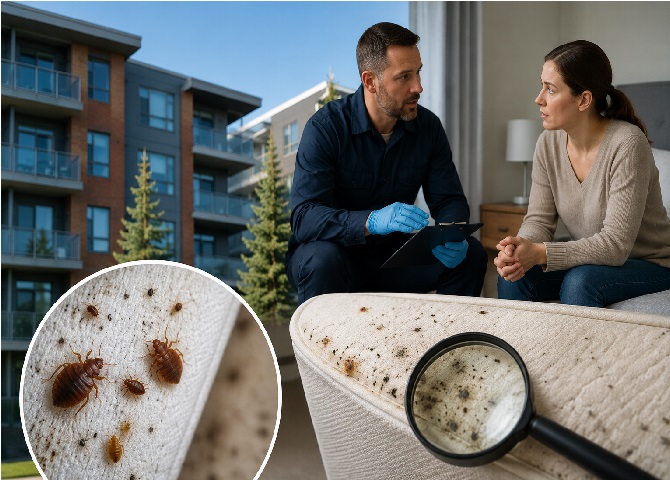
For most apartment situations in Calgary, bed bug responsibility is shared, but not equally in every respect. Landlords generally carry the main duty to maintain habitable rental property and arrange proper pest control when an infestation is confirmed or reasonably suspected. Tenants are expected to report the issue as soon as they notice signs such as bites, live bugs, dark spotting, shed skins, or bugs moving between baseboards and furniture.
That split matters. A landlord usually cannot ignore a credible report and wait for the issue to get worse. A tenant usually cannot stay silent for weeks, keep bringing secondhand items into the unit, or refuse entry for inspection and then claim nothing is their responsibility. In apartment buildings, delay is expensive. Bed bugs travel through walls, hallways, electrical penetrations, shared laundry areas, and neighboring furniture.
Alberta rental and public health rules do not usually give a simple one-line answer to every cost dispute. Instead, they focus on whether the property was maintained properly and whether each party acted reasonably. If a landlord responds quickly, hires qualified professionals, and gives proper notice for entry, that is usually the right direction. If a tenant reports early, follows prep instructions, and avoids behavior that worsens the issue, that also strengthens their position.
Tenant rights during a bed bug infestation in Calgary apartments
Tenants have the right to live in premises that meet minimum standards. A bed bug infestation can interfere with that, especially when it spreads, causes loss of sleep, or makes a unit unsuitable for normal use. In practical terms, tenants can expect the landlord to investigate and take meaningful action rather than offering guesswork or a one-time spray with no follow-up.
Tenants also have the right to clear communication. That means knowing when inspection is scheduled, what preparation is required, whether neighboring units will be checked, and what follow-up treatment is expected. In apartments, isolated treatment of one unit often fails. A serious response usually includes adjacent units and common risk areas.
Another key right is privacy balanced against lawful entry. Landlords cannot simply walk in whenever they want because bed bugs are urgent. They still generally need to follow entry rules unless there is a valid emergency or the tenant agrees otherwise. At the same time, once proper notice is given, a tenant cannot block access if inspection or treatment is reasonably necessary.
If the landlord does not act, tenants may have options through provincial dispute processes or by contacting the appropriate health or standards authorities where conditions fall below required standards. The strength of that complaint usually depends on records. Photos, written reports, dates of bites, and copies of notices matter.
Landlord rights and duties under Calgary apartment bed bug laws
Landlords have a duty to respond, but they also have rights that matter during treatment. They can require reasonable cooperation from tenants. That includes access for inspection, access for treatment, and compliance with preparation instructions such as laundering, reducing clutter, bagging items, moving furniture, or avoiding unapproved pesticide use.
This point gets overlooked. Professional bed bug control fails all the time because the service was poor, but it also fails because the prep was incomplete or neighboring units were missed. A landlord is allowed to protect the wider building from that kind of breakdown. If one tenant refuses access or repeatedly ignores prep requirements, the landlord may have stronger grounds to pursue enforcement through the tenancy process.
Landlords also have a right to use qualified pest control professionals and insist on building-wide protocols where needed. In multi-unit housing, bed bugs are not just a private in-unit issue. They are a property management and health standards issue. A proper plan may involve repeated inspections, follow-up visits, mattress encasements, interceptors, tenant education, and treatment of surrounding units.
As for cost recovery, it depends. Many infestations are treated as part of the landlord’s maintenance obligations, especially where the source is uncertain or spread has occurred between units. But if a landlord can prove a tenant caused or seriously worsened the problem through negligence or non-cooperation, the landlord may try to recover losses. Proof matters. Assumptions usually do not.
Who pays for bed bug treatment in a Calgary apartment?
This is the question people ask first, and the honest answer is that it depends on the facts. In many Calgary apartment cases, the landlord pays for the professional treatment because pest control in a multi-unit building is tied to habitability and building maintenance. That is the safest operational approach too. Quick action limits spread, protects neighboring tenants, and reduces long-term cost.
But payment disputes come up when a tenant delays reporting, refuses treatment access, brings in heavily infested items after notice, or does not follow written prep steps. Even then, the landlord should still focus first on getting the infestation under control. Arguing about fault while bed bugs spread through a building is usually the most expensive option available.
For tenants, the better approach is simple. Report early, keep every message in writing, follow every prep instruction, and ask questions before treatment day if anything is unclear. For landlords, document every complaint, every inspection date, every notice served, every contractor report, and every missed prep item. Clear records reduce conflict.
Common dispute points and how they usually play out
Most bed bug disputes are not really about the bugs. They are about delay, access, communication, and documentation. A tenant says the landlord ignored the problem. The landlord says the tenant never reported it properly. A tenant says treatment failed. The landlord says the prep was not done. Both things can be true in the same case.
The practical standard is reasonableness. Did the landlord arrange competent inspection and follow-up in a timely way? Did the tenant report promptly and cooperate fully? Was the treatment plan designed for an apartment building rather than a single isolated room? Those questions often matter more than guessing where the first bug came from.
There is also a trade-off between speed and thoroughness. Fast action is critical, but rushed, incomplete treatment often leads to repeat infestations. Heat, chemical treatment, steam, vacuuming, monitoring, and unit-to-unit inspection all have a place depending on the building, clutter level, infestation severity, and resident cooperation. No serious professional should pretend there is one perfect method for every property.
How to protect your position if you are a tenant or landlord
If you are a tenant, report suspected bed bugs in writing the same day you notice signs. Take clear photos if you can safely do so. Do not spray random over-the-counter products and hope for the best. That can scatter the infestation and make treatment harder. Follow prep instructions exactly and keep receipts if you incur laundry or related costs that may later matter in a dispute.
If you are a landlord or property manager, treat every report as time-sensitive. Inspect quickly, communicate clearly, and hire licensed professionals who understand apartment-wide bed bug control, not just one-unit spot treatment. In Calgary, local experience matters because the real challenge is not killing exposed bugs. It is stopping the cycle across adjoining units and preventing reintroduction.
A company such as Pest Pro Exterminator can help on the operational side with inspection, treatment, follow-up, and practical prevention planning, but even the best pest control program works better when the legal and communication side is handled properly.
The smartest move for both sides is to act before the issue turns into a formal dispute. Bed bugs are hard enough to eliminate when everyone cooperates. When notice is missed, access is delayed, or records are sloppy, the infestation usually lasts longer than it should. Clear communication, quick response, and professional treatment are what protect your rights best when the bugs show up.
Frequently Asked Questions (FAQ)
Who is responsible for bed bug treatment in Calgary apartments?
In most cases, landlords are responsible for ensuring rental properties are safe, habitable, and free from pest infestations, including bed bugs. Alberta housing standards require landlords to address infestations promptly after being notified.
Can a tenant be charged for bed bug treatment?
A tenant may be held financially responsible if there is clear evidence they caused the infestation or failed to follow treatment preparation instructions. However, the landlord usually arranges and pays for the initial treatment first.
What should tenants do if they find bed bugs?
Tenants should report the infestation to their landlord in writing immediately, keep records of communication, and follow all preparation instructions from the pest control company to help eliminate the infestation.
Can a landlord evict a tenant for reporting bed bugs?
No. In Alberta, tenants are protected from retaliation for reporting health and safety concerns, including bed bug infestations, to landlords or public health authorities.
How quickly must a landlord respond to a bed bug complaint?
There is no exact timeline written into Alberta law, but landlords are expected to act promptly and reasonably to resolve the infestation to maintain minimum housing standards.
Can bed bugs spread to neighboring apartments?
Yes. Bed bugs can travel through wall voids, electrical outlets, plumbing lines, and shared hallways, which is why apartment-wide inspections are often necessary.
Do tenants have to prepare their apartment before treatment?
Yes. Preparation is critical for successful treatment. This may include laundering clothes, decluttering, moving furniture, and vacuuming. Failure to prepare may delay treatment or increase costs.
Can tenants break a lease because of bed bugs?
In some cases, if the landlord fails to address a serious infestation and the unit becomes uninhabitable, tenants may seek legal remedies or apply through Alberta’s Residential Tenancy Dispute Resolution Service (RTDRS).
Who pays if bed bugs spread from another unit?
Generally, the landlord remains responsible for treatment because bed bugs in multi-unit buildings often spread between suites and are considered a building-wide issue.
Do you provide apartment bed bug treatment in Calgary?
Yes. Pest Pro Exterminator offers professional bed bug inspections, treatments, and multi-unit apartment programs in Calgary, helping landlords and tenants manage infestations quickly and effectively.
Best placement:
Add this FAQ section near the bottom of your article, before your contact form or call-to-action. This improves on-page SEO and can help your article rank for searches like Calgary bed bug laws, tenant rights bed bugs Alberta, and landlord bed bug responsibilities Calgary.