Ant Pest Removal in Calgary: The Complete Homeowner’s Reference
Table of Contents
You usually do not notice an ant problem in Calgary when it starts. You notice it when the line appears – along a baseboard, under the sink, or across the garage floor – and suddenly a small nuisance feels like a property-wide issue. This guide to ant pest removal in Calgary: the complete homeowner’s reference is built for that moment, when you need clear answers, practical next steps, and a plan that actually works.
For effective ant pest removal in Calgary: the complete homeowner’s reference, understanding the behavior and entry points of ants is crucial.
Why ant problems in Calgary get out of hand fast
Ant pest removal in Calgary: the complete homeowner’s reference emphasizes the importance of early intervention.
Ant Pest Removal in Calgary: The Complete Homeowner’s Reference
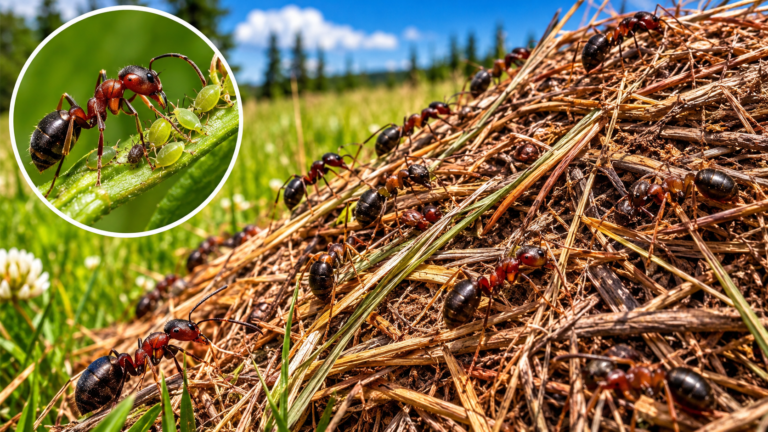
Ants are easy to underestimate because most of what you see is not the colony. The ants on your counter are foragers. Their job is to locate food and bring the rest of the colony to it. If conditions are right, that traffic can build quickly, especially in spring and summer when colonies are active and moisture, heat, and food sources shift around the home.
Utilizing insights from ant pest removal in Calgary: the complete homeowner’s reference can drastically improve your control measures.
Calgary homes also create ideal ant conditions in ways owners do not always expect. A warm foundation, damp window wells, mulch against the house, pet food left out, and small gaps around utility lines can all work together. In newer communities and older neighborhoods alike, ants only need a narrow entry point and a reason to stay.
To follow this ant pest removal in Calgary: the complete homeowner’s reference, you must identify the specific ant species.
That is why one-time spray solutions often disappoint. Killing visible ants can reduce activity for a day or two, but if the nest remains active, the problem usually returns. Real control depends on identifying the species, tracking where activity begins, and treating the source rather than the symptom.
Ant pest removal in Calgary starts with the right ID
Not every ant behaves the same way, and treatment changes depending on what is present. Homeowners often refer to all indoor ants as one problem, but there is a meaningful difference between nuisance ants trailing through a kitchen and ants that may be nesting in damp, damaged wood.
Understanding common mistakes in ant pest removal in Calgary: the complete homeowner’s reference can save you time and effort.
Carpenter ants are one of the biggest concerns in Calgary. They do not eat wood the way termites do, but they excavate it to build galleries. That means they are often associated with moisture issues, water-damaged framing, leaking windows, poorly ventilated attics, or wet areas around decks and door frames. If you are seeing larger black ants indoors, especially near moisture-prone areas, that deserves a closer look.
Other common ants are more focused on food access. These species may nest outside and enter homes in search of sugars, grease, crumbs, or water. They can be persistent, especially when outdoor colonies establish reliable trails into kitchens, pantries, basements, and utility spaces.
This is where homeowners sometimes lose time. If the species is misidentified, the control plan may target the wrong area, use the wrong bait, or miss a satellite colony entirely.
Where ants usually show up first
Most indoor ant calls begin in predictable places. Kitchens are obvious because food and moisture are available. Bathrooms are common for the same reason. Basements and utility rooms matter because they often stay cooler, darker, and slightly damp. Garages can also become staging points, especially when cracks, stored items, and exterior wall penetrations give ants cover.
This is aligned with ant pest removal in Calgary: the complete homeowner’s reference, ensuring proper identification leads to effective strategies.
By committing to the tactics in ant pest removal in Calgary: the complete homeowner’s reference, you will enhance your home environment.
It’s vital to align your strategies with the ant pest removal in Calgary: the complete homeowner’s reference to ensure effectiveness.
With each application of ant pest removal in Calgary: the complete homeowner’s reference, you can achieve better results.
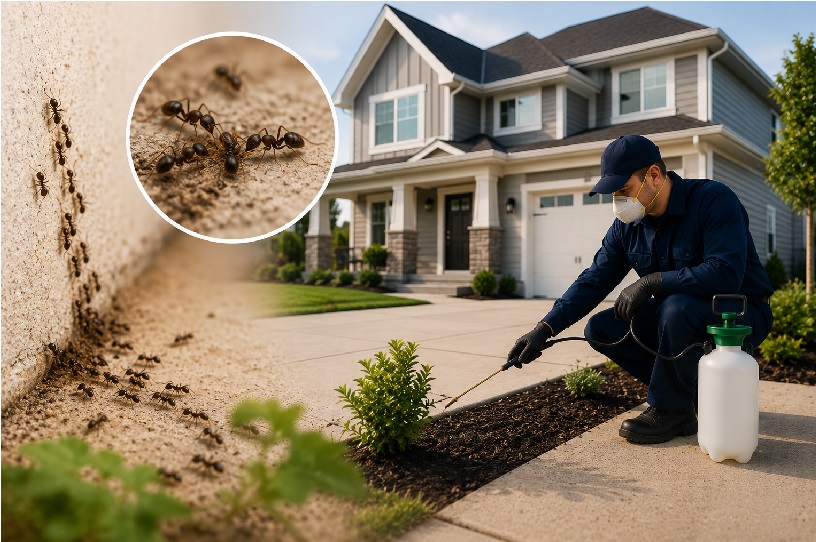
Outside, activity often starts near the foundation, under stones, beside sidewalks, around decks, in mulch beds, and near window wells. Ants can also use tree branches, fences, and utility pathways to move closer to the structure. In some cases, homeowners clean thoroughly indoors and still see activity because the main issue is established just outside the home envelope.
If ants are appearing on upper floors, the source is not always directly outside that room. They may be traveling through wall voids, around plumbing, or along wiring routes. That is one reason surface-level treatment alone can miss the real nest location.
What homeowners can do right away
Learning from the ant pest removal in Calgary: the complete homeowner’s reference can help you avoid common pitfalls.
Remember, ant pest removal in Calgary: the complete homeowner’s reference is your best resource for information.
The first priority is to reduce what is attracting them. Wipe up trails, but do not rely on that alone. Clean food residue from counters, backsplashes, garbage areas, and under appliances. Store dry goods in sealed containers if activity is near the pantry. Pet food should not sit out overnight during an active infestation.
Moisture control matters just as much. Check under sinks, around dishwashers, near basement plumbing, and at exterior hose connections. Even small leaks can support repeated ant activity. Outside, move mulch back from the foundation if it is piled too close, and keep vegetation from touching the home where possible.
Sealing entry points helps, but timing matters. If you seal too early without addressing the colony, ants may simply redirect to another opening inside the same wall system. Exclusion works best as part of a broader treatment and prevention plan, not as a stand-alone fix after ants are already established.
What usually does not work
Spray cans from the hardware store can kill ants on contact, but that is not the same as control. In some cases, aggressive repellent sprays make the problem harder to solve because they split foraging patterns or push ants into new routes. Homeowners then see ants in more rooms and assume the infestation is getting bigger overnight.
Over-the-counter baits can help, but only if the product matches the species and feeding preference. Ants do not all want the same food source at the same time. Some are drawn to sugars, others to proteins or fats, and preferences can shift during the season. If the wrong bait is used, ants may ignore it completely.
In conclusion, consistent application of ant pest removal in Calgary: the complete homeowner’s reference leads to effective management.
Another common mistake is removing every visible ant immediately when baiting starts. It is understandable, but bait works by letting workers carry material back to the colony. If the product is appropriate and placed correctly, short-term visible activity can actually be part of the solution.
This guide on ant pest removal in Calgary: the complete homeowner’s reference will help you tackle your ant problems effectively.
When professional ant pest removal in Calgary makes sense
Following guidelines from ant pest removal in Calgary: the complete homeowner’s reference can enhance your control efforts.
When considering your options, refer to ant pest removal in Calgary: the complete homeowner’s reference for comprehensive advice.
Involving professional services in the ant pest removal in Calgary: the complete homeowner’s reference can yield quicker results.
If ants keep returning after cleaning, if activity is spreading to multiple areas, or if you suspect carpenter ants, it is time for a professional inspection. The same applies if you live in a duplex, townhouse, apartment building, or multi-unit property where colonies may be moving between connected spaces.
Certainly, a proactive approach in ant pest removal in Calgary: the complete homeowner’s reference is essential for long-term success.
In this context, ant pest removal in Calgary: the complete homeowner’s reference highlights the local conditions that affect ant activity.
Your understanding of ant pest removal in Calgary: the complete homeowner’s reference can prevent future infestations.
A proper service visit should not start with guesswork. It should begin with inspection, species assessment, and a clear explanation of where activity is likely originating. From there, treatment should be targeted to the pest and the structure. That may include baits, non-repellent materials, exterior perimeter work, void treatments in select areas, and practical recommendations to reduce reinfestation risk.
For landlords and property managers, speed matters, but consistency matters more. If one unit is treated and adjacent contributing conditions are ignored, the issue can continue. Ant control in shared or commercial settings works best when it is approached as a property management issue, not just a one-room cleanup.
Understanding that ant pest removal in Calgary: the complete homeowner’s reference is an ongoing process is key to long-term success.
What a long-term solution looks like
We encourage all homeowners to refer back to the ant pest removal in Calgary: the complete homeowner’s reference as needed.
Finally, the knowledge from ant pest removal in Calgary: the complete homeowner’s reference will empower your pest management approach.
Long-term ant control is usually a combination of treatment and correction. Treatment reduces or eliminates active colonies. Correction makes the property less attractive and less accessible over time. That may mean fixing moisture problems, improving drainage, replacing damaged wood, adjusting landscaping, sealing entry points after activity is addressed, and maintaining better sanitation around high-risk areas.
This is where Integrated Pest Management matters. A prevention-focused plan does more than knock down active ants. It looks at why they were able to establish in the first place. For Calgary homeowners, that local perspective matters because seasonal thaw, dry periods, sudden rain, and construction patterns can all change pest pressure around the home.
A company with local experience will also know when recurring ant problems point to a hidden structural condition. Carpenter ants, in particular, can be a warning sign. They do not always mean major damage is present, but they do mean the structure deserves attention where moisture and wood meet.
Thus, relying on the principles of ant pest removal in Calgary: the complete homeowner’s reference ensures effective management.
Pest Pro Exterminator approaches ant problems the same way experienced homeowners do – solve the active issue, correct the conditions behind it, and reduce the chance of a repeat call a few weeks later.
Safety, pets, and family concerns
Most homeowners are not just asking whether ant control works. They are asking whether it is being done responsibly around kids, pets, and daily routines. That is a fair question. Professional treatment should be targeted, label-compliant, and explained clearly before work begins.
Consulting the ant pest removal in Calgary: the complete homeowner’s reference is a wise decision for every homeowner.
Using the strategies outlined in ant pest removal in Calgary: the complete homeowner’s reference can simplify your efforts.
The safest and most effective approach is not always the heaviest application. In many cases, precision matters more than volume. Proper placement, species-specific products, and controlled treatment zones generally produce better results than broad, unnecessary spraying.
If you have pets, children, or sensitive occupants in the home, raise that during booking and inspection. A professional should account for that in the treatment plan and provide direct preparation or re-entry guidance.
Ultimately, the success of your approach to ant pest removal in Calgary: the complete homeowner’s reference will depend on your execution.
The right next step depends on what you are seeing
A few ants near a doorway after a weather change may be a simple exterior issue. Repeated trails in the kitchen, garage, and basement suggest something more established. Large ants near damp wood, window frames, or structural areas deserve faster attention.
The main thing is not to wait for a small, visible trail to confirm itself over weeks. Ant infestations are easier to control when the colony pattern is still limited and the source can be tracked early. If the activity is repeating, spreading, or tied to moisture, act on it while the solution is still straightforward.
A good ant control plan should leave you with fewer questions, not more. When the cause is identified properly and the treatment matches the problem, ant removal stops feeling like a cycle and starts feeling solved.
Frequently Asked Questions (FAQ)
1. What types of ants are most common in Calgary homes?
Calgary homeowners commonly deal with pavement ants, carpenter ants, pharaoh ants, and odorous house ants. Each species behaves differently and may require specific treatment methods.
2. Why do ants keep coming back after I spray them?
Most DIY sprays only kill the ants you see. The main colony and queen usually remain hidden, allowing the infestation to continue or even spread through colony splitting.
3. Can ants damage my home?
Yes. Carpenter ants can tunnel through wood and weaken structural materials over time, especially in moist or damaged wood areas.
4. How do ants get inside my house?
Ants often enter through foundation cracks, utility lines, window gaps, attic vents, and door seals while searching for food and moisture.
5. What attracts ants to kitchens and bathrooms?
Food crumbs, sugary spills, grease, moisture, leaking pipes, and pet food are common attractants that draw ants indoors.
6. Are DIY ant baits effective?
DIY baits may help with small infestations, but choosing the wrong bait type or applying it incorrectly can make the problem worse or fail to eliminate the colony.
7. How long does professional ant treatment take?
Most professional ant treatments show noticeable results within a few days, with full colony elimination often taking one to two weeks depending on infestation size.
8. Are professional ant treatments safe for pets and children?
Yes. Licensed pest control companies use approved products and provide safety instructions to ensure treatment areas remain safe for families and pets.
9. How can I prevent ants from coming back?
Seal entry points, keep food stored properly, clean up spills quickly, fix water leaks, and maintain exterior pest barriers around your home.
10. When should I call a professional for ant removal?
If ant trails keep returning, you suspect carpenter ants, or the infestation spreads to multiple rooms, professional pest control is the best solution for complete elimination.