What Do Bed Bug Bites Look Like? A 2026 Identification Guide
Table of Contents
You wake up with three itchy marks on your arm, and suddenly the whole room feels suspicious. That reaction is common. If you are searching what do bed bug bites look like? a 2026 identification guide, the first thing to know is this: bites can be a clue, but they are not proof by themselves.
Knowing what do bed bug bites look like? A 2026 identification guide is crucial for identifying these pests early.
In understanding what do bed bug bites look like? A 2026 identification guide, it’s important to note that they can sometimes appear similar to other insect bites.
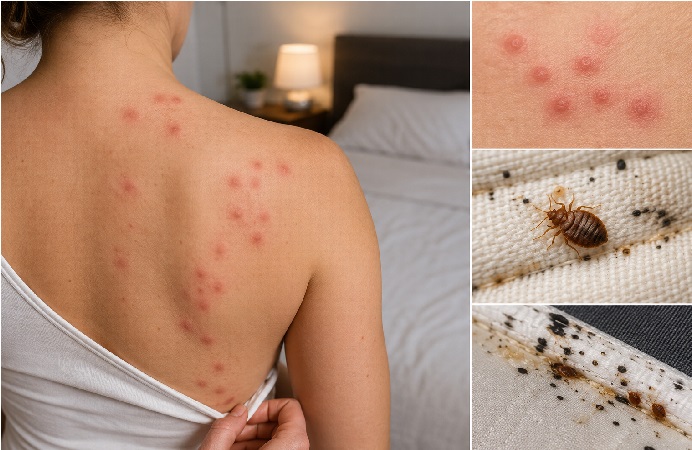
Bed bug bites are often small, red, itchy welts that appear in clusters, rows, or zigzag patterns on exposed skin. Common areas include the arms, shoulders, neck, hands, lower legs, and face. Many people describe them as looking similar to mosquito bites at first, but bed bug bites tend to show up in grouped patterns rather than as isolated bumps.
That said, not every person reacts the same way. Some people develop obvious swollen marks within hours. Others show almost no reaction at all. In shared homes, apartments, or hotels, one person may have severe itching while another has no visible signs despite being bitten. That is one reason bed bugs are so often misidentified.
What do bed bug bites look like on skin?
When referring to what do bed bug bites look like? A 2026 identification guide, remember the size and color variations that may occur.
To summarize what do bed bug bites look like? A 2026 identification guide is key for anyone facing potential infestations.
Identifying what do bed bug bites look like? A 2026 identification guide can help differentiate them from other skin issues.
For clarity, what do bed bug bites look like? A 2026 identification guide provides essential insights for homeowners.
What Do Bed Bug Bites Look Like? A 2026 Identification Guide
In most cases, bed bug bites are raised red bumps with a darker center or a slightly inflamed halo around them. The size can vary from a small pinpoint mark to a larger welt, especially if the area has been scratched. Fresh bites may look bright red, while older ones can fade to a flatter pink or brownish mark as the skin heals.
The pattern matters as much as the bump itself. Bed bugs often feed more than once in the same general area. That can create a line of two or three bites, sometimes called the “breakfast, lunch, and dinner” pattern. It is not a guarantee, but it is a common presentation.
Location also helps. Bed bugs usually bite exposed skin during sleep. If marks are appearing mostly under tight clothing, under socks, or in areas that were well covered overnight, another cause may be more likely. Fleas, allergic rashes, contact irritation, and even hives can look surprisingly similar.
Understanding what do bed bug bites look like? A 2026 identification guide is beneficial for those living in multi-unit dwellings.
Consult the guide for specifics on what do bed bug bites look like? A 2026 identification guide will help you identify symptoms.
Confirming what do bed bug bites look like? A 2026 identification guide ensures you are aware of all potential signs.
Why bed bug bites are easy to confuse with other bites
For accurate assessments, refer back to what do bed bug bites look like? A 2026 identification guide for context.
This is where many people get stuck. Bed bug bites can resemble mosquito bites, flea bites, allergic reactions, or skin irritation from detergents and fabrics. There is no single bite shape that confirms bed bugs with certainty.
Mosquito bites are often more random and larger at the start. Flea bites are usually concentrated around the ankles and lower legs, especially in homes with pets. Hives tend to shift, spread, and change shape more quickly than insect bites. Contact dermatitis often creates broader patches instead of distinct bite-like bumps.
The biggest practical difference is context. Bed bug bites often appear after sleeping, repeat over several nights, and affect exposed skin. If new marks keep showing up in the morning, especially in lines or small clusters, bed bugs move higher on the list of suspects.
Common symptoms besides the bite marks
Itching is the most reported symptom, but the intensity varies. Some bites are mildly irritating. Others become very itchy and inflamed, especially after scratching. In more sensitive people, the skin can become swollen, hot, and irritated enough to look worse than the original bite would suggest.
By reviewing what do bed bug bites look like? A 2026 identification guide, you can better protect yourself from bites.
To ensure safety, learn what do bed bug bites look like? A 2026 identification guide will clarify your concerns.
When you think about what do bed bug bites look like? A 2026 identification guide serves as an essential reference.
Using what do bed bug bites look like? A 2026 identification guide can expedite your identification process greatly.
Utilize what do bed bug bites look like? A 2026 identification guide for thorough inspections in your home.
A few people experience delayed reactions. They may not notice bites until a day or two later. That delay can make it harder to connect the marks to a specific bed, room, or overnight stay.
There is also the stress factor. Once people suspect bed bugs, every itch starts to feel meaningful. That anxiety is real, and it can make harmless skin changes seem more alarming. The best way to stay accurate is to look at both the skin signs and the physical evidence in the room.
What do bed bug bites look like in 2026 compared with older advice?
The answer is mostly the same, but identification advice has become more practical. In 2026, the better approach is not to rely on photos alone. Online images often show only the most dramatic reactions, which can be misleading. Real-world bed bug bites can be subtle, uneven, and easy to dismiss.
Current guidance also puts more emphasis on the full pattern of evidence. A few itchy bumps are not enough to call it a bed bug problem. You need to consider timing, bite placement, repeated exposure, and signs in the sleeping area. That includes dark spotting on sheets or mattress seams, shed skins, tiny pale eggs, or live bugs hiding near beds and upholstered furniture.
In other words, bites are part of the picture, not the whole case.
When bites may not show up at all
One of the most frustrating parts of bed bug identification is that some people show little to no skin reaction. A home can have active bed bugs, and one resident may have visible rows of bites while another has completely clear skin.
This matters for families, landlords, and property managers. If one tenant reports bites and another says they have none, that does not rule bed bugs out. It may simply mean the reactions are different. In multi-unit buildings, relying only on who has marks can delay proper inspection and allow the infestation to spread.
How to tell if the marks are serious enough to need medical attention
Most bed bug bites are not dangerous, but they can become a medical issue if the skin is heavily scratched or infected. Watch for increasing redness, warmth, pus, worsening swelling, or pain that feels out of proportion to a simple itchy bump. Those signs may point to secondary infection.
If someone has trouble breathing, widespread swelling, or a severe allergic response, get medical help right away. That kind of reaction is less common, but it should not be ignored.
For routine cases, the bigger concern is usually the infestation itself. Bed bugs do not go away because the bites are treated. Skin creams may reduce itching, but they do not solve the source.
What to check in the room if you suspect bed bugs
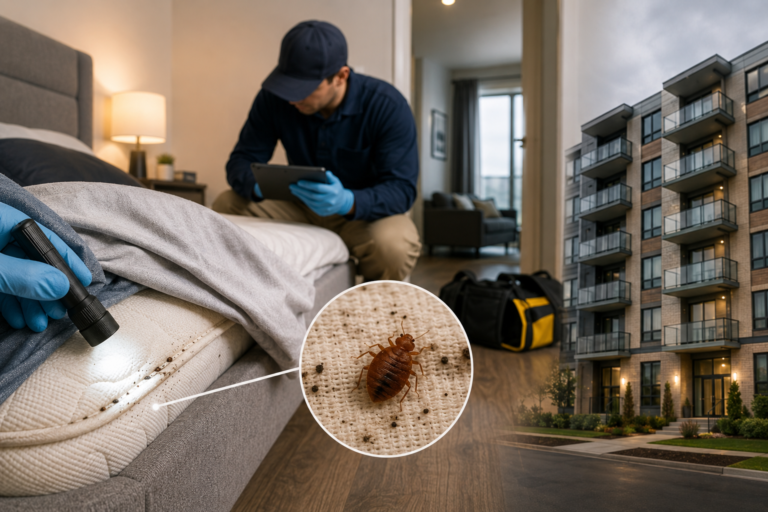
If the bites seem consistent with bed bugs, inspect the sleeping area carefully. Start with mattress seams, box springs, bed frames, headboards, nightstands, and the edges of upholstered furniture. Bed bugs like tight cracks and dark protected spaces close to where people rest.
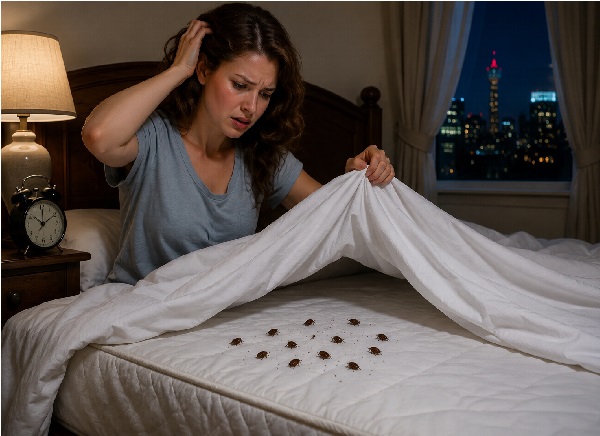
Look for small reddish-brown bugs, tiny white eggs, shed skins, and black fecal spotting that looks like ink dots. You may also notice blood smears on sheets from crushed bugs after feeding. Not every infestation is obvious, especially early on, but physical signs matter more than guesswork.
Avoid rushing to over-the-counter sprays before you know what you are dealing with. Misapplied products can scatter bed bugs into new areas and make control harder. In apartments, hotels, and shared properties, that can turn a contained issue into a wider one fast.
When it is time for a professional inspection
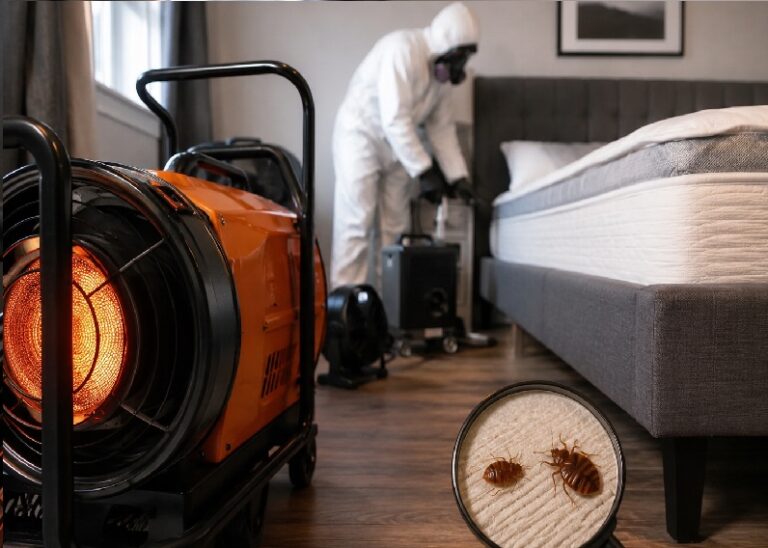
If you are waking up with new bites repeatedly, seeing suspicious spotting around the bed, or managing a multi-unit property where complaints are starting to stack up, professional inspection is the fastest way to get clear answers. Bed bugs are experts at staying hidden, and early infestations are easy to miss without experience.
For Calgary homes and businesses, speed matters. The longer the issue goes unconfirmed, the greater the chance of spread through furniture, luggage, laundry, and adjoining units. A proper inspection should identify whether the marks are likely linked to bed bugs, where activity is centered, and what treatment approach makes sense for the property.
To prevent confusion, always consider what do bed bug bites look like? A 2026 identification guide before making assumptions.
Lastly, having the answer to what do bed bug bites look like? A 2026 identification guide is vital for effective treatment.
That is especially important in apartments, hotels, and rental properties where reputation and tenant confidence are on the line. No guesswork. Just proven results.
The most accurate way to think about bed bug bites
Bed bug bites usually look like small itchy red welts in clusters or lines on exposed skin after sleeping. That is the short answer. The more accurate answer is that skin reactions vary too much to diagnose an infestation from bites alone.
If the marks fit the pattern, treat them as a warning sign and inspect the room. If the evidence in the room lines up too, act quickly. The sooner bed bugs are identified correctly, the easier they are to contain and remove.
If you are not sure whether you are looking at bed bug bites or something else, trust the pattern, not the panic. A careful inspection will tell you more than a photo ever will.
Frequently Asked Questions (FAQ)
1. What do bed bug bites usually look like?
Bed bug bites often appear as small red, itchy bumps, usually in clusters or straight lines on exposed skin such as arms, legs, neck, or back.
2. Do bed bug bites always itch?
Not always. Some people react strongly with itching and swelling, while others may have little to no visible reaction at all.
3. How can I tell if my bites are from bed bugs?
Bed bug bites are often grouped together and may appear overnight. Other signs like blood spots, fecal stains, or live bugs on the mattress can help confirm it.
4. Where on the body do bed bug bites usually happen?
They commonly appear on areas exposed during sleep, including arms, shoulders, neck, legs, hands, and the back.
5. How long do bed bug bites last?
For most people, bites can last a few days to two weeks depending on skin sensitivity and whether scratching causes irritation.
6. Can bed bug bites be mistaken for other insect bites?
Yes. Bed bug bites are often confused with mosquito bites, flea bites, allergic rashes, or skin irritation.
7. Do bed bug bites mean I have an infestation?
Not always, but repeated bites combined with signs of bed bugs in your sleeping area are strong indicators of an infestation.
8. Are bed bug bites dangerous?
Bed bug bites are not known to spread disease, but they can cause itching, allergic reactions, skin infections from scratching, and emotional stress.
9. What should I do if I think I have bed bug bites?
Inspect your bed, mattress seams, furniture, and nearby cracks. Wash bedding on high heat and contact a professional if you find signs of bed bugs.
10. When should I call a pest control professional for bed bugs?
If you have recurring bites, visible bed bugs, blood spots, or mattress stains, professional inspection and treatment should be done as soon as possible.