What to Do If Your Neighbour Has Bed Bugs: A Calgary Resident’s Guide
Table of Contents
If you just found out the unit next door has bed bugs, your first question is usually simple: can they spread into my place? Yes, they can. That is exactly why what to do if your neighbour has bed bugs: a Calgary resident’s guide matters so much in condos, apartments, duplexes, townhomes, and any property where walls, hallways, or shared utility lines connect one space to another. Understanding what to do if your neighbour has bed bugs: a Calgary resident’s guide is essential in these situations.
The good news is that panic does not help, but early action does. Bed bugs are hard to eliminate once they get established, and waiting to “see if anything happens” gives them time to move. A calm, practical response gives you the best chance of keeping the problem contained.
What to do if your neighbour has bed bugs in Calgary
Start by confirming what you actually know. Sometimes residents hear rumors in a hallway or see a social media post from a building group and assume the worst. Before you start throwing out furniture or treating your unit on your own, get clear information from the landlord, condo board, property manager, or building superintendent. Ask whether a professional inspection has confirmed bed bugs, which unit is affected, and whether surrounding units will be inspected.
In situations like this, knowing what to do if your neighbour has bed bugs: a Calgary resident’s guide can provide clarity and peace of mind. It’s important to gather accurate information before taking action.
In multi-unit housing, adjacent units often need attention even if no one has seen visible signs yet. Bed bugs can move through wall voids, under baseboards, around plumbing and electrical openings, and through shared laundry or common areas when items are transported. They do not spread like airborne pests, but they are very good at hitchhiking and finding small pathways.
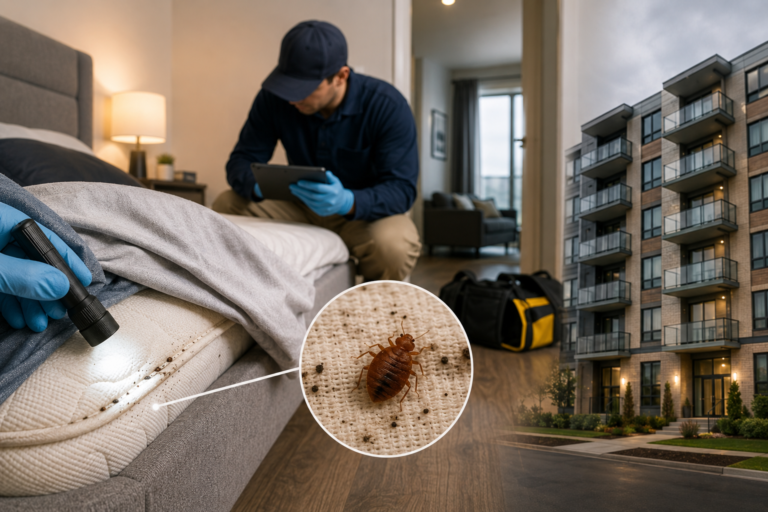
Your next move is inspection. Even if you have not been bitten, check mattresses, box springs, bed frames, headboards, couches, recliners, and baseboards near sleeping areas. Look for live bugs, shed skins, tiny white eggs, and small black spotting that resembles ink dots. If you live beside, above, or below an affected unit, inspection should happen sooner rather than later.
Know the risk without assuming the worst
What to Do If Your Neighbour Has Bed Bugs: A Calgary Resident’s Guide
Understanding what to do if your neighbour has bed bugs: a Calgary resident’s guide will help you navigate the necessary steps for effective management.
All residents should know what to do if your neighbour has bed bugs: a Calgary resident’s guide to identify risk factors and respond appropriately.
For those wondering what to do if your neighbour has bed bugs: a Calgary resident’s guide is a vital resource for understanding how to minimize your exposure and risks.
It’s crucial to follow what to do if your neighbour has bed bugs: a Calgary resident’s guide to ensure thorough inspection and treatment of your unit.
Not every neighboring infestation leads to a second one. It depends on the severity of the original problem, the building layout, how long the infestation has been active, and whether the source unit is being treated properly. A professionally managed response lowers the risk. A delayed, incomplete, or DIY-only response raises it.
That trade-off matters in Calgary apartment buildings and shared residential complexes, especially older properties with more gaps around pipes, outlets, and trim. In newer buildings, risk may still exist, but the pathways can be fewer. Either way, the safest assumption is that nearby units need to be checked.
If you own a single-family home and your neighbor next door has bed bugs, the risk is generally lower unless items are being shared, picked up from curbs, or moved between homes. Bed bugs are more likely to spread through people and belongings than by traveling long outdoor distances. In that case, the focus should be on avoiding transfer through furniture, visitors, luggage, or shared textiles.
The first steps to take inside your home
In conclusion, make sure to follow what to do if your neighbour has bed bugs: a Calgary resident’s guide for comprehensive protection.
Do not start spraying random store-bought products around your bed or sofa. Bed bugs are one of the easiest pests to scatter and one of the hardest to eliminate with poorly targeted treatment. Over-the-counter sprays may kill a few visible bugs while driving the rest deeper into cracks, neighboring rooms, or wall spaces.
For Calgary residents seeking help, understanding what to do if your neighbour has bed bugs: a Calgary resident’s guide is invaluable for timely intervention.
Instead, reduce hiding spots and improve visibility. Pull beds slightly away from walls. Avoid letting blankets touch the floor. Cut clutter around sleeping areas so inspection is easier. Launder bedding, nearby clothing, and soft items on high heat if you have any concern they may have been exposed. Drying on high heat is one of the most reliable ways to kill bed bugs and eggs on fabric-safe items.
Consult what to do if your neighbour has bed bugs: a Calgary resident’s guide for effective early detection strategies.
Vacuuming can help, but it is not a full solution. Use it to remove visible insects from seams, crevices, and floor edges, then empty the contents into a sealed bag right away. If you use a vacuum and then leave the contents sitting indoors, you have not really solved anything.
Following the guidelines from what to do if your neighbour has bed bugs: a Calgary resident’s guide helps you take decisive action.
Mattress and box spring encasements can also help. They do not eliminate an infestation, but they make inspections easier and reduce places where bed bugs can hide. That is useful when you are monitoring risk from a nearby unit.
Talk to the right people, and document everything
If you rent, notify your landlord or property manager in writing as soon as you learn about the neighboring issue or notice any possible signs in your own unit. Keep the message short and factual. Include the date, what you were told, and whether you have seen bites, spotting, or insects. This creates a clear record and usually speeds up the response.
To remain vigilant, always refer to what to do if your neighbour has bed bugs: a Calgary resident’s guide to keep your home safe.
Remember, knowing what to do if your neighbour has bed bugs: a Calgary resident’s guide can prevent the problem from escalating.
If you own a condo, contact property management or the condo board. Bed bug control in shared buildings often requires coordination because treating one unit while ignoring connected units can lead to repeated activity. A proper response may involve inspecting neighboring suites and setting a treatment plan for common-risk areas.
Photos help if you find evidence. So do dates, written notices, and copies of any building communications. Documentation matters if treatment is delayed, if responsibility becomes disputed, or if repeat issues occur.
What not to do if your neighbour has bed bugs
This is where many situations get worse. Do not bring used furniture into your home from hallways, garbage areas, curbs, or common rooms. Do not move your own bed or couch into storage without sealing and planning properly, because you may spread the issue to another area. Do not sleep in another room to “escape” bites if you already have confirmed bed bugs. That often causes them to follow you and expand the infestation.
Also avoid home remedies that sound cheap and easy but do not solve the source problem. Rubbing alcohol, essential oils, foggers, and random internet mixtures are not reliable bed bug solutions. In shared housing, these products can delay the right treatment and create bigger building-wide problems.
When professional inspection is the smart move
If you live in a connected building and the neighboring unit has confirmed bed bugs, professional inspection is usually the fastest way to replace uncertainty with facts. That is especially true if your unit shares a wall, floor, or ceiling with the affected space, or if you have already seen unexplained bites, spotting on bedding, or insects near the bed.
A trained technician knows where bed bugs actually hide, not just where people expect them to be. That includes bed frames, upholstered furniture, baseboards, outlet areas, curtain folds, and less obvious transition points between rooms. In larger buildings, coordinated inspection and treatment can prevent the back-and-forth cycle that happens when only one part of the problem is addressed.
For Calgary property owners and managers, speed matters. Bed bugs do not improve with time, and reputational damage in rental or hospitality settings can spread faster than the insects themselves. Prompt inspection protects more than one unit. It protects tenant retention, building confidence, and treatment costs.
A Calgary-specific note on prevention and follow-up
In Calgary, bed bugs are not limited to any one season or neighborhood. They show up in downtown towers, suburban rentals, student housing, hotels, and single-family homes. Travel, turnover in rental properties, secondhand items, and shared living environments all increase risk.
That is why prevention needs to be practical. After inspection, keep monitoring sleeping areas for several weeks if exposure is possible. Be careful with laundry transport in multi-unit buildings. Use sealed bags when moving items to and from shared laundry rooms. If a treatment has been scheduled in your building, follow prep instructions exactly. Half-done prep often leads to half-done results.
Documenting your findings is essential; refer to what to do if your neighbour has bed bugs: a Calgary resident’s guide for thorough record-keeping.
If your building is treating multiple units, ask what the follow-up plan is. One visit may be enough in some situations, but established infestations often require reassessment and repeat service. Long-term control depends on thorough inspection, targeted treatment, and prevention steps that fit the property.
A local company such as Pest Pro Exterminator can also bring an advantage here because building types, tenant turnover patterns, and response expectations in Calgary are not the same as they are elsewhere. Local experience helps when the issue involves more than one unit and needs a coordinated plan.
If you have bites but no proof
Bites alone are not enough to confirm bed bugs. Skin reactions vary, and many other causes can look similar. Still, if your neighbor has a confirmed infestation and you are waking up with new bites, take it seriously. That combination is worth inspecting.
Try not to self-diagnose based on photos online. Focus on physical evidence in the unit and get a professional opinion if the signs are pointing in that direction. Fast clarification saves time, stress, and money.
For a complete understanding, refer to what to do if your neighbour has bed bugs: a Calgary resident’s guide with step-by-step instructions.
The main thing is this: if a neighboring unit has bed bugs, you do not need to wait for a full infestation in your own home before acting. Early inspection, clear communication, and the right treatment plan are what keep a nearby problem from becoming your problem too.
Frequently Asked Questions (FAQ)
Utilizing what to do if your neighbour has bed bugs: a Calgary resident’s guide can support your case in discussions with landlords.
1. Can bed bugs spread from my neighbour’s unit to mine?
Yes. Bed bugs can travel through wall voids, electrical outlets, plumbing lines, hallways, and shared structural spaces, especially in apartments, condos, and townhomes.
2. What should I do if my neighbour tells me they have bed bugs?
Inspect your unit immediately, check mattresses and furniture, reduce clutter, and notify your landlord or property manager right away.
3. How can I tell if bed bugs have entered my unit?
Look for bites, blood spots on bedding, dark fecal stains, shed skins, eggs, and live bed bugs around mattress seams, bed frames, and furniture.
4. Should I move out if my neighbour has bed bugs?
Not necessarily. Moving without proper precautions can spread bed bugs to other places. It’s better to inspect and monitor your unit first.
5. Can bed bugs travel between walls?
Yes. Bed bugs can move through cracks, wall gaps, outlets, and adjoining spaces in multi-unit buildings.
6. Should I tell my landlord about a neighbouring bed bug problem?
Yes. Property managers and landlords need to know so they can inspect surrounding units and coordinate treatment if necessary.
7. Can I prevent bed bugs from entering from another unit?
You can reduce risk by sealing wall cracks, installing outlet covers, reducing clutter, and monitoring with interceptors or regular inspections.
8. Will bed bug spray protect my unit from my neighbour’s infestation?
Not always. Over-the-counter sprays often provide limited protection and may scatter bed bugs into hidden areas. Professional treatment is more effective.
9. What if I start seeing bed bugs after my neighbour’s treatment?
Contact your landlord and a pest control professional immediately. Quick action helps stop the infestation before it spreads further.
10. How often should neighboring units be inspected after a bed bug case?
Adjacent units should ideally be inspected as soon as possible and monitored regularly for several weeks to catch early signs of spread.