When to Schedule Fall Pest Control: 2026 Timing Guide
Table of Contents
- Why Fall Pest Control Timing Matters More Than You Think
- Pests That Come Inside in Fall: What You’re Actually Up Against
- When to Get Pest Control for Mice: Reading the Signs Before They Settle In
- The Fall Pest Control Timeline: A Month-by-Month Plan
- How to Prepare for Pest Control Before the Technician Arrives
- What Happens on the First Pest Control Visit
- Prevention After Treatment: Keeping Pests Out Through Winter
- Frequently Asked Questions
Last Updated: October 14, 2026
Why Fall Pest Control Timing Matters More Than You Think
Fall pest control works best when it happens before pests move indoors, not after you spot them. At Pest Pro Exterminator, we’ve seen too many homeowners wait until they hear scratching in the walls. By then, the problem is already inside.
Here’s the core issue: pests don’t invade by accident. They follow temperature drops. When overnight lows start hitting single digits Celsius, mice, rats, and insects begin hunting for warm shelter. Your home is the warmest option on the block.
That’s why timing matters so much. A treatment in early September blocks pests at the door. A treatment in November usually means you’re chasing an active infestation.
This guide covers the full schedule: which pests invade, when to book, how to prepare, and what happens after treatment.
Pests That Come Inside in Fall: What You’re Actually Up Against
The pests that come inside in fall are looking for warmth, food, and water. Most enter through gaps no wider than a pencil. Knowing your enemy makes prevention far easier.
Mice and Rodents
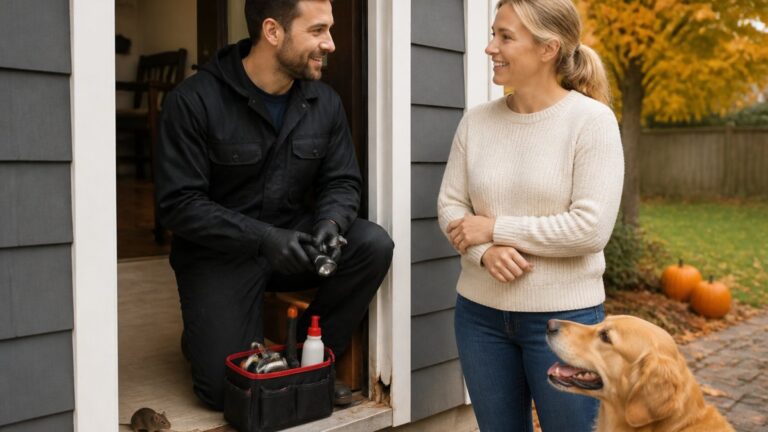
Mice are the most common fall invader. They squeeze through openings as small as a dime. Once inside, they nest in insulation, chew wiring, and contaminate food.
Rats follow similar patterns but need slightly larger entry points. Both leave droppings, gnaw marks, and greasy rub trails along walls.
Insects That Overwinter Indoors
Insects take a different route. Many don’t want to live in your home year-round. They just need a place to survive the cold.
- Boxelder bugs and lady beetles cluster on sunny walls, then slip inside
- Cluster flies gather in attics and wall voids
- Spiders follow their prey indoors
- Cockroaches move into kitchens and bathrooms seeking moisture
- Ants relocate colonies under foundations and into wall cavities
These pests often go unnoticed until spring, when they wake up and spread through the house.
When to Get Pest Control for Mice: Reading the Signs Before They Settle In
The best time to get pest control for mice is early fall, before they establish nesting sites. Once a colony settles in, removal takes longer and costs more effort.
Watch for these early warning signs:
- Droppings along baseboards, in drawers, or behind appliances
- Scratching or scurrying sounds at night
- Gnaw marks on food packaging or wood
- Greasy rub marks along walls and pipes
- Nests made from shredded paper, fabric, or insulation
- Pets staring at walls or floors
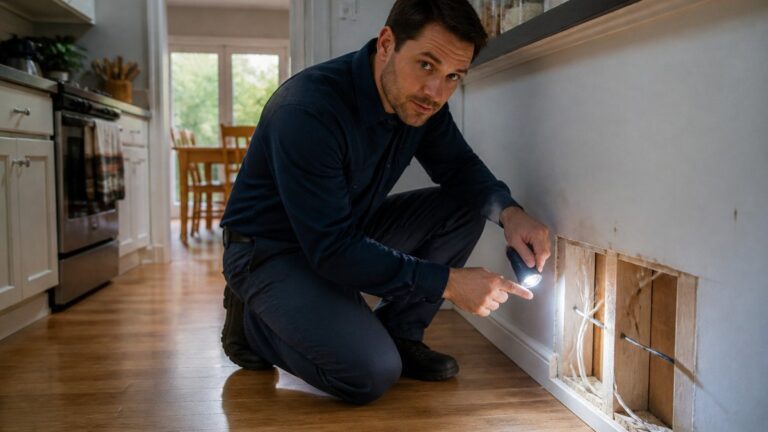
If you notice any of these, book an inspection right away. Mice breed fast, and a small problem becomes a large one within weeks.
Don’t rely on traps alone for a rodent problem. Trapping removes individual mice but leaves entry points open. New rodents move in within days. You need exclusion work, not just removal.
The Fall Pest Control Timeline: A Month-by-Month Plan
Use this timeline to schedule treatments at the right moment. The goal is to act while pests are still outside, when exclusion and baiting are cheapest and most effective.
| Month | Action | Why It Matters |
|---|---|---|
| Late August | Book inspection | Slots fill fast before cold weather |
| Early September | First treatment and seal entry points | Pests are still outside, easy to block |
| Mid-October | Follow-up check | Confirms exclusion held |
| November | Monitor attic, basement, crawlspace | Catches stragglers before deep winter |
| December-February | Ongoing monitoring | Pests stay active indoors all winter |
September is the sweet spot. Pests are actively seeking shelter, so bait and exclusion work together. By October, many have already found their way in.
If you missed September, don’t wait. A treatment in October or November still helps. It just takes more work to clear pests already inside.
The 30-Day Countdown: What to Do Before Cold Weather Hits
Most homeowners wait until they hear scratching. A better approach is a 30-day countdown that starts while nights are still mild.
Days 30-21: Walk the exterior.
- Inspect the foundation, sill plate, and any point where utilities enter the home.
- Check garage doors, dryer vents, and cable or gas line penetrations.
- Note gaps wider than a pencil; that is the threshold most mice can use.
- Look for droppings, rub marks, or chewed caulking around the perimeter.
Days 20-14: Book the inspection and first treatment.
- Schedule before the first hard frost, when demand spikes.
- Ask the provider to include exclusion work in the quote, not just spraying.
- Confirm whether the visit covers attic, basement, and crawlspace access.
Days 13-7: Reduce attractants.
- Move firewood at least 6 meters from the house and elevate it off the ground.
- Trim tree branches so they do not touch the roof or siding.
- Store birdseed, pet food, and grass seed in sealed containers.
- Fix dripping outdoor faucets and clear gutters so moisture does not pool at the foundation.
Days 6-1: Prepare the interior.
- Clear lower cabinets, pantry shelves, and areas under sinks.
- Pull appliances away from walls where possible.
- Bag and remove trash the night before the visit.
- Arrange for pets and children to be out of the treated areas during service.
The 7-Day Sprint: Final Checks Before the Technician Arrives
In the week before treatment, focus on access and evidence.
- Unlock gates and clear a path to the attic, basement, or crawlspace.
- Move furniture away from baseboards so the technician can inspect the full perimeter.
- Write down every spot where you have seen activity, droppings, sounds, gnaw marks, or sightings.
- Photograph any damage or entry points you find. Photos help the technician confirm the problem and document the work.
- Confirm the appointment window and ask what products will be used if you have pets or sensitivities.
Day-Of Checklist
- Secure all food in airtight containers.
- Put pet bowls and toys away.
- Remove trash and recycling from the kitchen.
- Leave a note on the door if you will be out during service.
- Ask the technician to walk you through the findings before they leave.
A prepared home lets the technician treat more thoroughly in less time, and it gives you a written record you can compare against the follow-up visit.
Get A Free Pest Control Quote Today →
How to Prepare for Pest Control Before the Technician Arrives
Preparation makes treatment faster and more effective. Here’s how to get ready.
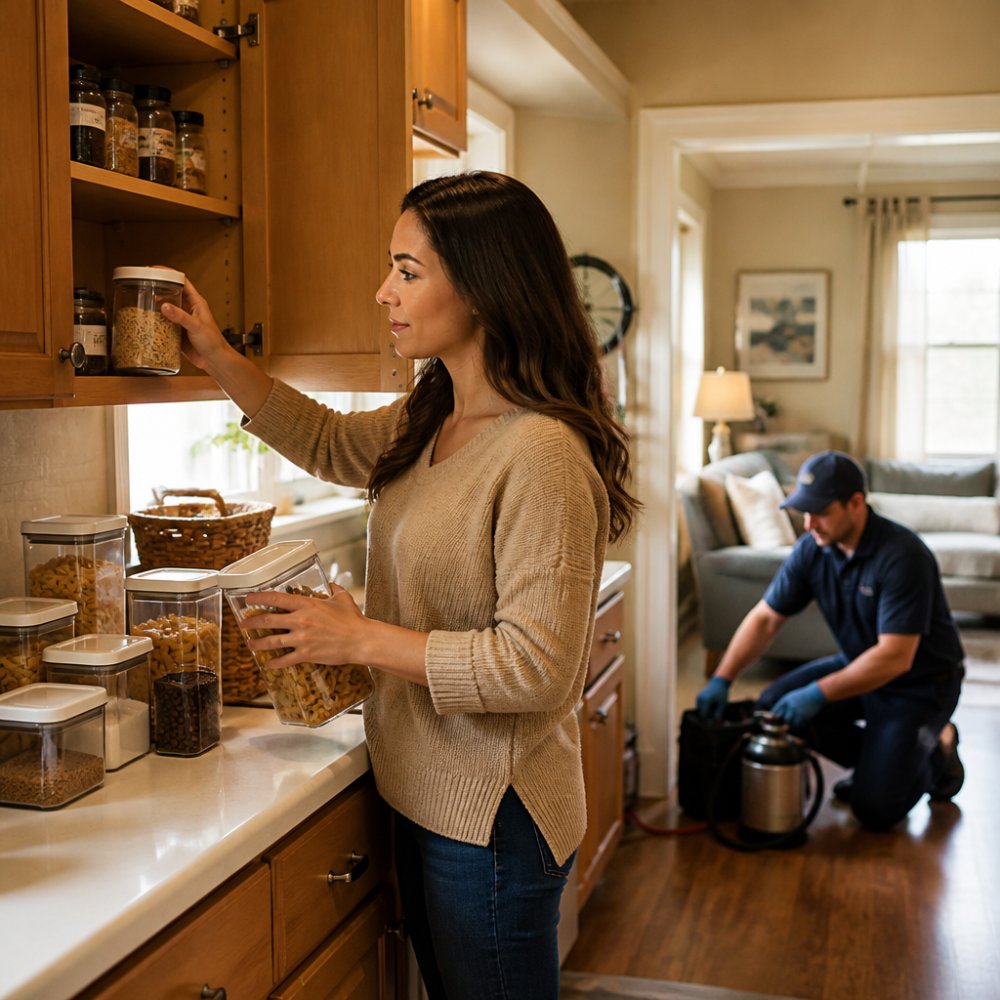
Clear the work areas:
- Empty lower kitchen cabinets and pantry shelves
- Pull appliances away from walls if you can
- Move pet food and water bowls outside or seal them
- Pick up clutter from floors, closets, and basements
- Wash dishes and wipe down counters
Secure food and pets:
- Seal all food in airtight containers
- Bag and remove trash before the visit
- Arrange for pets and children to stay elsewhere during treatment
Make access easy:
- Unlock gates and clear a path to the attic, basement, or crawlspace
- Move furniture away from baseboards
- Note any areas where you’ve seen pest activity
A prepared home lets the technician treat more thoroughly in less time.
What Happens on the First Pest Control Visit
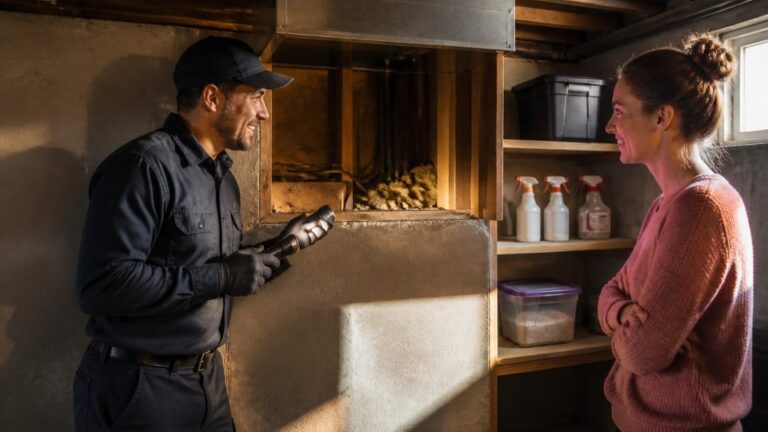
The first pest control visit starts with a full inspection, not a spray-and-go. A good technician identifies the pest, finds entry points, and maps the problem before treating anything.
Expect these steps:
- Inspection – The technician checks attics, basements, kitchens, and exterior walls for signs of activity.
- Identification – Confirming the pest species shapes the treatment plan.
- Exclusion work – Sealing gaps, cracks, and openings stops new pests from entering.
- Treatment – Bait stations, traps, or targeted applications handle pests already inside.
- Monitoring setup – Stations and checkpoints track activity between visits.
- Report and plan – You get a summary of findings and a follow-up schedule.
Most first visits take one to three hours, depending on home size and pest type.
Ask your technician to show you the entry points they found. You’ll learn where your home is vulnerable, and you can watch those spots yourself between visits.
Prevention After Treatment: Keeping Pests Out Through Winter
Prevention after treatment keeps pests from returning. Treatment clears the current problem. Prevention stops the next one.
Focus on these areas:
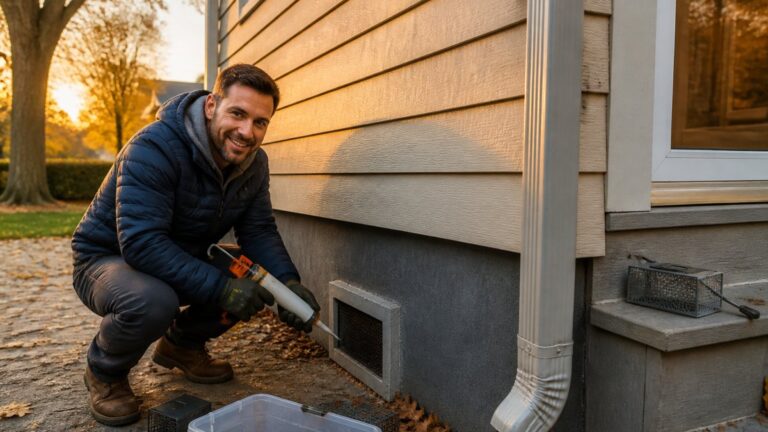
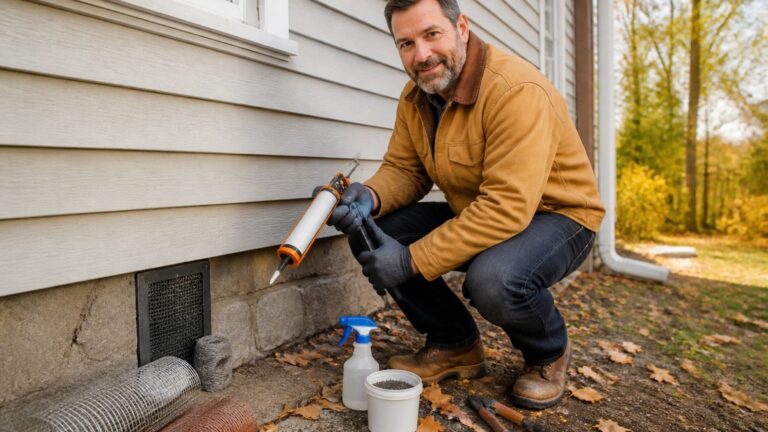
- Seal gaps around pipes, vents, and utility lines with steel wool and sealant
- Repair screens on windows, doors, and vents
- Trim branches back from the roof and siding
- Store firewood away from the house and off the ground
- Fix leaks in basements, under sinks, and near water heaters
- Keep food sealed and trash in closed bins
- Schedule follow-up visits to catch new activity early
Rodents and insects adapt. A gap that stayed sealed last year may open again after frost heaves or renovations.
Build a Simple Monitoring Routine
Prevention works best when you check for problems on a schedule instead of waiting for a sighting.
- Weekly: Look for fresh droppings along baseboards, in drawers, and behind appliances. Check under sinks for moisture.
- Monthly: Inspect the attic, basement, and crawlspace for nests, gnaw marks, or rub trails. Re-check exterior sealant around utility penetrations.
- After any storm or freeze-thaw cycle: Walk the perimeter and re-seal any gaps that opened.
- Before each service visit: Write down what you have seen so the technician can compare it against the last report.
Keep a Simple Pest Log
A one-page log makes patterns visible and helps your provider adjust the plan.
| Date | Location | What You Saw | Action Taken |
|---|---|---|---|
| Example | Kitchen baseboard | Fresh droppings | Re-sealed gap under sink |
Track repeat activity in the same spot. If the same area shows up three visits in a row, the entry point has not been fully resolved and the exclusion work needs another look.
What to Do If Pests Return
- Do not assume the treatment failed. Most re-entries happen through a gap that was missed or reopened.
- Photograph the evidence and note the date and location.
- Contact your provider and ask for a re-inspection of that specific area.
- Ask whether the follow-up is covered under your service plan or treated as a new visit.
- Re-seal any obvious gaps while you wait for the appointment.
For Commercial Properties
Prevention also protects your reputation. One visible pest in a dining room or lobby can undo years of good reviews. Ongoing monitoring keeps problems invisible to customers and inspectors alike.
- Keep service reports, site maps, and corrective-action notes on file.
- Train staff to report sightings the same day.
- Review activity trends at each service visit and adjust station placement as needed.
- Retain records for at least the period your auditor or insurer requires, and longer if your industry expects it.
A consistent routine, seal, monitor, log, follow up, is what keeps a fall treatment from turning into a winter infestation.
Frequently Asked Questions
When should you schedule fall pest control?
Book your fall pest control service in late August or early September, before nighttime temperatures drop consistently below 10°C. Mice and insects begin scouting entry points as soon as the weather cools, so treating before they settle in is far more effective than reacting to an active infestation in November or December.
When do mice start coming into houses for winter?
Mice typically start moving indoors in early to mid-September, once outdoor temperatures fall and natural food sources thin out. They look for warmth, shelter, and accessible food. Sealing gaps around pipes, foundation cracks, and garage doors before this window closes is the single most effective step you can take.
How can you keep mice and insects out of your home during fall and winter?
Seal all gaps wider than a pencil around pipes, vents, and foundations. Store food in sealed containers, fix leaky taps, and clear leaf litter and firewood away from exterior walls. Schedule a professional inspection in early fall to identify entry points you may have missed, and keep up with ongoing monitoring through the colder months.
Is fall pest control useful before pests are visible?
Yes. Fall pest control is most effective as a preventive measure. By the time you see droppings, gnaw marks, or live insects, a population is already established indoors. An early-fall inspection and exclusion treatment stops pests from getting inside in the first place, which is cheaper and less disruptive than mid-winter removal.
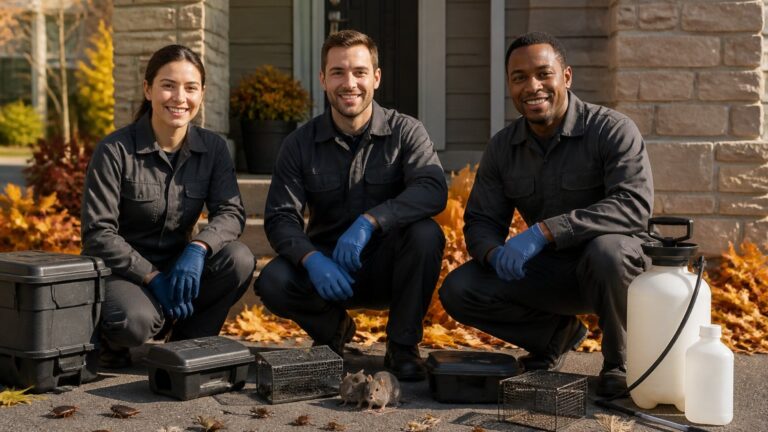
Winter pest problems start in fall. If you wait until you hear scratching in the walls, you’re already behind. Pest Pro Exterminator handles inspections, exclusion, and ongoing monitoring for homes and businesses. Our team brings more than 18 years of combined experience, customized treatment plans, and 24/7 availability for urgent issues. Book a free quote with Pest Pro Exterminator and get your home sealed before the cold drives pests inside.