How to Keep Winter Rodents Out of Your House
Last Updated: October 30, 2026
Quick Summary
Winter rodent prevention for houses starts with sealing every exterior gap, since a mouse needs only a pencil-width opening to get inside. Pack copper mesh or steel wool into gaps and seal over it, then cut off the food, water, and shelter rodents need to settle in.
- Walk the exterior and check gaps where pipes, wiring, and vents enter walls.
- Spray foam alone fails because rodents gnaw through it in a night.
- Pull the stove and fridge out and check behind them for droppings.
- Stack firewood away from the foundation and keep it off the ground.
- Call a professional when gnaw marks appear on wiring or gas lines.
Table of Contents
- Why Rodents Move Indoors When the Cold Hits
- How to Seal Mouse Entry Points Before the First Freeze
- Signs of Mice in the House You Should Not Ignore
- Your Winter Pest Prevention Checklist, Room by Room
- Cutting Off Food, Water, and Hiding Places
- Traps, Repellents, and Keeping Kids and Pets Safe
- When to Call a Rodent Exterminator
- Book a Free Winter Rodent Inspection
- Frequently Asked Questions
Why Rodents Move Indoors When the Cold Hits
Winter rodent prevention for houses starts with one fact: mice don’t want to be outside in January any more than you do. Why mice enter homes when temperatures drop explains how the cold drives them inside.
Winter rodent activity follows a predictable pattern. The first cold snap pushes mice and rats toward foundations, garages, and soffits.
A mouse needs an opening roughly the width of a pencil to squeeze through, the part most homeowners get wrong, checking the big gaps and ignoring the small ones.
Watch out: sealing a hole while rodents are still inside traps them in the walls. You’ll smell it within a week. Seal after you’ve confirmed the space is clear.
How to Seal Mouse Entry Points Before the First Freeze
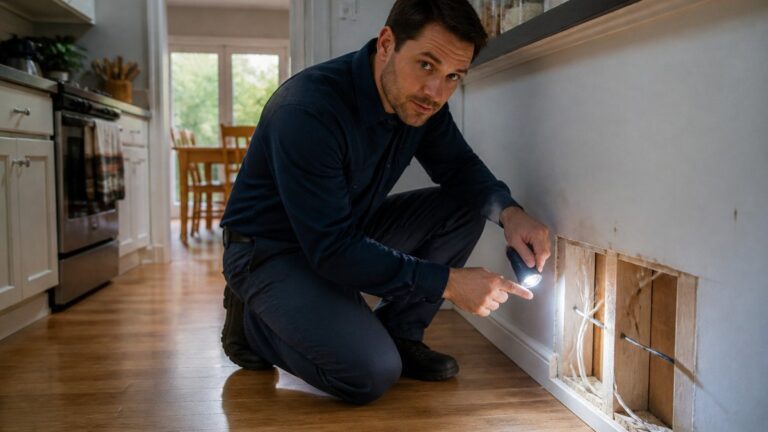
Sealing is the single highest-value step in any winter rodent prevention plan, and the most skipped, because it requires getting on your hands and knees with a flashlight.
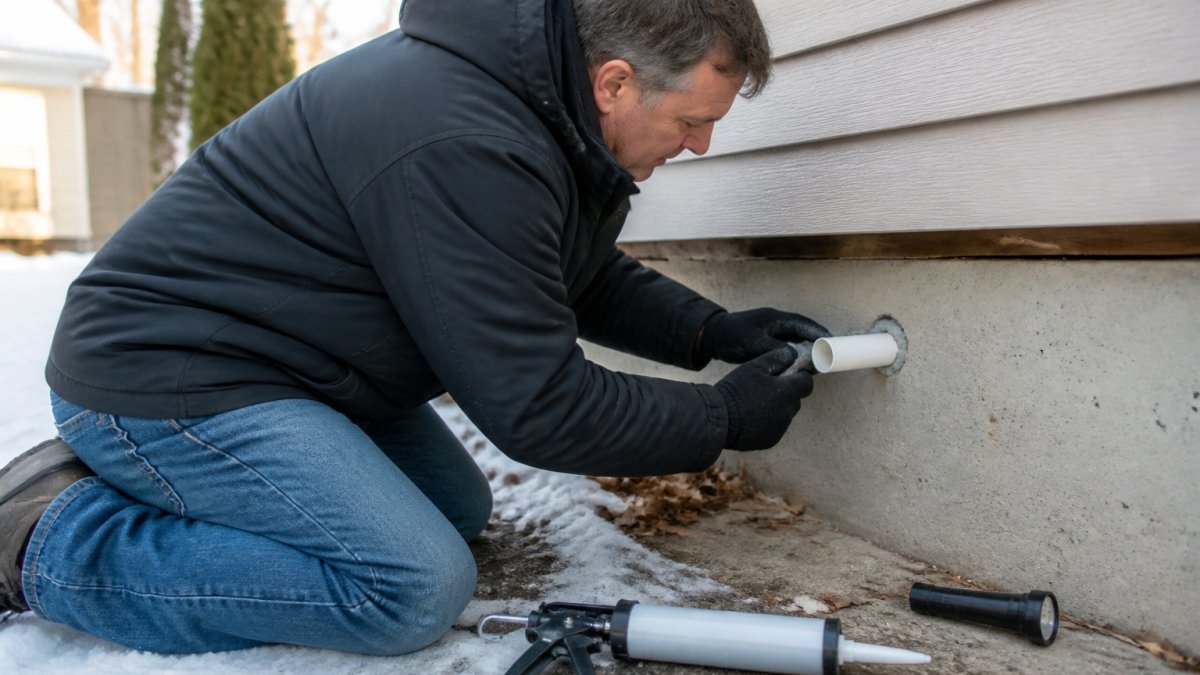
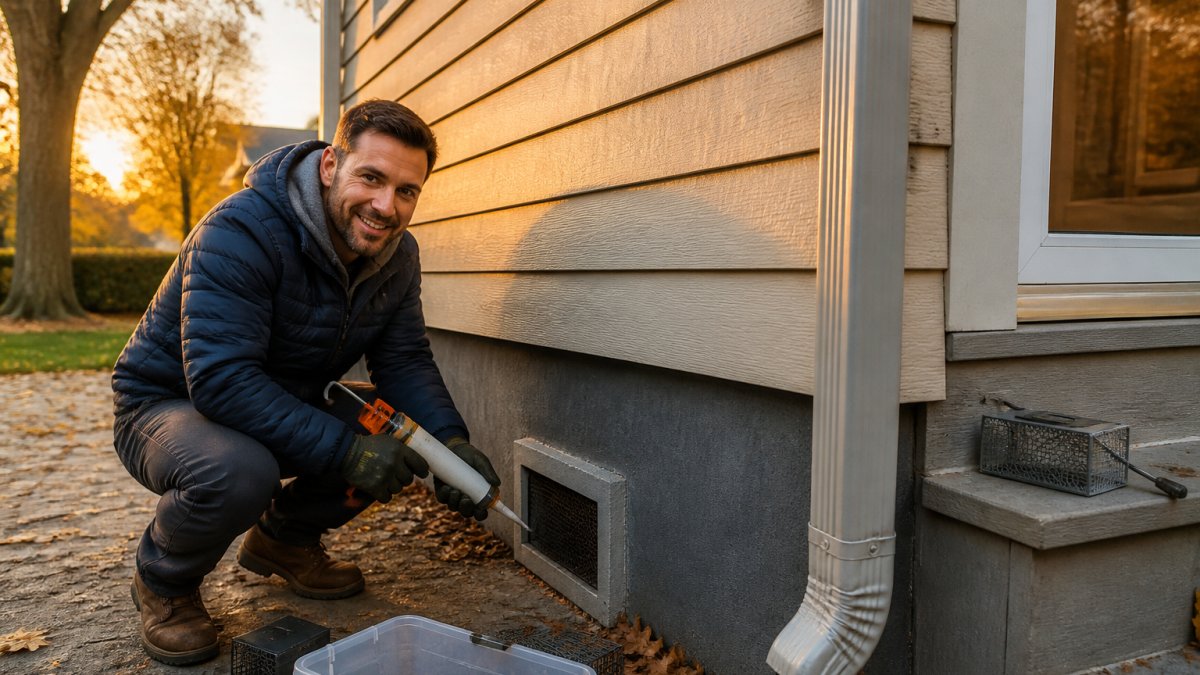
Walk the exterior of your house and check every penetration point, especially where pipes, wiring, and vents enter the wall.
If you’re not sure what to look for, check the common entry spots and test each gap by hand.
Materials That Hold Up Through a Cold Season
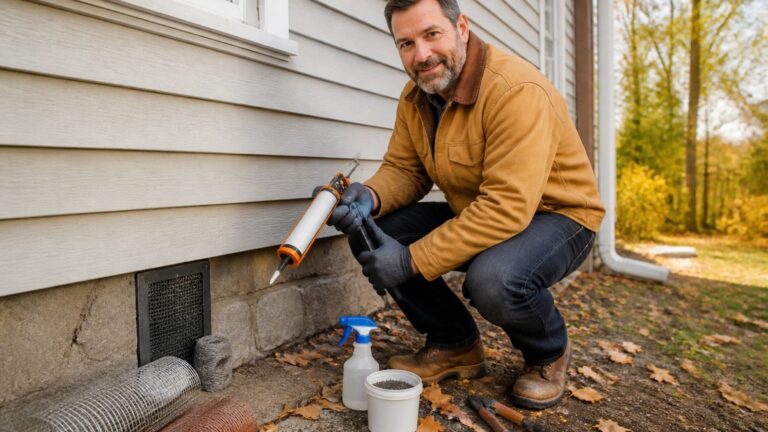
Spray foam alone won’t stop a determined mouse. Rodents gnaw through it in a night. Use materials that resist teeth and temperature swings:
- Copper mesh packed into gaps, then sealed over with caulk
- Steel wool for irregular openings, never plastic scouring pads
- Exterior-grade sealant rated for cold-weather flex
Watch out: ordinary kitchen steel wool rusts fast outdoors. Use copper mesh or stainless-grade wool for exterior work.
Doors, Windows, Vents, and Utility Openings
The garage door is a common weak point. A gap along the bottom seal is an open invitation. Check the weatherstripping and replace it if it’s cracked or flat.
For vents and utility openings, fit covers with mesh small enough to block a mouse. Seal entry points to keep mice out before winter walks through each of these spots step by step.
Signs of Mice in the House You Should Not Ignore
Droppings are the sign most people notice first, but they’re rarely the earliest one. Signs of rodent infestation in the kitchen gives a focused list to compare against what you’re seeing. By the time you see droppings in a kitchen drawer, rodents have usually been inside for weeks.
Look for these indicators:
- Droppings along walls, in drawers, and behind appliances
- Gnaw marks on food packaging, wiring, or baseboards
- Grease smears along walls where rodents travel
Telling Mice, Rats, and Wildlife Apart
Not every noise in the attic is a mouse. Droppings are the clearest tell:
| Sign | Mice | Rats | Squirrels or Raccoons |
|---|---|---|---|
| Dropping size | Rice-grain sized | Larger, capsule shaped | Large, blunt ended |
| Gnaw marks | Small, shallow | Wider, rougher | Rarely on wiring |
| Noise timing | Night | Night | Often daytime |
| Nest location | Wall voids, drawers | Basements, garages | Attic, soffits |
Squirrels and raccoons need a different approach entirely. Exclusion and humane removal, not traps.
Your Winter Pest Prevention Checklist, Room by Room
A room-by-room sweep catches problems before they become infestations. Work through the house once in fall, then repeat the high-risk rooms monthly.
- Kitchen: Pull the stove and fridge out. Check behind them for droppings and gnaw marks.
- Pantry: Move dry goods into sealed containers. Check every bag and box for holes.
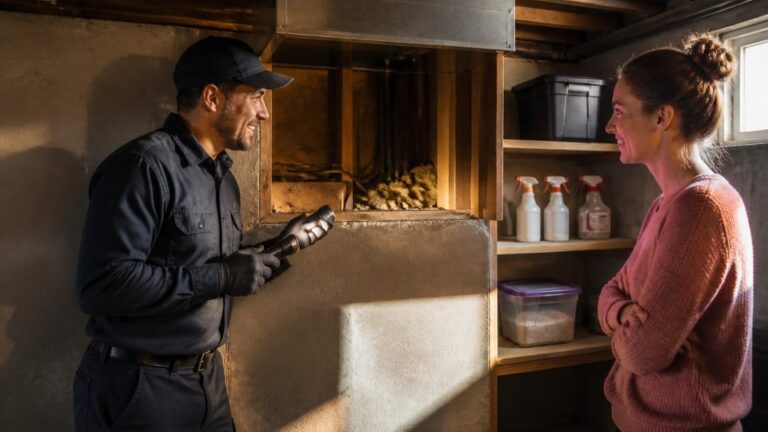
- Basement: Inspect the rim joist and foundation wall for gaps. Clear cardboard and paper storage.
Cutting Off Food, Water, and Hiding Places
Rodents stay where life is easy. The difference between a house that gets colonized and one that doesn’t usually comes down to three resources, food, water, and shelter. Cut all three and you make your home a poor winter bet.
Food: Think in Grams, Not Groceries
A mouse needs only a few grams of food a day, which is why a single spilled bag of rice behind the pantry shelf can sustain a small population for weeks. The practical rule: anything a rodent can chew through is not a container, it’s a buffet.
- Dry goods: Transfer cereal, flour, rice, pasta, crackers, and baking mixes into hard-sided containers with gasketed lids. Glass jars with clamp lids and thick plastic bins with rubber seals both work; thin takeout containers and zip-top bags do not.
- Pet food: This is the most overlooked rodent food source in most homes. Store kibble in a sealed bin, not the bag it came in, and feed pets on a schedule rather than leaving bowls full overnight.
- Bird seed: If you feed birds, store seed in a metal can with a tight lid and sweep hulls off the ground. A spilled feeder is a rodent magnet within a day.
Do a “shelf audit” in the pantry: pick up every box and bag and look underneath. Rodents often feed from the bottom of a stack, and the evidence, chewed corners, droppings, shredded cardboard, is hidden until you lift the item.
Water: Fix the Drips You’ve Stopped Noticing
Mice can meet their water needs from a slow drip that would never prompt a repair call. Walk the house and check:
- Dripping faucets and showerheads
- Leaks under sinks and around the base of toilets
- Condensation lines on fridges, freezers, and dehumidifiers
A shallow dish of water left out for a pet, a humidifier reservoir, or a plant saucer can also serve as a water source. Empty and refresh these regularly rather than leaving them standing.
Clutter: Remove the Nesting Material
Rodents don’t need much to build a nest, a handful of shredded paper, fabric scraps, or insulation is enough. Remove loose, absorbent material from floors, shelves, and corners, especially in the basement, garage, and storage rooms.
- Replace cardboard boxes with plastic bins that have lids. Cardboard absorbs moisture, softens, and becomes nesting material.
- Get stored clothing, blankets, and fabric off the floor and into sealed bins.
- Clear newspaper, magazines, and paper recycling from corners and shelves.
Yard and Perimeter: Deny the Runway
Outdoor conditions drive indoor pressure. Reduce the cover and food available right against the house:
- Firewood: Stack it well away from the foundation and keep it off the ground on a rack or pallet. A woodpile against the siding is a rodent highway into the wall.
- Shrubs and trees: Trim branches back from the roof and siding so rodents can’t use them as bridges. Keep a clear gap between vegetation and the house.
- Leaves and debris: Clear window wells, foundation vents, and the base of the siding. Leaf litter holds moisture and provides cover.
The Holiday Decoration Trap
Boxes pulled from the garage or attic in December often carry nesting material and droppings back into living spaces. Before decorations come inside, inspect each box in the garage or on the porch, wipe down the contents, and discard any shredded paper or fabric packing. Securing these storage areas also provides an ideal opportunity to check your home plumbing for vulnerabilities and avoid frozen pipes.
Don’t store firewood, bird seed, or pet food inside the garage against a shared wall. Garages are often the first room rodents enter, and a food source there shortens the path into the rest of the house.
A Simple Seasonal Sequence
Run this in early fall and again after the first hard freeze:
- Pantry and kitchen audit, lift, check, and reseal dry goods.
- Pet food and bird seed check, move to metal or hard plastic.
- Water check, fix drips and empty standing water.
- Storage sweep, replace cardboard, lift items off the floor.
- Perimeter walk, firewood, shrubs, leaves, and outdoor bowls.
This sequence takes an afternoon and removes the three resources rodents need to settle in for the winter.
Traps, Repellents, and Keeping Kids and Pets Safe
Traps can work. Repellents often don’t, or at least not for long. What most brief prevention articles skip is the part that matters in a home with children, pets, or both: where to place traps, how to handle them, and when DIY stops being the right call.
Trap Types and What Each Is Good For
- Snap traps: The most reliable option for mice. Modern snap traps with a covered bait cup are easier to set and safer to handle than older exposed designs. Place them along walls, not in open floor space, because rodents travel with their whiskers against a surface.
- Live traps: Useful for larger rodents or when you want to avoid a kill. They require daily checking and a plan for release. Relocating wildlife is often regulated, so check the rules before you drive a squirrel across town.
- Glue boards: Effective at catching rodents but raise welfare and handling concerns, and they can catch pets or non-target wildlife. Many households are better served by snap traps inside tamper-resistant stations.
Placement That Works and Stays Out of Reach
The single biggest mistake is placing traps where rodents don’t travel. Set them:
Visit Pest Pro Exterminator For Pest Control Services In Calgary And Surrounding Areas →
- Against walls and in corners, with the trigger end toward the wall
- Behind appliances, under sinks, and inside cabinets along the back edge
- In the basement, garage, and attic along the perimeter
Keep traps out of reach of children and pets. That means behind furniture, inside closed cabinets, or inside locked or latched stations. Never set a bare snap trap on an open floor where a dog or toddler can reach it.
Never use loose poison or rodenticide baits where pets or children roam. Secondary poisoning is a real risk when a pet eats a poisoned rodent. If you use bait at all, use it only in tamper-resistant stations placed where pets and children cannot access them, and follow the label exactly.
Handling and Disposal
- Check traps daily. A dead rodent left for days attracts insects and other pests.
- Wear gloves when handling traps and rodents. Dispose of rodents in sealed plastic bags in the outdoor garbage.
- Disinfect traps and the area around them after a catch. Rodents can carry pathogens, and droppings and nesting material should be handled with care (Hantavirus: Spread, prevention and risks).
Repellents: What the Evidence Supports
- Ultrasonic devices: Evidence is weak, and rodents adapt quickly to sound devices. Don’t rely on them as your only defense.
- Chemical repellents and mothballs: Mothballs are a pesticide and should be used with care, especially in a home with children or pets. Follow label directions or skip them.
- Natural oils (peppermint, etc.): Anecdotal at best. They may briefly deter, but they don’t solve an entry problem.
Exclusion is the reliable approach: seal the openings and remove the food, water, and shelter. Traps manage rodents already inside; sealing keeps new ones out.
Distinguishing the Pest Before You Trap
Not every noise in the attic is a mouse. Droppings are the clearest tell:
| Sign | Mice | Rats | Squirrels or Raccoons |
|---|---|---|---|
| Dropping size | Rice-grain sized | Larger, capsule shaped | Large, blunt ended |
| Gnaw marks | Small, shallow | Wider, rougher | Rarely on wiring |
| Noise timing | Night | Night | Often daytime |
| Nest location | Wall voids, drawers | Basements, garages | Attic, soffits |
When DIY Stops Being the Right Call
Call a licensed pest professional when:
- You hear activity in walls or ceilings that won’t stop
- Droppings reappear within days of cleaning
- You find gnaw marks on wiring or gas lines
A licensed exterminator can find entry points you’d miss and confirm the species, which changes the treatment plan. For a full assessment, you can book rodent control service with our team.
The safe pattern for households with pets or young kids: use covered, tamper-resistant stations only; keep traps out of reach; never use loose poison; check traps daily; and escalate to a professional when activity persists after sealing and trapping.
When to Call a Rodent Exterminator
DIY works for a small, early problem. It stops working when the signs keep coming back after you’ve sealed and trapped.
- You hear activity in walls or ceilings that won’t stop
- Droppings reappear within days of cleaning
- You find gnaw marks on wiring or gas lines
A licensed exterminator can find entry points you’d miss and confirm the species, which changes the treatment plan. For a full assessment, you can book rodent control service with our team.
Book a Free Winter Rodent Inspection
The cold is coming whether your house is ready or not. Mice and rats are already scouting foundations, garages, and soffits for the warmest gap they can find.
At Pest Pro Exterminator, we’ve spent over 18 years helping homeowners and property managers across the region close those gaps.
Get started with Pest Pro Exterminator and get ahead of winter rodents before they settle in.
Frequently Asked Questions
What is the best way to keep mice out of a house in winter?
Stop them at the exterior before the cold drives them in. Walk the outside of the house and seal every gap around pipes, vents, doors, and the foundation with steel wool packed tightly and covered with sealant. Keep firewood and stored items away from the walls, store food in sealed containers, and clear clutter from the garage and basement. Winter rodent prevention for houses works best as a routine: check the same spots each fall and again mid-winter, because a gap that opens after a freeze is easy to miss.
How can you tell if rodents have entered your house?
Look for droppings along walls, inside cupboards, and behind appliances, plus greasy rub marks where rodents travel. You may hear scratching in the attic or walls at night, find shredded paper or insulation in a nesting spot, or notice gnaw marks on food packaging and wiring. The signs of mice in the house usually show up close to food and shelter, so check the kitchen, pantry, and basement first. Fresh droppings mean the activity is current, not old.
When should you call a professional for a rodent problem?
Call a rodent exterminator when you find droppings in more than one room, hear activity in the walls or attic, or see gnaw damage on wiring, which is a fire risk. It is also time to call if you have sealed entry points and set traps but activity continues after a couple of weeks, or if you are in a shared building where the source may be another unit. A licensed professional can find the entry points you missed and confirm the species before treating.
Which pests commonly move indoors when the weather gets cold?
Mice and rats are the most common, followed by nuisance insects looking for warmth: boxelder bugs, lady beetles, cluster flies, and spiders. Wildlife such as squirrels or raccoons may also target an attic. Each needs a different approach, so identification comes first. Sealing exterior gaps and keeping the yard clear of debris helps against most of them, but a winter pest prevention checklist that covers the attic, garage, and foundation is the most reliable way to catch problems early.