10 Pests That Invade Alberta Facilities When Weather Cools
Last Updated: November 1, 2026
Quick Summary
Common pests in Alberta industrial facilities include house mice, Norway rats, cockroaches, ants, flies, stored-product beetles and moths, and stink bugs. Cooling fall temperatures push them toward heated buildings through gaps around doors, vents, and utility lines, where stored goods and waste draw them in.
- Cooling temperatures push pests toward heated structures
- Gaps around doors, loading bays, and pipes give easy access
- A single rodent in a warehouse can contaminate pallets of product
- Treat two or more rodent signs in one area as an active infestation
- Inspect incoming pallets and cartons before they enter storage
Table of Contents
- Why Pests Move Indoors When Alberta Temperatures Drop
- Common Pests in Alberta Industrial Facilities
- Signs of Mice in a Warehouse
- Pest Inspection Checklist for Industrial Facilities
- Fall Pest Prevention for Businesses
- Warehouse Pest Prevention Measures That Hold Up Through Winter
- Booking Your Fall Pest Assessment With Pest Pro Exterminator
- Frequently Asked Questions
Why Pests Move Indoors When Alberta Temperatures Drop
As temperatures fall across Alberta, many pests start looking for a warm, sheltered place to spend the winter. Buildings offer exactly that, and industrial facilities can be especially attractive because of their heat, storage, and food sources.
The main driver is simple: cold weather pushes insects and rodents toward shelter. Small gaps around doors, vents, and utility lines become entry points. A facility that looks sealed in summer may have openings that only matter once the weather turns.
- Cooling temperatures push pests toward heated structures
- Gaps around doors, loading bays, and pipes give easy access
- Stored goods and waste areas draw pests in and keep them there
Common Pests in Alberta Industrial Facilities
Industrial sites face a mix of pests, and each group needs a different response. The Canadian Food Inspection Agency notes that pests in and around food establishments can contaminate food, making pest control a safety issue as well as a nuisance issue (Pest control). Canadian Food Inspection Agency guidance on pest control
What separates a facility pest problem from a household one is the scale and the stakes: a single rodent in a warehouse can contaminate pallets of product, and a stored-product moth infestation can spread through an entire storage aisle before anyone notices. The table below profiles the pests most commonly reported in Alberta industrial settings, with the evidence each leaves behind and the facility types most at risk.
| Pest | Typical evidence | Highest-risk facility types | Seasonal peak |
|---|---|---|---|
| House mouse | Droppings along walls, gnaw marks on packaging and wiring, grease smudges, nesting material | Warehouses, food processing, offices | Fall and winter |
| Norway rat | Burrows near foundations, larger droppings, gnaw marks on structural materials, runways along walls | Food processing, waste areas, loading docks | Fall and winter |
| Cockroaches | Droppings resembling pepper, egg cases, musty odor, activity near drains and warm equipment | Food processing, commercial kitchens, break rooms | Year-round, peaks in warm months |
| Ants | Trails along edges, small mounds, activity near spills and moisture | All facility types | Spring and summer |
| Flies | Sightings near waste, drains, and entry points; larvae in organic matter | Food processing, waste storage | Summer |
| Stored-product beetles and moths | Damaged packaging, webbing, larvae in dried goods, adult insects near lights | Warehouses, food storage, retail | Year-round, peaks in warm months |
| Stink bugs and boxelder bugs | Clusters on sunny walls and window frames, insects in voids | Offices, light manufacturing | Fall |
Rodents: Mice and Rats
Mice and rats are often the most serious indoor pest problem in cold months. They chew wiring, contaminate stored materials, and can damage packaging. A single gap the width of a pencil can be enough for a mouse to get inside. Norway rats are larger and tend to stay closer to ground level, often burrowing near foundations or entering through drains and loading areas.
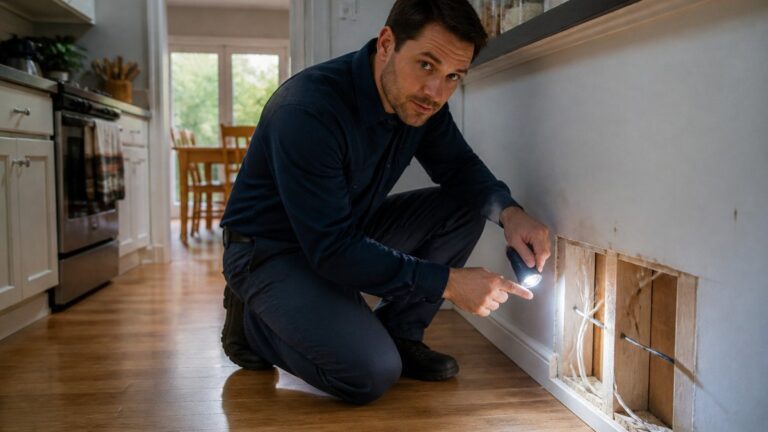
Look for droppings, gnaw marks, and grease smudges along walls. Check these areas first: the perimeter, loading docks, storage aisles, and areas behind equipment. If you find two or more signs in one area, treat it as an active infestation.
Stink Bugs and Other Nuisance Insects
Stink bugs and similar nuisance insects often gather on sunny walls and window frames before moving into voids. They rarely damage structures, but large numbers can create a serious nuisance in offices and common areas. Seal gaps around windows and siding to reduce entry. Boxelder bugs follow the same pattern, clustering on warm surfaces in fall before seeking shelter.
Stored-Product Pests: Beetles and Moths
Stored-product pests such as beetles and moths infest grains, flour, dried goods, and packaging. A small infestation can spread quickly through a storage area. Rotate stock, keep containers sealed, and inspect incoming shipments before they reach storage. Look for webbing, larvae, and damaged packaging as early clues.
Facility type matters. Food processing plants face the highest risk from rodents, cockroaches, and stored-product pests because of the combination of food, moisture, and warmth. Warehouses and distribution centers see more rodent and stored-product issues tied to incoming shipments. Manufacturing and light industrial sites often deal with nuisance insects and occasional rodent intrusions.
Orkin overview of common pests in manufacturing facilities
Signs of Mice in a Warehouse
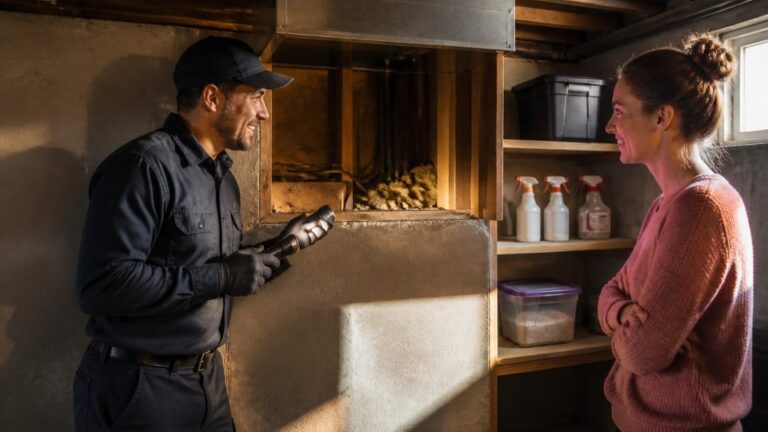
Mice leave clear clues if you know where to look. Walk the perimeter, loading docks, and storage aisles regularly with a flashlight.
- Droppings, especially along walls and behind equipment
- Gnaw marks on packaging, pallets, and wiring
- Grease marks along baseboards and pipes
- Nesting material such as shredded paper or insulation
- Tracks in dust or spilled material
If you find two or more of these signs in one area, treat it as an active infestation.
Visit Pest Pro Exterminator For Pest Control Services In Calgary And Surrounding Areas →
Pest Inspection Checklist for Industrial Facilities
A regular inspection catches problems early. Use this checklist during each seasonal walkthrough:
- Check door sweeps and seals on all exterior doors
- Inspect loading bay gaps and dock seals
- Look for gaps around pipes, vents, and cables
- Review storage areas for damaged packaging
- Check waste areas and drains for activity
- Record any sightings with date and location
- Confirm that cleaning schedules are being followed
Keep a simple log. Patterns in the records often show where the problem starts.
Fall Pest Prevention for Businesses
Fall is the best time to act, before pests settle in for the winter. Fall is a good time to plan ahead, before pests settle in for the winter. The sections below cover a facility checklist and a seasonal calendar to help you act before the cold drives pests inside.
Facility-Specific Prevention Checklist
Use this checklist during your fall walkthrough. Each item targets a known entry point or attractant in industrial settings.
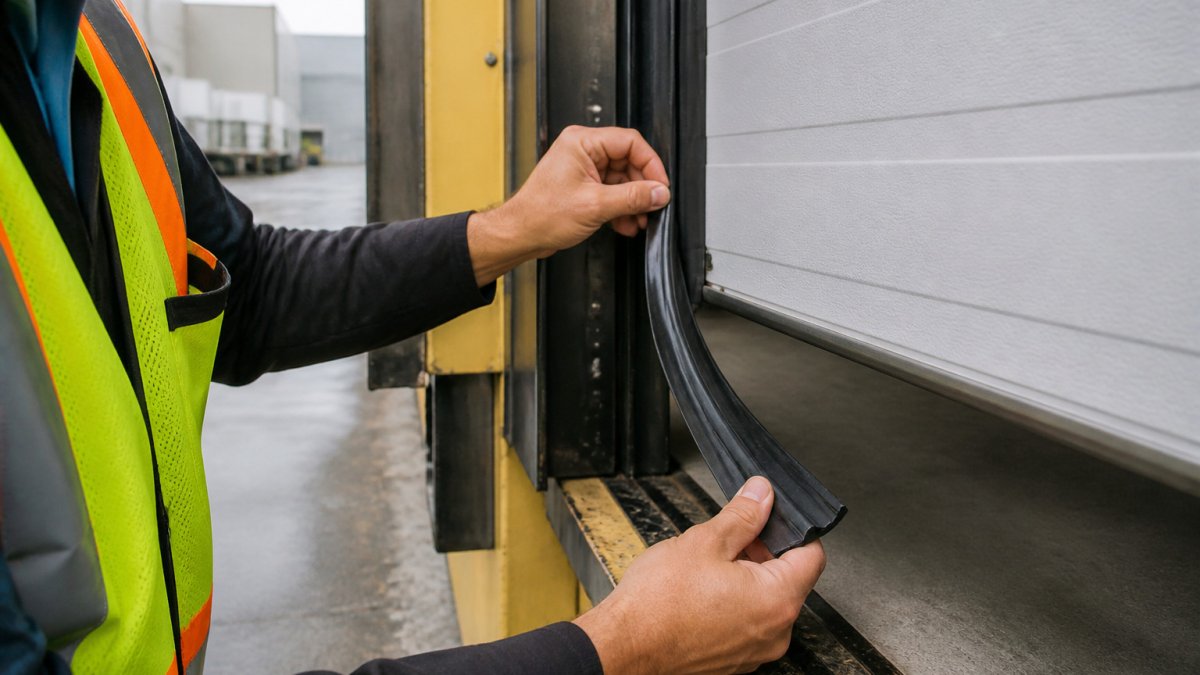
- Dock doors and loading bays: Check seals and sweeps on every dock door. Gaps under dock levelers and worn brush seals are common entry points for rodents. Keep doors closed when not in use.
- Receiving areas: Inspect incoming pallets and cartons for droppings, gnaw marks, and live insects before they enter storage. Reject or isolate suspect shipments.
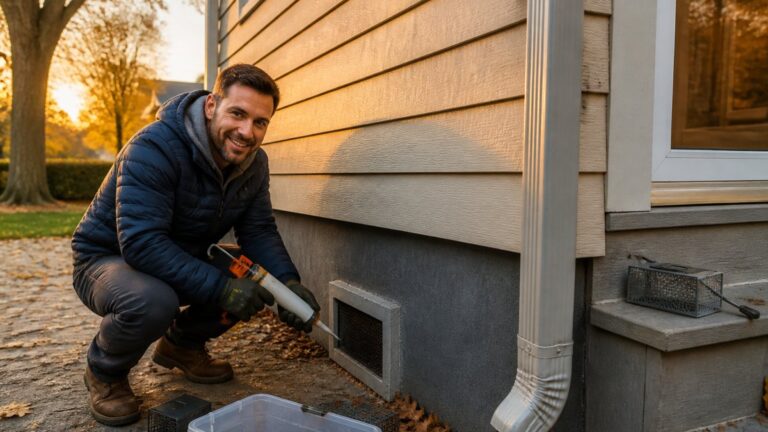
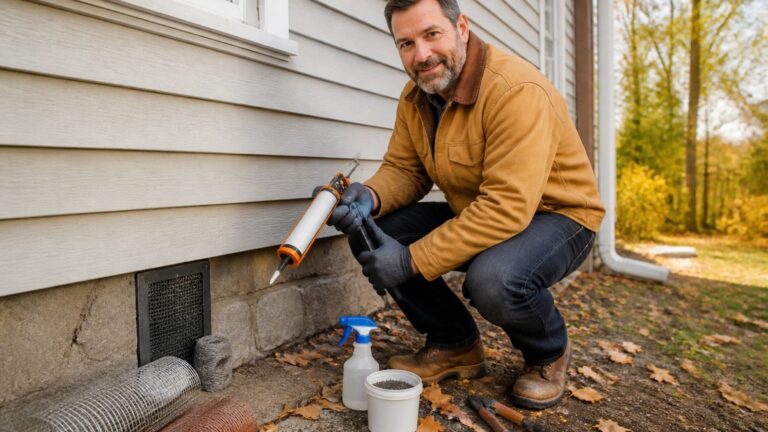
- Building envelope: Repair cracked foundations, damaged screens, and worn door seals. Seal gaps around pipes, vents, and cables with appropriate materials.
- Waste zones: Keep waste containers lidded and away from exterior walls. Remove cardboard waste promptly, since it attracts pests and provides nesting material.
- Drains: Check floor drains and grease traps for fly activity and organic buildup. Clean on a schedule.
- Storage practices: Keep storage at least a short distance off exterior walls to reduce hiding spots. Store goods in sealed plastic or metal containers where possible. Rotate stock and inspect for damaged packaging.
- Monitoring devices: Place rodent stations and insect monitors in high-risk spots: perimeter walls, loading docks, storage aisles, and near drains. Record activity with date and location.
- Sanitation schedules: Confirm that cleaning schedules are being followed, especially around food and waste areas.
Seasonal Pest Calendar for Industrial Facilities
Pest pressure shifts with the seasons. Use this calendar to time your monitoring and prevention work.
| Season | What to expect | Priority actions |
|---|---|---|
| Fall | Rodents and nuisance insects seek shelter; stink bugs and boxelder bugs cluster on warm walls | Seal entry points, inspect incoming shipments, set monitoring stations, tighten sanitation |
| Winter | Rodents remain active indoors; stored-product pests continue in heated storage | Maintain monitoring, inspect storage regularly, keep dock doors closed |
| Spring | Ants and flies become active; rodents may move back outdoors | Check perimeter, clean drains, review winter monitoring data |
| Summer | Fly and ant pressure peaks; stored-product pests thrive in warm storage | Increase sanitation frequency, check waste zones, monitor drains |
Integrated Pest Management Workflow
Prevention works best as an ongoing routine rather than a one-time job. The steps are straightforward:
- Inspect: Walk the facility regularly, focusing on entry points, storage, waste, and drains.
- Monitor: Monitoring devices can help detect activity early. Record findings with date and location.
- Set thresholds: Decide what level of activity triggers action. A common pattern is to treat any rodent sighting or two or more signs in one area as an active issue.
- Correct: Fix the underlying cause, whether that is a gap in the building envelope, a sanitation lapse, or a storage practice.
- Document: Keep a simple log of sightings, corrections, and follow-up. Patterns in the records often show where the problem starts.
- Follow up: Re-inspect after corrections to confirm the problem is resolved.
Pests often arrive on incoming pallets and cartons. Inspect deliveries before they enter storage, and isolate suspect shipments until they can be checked.
Prevention works best when it is built into daily operations. A fall walkthrough, a seasonal calendar, and a documented IPM workflow reduce the chance that a small problem turns into a large one during the cold season.
Warehouse Pest Prevention Measures That Hold Up Through Winter
Prevention works best when it is built into daily operations rather than treated as a one-time job.
- Keep storage at least a short distance off exterior walls to reduce hiding spots
- Store goods in sealed plastic or metal containers where possible
- Remove cardboard waste promptly, since it attracts pests and nesting material
- Keep dock doors closed when not in use
- Schedule regular inspections and act on findings quickly
These measures reduce the chance that a small problem turns into a large one during the cold season.
Booking Your Fall Pest Assessment With Pest Pro Exterminator
If you have seen signs of pests or want to prepare before winter, a professional assessment gives you a clear picture of your risks. Pest Pro Exterminator provides professional residential and commercial pest management services in Calgary and Southern Alberta. Request a free quote or consultation to get started before the cold season sets in.
Frequently Asked Questions
What pests are common in industrial facilities?
Rodents such as mice and rats, cockroaches, ants, flies, and stored-product pests such as beetles and moths are the groups most often reported in manufacturing and food-handling facilities. Food-establishment guidance from the Canadian Food Inspection Agency notes that insects, rodents, and birds can contaminate food, which makes their presence a safety issue as well as a nuisance. Stink bugs also move indoors in cooler months and can be found in buildings across the region. Regular monitoring helps identify which groups are active at your site before they spread.
Why do mice enter buildings when the weather gets colder?
As outdoor temperatures fall, mice look for shelter, warmth, and food, and buildings offer all three. They can squeeze through openings the size of a pencil, so small gaps around doors, utility penetrations, and foundation seams are common entry points. Sealing these gaps before fall and checking them again before winter reduces the number of animals that come inside. Waiting until you see droppings or gnawing usually means the population has already grown.
How can industrial facilities prevent pests in fall and winter?
Start with an inspection of the building exterior, loading doors, and roof penetrations to find gaps and damaged seals. Store food products and packaging in sealed containers off the floor, and keep waste areas covered and removed on schedule. Keep records of any sightings and treatments so trends can be spotted early. Combining these steps with professional monitoring gives a documented, repeatable program rather than a one-time response.
When should a business call a pest management professional?
Call a professional as soon as you see signs of rodent activity, a recurring insect problem, or pests in areas where food or products are handled. Early assessment is usually less disruptive and less costly than treating an established infestation. Pest Pro Exterminator provides residential and commercial pest management services in Calgary and Southern Alberta. Pricing depends on the size and condition of the site, so request a quote for current figures.
Call Pest Pro Exterminator to book your assessment and protect your facility before winter arrives.