7 Steps to Secure Your Attic Against Raccoons
Last Updated: October 28, 2026
Quick Summary
To secure attic against raccoons, inspect the roofline from the ground up for gaps in soffits, vents, chimney caps and flashing, then seal every opening with galvanized hardware cloth or metal flashing fastened with screws. Do this in early fall, before temperatures drop, and remove outdoor food, water and shelter that draw raccoons and overwintering insects toward your home.
- Raccoons can squeeze through openings the size of a fist, so check soffits, vents and flashing carefully.
- Use galvanized steel hardware cloth, which resists chewing and rust, to cover entry holes.
- Confirm the attic is empty and wait for a quiet period before sealing any hole.
- Lock garbage bins and bring pet food and bird seed indoors at night.
- Trim tree branches within roughly two meters of the roof, since raccoons and insects use them to reach the house.
Table of Contents
- Why Raccoons and Other Pests Move Indoors in Fall and Winter
- Signs of Raccoons in the Attic
- Inspecting the Roofline for Raccoon Entry Points
- How to Seal a Raccoon Entry Hole Safely
- Reducing Outdoor Conditions That Attract Raccoons
- Removing Animals Already Inside Safely
- When to Call a Professional for Raccoon Removal
- Booking Your Fall Attic Inspection With Pest Pro Exterminator
- Frequently Asked Questions
Why Raccoons and Other Pests Move Indoors in Fall and Winter
When the temperature drops in Calgary, pests start looking for warm, dry shelter. Mice, insects, and raccoons all share the same goal: a sheltered spot to wait out the cold. Your home offers exactly that, which is why knowing how to secure attic against raccoons is worth doing before the first frost.
Many homeowners notice the first signs in late September or October. Mice slip through small gaps, stink bugs gather on sunny walls, and raccoons test roof edges for an easy way in. A common mistake is waiting until you hear scratching in the attic before doing anything. Proactive maintenance requires inspecting roof integrity to identify hidden vulnerabilities before they become entry points for pests or sources of water damage.
Getting ready early makes the work far easier. Take steps now to secure attic against raccoons before the cold season sets in.
Signs of Raccoons in the Attic
Raccoons leave clear clues if they have moved into your attic. Look for these warning signs:
- Scratching or thumping sounds, especially at dawn and dusk
- Droppings in the attic or on the roof near the eaves
- Chewed wood, torn insulation, or pulled-apart vent screens
- A musky, strong smell that gets worse over time
- Dark stains or greasy marks along the roofline
Raccoons are most active at night, so you may hear them before you see them. If you notice more than one of these signs, act quickly.
Inspecting the Roofline for Raccoon Entry Points
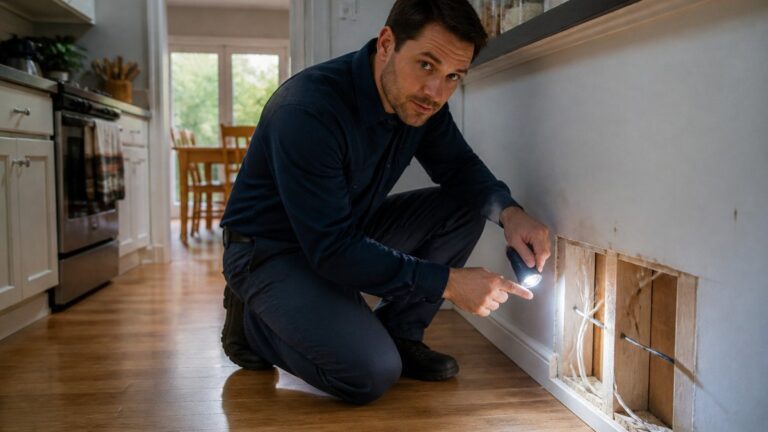
Raccoons are strong climbers and can squeeze through openings the size of a fist. Start your inspection from the outside, working from the ground up to the roof.
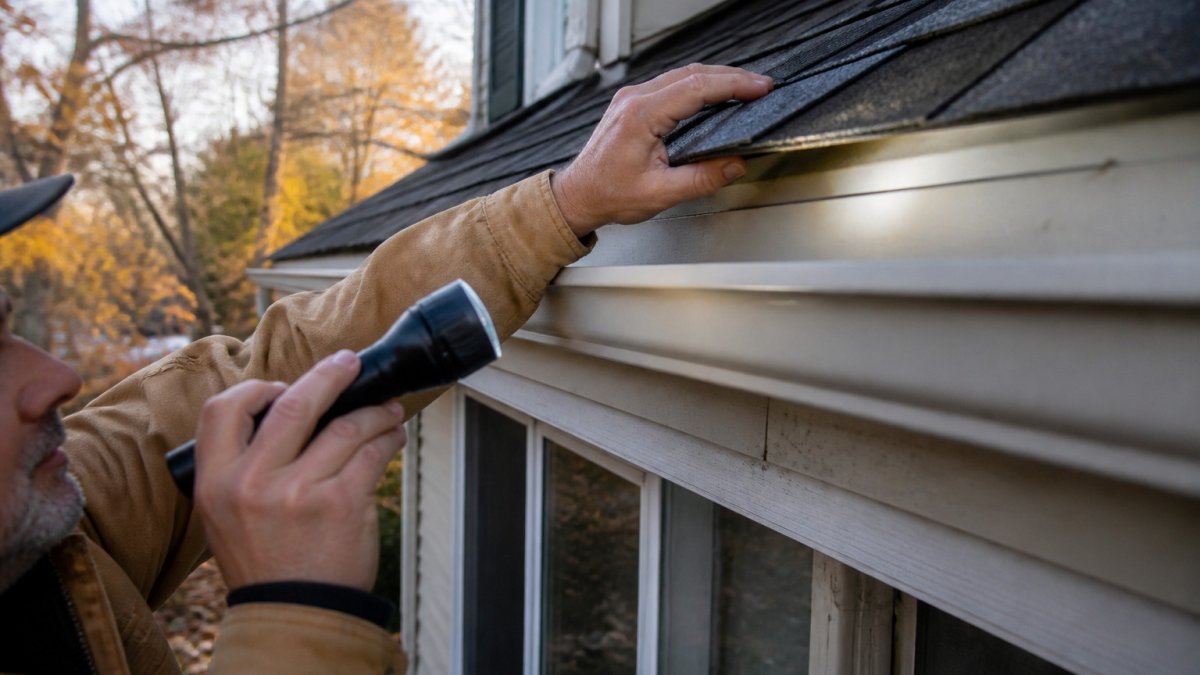
Focus on these areas first:
- Soffits and eaves, especially corners where boards meet
- Roof vents, gable vents, and dryer vent covers
- Chimney caps and the gap around the flue
- Where the roof meets the wall, including flashing
Room-by-Room and Exterior Inspection Checklist
- Soffit boards are tight and free of holes
- Gable and roof vents have intact, metal mesh screens
- Chimney cap is in place and undamaged
- Attic door and hatch seal fully when closed
- No gaps around pipes or wires entering the attic
- Dryer and bathroom vents have working flap covers
- Garbage bins and pet food are kept sealed and indoors
- Tree branches do not touch the roof or siding
How to Seal a Raccoon Entry Hole Safely
- Make sure the attic is empty first. Listen for sounds and check for signs of activity before you close anything.
- Wait for a quiet period. Mothers with young are often away during the day, so work in the early evening or morning.
- Use a one-way exclusion device if an animal may be inside. This lets the animal leave but not return.
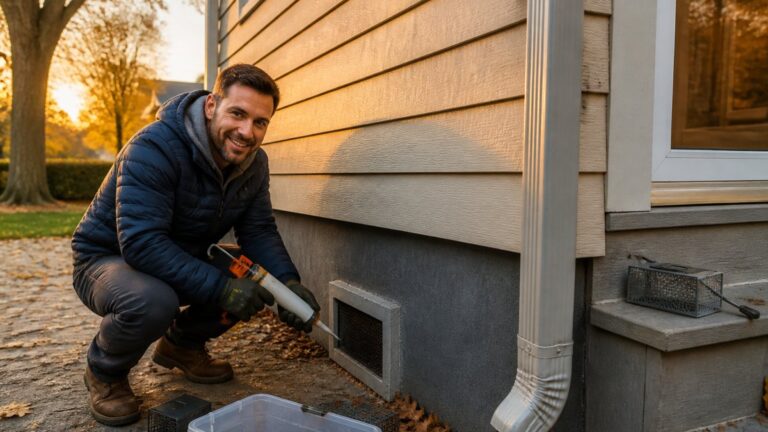
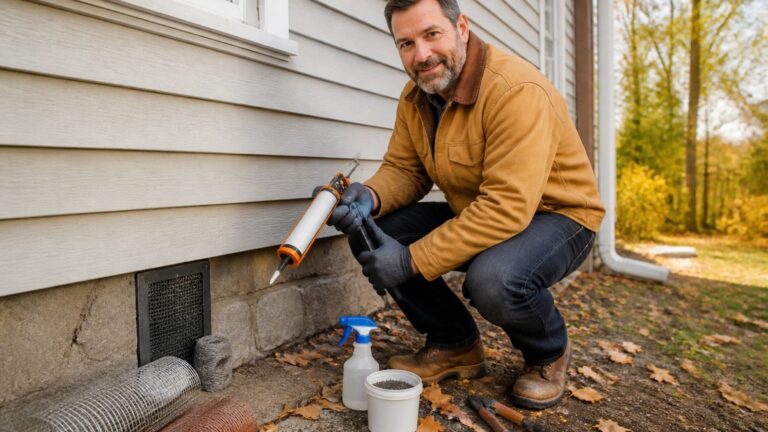
- Cover the hole with sturdy metal mesh or hardware cloth. Fasten it firmly with screws, not just nails.
- Seal the edges with exterior-grade caulk or foam. This keeps out cold air and small pests.
Materials That Hold Up Against Chewing and Pushing
- Galvanized steel hardware cloth: Resists chewing and rust
- Sheet metal flashing: Good for covering larger gaps along the roof
- Exterior-grade expanding foam: Fills small cracks, but raccoons can chew through it, so cover it with mesh
- Exterior-grade caulk: Seals seams and joints
Reducing Outdoor Conditions That Attract Raccoons
Raccoons return to yards that offer food, water, and shelter. But the same outdoor conditions that draw raccoons also draw the overwintering insects, stink bugs, cluster flies, lady beetles, and boxelder bugs, that will spend the cold months inside your walls and attic. Reducing attractants works on both fronts.
Visit Pest Pro Exterminator For Pest Control Services In Calgary And Surrounding Areas →
Remove Food and Water Sources
- Garbage bins: Use locking lids and rinse bins periodically. Raccoons learn routines quickly, so put bins out the morning of pickup rather than the night before.
- Pet food and bird feeders: Bring both indoors at night. Bird seed also attracts mice and insects.
- Fallen fruit and garden waste: Pick up fallen fruit promptly; it draws raccoons, wasps, and flies.
- Compost: Use a closed, raccoon-resistant bin and avoid adding meat or dairy.
- Standing water: Empty saucers, buckets, and clogged gutters. Moisture near the foundation also invites insects and rodents.
Remove Shelter and Access
- Tree branches: Trim any branch within roughly two meters of the roof or siding. Raccoons use branches as bridges; insects use them as launch points.
- Leaf piles and yard debris: Raccoons and mice nest in them, and overwintering insects shelter in leaf litter. Clear debris away from the foundation and out of window wells.
- Woodpiles: Store firewood off the ground and away from the house; woodpiles harbor mice and insects.
- Space under decks and sheds: Close it off with sturdy mesh or lattice to remove a ready-made den site.
- Overgrown shrubs against the house: Prune back so there is a gap between vegetation and siding. This improves airflow and removes a sheltered pathway for pests.
Why This Matters for Overwintering Insects
Stink bugs, cluster flies, lady beetles, and boxelder bugs do not come inside to feed, they come inside to survive the cold. They gather on warm, sunny exterior walls in fall, then work into cracks, soffits, and window frames. Reducing outdoor shelter and sealing the openings they use is the most effective prevention. Crushing them indoors can stain surfaces and leave an odor, so removal is better than squashing.
Timing the Work
Most of this work is best done in late summer and early fall, before nighttime temperatures drop consistently. A second pass in early spring catches pests that overwintered and are now emerging. A simple way to measure success is fewer indoor sightings, sealed openings confirmed on a follow-up inspection, and no new droppings or rub marks.
Raccoons, mice, and overwintering insects all look for the same things outdoors, so these fixes cut down on pests on both fronts.
| Attractant | Why it draws pests | Fix |
|---|---|---|
| Garbage bins | Raccoons learn routines and seek food | Use locking lids and rinse bins regularly |
| Pet food and bird seed | Feeds raccoons, mice, and insects | Bring both indoors at night |
| Fallen fruit and garden waste | Attracts raccoons, wasps, and flies | Pick up fruit promptly |
| Standing water | Draws insects and rodents near the foundation | Empty saucers, buckets, and clogged gutters |
| Tree branches | Raccoons use them as bridges; insects use them as launch points | Trim branches within roughly two meters of the roof |
| Leaf piles and yard debris | Shelter for mice, raccoons, and overwintering insects | Clear debris from the foundation and window wells |
| Woodpiles | Harbor mice and insects | Store firewood off the ground and away from the house |
| Space under decks and sheds | Ready-made den site | Close it off with sturdy mesh or lattice |
Removing Animals Already Inside Safely
- Waiting for the mother to leave, then sealing the entry point
- Using a one-way exclusion door so the animals can leave on their own
- Calling a licensed wildlife removal professional
When to Call a Professional for Raccoon Removal
- A large or ongoing problem with multiple animals
- Babies (kits) in the attic
- Damage to insulation, wiring, or structural wood
- Droppings in the living space or near the attic hatch
- Repeated animal entry after you have sealed the home
Booking Your Fall Attic Inspection With Pest Pro Exterminator
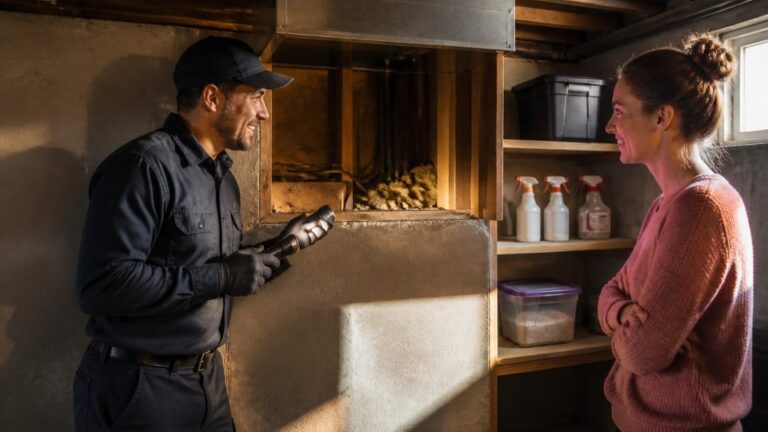
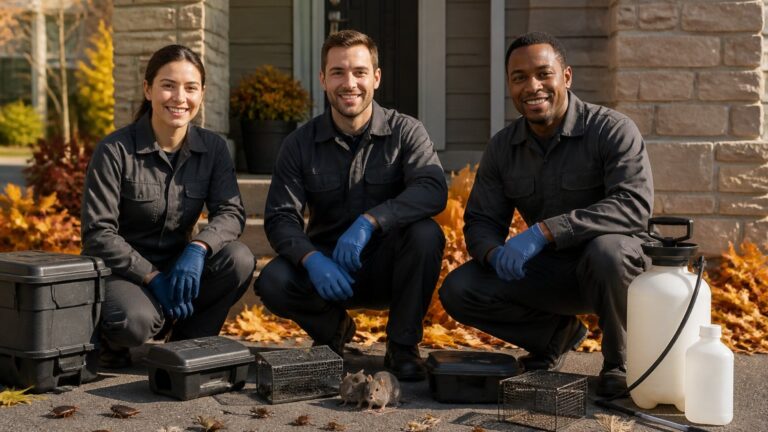
Preparing your attic before winter is much easier with an expert check. At Pest Pro Exterminator, our team can inspect your roofline, vents, and attic for entry points and signs of activity, then recommend the right next steps. If you want help getting ready for the season, book a pest inspection with Pest Pro Exterminator and start the fall with a sealed, protected home.
Frequently Asked Questions
How do I keep raccoons out of my attic?
Keep raccoons out by closing every opening larger than a few centimetres in the roof, soffits, vents and gable ends. Use hardware cloth or heavy-gauge metal rather than foam or thin screen, because raccoons chew and pry at weak materials. Trim tree branches that reach the roofline, since raccoons use them as a bridge. Cap chimneys with a sturdy mesh cover and remove food sources such as pet food and unsecured garbage near the house. Check the seals every fall, before cold weather pushes animals to look for shelter.
How can I tell if a raccoon is living in my attic?
Look for scratching or thumping sounds that are heavier than mice, usually at dawn or dusk when raccoons move most. Dark, greasy marks along the roof edge or near a vent point to a regular entry route. Droppings in one corner, torn insulation, and a strong musky odour are other common signs. Scattered food wrappers or nesting material near a gable vent also suggest an animal has settled in. If you suspect a raccoon, avoid sealing the opening until you are sure no animal is inside.
Can I seal an attic opening if a raccoon may be inside?
Do not seal an entry point until you are confident no animal is trapped inside, because a sealed raccoon can become aggressive and cause more damage while trying to escape. Watch the opening for a night or two to see whether an animal comes and goes. Once you are sure the attic is empty, seal the opening with hardware cloth fastened over the gap. If you hear movement, a young animal may be present, so contact a professional rather than attempting removal yourself.
When should I call a professional about raccoons in the attic?
Call a professional if you hear a family of animals, see signs of young, find widespread damage to insulation or wiring, or cannot locate the entry point. Professionals can confirm what is inside, remove animals humanely, repair the opening and advise on exclusion. Ask for a written description of the work and whether the entry points will be sealed after removal. Contact Pest Pro Exterminator for a consultation, and request a quote for current pricing, which depends on the scope of the inspection and repair.
Pest Pro Exterminator offers professional residential and commercial pest management across Calgary and Southern Alberta, backed by over 18 years of combined experience. Contact us to book a free quote or consultation and protect your property before the cold weather arrives.