How Do You Keep Pests Out of Your Pet-Safe Home This Fall?
Last Updated: October 30, 2026
Quick Summary
Safe pest control for pets starts with keeping pests out. Walk the exterior to find gaps, seal them with metal mesh topped with caulk, store food in sealed containers, and remove clutter. If mice are already inside, use exclusion or enclosed traps and keep poisons out of reach.
- Pests move indoors as fall weather cools because homes offer warmth, shelter and food.
- Walk the exterior perimeter slowly and mark every gap you find.
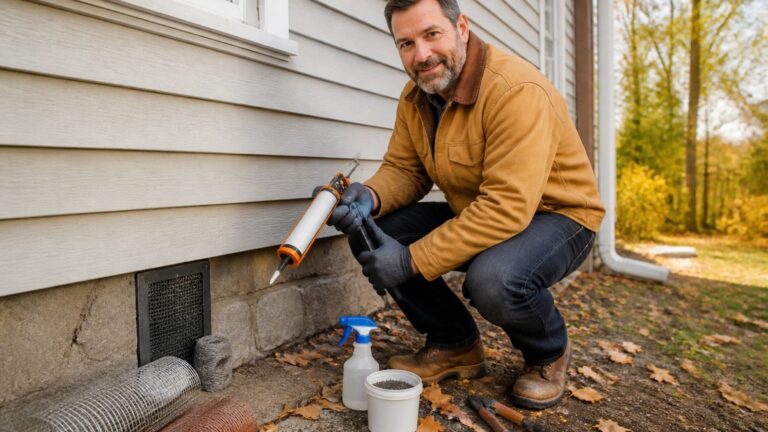
- Seal gaps with copper mesh or steel wool, then cap with exterior-grade caulk.
- Expanding foam alone gets chewed through, so it should never be the only barrier.
- Use enclosed traps that pets cannot reach, and keep rodent poisons out of reach.
Table of Contents
- Why Pests Move Indoors When the Weather Cools
- Step 1: Walk the Exterior Perimeter for Entry Points
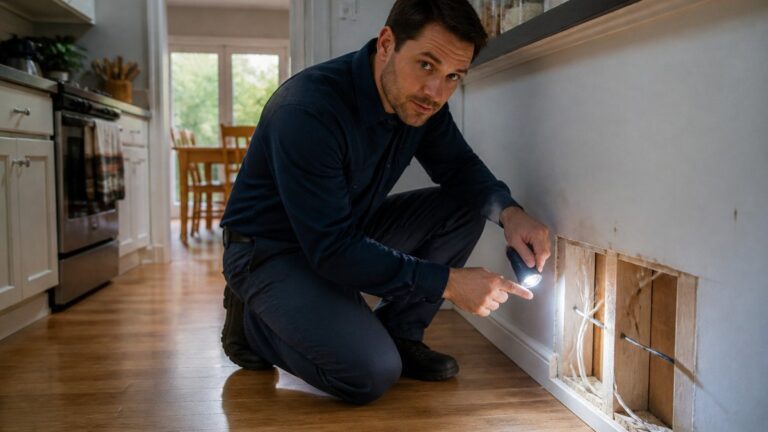
- Step 2: Inspect the Interior and Look for Signs of Activity
- Step 3: Seal Gaps, Cracks, and Vents With Durable Materials
- Step 4: Remove Food, Clutter, and Shelter Sources Inside
- Choosing Pet-Safe Mouse Control Methods
- Pest Control Treatment and Your Pets: Safety Precautions
- Booking Your Fall Pest Inspection With Pest Pro Exterminator
- Frequently Asked Questions
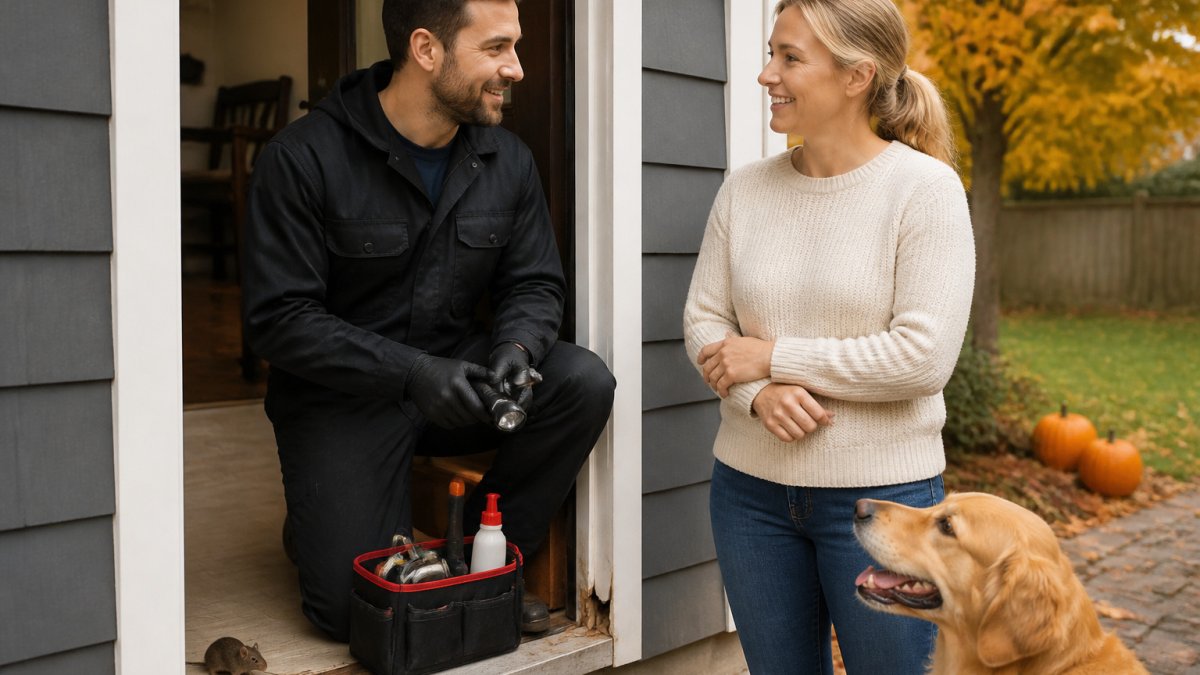
As the nights cool down each fall, mice, spiders, earwigs and other nuisance insects start looking for a warm place to spend the winter. Many of them end up inside homes through gaps most people never notice.
Pests do not move indoors because they are looking for trouble. Local homeowners often see sparrows getting into house vents as cold weather arrives.
Why Pests Move Indoors When the Weather Cools
As outdoor temperatures fall, rodents and insects lose the food and shelter they had over the summer. Mice in particular are looking for stable warmth, and a house offers that all winter long. The problem is usually not one big hole but many small openings that add up.
Common reasons pests come inside in fall:
- Cold weather pushes them away from leaf litter, sheds and woodpiles.
- Warm walls and attics hold heat that draws them toward the building.
- Stored food and pet food gives them a steady supply once they get in.
Knowing why they come in makes the steps below easier to follow. Each step targets one of these reasons.
Step 1: Walk the Exterior Perimeter for Entry Points
Start outside. Walk slowly around the whole house, including the garage, decks and any outbuildings. Use this exterior perimeter checklist to spot gaps you might otherwise miss.
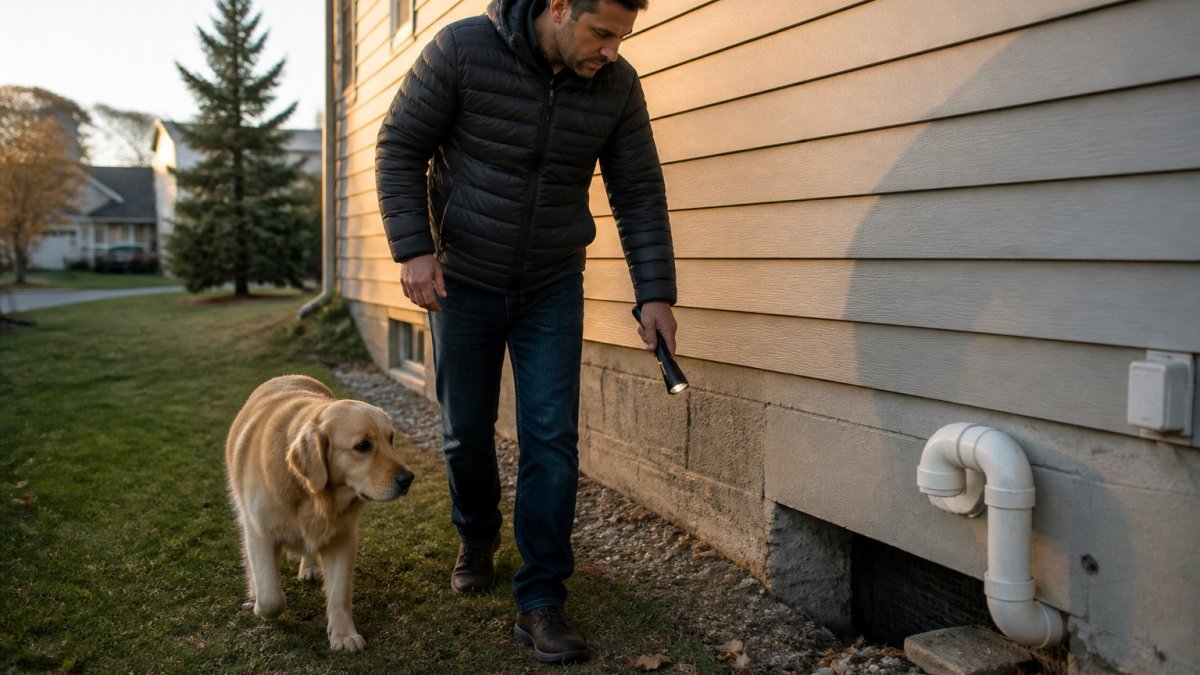
What to look for:
- Cracks or gaps where the foundation meets the wall
- Holes around outdoor taps, gas lines and electrical service entries
- Gaps under garage doors and around the edges of exterior doors
Mark each opening with painter’s tape or a pencil so you can find it again when you start sealing. A small gap you can slip a pencil into is large enough for a mouse.
Step 2: Inspect the Interior and Look for Signs of Activity
A walk-through without a sequence turns into a random search. Use a prioritized workflow so you check the highest-risk areas first and do not miss the spots pests actually use.
Visit Pest Pro Exterminator For Pest Control Services In Calgary And Surrounding Areas →
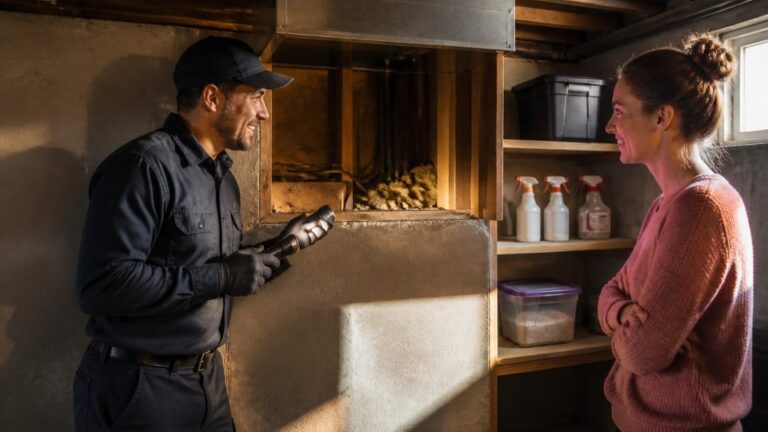
Prioritized interior inspection workflow
- Start where food is stored. Kitchen cabinets, pantry shelves, and pet food bins. Look for gnaw marks on packaging and droppings along the back edges.
- Check under and behind appliances. The refrigerator, stove, dishwasher, and washing machine sit in warm, dark spaces with water access.
- Move to the basement and crawl space. Inspect the sill plate, rim joist, and insulation for nests, droppings, and damaged material.
- Inspect the attic. Look at insulation, vents, and the roof line for daylight, gnaw marks, and nesting material.
- Walk the perimeter of each room. Check baseboards, corners, and behind stored items for rub marks and droppings.
- Check utility penetrations. Where pipes and wiring enter walls, look for gaps and chew marks.
Signs to watch for
- Droppings, especially along walls or near food storage
- Gnaw marks on food packaging, wood, or wiring
- Nests made of shredded paper, fabric, or insulation
Older-home inspection checklist
Older construction has weak points that newer homes do not. Check these specifically:
- Stone or brick foundations: crumbling mortar and gaps at the sill plate
- Crawl spaces: open vents, missing screens, and damp insulation
- Chimneys: no cap or a rusted screen
Safe cleanup and health precautions
Droppings and nesting material can carry germs, and disturbing them can send dust into the air (Hantavirus: Spread, prevention and risks). Do not sweep or vacuum dry droppings in an enclosed space. Wear gloves and a mask, dampen the area with a disinfectant, and wipe up rather than sweep. Bag the waste and seal it before disposal. If the contamination is extensive, or if droppings are in insulation or HVAC areas, professional remediation is the safer choice.
Photograph each sign you find and note the location. That record helps you confirm whether activity is ongoing after you seal and clean.
Follow-up monitoring
Inspection is not a one-time event. Recheck the same spots before and during cold weather. New droppings or fresh gnaw marks mean the exclusion work is incomplete, and it is time to re-walk the exterior.
Inspect in a fixed order, check older-home weak points, and clean up droppings safely. Recheck the same spots to confirm the problem is solved.
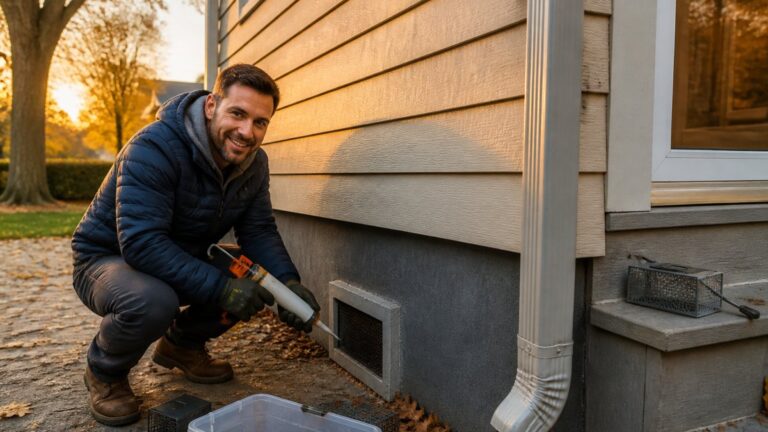
Step 3: Seal Gaps, Cracks, and Vents With Durable Materials
This is where most of the work happens, and it is also where most DIY sealing fails. The wrong material in the wrong spot can look fine in October and still be chewed open by winter. Match the material to the location, and think about how a rodent interacts with that surface.
Match the material to the opening
| Location | Best material | Why it holds up | Watch-outs |
|---|---|---|---|
| Gaps under 1/4 inch around pipes and utility lines | Copper mesh or stainless steel wool packed tight, then capped with exterior-grade caulk | Rodents cannot chew metal; the caulk holds the mesh in place and blocks air | Foam alone is chewable; never use it as the only barrier |
| Cracks in foundation, siding, and mortar | Exterior-grade polyurethane caulk or masonry repair compound | Flexible, paintable, and stays bonded through freeze-thaw cycles | Reapply if it pulls away; clean and dry the surface first |
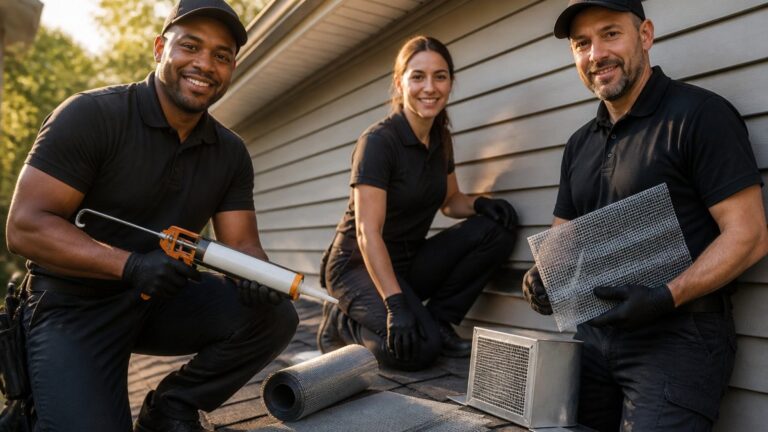
| Large vent and soffit openings | Hardware cloth (1/4-inch mesh) fastened with screws and washers | Rigid metal resists chewing and pushing | Staple only into solid framing; edges must overlap the opening |
| Exterior doors and garage doors | Door sweeps with metal or heavy rubber blades, plus weatherstripping | Closes the gap at the bottom and sides where mice slip through | Check the sweep for daylight; replace worn blades |
| Chimney and roof vents | Chimney caps and vent covers rated for wildlife exclusion | Stops rodents and birds from entering from above | Inspect annually; screens rust out |
| Dryer and bathroom exhaust flaps | Metal flap dampers that close fully | A flap that stays open is an open door | Clean lint and debris so the flap seats |
What mice can and cannot chew
A common pattern is that homeowners seal with expanding foam because it is fast, then find it chewed through within weeks. Mice gnaw through foam, plastic mesh, rubber, and thin wood. They do not chew through copper mesh, stainless steel wool, hardware cloth, or properly installed metal flashing. The practical rule: metal is the barrier, and caulk or foam is only the seal over it.
Older homes need extra attention
Homes built before modern building codes often have weak points that newer construction does not:
- Stone or brick foundations with crumbling mortar leave gaps that widen with freeze-thaw.
- Sill plates where the wood frame meets the foundation are a classic mouse highway.
- Crawl spaces with open vents and no screening.
Walk these areas specifically and repair mortar, add screening, and pack metal mesh around every penetration.
Do not seal a gap before you confirm no animal is inside. Trapping a pest in a wall or attic can make the problem worse and lead to odours and damage. Seal after you have confirmed the space is clear.
Repair durability and follow-up
Sealants fail over time, especially on sun-facing walls and around doors that move. Plan to recheck every seal before each cold season. A repair that lasts one winter is not a repair; it is a delay. Choose materials rated for exterior use and for the surface you are sealing, and replace torn screens rather than patching them with tape.
Metal blocks, caulk seals, and foam alone fails. Match the material to the opening, and recheck every seal before the cold arrives.
Step 4: Remove Food, Clutter, and Shelter Sources Inside
Pests are more likely to stay where food and shelter are easy to find. Cleaning up cuts off both.
- Store grains, cereal, pet food and birdseed in sealed containers made of glass, metal or thick plastic.
- Wipe crumbs and spills off counters and floors every day.
- Take out garbage and recycling regularly, and keep bins closed.
Pet owners should also pick up pet food bowls at night and clean up any spilled kibble right away.
Choosing Pet-Safe Mouse Control Methods
If you already have mice, or want a backup plan, pet-safe options matter. Many households with cats and dogs want to avoid products that could be eaten or tracked around the home, so safe pest control for pets should be the first thing you plan for.
Visit Pest Pro Exterminator For Pest Control Services In Calgary And Surrounding Areas →
Pet-safe approaches to consider:
- Snap traps placed inside bait stations that pets cannot reach
- Enclosed or covered traps that protect curious dogs and cats
- Exclusion (sealing entry points), which needs no poison at all
Be cautious with rodent poisons. They are dangerous if a pet eats a poisoned rodent or the bait itself. If you use any product, follow the label exactly, keep it out of reach, and check with your veterinarian about the safest option for your animals.
Pest Control Treatment and Your Pets: Safety Precautions
Professional treatments are often the most effective way to handle an active infestation, but they bring their own safety questions. Before any treatment, ask your provider which products they plan to use and how long pets and people should stay away from treated areas.
Practical precautions:
- Keep pets in a separate room or outside during treatment, as your technician advises.
- Remove or cover food bowls, toys and bedding in treated areas.
- Ask how long surfaces need to dry before pets return.
- Keep the treated area ventilated and clean up any product residue as directed.
Clear communication with your service provider is the best safeguard. Ask for written instructions you can follow at home.
Booking Your Fall Pest Inspection With Pest Pro Exterminator
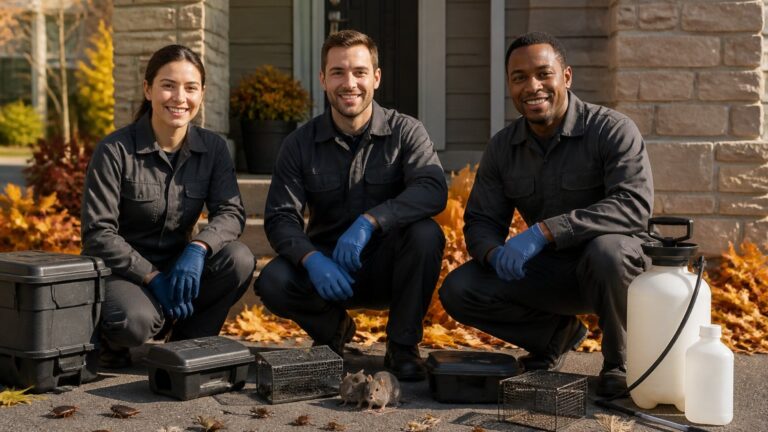
The steps above will help you catch many entry points on your own. A professional inspection can help identify the openings you miss and the pest involved. Pest Pro Exterminator provides professional residential and commercial pest management services in Calgary and Southern Alberta.
If you are ready to get ahead of the winter rush, book a fall pest inspection and talk through your options with the team.
Frequently Asked Questions
What is the best way to deter mice from coming into your house?
Start by sealing the entry points you can find, since mice can squeeze through openings about the width of a pencil. Use steel wool, metal mesh, or hardware cloth with caulk or sealant, because mice chew through soft materials like foam and plastic. Keep food in sealed containers, clear clutter in storage areas, and fix damaged door sweeps and screens. Combine these steps with regular inspection in fall, when mice look for shelter. Exclusion is more durable than any single product.
How do you find a mouse nest?
Look in quiet, undisturbed spaces such as attics, crawl spaces, behind appliances, inside wall voids, and under sinks. Signs include shredded material like paper, fabric, or insulation, droppings that look like grains of rice, and gnaw marks on wood or packaging. Check stored boxes and the back of cabinets. If you find a nest, avoid disturbing it with bare hands and wear gloves and a mask while cleaning. A professional inspection can confirm the nest location and the extent of the activity.
How can I keep mice out without using poison around pets?
Exclusion is the safest starting point because it requires no toxic products. Seal gaps, install door sweeps, and block vents with hardware cloth. Remove food sources by storing pet food in sealed containers and cleaning up crumbs nightly. Mechanical snap traps placed out of reach of pets can be used indoors, but keep them inside bait stations or behind furniture where pets cannot access them. Ask a pest professional to recommend pet-safe options for your specific situation.
How long should pets stay away after pest control treatment?
The required waiting period depends on the product used and the label instructions. Keep pets out of treated rooms until the treated surfaces are dry and the product has settled, and follow the timing given by your pest control provider. Ventilate the space, and keep pets away from baseboards, crawl spaces, and areas where bait was placed. If you are unsure which product was applied, ask the technician for the safety data and the recommended re-entry time before your pet returns to those rooms.