Why Mice Enter Homes When Temperatures Drop
Table of Contents
- Why Mice Enter Homes When Temperatures Drop
- Do Mice Hibernate in Winter?
- Signs of Mice in Your Home
- How Mice Get Into Houses
- How to Keep Mice Out of Your House in Winter
- Fall Rodent Prevention Strategy
- Health Risks and Why Professional Help Matters
- Frequently Asked Questions
Last Updated: October 7, 2026
Why Mice Enter Homes When Temperatures Drop
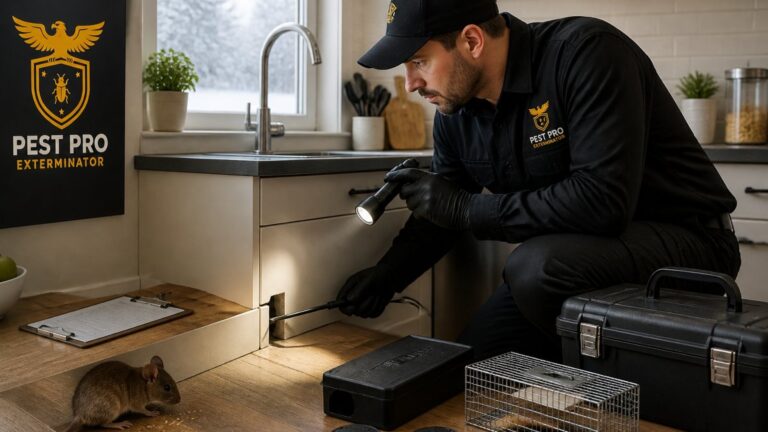
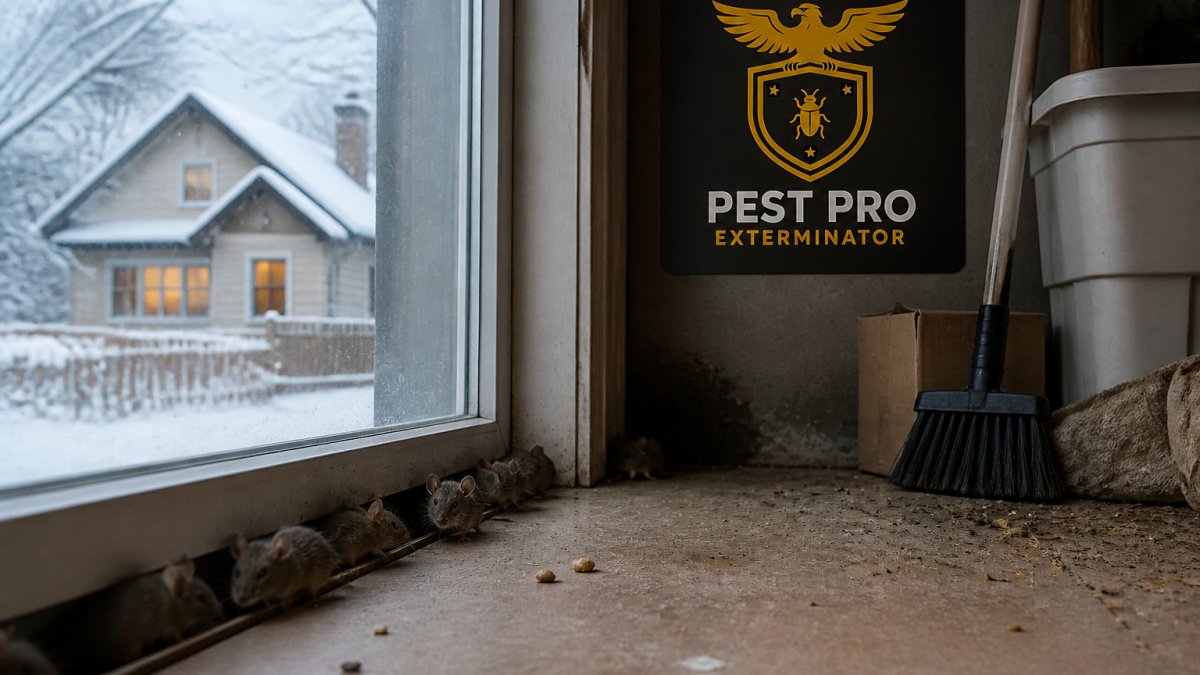
When fall arrives and temperatures begin to drop, mice enter homes in search of shelter. This seasonal concern makes your home an attractive target. Mice enter homes seeking warmth, food, and protection from the cold. Understanding why this happens is the first step toward keeping them out.
We help homeowners prepare for the seasonal invasion. The reality is simple: mice are driven indoors by survival instinct, not random chance. They need to survive, and your house offers everything they need to do it.
Thermal Regulation and Survival
Mice are warm-blooded animals that need to maintain their body temperature year-round. When outdoor temperatures drop below freezing, the energy cost of staying warm outside becomes unsustainable. A mouse loses heat rapidly in cold conditions. Moving indoors solves this problem instantly.
Your home maintains a steady temperature. For a mouse, this is the difference between survival and death. In winter, outdoor mice face constant threat from cold exposure. Inside your walls, attic, or basement, they can conserve energy and focus on finding food.
This isn’t about comfort; it’s about basic biology. Mice don’t think ahead or plan. They respond to immediate environmental pressure. Cold drives them inside. Once they find a warm space with access to food, they settle in and reproduce.
Mice can squeeze through gaps as small as a dime. Even tiny cracks in your foundation or gaps around pipes become entry highways during fall and winter months.
The Search for Food and Water
Warmth alone doesn’t sustain mice. They also need food and water. Winter eliminates outdoor food sources. Seeds, insects, and vegetation disappear under snow and ice. Your pantry, stored goods, and kitchen scraps represent a reliable food supply.
Water becomes scarce outside in winter too. Pipes freeze. Standing water ices over. Inside your home, mice find water from leaking taps, condensation, and moisture in walls. Combined with accessible food, this creates ideal conditions for mice to thrive.
Mice don’t need much. A few crumbs per day is enough. A single mouse can live on tiny amounts of grain, cereal, or pet food. This is why even clean homes can attract mice. A few overlooked crumbs in a pantry or spilled pet food in a garage creates a viable food source.
Do Mice Hibernate in Winter?
Mice do not hibernate. This is a common misconception. Hibernation requires preparation and a deep metabolic slowdown that mice cannot sustain. Instead, mice remain active throughout winter. They forage, breed, and establish nests in protected spaces.
Hibernating animals like bears enter a state of torpor for months. Their heart rate drops, their body temperature falls, and their metabolism slows dramatically. Mice lack this ability. They stay alert, active, and hungry all winter long.
What mice do is shift their behavior. They move indoors. They nest in insulation, wall cavities, and attic spaces. They become nocturnal foragers, searching for food at night when predators are less active. This behavioral shift, combined with their search for warmth and food, is why fall and winter see such dramatic increases in indoor mouse activity.
A single female mouse can produce 5-10 litters per year in ideal indoor conditions. Without intervention, a small infestation becomes a major problem within weeks.
Signs of Mice in Your Home
Detecting mice early prevents infestations from growing. The signs are often subtle at first. Many homeowners miss them until the problem becomes serious.
Visual Evidence and Droppings
Mouse droppings are the most reliable sign of infestation. They are small, dark, and rod-shaped, roughly the size of a grain of rice. Fresh droppings are dark brown or black. Older droppings fade to gray.
Look for droppings in these locations:
- Kitchen cabinets and pantries
- Under sinks and near pipes
- Attic corners and rafters
- Basement shelves and storage areas
- Behind appliances
Gnaw marks on wood, plastic, or food packaging indicate active mice. Mice must gnaw constantly to keep their teeth worn down. Fresh gnaw marks appear light in color. Older marks darken over time.
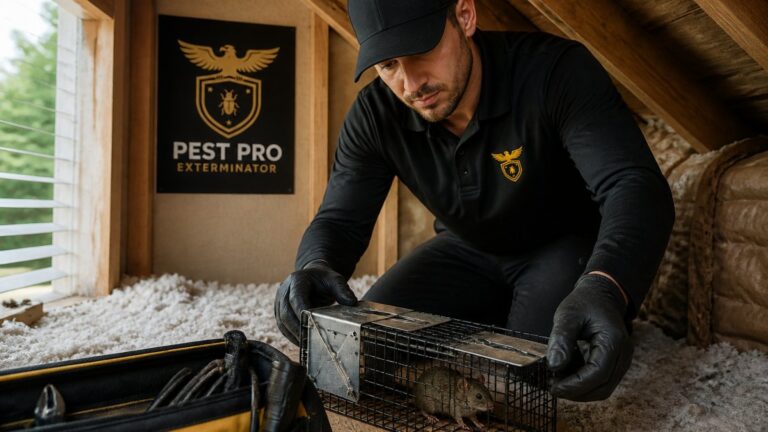
Nesting materials suggest mice are establishing themselves. Look for shredded paper, fabric, insulation, or plant material bundled into corners or wall cavities. Mice gather these materials to build nests where they raise litters.
Sounds and Activity Patterns
Mice are nocturnal. You’ll hear them most often at night. Listen for:
- Scratching in walls or ceilings
- Squeaking or chirping sounds
- Scurrying noises in attics or basements
- Gnawing sounds on wood or plastic
These persistent sounds often originate near gaps where cold air infiltrates the structure. These sounds often start in fall as mice enter homes when temperatures drop, becoming more active as they establish winter nesting sites and gather food stores.
Greasy smudges along baseboards and wall edges indicate regular mouse traffic. Mice follow the same routes repeatedly, leaving oil marks from their fur. These “rub marks” show where mice move through your home.
How Mice Get Into Houses
Mice don’t need large openings. This is what makes them such effective invaders. A gap the width of a pencil is enough for a mouse to squeeze through. As temperatures drop, mice actively search for entry points.
Common Entry Points and Structural Vulnerabilities
Foundation cracks are a primary entry route. Concrete settles and shifts over time, creating gaps between the foundation and sill plate.
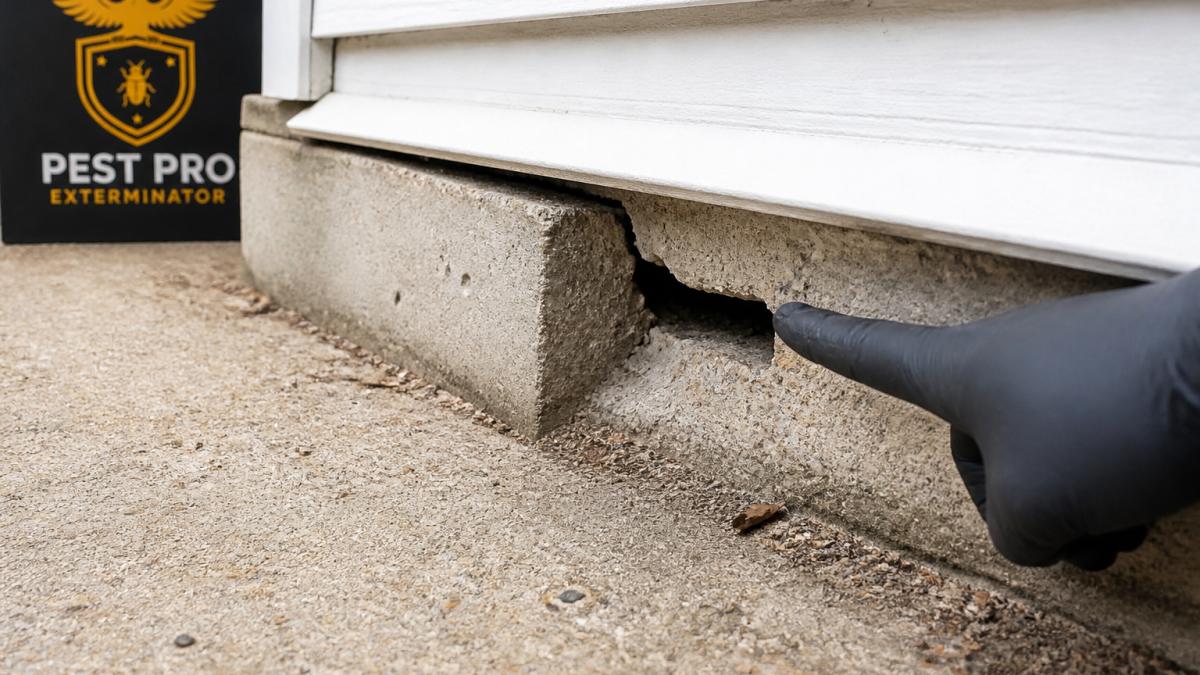
Gaps around utility penetrations provide easy access. Water lines, gas lines, electrical conduits, and drain pipes pass through your foundation. Contractors often leave gaps around these penetrations.
Weep vents in brick or stone foundations are designed for drainage but also serve as mouse highways. Many homes lack proper screening on weep vents, allowing mice to enter freely through unprotected vents.
Gaps around windows and doors accumulate over time. Weatherstripping deteriorates, caulk cracks and fails, and door sweeps wear out. Each of these creates a potential entry point.
Attic vents and soffit vents often lack proper screening. Damaged or missing screens allow mice direct access to attic spaces.
Roof penetrations, where pipes, vents, and chimneys pass through, frequently have gaps. Flashing fails, and caulk deteriorates. These gaps become entry points during fall and winter.
Mice don’t enter randomly. They follow scent trails left by previous mice. Seal entry points before fall to prevent this cycle from starting.
How to Keep Mice Out of Your House in Winter
Prevention is far more effective than dealing with an active infestation. The time to act is now, before temperatures drop and mice become desperate.
Sealing and Exclusion Techniques
Start with a thorough inspection of your home’s exterior. Walk around the perimeter and look for cracks, gaps, and openings.
Seal foundation cracks with concrete caulk or expanding foam. For larger gaps, use concrete patching compound. Allow proper curing time before the cold arrives.
Gaps around pipes and conduits can be sealed with expanding foam. Cut away excess foam after it hardens.
Install or repair door sweeps on all exterior doors. Door sweeps create a seal between the door and threshold. They’re inexpensive and highly effective.
Get A Free Pest Control Quote Today →
Replace damaged weatherstripping around windows and doors. Weatherstripping is affordable and easy to install. Most hardware stores carry multiple styles to fit different frames.
Steel wool is an excellent rodent deterrent. Mice cannot gnaw through steel wool. Pack steel wool around pipes, conduits, and small gaps.
Screen weep vents with hardware cloth. Secure the screening with caulk or sealant. This allows water drainage while blocking mice.
Install or repair screens on attic vents and soffit vents. Use hardware cloth for maximum effectiveness. Mice cannot chew through hardware cloth.
Eliminating Attractants
Remove food sources that attract mice. Store dry goods in airtight containers. Mice can chew through cardboard and paper packaging.
Clean up spilled food immediately. Vacuum regularly to remove crumbs. Pay special attention to areas under and behind appliances.
Secure pet food in airtight containers. Don’t leave pet food out overnight. Mice readily consume pet food and water.
Take out garbage regularly. Store garbage in sealed containers outside. Don’t leave garbage bags sitting in your home overnight.
Eliminate standing water. Repair leaking taps and pipes. Ensure gutters drain properly away from your foundation. Mice need water to survive. Removing water sources makes your home less attractive.
Declutter storage areas. Mice use clutter for nesting materials and hiding spots. Remove unnecessary boxes, paper, and fabric from basements, attics, and storage closets.
Trim vegetation away from your home’s exterior. Mice use dense vegetation as cover. Clear branches should be at least 1 meter away from your home.
Fall Rodent Prevention Strategy
A comprehensive prevention strategy addresses multiple factors simultaneously. Single interventions often fail; a layered approach works better.
Start your prevention efforts in late August or early September. Don’t wait until temperatures drop. Mice sense the coming cold and become more active in their search for shelter. Getting ahead of this seasonal behavior prevents problems from developing.
Conduct a thorough home inspection. Document all potential entry points. Prioritize sealing the largest gaps and most obvious entry routes first.
Implement exclusion measures immediately. Seal cracks, install door sweeps, and screen vents. These actions take time and effort, but they’re essential.
Eliminate food and water sources throughout your home. This includes your garage, basement, and attic, not just your kitchen.
Consider preventive treatments in high-risk areas. Pest Pro Exterminator offers customized prevention strategies tailored to your home’s specific vulnerabilities. Our team identifies entry points you might miss and implements solutions designed to keep mice out all winter long.
Monitor your home regularly. Check for new droppings, gnaw marks, or sounds. Early detection allows quick intervention before an infestation becomes established.
Health Risks and Why Professional Help Matters
Mice pose genuine health risks to your family.
Mice carry hantavirus in their droppings, urine, and saliva (Hantavirus: Spread, prevention and risks). Hantavirus causes serious respiratory illness in humans.
Mice also carry salmonella and other bacteria. These pathogens contaminate food preparation surfaces and stored food.
Mice damage insulation and electrical wiring. Damaged insulation reduces your home’s energy efficiency. Gnawed electrical wiring creates fire hazards.
Mice leave odor trails that attract more mice. Once an infestation starts, it accelerates rapidly. A few mice become dozens within weeks.
DIY approaches often fail. Store-bought traps catch some mice but miss others. Poison creates dead mice in inaccessible wall cavities, causing odor problems.
Professional pest control identifies and eliminates entry points. Our team uses exclusion techniques that prevent mice from entering in the first place.
We bring 18+ years of combined experience to every job. We understand how mice behave in Alberta’s climate.
Mice don’t invade your home by accident. They respond to environmental pressure and opportunity. Fall and winter create both.
Frequently Asked Questions
Why do mice enter homes when temperatures drop?
Mice seek warmth, shelter, and food sources when outdoor temperatures fall. They cannot generate enough body heat to survive sub-zero conditions and actively search for insulated spaces like attics, basements, and walls. Homes provide the thermal regulation mice need to survive winter, making them attractive targets for rodent infestation during the coldest months.
What are the most common signs of mice in your home?
Look for droppings (small, dark pellets) near food sources or in corners, gnaw marks on food packaging or wood, and nesting materials like shredded paper or fabric. You may also hear scratching sounds in walls or attics, particularly at night when mice are most active. Musty odors and visible damage to insulation are additional indicators of an active infestation.
How can I seal my house against mice before winter?
Inspect your home’s perimeter for foundation cracks, gaps around pipes, and openings near weep vents. Seal cracks with caulk or concrete filler, install door sweeps on exterior doors, and use steel wool or hardware cloth to block larger gaps. Weather stripping around windows and doors adds another layer of rodent-proof protection. Pay special attention to areas where utilities enter your home, as these are common entry points.
Do mice hibernate, or are they active all winter?
Mice do not hibernate. They remain active throughout winter, though they reduce activity during the coldest periods. Instead of hibernating, mice seek warm shelter indoors and rely on stored food and foraging to survive. This is why homes become attractive; they provide both thermal protection and access to food sources that support nocturnal activity year-round.