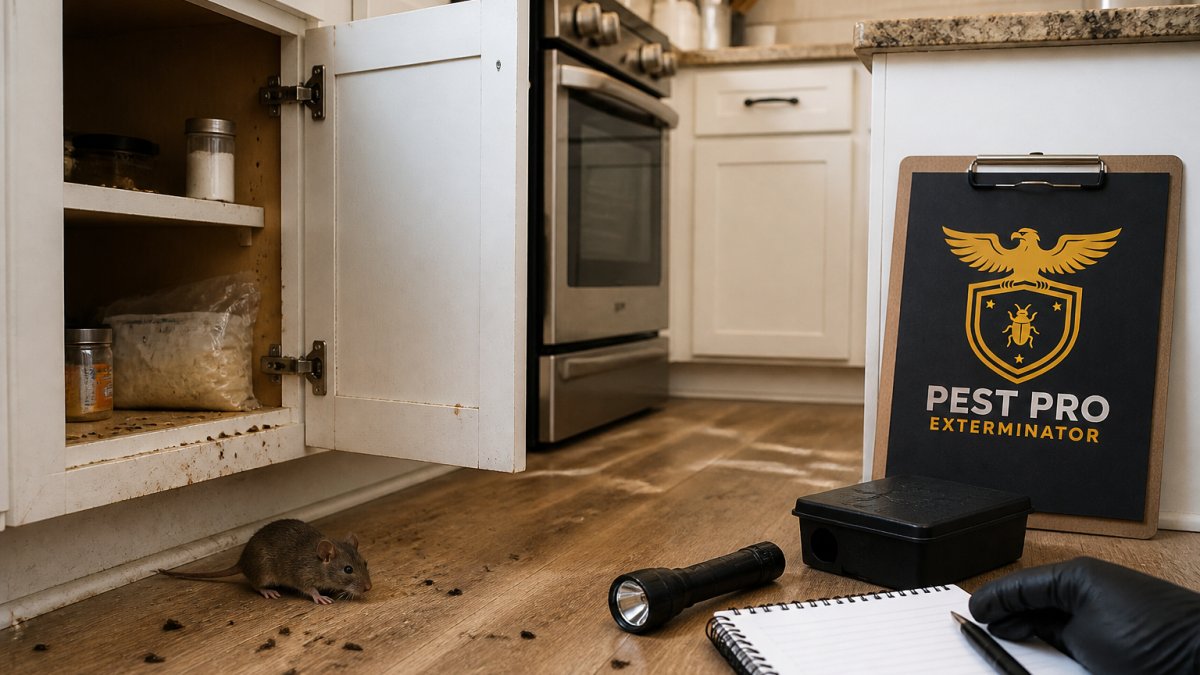
Signs of Rodent Infestation in Kitchen
Table of Contents
- Why Rodent Infestations Escalate in Fall and Winter
- Mouse Droppings in Kitchen: The First Visible Sign
- Gnaw Marks and Chewed Food Packaging
- Signs of Mice in Cabinets and Hidden Spaces
- Unusual Odors and Foul Smells from Rodent Activity
- Sounds of Scratching, Scurrying, and Squeaking
- Rodent Entry Points Around Kitchen and Foundation
- How to Keep Mice Out of Kitchen During Cold Months
- Frequently Asked Questions
Last Updated: October 9, 2026
Why Rodent Infestations Escalate in Fall and Winter
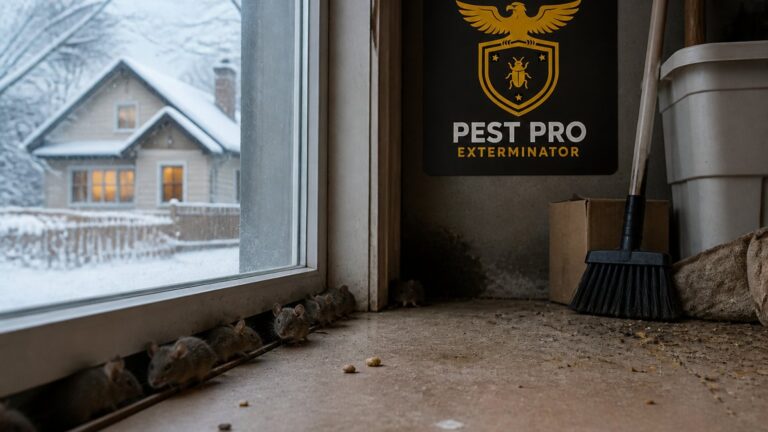
As temperatures drop, rodents seek shelter indoors. Mice and rats move into homes searching for warmth, food, and nesting spaces.
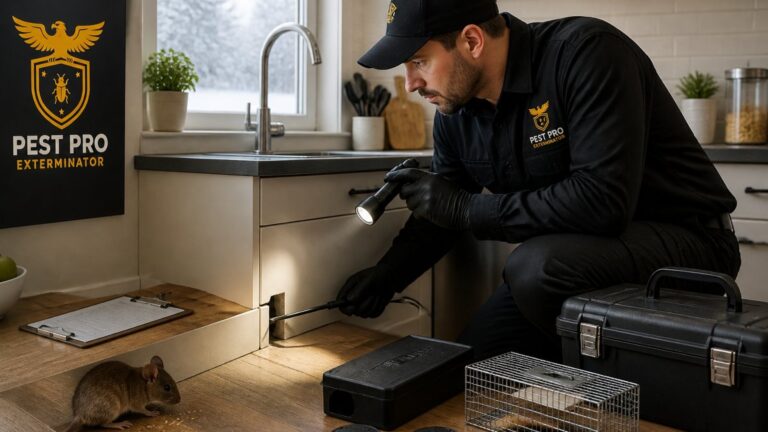
Your kitchen is the most attractive target. It offers food sources, water access, and hidden spaces behind appliances.
Homeowners often wait too long before reaching out.
The good news: you can spot early warning signs before the problem spreads. Knowing what to look for gives you a critical advantage.
Mouse Droppings in Kitchen: The First Visible Sign
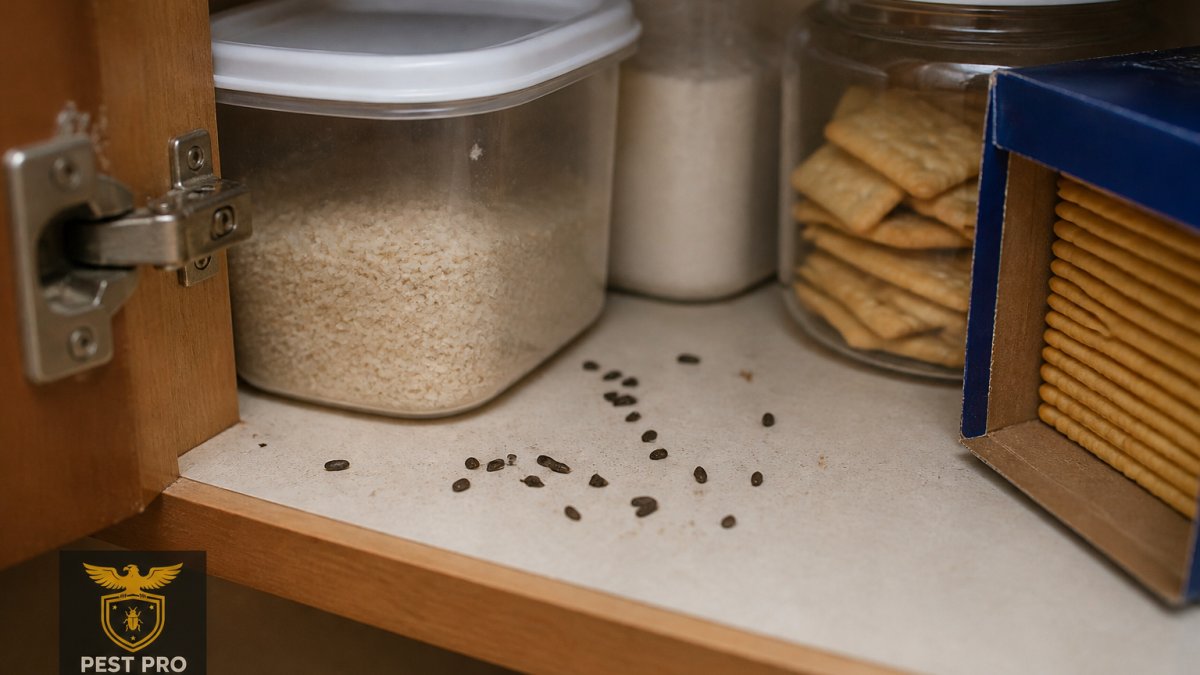
Mouse droppings are the most common indicator of rodent activity in your kitchen. These small, dark pellets appear in areas where mice travel and feed. You’ll find them in these locations:
- Inside kitchen cabinets and drawers
- Along baseboards and behind appliances
- Near food storage areas and pantries
Mouse droppings are roughly the size of a grain of rice. Rat droppings are larger, about the size of a raisin, with blunt ends rather than the pointed tips typical of mouse droppings.
How to Tell Fresh Droppings from Old Ones
This is the question most guides skip, and it matters more than the size comparison. Fresh droppings look shiny, dark, and moist, like a soft pellet. Within a few days they dry out, turn dull gray-brown, and become crumbly.
A practical freshness check:
- Shiny and soft, likely deposited within the last day or two; assume active rodents are present right now.
- Dull but intact, probably several days to a couple of weeks old.
- Pale, crumbly, or dusty, older evidence; the rodent may have moved on, but this does not rule out a current problem elsewhere.
Because droppings degrade at different rates depending on humidity and temperature, treat freshness as a rough guide, not a precise clock.
What Droppings Tell You About Location
Droppings concentrate along travel routes, not randomly. Mice hug walls and baseboards, so you’ll usually find droppings in a line or scattered band rather than in the middle of a floor. In kitchens, the highest-yield spots are:
- The back corners of drawers, especially the cutlery or utensil drawer nearest the wall
- Behind and beneath the refrigerator and stove, where warmth and crumbs collect
- On top of the refrigerator and upper cabinets, which are rarely cleaned
If you find droppings only in one cabinet, the activity may be localized. If you find them in multiple rooms or along several walls, the population is likely larger and more established.
Never touch droppings or vacuum them with a standard household vacuum, which can aerosolize contaminated dust. Wear gloves and a mask, spray droppings with a disinfectant before removing them, and seal them in a plastic bag for disposal. Wash your hands thoroughly afterward. Rodent droppings can carry harmful bacteria and viruses, and proper cleanup prevents health risks to your family (Hantavirus: Spread, prevention and risks).
Mouse Versus Rat: Reading the Evidence Together
Droppings alone can be ambiguous, so read them alongside other clues. Mouse droppings are rice-sized and typically found in cabinets, drawers, and wall voids. Rat droppings are raisin-sized, often found along exterior walls, in basements, and near garbage areas, and rats tend to leave fewer but larger droppings in a more scattered pattern. If you see both sizes, you may be dealing with two separate problems, which changes how you approach treatment.
Gnaw Marks and Chewed Food Packaging
Rodents must gnaw constantly to keep their teeth sharp and manageable.
Look for these gnaw patterns:
- Holes in cardboard boxes and paper bags
- Chewed corners on food containers
- Bite marks on plastic storage bins
Food packaging shows the clearest evidence. Mice create small, clean holes. Rats leave larger, rougher damage.
Check your pantry carefully. Gnawed packages mean rodents have accessed your food supply. Discard any opened or damaged items immediately.
Rodents chew through materials to reach food and create nesting spaces. They’ll damage almost anything soft: paper, fabric, foam insulation, and thin plastic.
Signs of Mice in Cabinets and Hidden Spaces
Nesting Materials and Shredded Fabric
Rodents build nests from soft materials they find in your home. They shred paper, fabric, insulation, and plant material to create warm, cushioned spaces for breeding.
Common nesting materials include:
- Shredded paper and cardboard
- Torn fabric and cloth scraps
- Dried plant material and leaves
Nests typically appear in dark, undisturbed spaces: inside walls, under appliances, inside cabinets, and in storage areas.
Finding nesting materials in your kitchen signals that rodents are settling in for the season. They’re preparing to breed and establish a population.
Greasy Rub Marks Along Walls and Runways
Rodents follow the same paths repeatedly as they move through your home. Their oily fur leaves dark, greasy marks along walls, baseboards, and pipes.
Rub marks appear as:
- Dark smudges along baseboards and walls
- Greasy trails on pipes and structural beams
- Discolored pathways in dusty areas
The more pronounced the rub marks, the heavier the rodent traffic. These marks also reveal entry points and travel routes.
Rub marks accumulate over time. Fresh marks look darker and more defined. Old marks fade and become less visible.
Unusual Odors and Foul Smells from Rodent Activity
A strong, musty odor often signals active rodent infestation. This smell comes from urine, droppings, and decomposing rodent bodies in hidden spaces.
Common odors include:
Get A Free Pest Control Quote Today →
- Ammonia-like urine smell, especially in enclosed spaces
- Musty, stale odor in cabinets and walls
- Foul decay smell if a rodent dies inside your home
The smell intensifies in warm areas where rodents congregate. Under sinks, inside walls, and behind appliances often smell strongest.
Don’t ignore smells. They indicate that rodents have established themselves in your space. A professional inspection can pinpoint the source and extent of the problem.
Sounds of Scratching, Scurrying, and Squeaking
Rodents are most active at night. You may hear them moving through walls, cabinets, and crawl spaces. These sounds are often the first warning sign homeowners notice.
Listen for:
- Scratching and scurrying sounds in walls and ceilings
- Squeaking and chirping, especially from young rodents
- Gnawing sounds as they chew through materials
Mice create higher-pitched sounds. Rats produce louder, deeper noises. The sound intensity tells you something about the infestation size.
Sounds concentrated in one area suggest a small population. Sounds throughout your home indicate a larger problem. Document when you hear these sounds.
Rodent Entry Points Around Kitchen and Foundation
Rodents enter homes through surprisingly small gaps. Mice can squeeze through holes as small as a dime (Rats and mice). Rats need slightly larger openings, roughly the size of a quarter (Rats and mice).
Common entry points include:
- Gaps around pipes and utilities entering the home
- Cracks in foundation walls and concrete
- Openings around doors and windows
- Holes in exterior walls and siding
Kitchen entry points deserve special attention. Rodents target kitchens first because food and water are readily available. Check around your sink, dishwasher, and appliances carefully.
Foundation walls are another critical area. Rodents burrow into soil and enter through small cracks.
Identifying entry points is essential for prevention. Sealing these gaps stops new rodents from entering. However, sealing active entry points traps rodents inside.
How to Keep Mice Out of Kitchen During Cold Months
Prevention works best when it starts before the cold drives rodents indoors. Once mice and rats are already inside, sealing gaps can trap them in wall voids and cabinets, so the order of operations matters. Work through these steps in sequence.
Step 1: Cut Off the Three Things Rodents Need
Rodents move indoors for warmth, food, and water. Removing any one of these makes your kitchen less attractive.
Eliminate food sources:
- Store dry goods in airtight containers with tight-fitting lids, not the original paper or cardboard packaging
- Keep counters, stovetops, and the floor beneath appliances free of crumbs and grease
- Don’t leave pet food out overnight; store it in a sealed bin
- Secure trash in a container with a locking lid, and take it out before it overflows
Remove water access:
- Fix leaky pipes under sinks and around appliances
- Wipe down wet surfaces before bed
- Don’t leave standing water in sinks or drains
- Check the drip tray under the refrigerator and the area around the dishwasher
Reduce hiding spaces:
- Declutter cabinets and remove items you haven’t used in a year
- Store items in sealed plastic bins rather than cardboard boxes, which rodents both hide in and chew
- Pull appliances away from the wall periodically to clean behind them
Step 2: Seal Entry Points, But Time It Right
Mice can squeeze through gaps as small as a dime. Rats need roughly the size of a quarter. Common entry points around a kitchen include gaps where pipes and utilities enter, cracks in foundation walls, openings around doors and windows, and damaged weatherstripping.
Use materials rodents can’t chew through: steel wool packed into gaps, metal mesh over vents and openings, and caulk or sealant for smaller cracks. Avoid expanding foam alone, which rodents can chew through.
Seal entry points only after you’ve confirmed there is no active rodent activity inside. Sealing an active entry point traps rodents in wall voids and cabinets, where they die and create odor and contamination problems. If you’re unsure whether activity is current, address that first.
Step 3: Build a Fall Inspection Routine
A one-time cleanup fades. A short monthly routine keeps you ahead of the problem. Each month, check:
- The back corners of pantry shelves and drawers
- Behind and beneath the refrigerator and stove
- Under the sink, around pipe penetrations
- The top of the refrigerator and upper cabinets
Look for new droppings, gnaw marks, shredded material, or rub marks. Catching a single new sign early is far easier to resolve than a full infestation.
Step 4: Know When Prevention Isn’t Enough
Prevention reduces risk, but it doesn’t resolve an established infestation. Consider professional help when:
- You find fresh droppings after cleaning the same area
- Evidence appears in multiple rooms or along several walls
- You hear scratching or scurrying at night, especially in walls or ceilings
- You find gnaw marks on wiring, which is a fire risk
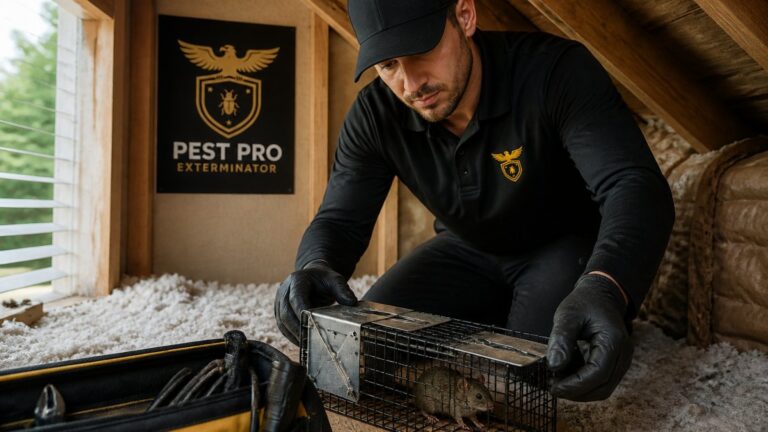
A professional inspection identifies entry points and activity areas you might miss, and confirms whether rodents are currently inside before any sealing work begins. Because rodent activity rises sharply as temperatures drop, a fall inspection is the most effective time to catch vulnerabilities before they become a winter infestation.
Frequently Asked Questions
How can I tell if I have mice or rats in my kitchen?
Mice leave smaller droppings (about the size of a grain of rice), while rat droppings are larger and more oval-shaped. Mice create smaller gnaw marks and squeeze through holes as small as a dime; rats need quarter-sized openings. Look at dropping size and location, mice often nest in upper cabinets and pantries, while rats prefer lower areas and burrow near foundations. Fresh droppings appear dark and moist; older ones are gray and crumbly.
Where should I look for rodent droppings in a kitchen?
Check inside and behind kitchen cabinets, under the sink, along the back of drawers, inside the pantry, and behind appliances. Rodents travel along walls and baseboards, so look for dropping trails along these routes. Inspect dark, undisturbed corners where they feel safe. Pay special attention to areas near food storage and water sources. If you find droppings, note whether they’re fresh (dark, soft, moist) or old (gray, hard, crumbly), this tells you if the infestation is active or historical.
What should I do if I find rodent droppings near food?
Do not touch droppings with bare hands. Wear disposable gloves and a mask to prevent inhaling dust. Spray the area lightly with a disinfectant before wiping, and dispose of droppings in a sealed bag. Check all nearby food items for contamination and discard any open packages or items stored in affected areas. Sanitize shelves and containers thoroughly with a household disinfectant. If droppings are extensive or you’re uncertain about safe cleanup, contact a professional to assess the scope and ensure proper food-safety protocols.
How do I keep mice and rats out of the kitchen in fall and winter?
Seal rodent entry points around kitchen walls, under doors, and near pipes using caulk or steel wool. Store food in airtight, hard-plastic containers rather than cardboard or paper bags. Remove standing water and fix leaky pipes, rodents need water sources. Keep the kitchen and pantry clean by sweeping crumbs and wiping surfaces daily. Take out garbage regularly in sealed bins. Eliminate clutter where rodents can hide, and store items off the floor when possible. Trim vegetation outside that touches the house, and ensure foundation gaps and vents are sealed or screened.