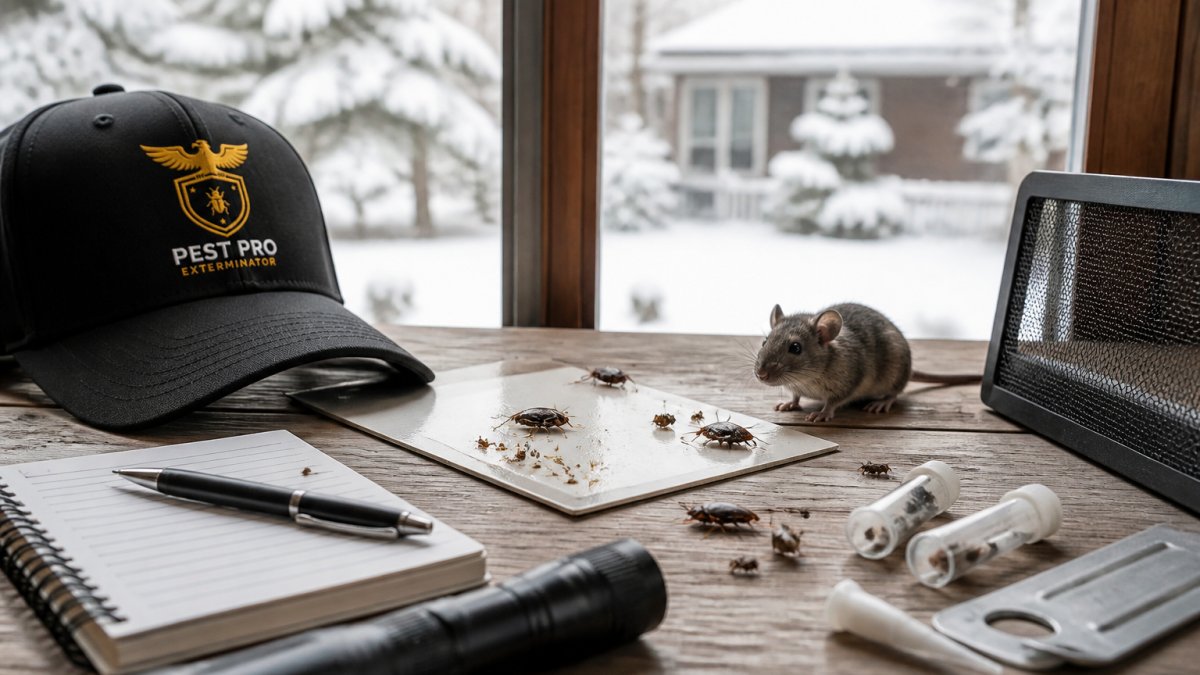
10 Common House Pests in Winter: What to Watch For
Table of Contents
- Why Pests Move Indoors When the Temperature Drops
- 10 Common House Pests in Winter
- Signs of Rodent Infestation to Check Before Winter
- Signs of Bed Bugs in an Apartment
- How to Seal Your Home Against Pests Before the Cold Sets In
- DIY or Call a Professional? Where the Line Sits
- Frequently Asked Questions
Last Updated: September 29, 2026
Why Pests Move Indoors When the Temperature Drops
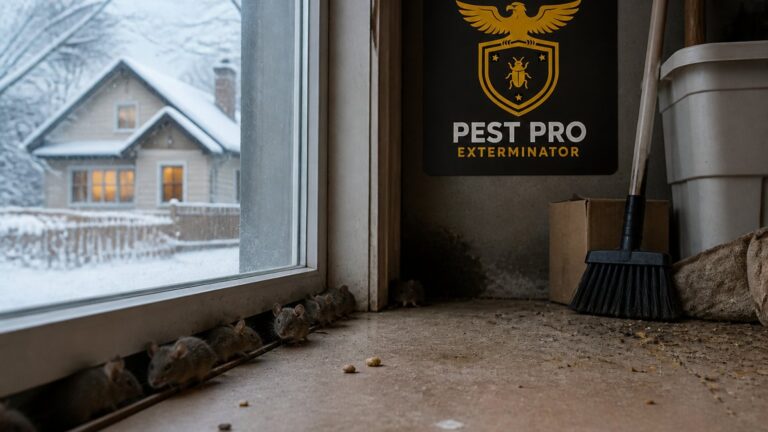
Cold weather doesn’t kill most household pests. It pushes them inside, and your home looks like the best shelter on the block. This guide from Pest Pro Exterminator covers the 10 common house pests in winter that show up in homes across the region, plus how to spot them and seal them out.
Pests don’t invade because your house is dirty. They invade because it’s warm. Sealing entry points matters more than deep cleaning in fall.
10 Common House Pests in Winter
These are the pests most likely to show up once the cold sets in. Some are rodents, some are insects, and a few are just nuisance invaders looking for a place to wait out winter.
- Mice – squeeze through gaps the width of a pencil
- Norway rats – larger, bolder, and drawn to basements and garages
- German cockroaches – thrive in warm kitchens and bathrooms
- Cluster flies – swarm attics and wall voids in fall
- Silverfish – love damp basements and paper storage
- Bed bugs – hitchhike indoors on luggage and furniture
- Spiders – follow other insects inside as prey
- Ants – nest in wall voids and under insulation
- Carpenter ants – tunnel into damp wood framing
- Boxelder bugs – cluster on sunny walls, then move inside
Mice and Norway Rats
Mice and Norway rats are the two rodents homeowners call about most in fall. Both are nocturnal, both gnaw, and both contaminate food and surfaces with droppings and urine.
Cockroaches, Cluster Flies and Other Nuisance Insects
German cockroaches are the insect most likely to take over a warm kitchen. They breed fast, hide in cracks near sinks and appliances, and leave behind a musty odor that gets stronger as the colony grows.
Signs of Rodent Infestation to Check Before Winter
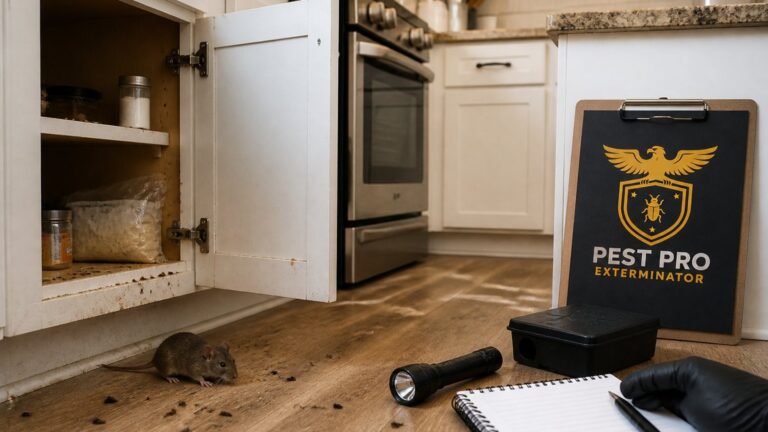
The clearest signs of rodent infestation are droppings, gnaw marks and scratching sounds in walls or ceilings. Check these before cold weather arrives, because early detection is far easier than removal.
Walk your home and look for:
- Droppings along baseboards, in drawers and behind appliances
- Gnaw marks on food packaging, wiring or wood
- Grease trails along walls where rodents travel
- Nesting material like shredded paper or insulation
- Scratching or scurrying sounds at night
- A musky odor in closed spaces
Signs of Bed Bugs in an Apartment
The signs of bed bugs in an apartment are small dark spots on bedding, shed skins along mattress seams, and itchy bite marks in a line or cluster. Bed bugs don’t care about the season, but they spread faster in shared buildings.
Look for:
- Rust-colored stains on sheets or mattress edges
- Tiny pale skins or live bugs near seams and headboards
- A sweet, musty smell in heavy infestations
- Bites that appear in rows or groups
Spot-treating a single apartment for bed bugs almost always fails. The bugs retreat into adjacent units and return within weeks.
How to Seal Your Home Against Pests Before the Cold Sets In
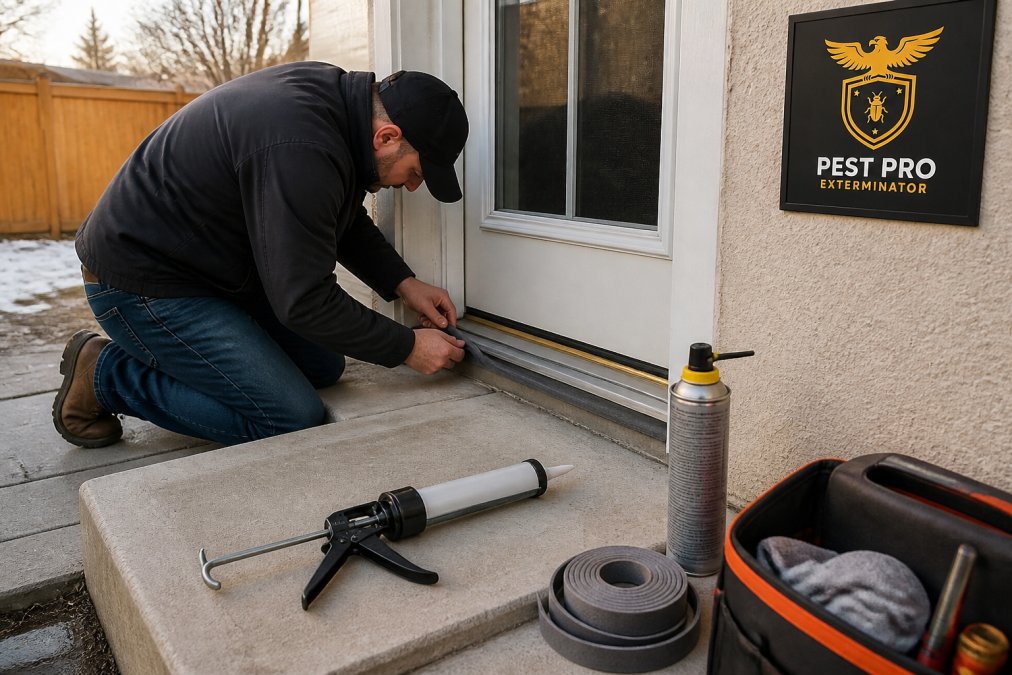
Sealing your home against pests means closing every gap wider than a pencil, then removing the warmth and moisture that attract pests in the first place. Do this in fall, before the first freeze. Most guides tell you to “seal cracks” and stop there. The problem is that the gaps pests actually use are specific, and they are almost never the ones homeowners check first.
The Winter Entry Points Most Homeowners Miss
Walk the exterior of your home and check these in order. These are the spots where mice, cluster flies and overwintering insects reliably get in once temperatures drop.
- Dryer vent flap, the exterior hood should close flush and seal tight when the dryer is off. A stuck or missing flap is an open door for mice and cluster flies.
- Pipe and utility penetrations, where gas, water, electrical and AC lines enter the foundation or siding. Seal with exterior-grade caulk or copper mesh, not expanding foam alone, which rodents chew through.
- Foundation sill plate, the seam where the wooden frame meets the concrete foundation. This is the single most common mouse entry line on older homes.
- Soffit and fascia gaps, small openings under the roofline where cluster flies and wasps enter attic spaces.
- Chimney and attic vents, screen them with 1/4-inch hardware cloth. Standard insect screen does not stop rodents.
- Garage door bottom seal, the rubber gasket wears out faster than the door itself. Replace it if you can see daylight under the door.
- Weep holes in brick veneer, leave them functional for drainage, but install weep-hole covers that still allow water out and keep insects from crawling in.
- Cable and satellite line entries, often drilled through siding with no sealant at all.
The Fall Sealing Checklist
Work from the outside in, and do this before the first hard freeze. Once pests are inside, sealing only traps them in with you.
Get A Free Pest Control Quote Today →
- Seal foundation cracks with concrete patch or polyurethane sealant
- Replace worn weather stripping on all exterior doors
- Caulk gaps around pipes, vents and utility lines with exterior-grade sealant
- Stuff copper mesh (not steel wool, which rusts) into larger gaps before caulking
- Screen attic vents and chimney openings with 1/4-inch hardware cloth
- Check and repair the dryer vent flap
- Repair torn window screens and loose siding
- Trim tree branches back at least 6 feet from the roofline
- Store firewood at least 20 feet from the foundation and elevate it off the ground
- Fix leaky taps and clear standing water
Inside: Cut Off Warmth, Food and Moisture
Sealing the shell only works if the interior stops advertising itself as shelter. Fix drips under sinks, run a dehumidifier in damp basements, and keep pantry food in sealed containers. Pantry pests and cockroaches both follow food and water, so cutting off both makes your home far less inviting.
Do your exterior walk-through on a cold, windy day. You will feel drafts at gaps you would never spot on a mild afternoon, and those drafts are exactly where pests get in.
Pet-Safe and Non-Toxic Sealing
If you have pets or young children, the sealing stage is the safest part of pest control because it uses no chemicals at all. Copper mesh, exterior caulk, weather stripping, hardware cloth and door sweeps are all mechanical barriers. Skip rodenticide baits in any home with pets or kids, secondary poisoning is a real risk when a pet eats a poisoned rodent.
DIY or Call a Professional? Where the Line Sits
DIY pest control works for small, early problems. Call a professional when the signs point to an established infestation, when pests keep returning, or when the problem involves rodents, bed bugs or a shared building. The harder question is where exactly that line sits, and most guides leave you guessing. Here is a decision framework based on what the pest is, how long it has been there, and what kind of space you are dealing with.
The Three Questions That Decide It
Before you buy a trap or book a technician, answer these:
- Is it a rodent or an insect? Rodents gnaw wiring and create fire risk, and they rarely come alone. A single mouse sighting usually means a family. Insects vary widely, a few ants are a nuisance, cockroaches are a colony.
- How long have you seen signs? If droppings, gnaw marks or live insects have been present for more than two weeks despite your efforts, the population is established and DIY is unlikely to finish the job.
- Is the space shared or commercial? Apartments, condos, restaurants and rental units need coordinated treatment. Treating one unit pushes pests into the next.
The Decision Matrix
| Situation | DIY Is Reasonable | Call a Professional |
|---|---|---|
| One or two ants | Yes | No |
| Occasional cluster flies | Yes, with sealing | If swarms persist past two seasons |
| Mouse droppings in one spot | Only with trapping and sealing | If signs continue after 2 weeks |
| Cockroaches in the kitchen | No | Yes |
| Bed bugs in an apartment | No | Yes, building-wide |
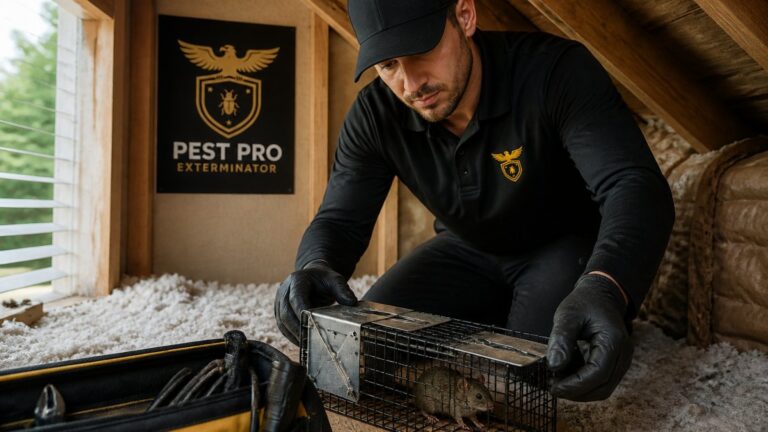
| Rodents in attic or walls | No | Yes |
| Carpenter ants or termites | No | Yes, structural risk |
| Restaurant or rental property | No | Yes |
Why Some Problems Escalate
A few pests cross the DIY line faster than homeowners expect:
- Cockroaches breed in wall voids and behind appliances. Store-bought sprays kill what you see and miss the colony, which rebounds within weeks.
- Bed bugs hide in seams, outlets and baseboards. Spot treatment in one room almost always leaves survivors that spread to adjacent rooms.
- Carpenter ants signal moisture problems and active wood damage. By the time you see them, the nest is usually inside the framing.
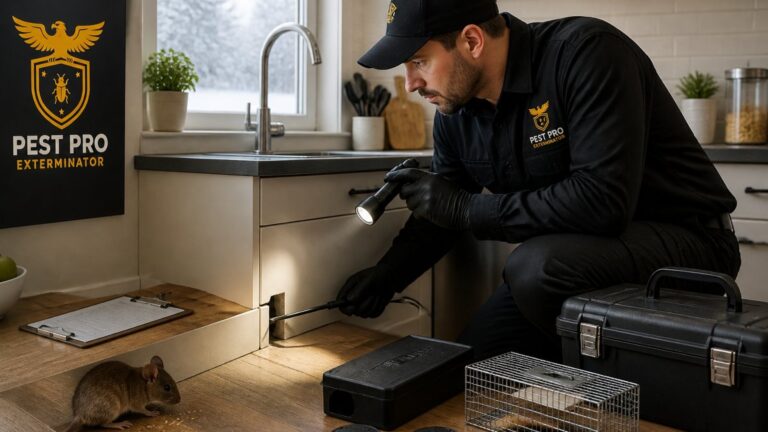
- Mice and rats learn to avoid traps after a near-miss. A professional uses placement, exclusion and monitoring together, not traps alone.
What a Professional Actually Does Differently
A professional inspection is not just a bigger spray. It typically includes:
- A full interior and exterior inspection to identify entry points, not just activity
- Species identification, which determines the correct treatment
- Exclusion work, sealing the same gaps covered in the sealing section above
- Monitoring stations to confirm the problem is gone, not just quiet
- Follow-up visits, because most infestations need more than one treatment
Pet and Child Safety
If you have tried DIY treatments that worked for a week and then failed, that is usually a sign the entry points were never sealed. Repeat treatments without exclusion just reset the clock.
Pest Pro Exterminator handles both residential and commercial properties, with inspection, monitoring and prevention built into every plan.
Frequently Asked Questions
Why do pests enter homes when the temperature drops?
Falling temperatures push rodents and insects to look for warmth, shelter and food. Mice squeeze through gaps the width of a pencil, while cluster flies and lady beetles gather on sunny walls before slipping indoors to overwinter. Once inside, an attic, crawl space or wall void gives them steady conditions and protection from the cold, so a small opening in fall can become a full house pests problem by January.
What are the clearest signs of rodent infestation in a house?
Look for droppings along baseboards and inside pantry shelves, gnaw marks on food packaging or wiring, greasy rub marks along walls, and scratching sounds in the attic or between floors at night. A musky odor in closed spaces is another signal. If you find any of these, act quickly, because a small rodent problem can grow fast once they settle into nesting sites.
Do bed bugs become more active in winter?
Bed bugs stay active year round because they live indoors where temperature is controlled. Winter does not slow them down or send them into hibernation. In apartments and high-rise buildings they spread through shared walls, laundry areas and used furniture. The signs of bed bugs in an apartment include small rust-colored stains on sheets, shed skins near mattress seams, and itchy bites in lines or clusters.
Can I seal my home against pests on my own?
You can handle most basic exclusion work yourself. Walk the exterior and fill gaps around pipes, vents and utility lines with copper mesh and sealant, replace worn weather stripping on doors, repair foundation cracks, and clear leaf litter away from the walls. The limit is when pests are already inside. Sealing openings while rodents or insects are still in the walls traps the problem indoors, so call a professional first if you see active signs.