Emergency Pest Removal Services: A 2026 Guide
Table of Contents
- What Constitutes an Emergency Pest Removal Situation
- Signs of a Severe Pest Infestation You Cannot Ignore
- Residential vs. Commercial Emergency Pest Control
- Rodent Control Services Near Me: What to Expect
- Step-by-Step Emergency Preparation Before the Technician Arrives
- Pest Control Cost Breakdown: Understanding Your Quote
- Why Professional Emergency Response Outperforms DIY Attempts
- Frequently Asked Questions
Last Updated: September 27, 2026
What Constitutes an Emergency Pest Removal Situation
An emergency pest removal situation is one where an active infestation poses an immediate threat to health, safety, or property integrity. This isn’t a routine pest problem you can schedule weeks in advance, it’s a crisis that demands fast intervention.
The distinction matters. A few ants in your pantry is annoying. Rodents actively nesting in your walls while you have young children at home is an emergency. A cockroach sighting in a restaurant kitchen during operating hours is an emergency. A bat in your attic that could carry rabies is an emergency.
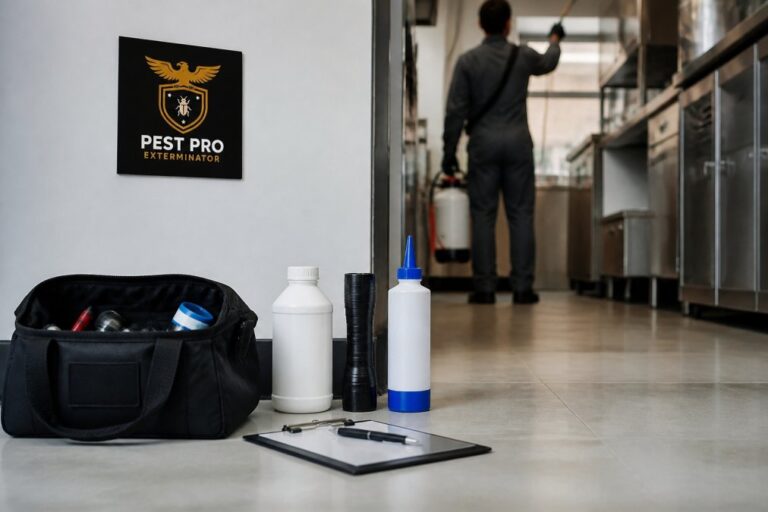
At Pest Pro Exterminator, we recognize that emergencies don’t follow business hours. When you call with an active infestation threatening your family’s health or your business reputation, the clock is already ticking.
Common scenarios that warrant emergency response include active rodent activity in living spaces, visible insect infestations in food preparation areas, wildlife in attics or crawl spaces, and sudden swarms of wasps or hornets near entry points. Each demands immediate professional assessment and treatment.
If you’re unsure whether your situation qualifies as an emergency, ask yourself: Could this infestation spread significantly in the next 24-48 hours, or does it pose an immediate health risk? If yes, treat it as an emergency and contact a certified exterminator right away.
Signs of a Severe Pest Infestation You Cannot Ignore
Recognizing a severe infestation early prevents it from escalating into a true emergency. Many infestations start small and compound rapidly when left unaddressed, this is where most people make their mistake.
Rodent activity shows itself through droppings (often pepper-like pellets concentrated in corners or along walls), gnaw marks on food packaging or structural materials, and audible scratching or squeaking, especially at night. A single sighting usually means more are present. Rodents reproduce quickly; what starts as one or two can become dozens within weeks.
Cockroach infestations are often invisible until they’re severe. You might notice a musty odor, find shed exoskeletons behind appliances, or see droppings that resemble coffee grounds. Seeing even one cockroach during the day is a red flag, they’re nocturnal, so daytime sightings indicate overcrowding.
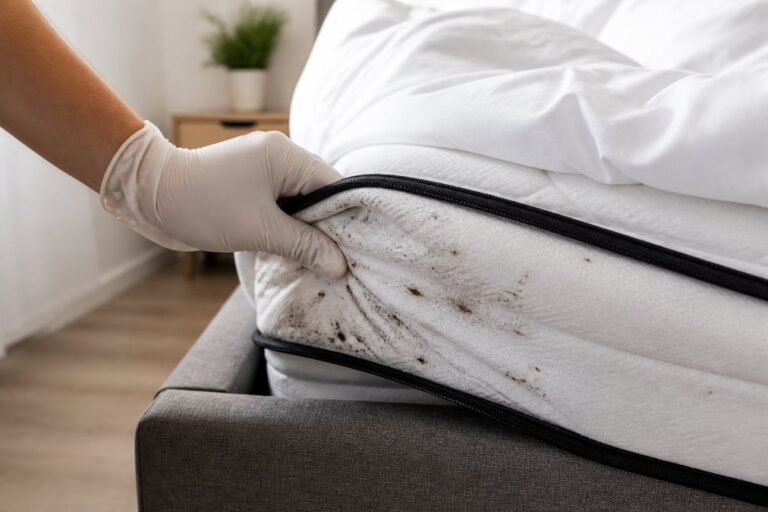
Bed bug infestations manifest as small red bites in linear patterns on exposed skin, dark spots on mattresses or bedding (fecal matter), and a sweet, musty odor in severe cases. These pests hide in mattress seams, furniture, and cracks, making them difficult to spot until populations explode.
Wasp or hornet nests near your home’s entry points, eaves, or windows represent an immediate safety hazard, especially for people with allergies. A nest visible in daylight means the colony is established and growing.
Wildlife in attics or crawl spaces, raccoons, squirrels, or birds, causes structural damage as they chew through insulation, wiring, and wood framing. Foul odors, visible droppings, or sounds of movement overhead signal an active problem.
If you notice any of these signs, do not attempt DIY treatment on severe infestations. The longer you wait, the more the population grows and the more expensive professional treatment becomes. A small problem caught early costs far less than a full-scale infestation.
Residential vs. Commercial Emergency Pest Control
The approach to emergency pest removal differs significantly between residential and commercial settings. Understanding these differences helps you communicate your needs clearly to a professional exterminator.
Residential emergency pest control prioritizes safety for families and pets. Treatment methods must be pet-friendly and non-toxic where possible, especially in homes with children. The goal is to eliminate the infestation while maintaining a safe living environment. Response times are critical because families cannot function normally with active pest problems. A residential emergency might involve treating a basement for rodents, addressing a bed bug infestation in bedrooms, or removing wildlife from attics.
Commercial emergency pest control operates under stricter compliance requirements. Restaurants, food processing facilities, and hotels face health department inspections and potential closure if infestations are discovered. The stakes are higher: a single pest sighting can damage reputation and trigger regulatory action. Commercial treatments must be discreet, visible pest activity or obvious treatment evidence can alarm customers and staff. Many commercial facilities require after-hours treatment to avoid disruption.
Property managers overseeing apartment complexes face unique challenges. A pest problem in one unit can spread to adjacent units within days. Coordinated treatment across multiple units, notification protocols, and tenant cooperation become essential. Commercial pest management in multi-unit residential buildings requires strategic planning that residential single-family treatment does not.
The timeline also differs. Residential clients often need treatment within 24-48 hours. Commercial clients may need same-day or emergency evening response to prevent business disruption or regulatory violations.
Rodent Control Services Near Me: What to Expect
When you contact a professional for rodent control services, understanding the process sets realistic expectations and helps you prepare your property.
BOOK A FREE QUOTES OR CONSULTATION! →
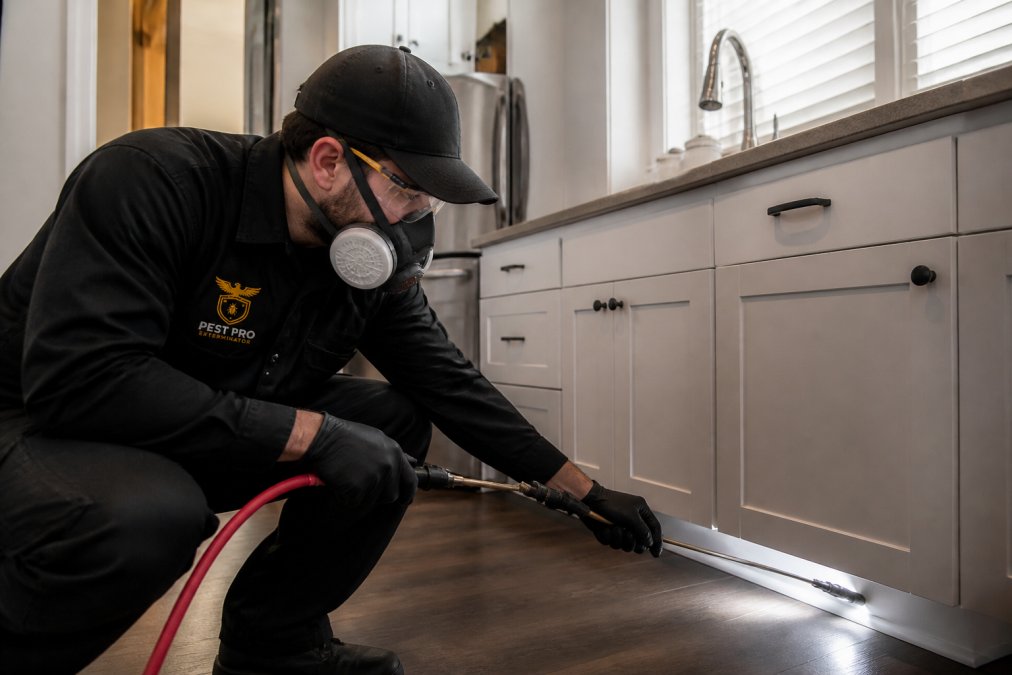
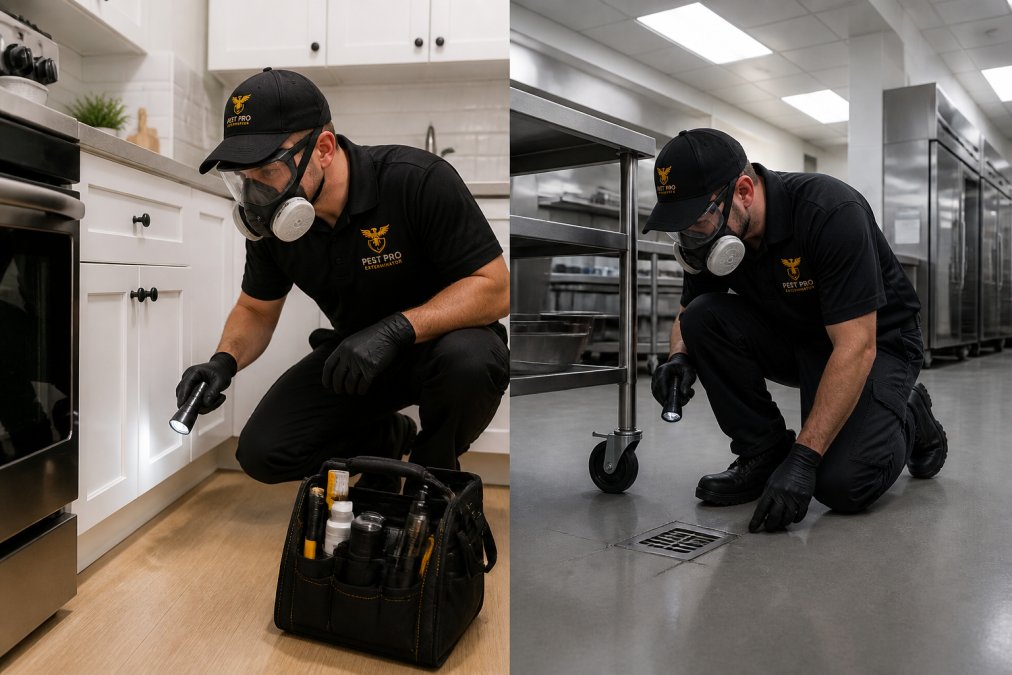
The first step is always a comprehensive inspection. A certified exterminator will examine your property, both interior and exterior, to identify entry points, nesting areas, and the extent of the infestation. They’ll look for droppings, gnaw marks, grease marks along walls (rodent highways), and signs of nesting material. This inspection determines the treatment strategy.
Once the inspection is complete, the exterminator explains their findings and outlines a treatment plan. This plan typically includes trapping or baiting in identified problem areas, sealing entry points to prevent re-entry, and recommendations for sanitation improvements that discourage future infestations.
Treatment itself may involve snap traps, electronic traps, or bait stations depending on the severity and location. Professional-grade treatments are more effective than consumer products because they’re deployed strategically based on rodent behavior patterns. The exterminator will explain what to expect during and after treatment, including how long it takes for results to appear.
Follow-up visits are standard. Most professionals return 1-2 weeks after initial treatment to assess results, reset traps if needed, and address any remaining activity. This ensures the infestation is fully resolved before you’re left on your own.
The best rodent control services don’t just kill existing pests, they identify and seal entry points and address conditions that attracted rodents in the first place. This prevents recurrence.
Step-by-Step Emergency Preparation Before the Technician Arrives
Preparing your property before the exterminator arrives accelerates treatment and improves results. These steps are straightforward but often overlooked.
Clear the treatment area. Remove items from under sinks, behind appliances, and inside cabinets where treatment will occur. This gives the technician full access and prevents damage to your belongings. In kitchens, move food items to sealed containers and clear countertops.
Secure pets and children. Arrange for pets to be in a separate room or temporarily relocated during treatment. Many professional treatments require the treated area to be unoccupied for a set period.
Pest Control Cost Breakdown: Understanding Your Quote
Understanding how pest control pricing works prevents sticker shock and helps you evaluate quotes fairly.
Request itemized quotes that break down inspection, treatment, follow-up, and exclusion costs separately. This transparency helps you understand where your money is going and makes it easier to compare providers fairly.
Why Professional Emergency Response Outperforms DIY Attempts
Many people attempt DIY pest treatment before calling a professional. This often backfires, making the problem worse and more expensive to resolve.
| Pest Type | Typical Response Time | Initial Treatment Duration | Follow-Up Needed |
|---|---|---|---|
| Rodents | 24-48 hours | 1-2 hours | Yes, 1-2 weeks |
| Cockroaches | 24-48 hours | 1-3 hours | Yes, 1-2 weeks |
| Bed Bugs | 24-48 hours | 2-4 hours | Yes, multiple visits |
| Wasps/Hornets | Same-day if urgent | 30-60 minutes | Usually one visit |
| Wildlife (attic/crawl space) | 24-72 hours | 2-3 hours | Yes, exclusion follow-up |
Frequently Asked Questions
What constitutes a pest control emergency that requires same-day service?
A pest emergency typically involves active infestations affecting health or safety: rodent droppings in food preparation areas, bed bugs in multiple rooms, cockroach colonies visible during the day, wasp nests near entry points, or wildlife in attics causing structural damage. If pests pose immediate health risks, contaminate food sources, or cause property damage, same-day emergency pest removal is warranted rather than waiting for a standard appointment.
How quickly can emergency pest removal services respond to a call?
Professional emergency pest removal services typically respond within 24 hours for urgent situations, with many offering same-day assessments for severe infestations. Response time depends on current service volume and your location within the service area. When you contact an exterminator about an emergency, always specify the pest type and severity so they can prioritize your call appropriately and dispatch a licensed technician with the right equipment.
How much does emergency pest removal cost compared to standard service?
Emergency pest removal pricing depends on the pest type, infestation severity, property size, and treatment method required. Costs vary significantly between providers and situations, rodent control differs from bed bug heat treatment, which differs from wildlife exclusion. Request a detailed quote that breaks down inspection fees, treatment costs, and any follow-up visits.
What makes professional emergency pest removal better than DIY treatments?
Professional exterminators identify the root cause of infestation, not just visible pests. They use integrated pest management combining inspection, targeted treatment, exclusion, and sanitation, addressing entry points and conditions that attract pests. DIY treatments often fail because they target only active insects or rodents without sealing entry points or eliminating food sources, allowing reinfestation within weeks. Licensed technicians also know safe application methods that protect pets and children.
Do pest control companies guarantee their work if pests return?
Guarantees vary by provider and treatment type. Many reputable exterminators offer warranties on their work, typically covering 30-90 days. If pests return within the guarantee period, they return for follow-up treatment at no extra charge. Always ask about the guarantee terms before booking, this includes what conditions void the warranty (such as failure to seal entry points or remove food sources on your property).
Can professional pest removal be done discreetly in commercial kitchens or restaurants?
Yes. Professional exterminators coordinate treatment schedules to minimize disruption, typically after hours or during closed periods. They use targeted, food-safe treatments and integrated pest management that doesn’t require shutting down operations. Health and safety compliance is maintained throughout. Discreet service protects your business reputation while eliminating cockroaches, rodents, or other pests that could trigger health inspections or customer concerns.