Pest Control for Commercial Kitchens: Ultimate Guide
Table of Contents
- Why Pest Control Matters in Commercial Kitchens
- Common Pests in Professional Kitchens and How to Identify Them
- Integrated Pest Management for Food Service Environments
- Commercial Kitchen Sanitation Checklist for Pest Prevention
- Pest Control Audit Requirements and Health Inspection Compliance
- Structural Pest Prevention: Sealing Entry Points and Monitoring
- Staff Training and Ongoing Pest Management
- Frequently Asked Questions
Last Updated: September 30, 2026
Pest Control for Commercial Kitchens: Ultimate Guide
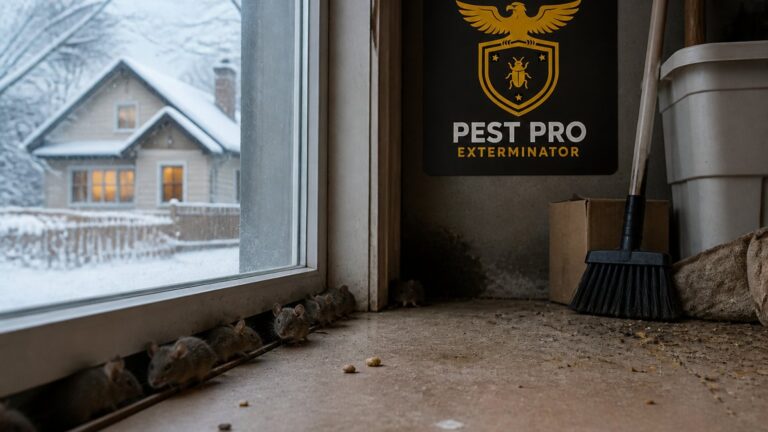
Rodents, cockroaches, and flies don’t wait for an invitation to enter a commercial kitchen. When temperatures drop and outdoor food sources disappear, pests actively seek warmth, moisture, and the abundant food supply a professional kitchen provides. Pest control for commercial kitchens isn’t optional, it’s a regulatory requirement, a reputation safeguard, and a business necessity rolled into one. Pest Pro Exterminator provides professional residential and commercial pest management services in Calgary and Southern Alberta.
Why Pest Control Matters in Commercial Kitchens
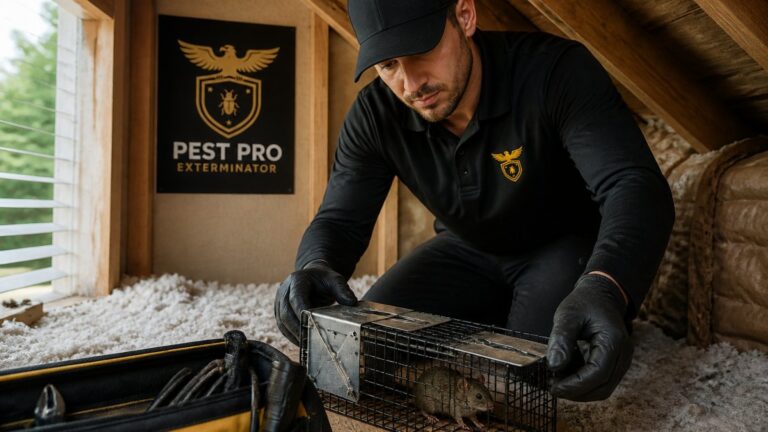
Pests pose serious health and safety risks: cockroaches carry pathogens like E. coli and Salmonella, rodents contaminate food with droppings and urine, and flies transfer bacteria from waste to food surfaces. A single sighting can trigger health inspections, complaints, and reputational damage.
Pest control in commercial kitchens protects three things simultaneously: customer health, regulatory compliance, and your bottom line. Neglecting it risks all three.
Common Pests in Professional Kitchens and How to Identify Them
Different pests require different control strategies. Identifying what you’re dealing with is the first step toward effective treatment.
If you spot even one cockroach during business hours, treat it as a serious warning. Cockroaches are nocturnal; seeing one during the day indicates a large population hiding nearby. Call a professional immediately.
Integrated Pest Management for Food Service Environments
Integrated Pest Management (IPM) is the gold standard for pest control in food service. It combines prevention, monitoring, and targeted intervention instead of relying solely on chemicals.
Commercial Kitchen Sanitation Checklist for Pest Prevention
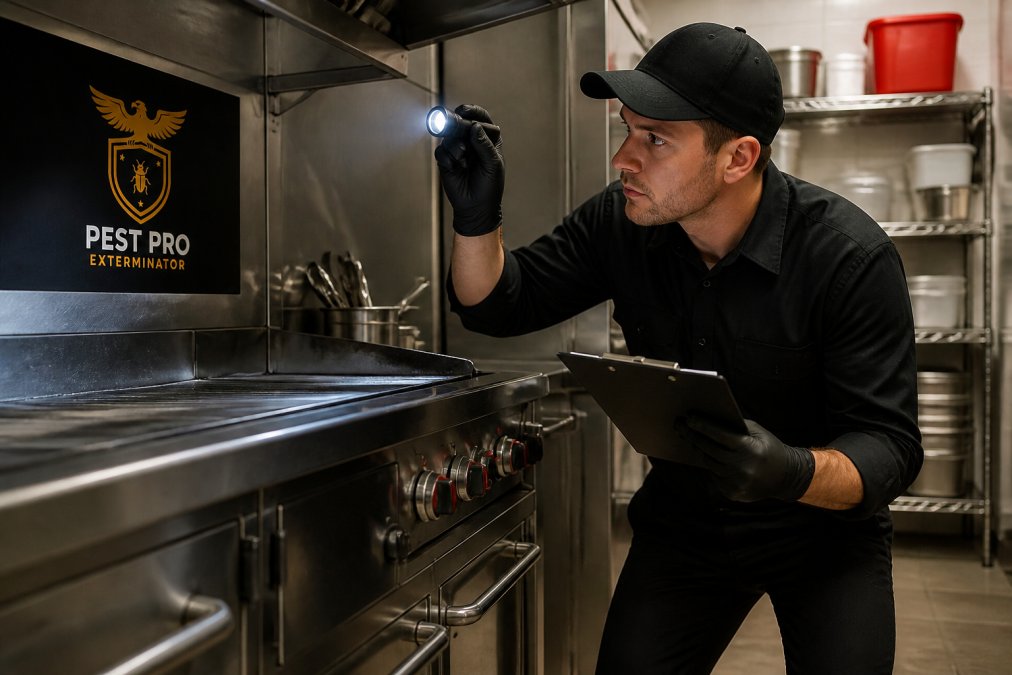
Sanitation is the foundation of pest control. Pests come for food, water, and shelter. Remove those resources and you remove the reason they stay.
Daily sanitation tasks:
- Sweep and mop floors, especially corners and under equipment
- Wipe down food prep surfaces and remove grease
- Empty and clean trash bins; never leave food waste overnight
- Clean drains with brushes and enzyme cleaners
- Inspect walk-in coolers and freezers for spills or condensation Consistent attention to these areas prevents the buildup of organic matter that necessitates rigorous grease trap maintenance to ensure kitchen hygiene and regulatory compliance.
Weekly sanitation tasks:
- Deep clean behind and under equipment
- Clean hood system and ventilation ducts
- Wipe walls and baseboards
- Check for water leaks
Monthly sanitation tasks:
- Inspect stored goods for pest activity
- Organize dry storage in sealed, labeled containers
- Deep clean entire facility including storage closets
- Review waste management procedures
| Task | Frequency | Why It Matters |
|---|---|---|
| Floor sweeping and mopping | Daily | Removes food debris that attracts pests |
| Drain cleaning | Daily to weekly | Eliminates breeding grounds for drain flies |
| Equipment inspection | Weekly | Catches pest activity before infestation spreads |
| Dry goods inventory | Monthly | Identifies stored product pest contamination early |
| Facility deep clean | Monthly | Removes harborage areas where pests hide |
Seal all food in airtight containers, even in the walk-in cooler. Pests can chew through cardboard boxes and plastic bags. Glass or rigid plastic containers with tight-fitting lids are pest-proof.
Pest Control Audit Requirements and Health Inspection Compliance
Health inspectors evaluate pest control as a core food safety component. Having documentation ready is the difference between a pass and a violation.
What Inspectors Look For
-
Evidence of a pest control plan: A written document outlining your approach, either a formal IPM plan or a professional service contract.
-
Documented monitoring records: Trap inspection logs, bait station checks, visual inspection reports, and pest sightings with dates and locations.
-
Corrective action documentation: Records showing your response to any pest findings, cleaning, sealing entry points, or professional service calls, with dates.
-
Structural integrity: Inspectors examine gaps around pipes, cracks in walls, damaged door seals, roof openings, and gaps at baseboards.
-
Sanitation standards: Inspectors look for food debris, grease buildup, drain cleanliness, proper food storage in sealed containers, and organized storage areas.
-
Staff knowledge: Inspectors may ask staff about pest prevention and sanitation protocols.
Building a Compliance-Ready Documentation System
Digital Record-Keeping Framework
| Field | Purpose | Example |
|---|---|---|
| Date | Establishes timeline of monitoring | 2026-10-15 |
| Time | Shows monitoring frequency | 14:30 |
| Location | Identifies pest hotspots | Walk-in cooler, south wall |
| Pest type | Confirms what you’re monitoring for | Cockroach, rodent, fruit fly |
| Quantity | Tracks population trends | 3 caught in trap |
| Trap/bait station ID | Links findings to specific locations | Trap #7 |
| Action taken | Documents your response | Trap emptied, area cleaned, drain treated |
| Staff/technician | Assigns accountability | John Smith / Professional Service |
| Follow-up date | Ensures continuity | 2026-10-22 |
Structural Repair and Prevention Log
Sanitation and Cleaning Log
Pest Sighting and Response Log
Get A Free Pest Control Quote Today →
Preparing for an Inspection
Ensure your documentation is organized and accessible for inspections:
- Compile the last 12 months of records in one folder.
- Highlight pest activity and your response.
- Prepare a summary listing your pest control plan, inspection frequency, structural improvements, staff training, and incidents.
- Walk the facility before inspection and fix obvious issues.
- Brief staff on reporting procedures and documentation location.
Regulatory Variations by Jurisdiction
Working with Professional Services
Keep your pest control documentation in the same location as your other food safety records (temperature logs, cleaning schedules, supplier information). This makes it easy to produce everything an inspector requests and signals that pest control is integrated into your overall food safety program, not an afterthought.
Structural Pest Prevention: Sealing Entry Points and Monitoring
Pests are resourceful. A gap the size of a grain of rice allows mice entry. Cockroaches flatten to fit invisible cracks. Structural prevention means closing every entry route.
Common entry points:
- Gaps around pipes and utilities
- Cracks in foundation or walls
- Gaps around doors and windows
- Roof or soffit openings
- Gaps at baseboards
Staff Training and Ongoing Pest Management
Kitchen staff are the first line of defense. They spot early warning signs that professional inspections might miss. A trained team catches infestations at stage one, when control is easiest.
Staff Pest Identification Checklist
Train staff to report immediately if they observe:
- Droppings: Small dark pellets (cockroach) or larger, tapered droppings (rodent) near food prep areas or sinks.
- Gnaw marks: Fresh wood shavings or plastic damage on boxes or equipment.
- Grease marks: Dark smudges on walls where pests travel.
- Dead insects or rodents: Photograph and report immediately.
- Unusual odours: Musty or ammonia-like smells in storage areas.
- Pest activity during daylight: A red flag indicating overcrowding.
- Webbing or larvae in dry goods: Indicates stored product pests.
Reporting Protocol
Monthly Staff Briefings
Sanitation Accountability
Ongoing Professional Monitoring
Documentation for Compliance
Make pest prevention part of your hiring and onboarding process. New staff should receive a brief orientation on pest identification and reporting procedures on day one. This sets expectations early and ensures consistency as your team turns over.
Frequently Asked Questions
Can pest control be done in a commercial kitchen without contaminating food?
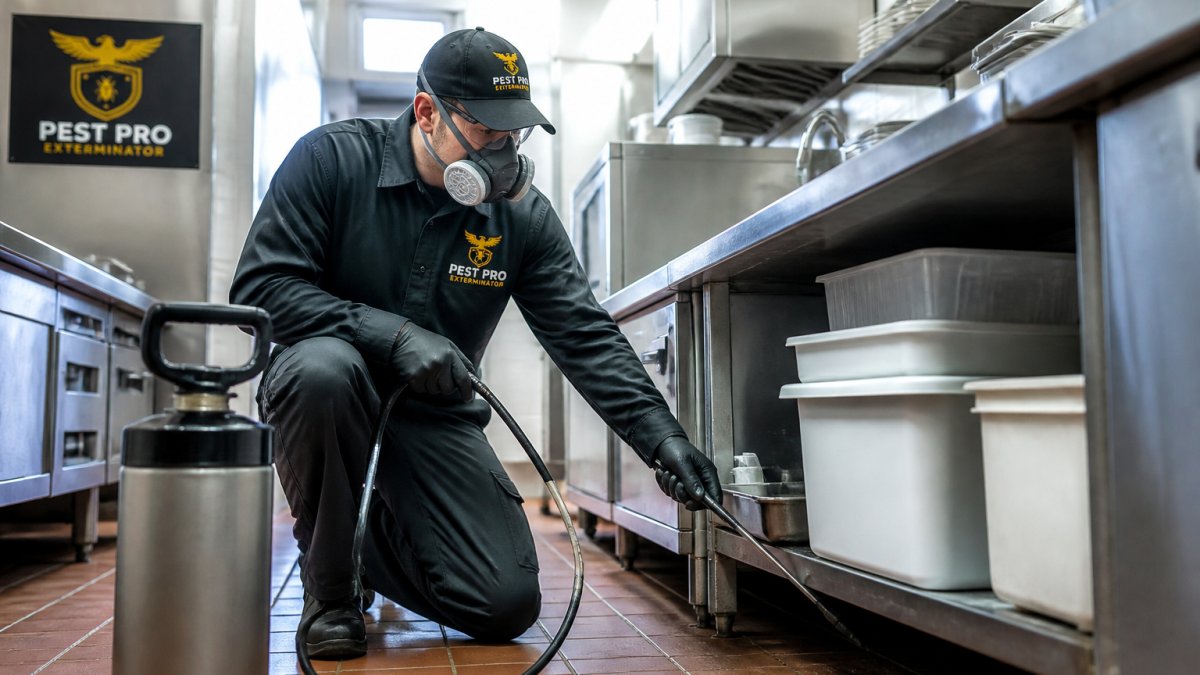
Yes. Professional pest control for commercial kitchens uses food-grade chemicals and targeted applications that avoid food contact surfaces. Treatment occurs during non-operating hours, and all food and preparation equipment are removed or sealed beforehand. Health inspectors require documented proof that pest control follows food safety standards, ensuring no cross-contamination risk.
What are the mandatory pest control requirements for food service facilities?
Food service facilities must comply with Health Canada’s Food Safety Standards and provincial health codes, which require documented pest control audits, regular inspections, and preventative measures. You need written pest management plans, records of treatments, proof of entry point sealing, and evidence of sanitation protocols. Facilities must undergo health inspections that specifically assess pest control compliance and documentation.
How often should a commercial kitchen be inspected for pests?
Most facilities require monthly pest monitoring at minimum, with weekly visual inspections by staff. High-risk areas such as storage rooms and waste disposal zones need more frequent checks. Health inspection compliance typically demands documented evidence of inspections at least monthly. The frequency depends on your facility’s history, size, and local health authority requirements.
What is integrated pest management for food service, and how does it work?
Integrated Pest Management (IPM) combines monitoring, sanitation, exclusion, and targeted treatment to prevent infestations rather than just react to them. For food service, this means sealing entry points, maintaining strict sanitation, using pheromone traps to detect early signs of pests, and applying treatments only when monitoring shows a problem. IPM reduces chemical use and creates a documented audit trail for health inspections.
How do I know if my kitchen has a pest problem before it becomes visible?
Professional monitoring tools such as pheromone traps and bait stations catch early signs of rodents and insects before an infestation spreads. Regular staff inspections of storage areas, behind equipment, and waste disposal zones reveal droppings, damage, or pest harborage areas. Monthly pest audits by professionals use specialized equipment to detect activity in hidden spaces. Early detection prevents customer-facing infestations and protects your reputation.
What should be included in a commercial kitchen sanitation checklist to prevent pests?
A sanitation checklist must cover daily cleaning of food contact surfaces, removal of grease buildup, sealed storage of all food in airtight containers, proper waste management in sealed bins, elimination of standing water, and inspection of equipment for gaps or cracks. Weekly deep cleaning should target under and behind equipment, drain cleaning, and removal of pest harborage areas. Monthly checks include sealing any new cracks, checking door seals, and verifying that all entry points remain secure.
What makes professional pest control different from DIY treatments in a commercial kitchen?
Professional pest control uses food-grade chemicals, targets hidden harborage areas, and creates documented compliance records required for health inspections. DIY treatments often miss entry points and underlying causes, leading to recurring infestations. Professionals conduct hazard analysis, implement preventative maintenance, and provide accountability. They also ensure treatments comply with food safety standards and health inspection requirements, protecting both your operation and customers.