Humane Wildlife Removal Services: Fall & Winter Guide
Table of Contents
- Why Wildlife Intrudes When Weather Turns Cold
- Common Wildlife and Nuisance Animals in Fall and Winter
- Signs of Mice Infestation in Winter
- How to Seal Entry Points for Rodents
- Humane Removal Techniques and Process
- Wildlife Exclusion Services for Long-Term Protection
- DIY vs. Professional Removal: Risk Assessment
- Post-Removal Sanitation and Damage Repair
- Frequently Asked Questions
Last Updated: October 2, 2026
Why Wildlife Intrudes When Weather Turns Cold
As temperatures drop, nuisance animals seek shelter indoors. Mice, raccoons, squirrels, and insects don’t want to face harsh winter conditions any more than you do. Your home offers warmth, food sources, and protection, everything they need to survive the cold months ahead.
This is when humane wildlife removal services become essential. Understanding seasonal patterns helps you act before an infestation takes hold.
The problem compounds quickly. A single mouse can produce 5-10 litters per year. One entry point becomes dozens of animals within weeks. Early intervention through proper wildlife exclusion stops this cycle before it starts.
Call for a property inspection in early fall, before peak season hits. Most wildlife infestations are easier and less expensive to prevent than to treat after animals have settled in.
Common Wildlife and Nuisance Animals in Fall and Winter
Several species regularly invade homes as cold weather approaches. Knowing which animals you’re dealing with helps determine the right removal approach.
Mice and rats are the most common winter intruders. They’re small enough to fit through gaps the size of a dime, making entry easy. Once inside, they breed rapidly and contaminate food storage areas.
Raccoons typically seek attic spaces for denning. They’re intelligent, strong, and capable of causing significant structural damage as they tear through insulation and wiring to create nesting areas.
Squirrels often enter through roof vents and damaged soffits. Unlike mice, they’re audible; you’ll hear scratching and running sounds in walls and attics during daylight hours.
Insects like cluster flies, boxelder bugs, and stink bugs congregate in wall cavities and attics to overwinter. They emerge inside homes on warm winter days, creating visible infestations.
Bats sometimes roost in attics, though they’re less common than rodents. They’re protected under wildlife regulations, so removal requires specialized humane techniques.
The key difference between these pests is their entry method and damage potential. Rodents squeeze through small gaps; larger animals need bigger openings. Insects find their way into any crack or crevice. Identifying which animal you’re facing determines whether you need rodent control, wildlife exclusion, or both.
Signs of Mice Infestation in Winter
Early detection prevents a minor problem from becoming a major one. Watch for these clear indicators that mice have moved in.
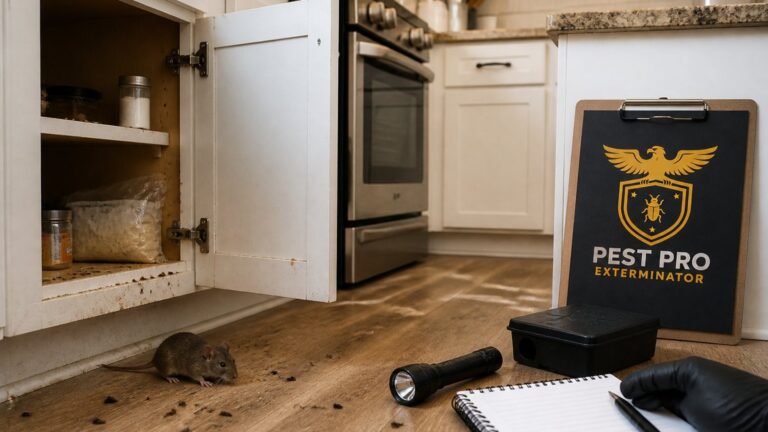
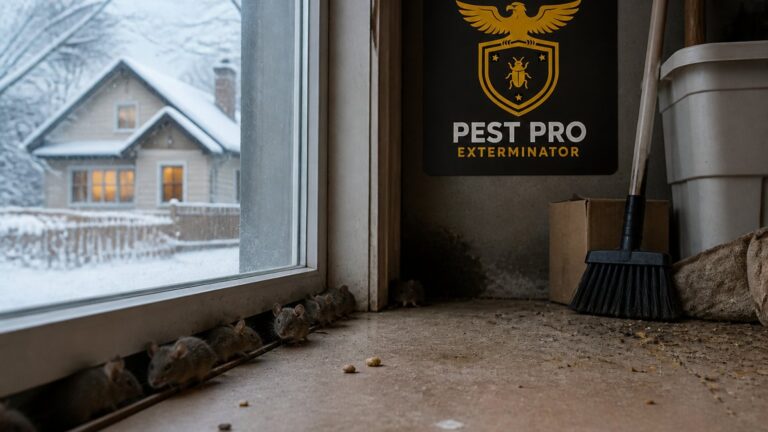
Droppings are the most obvious sign. Mouse feces are small, dark pellets about the size of a grain of rice. You’ll find them along baseboards, in kitchen cabinets, and near food storage areas. Fresh droppings indicate an active infestation.
Gnaw marks appear on food packaging, wooden beams, and electrical wiring. Mice chew constantly to keep their teeth sharp. Damaged wiring poses a serious fire hazard.
Unusual odors develop as populations grow. A musty, ammonia-like smell indicates urine accumulation. This smell strengthens in enclosed spaces like attics and wall cavities.
Scratching and squeaking sounds occur primarily at night when mice are most active. You’ll hear them in walls, attics, and between floors. The noise often increases in winter as populations concentrate indoors.
Visible burrows or holes appear in walls, baseboards, and around utility entry points. Mice create multiple entry and exit routes for escape. These holes are typically 1-2 centimeters in diameter.
Nesting materials like shredded paper, fabric, and insulation accumulate in corners and hidden spaces. Mice build nests to breed and raise litters.
| Sign | Location | Urgency |
|---|---|---|
| Droppings | Baseboards, cabinets, pantry | High |
| Gnaw marks | Wiring, wood, packaging | High |
| Odor | Enclosed spaces, attics | Medium |
| Sounds | Walls, attics, between floors | Medium |
| Holes | Baseboards, foundation, utility areas | High |
| Nesting materials | Corners, hidden spaces, attics | Medium |
Don’t wait for visible mice. By the time you see one, dozens may already be present. Contact a professional for inspection if you notice any of these signs.
Mice can transmit hantavirus through their droppings. Never vacuum or sweep droppings without proper protective equipment. Professional sanitation is safer than DIY cleanup.
How to Seal Entry Points for Rodents
Sealing entry points is the most effective long-term rodent prevention strategy. This is where humane wildlife removal services focus much of their effort.
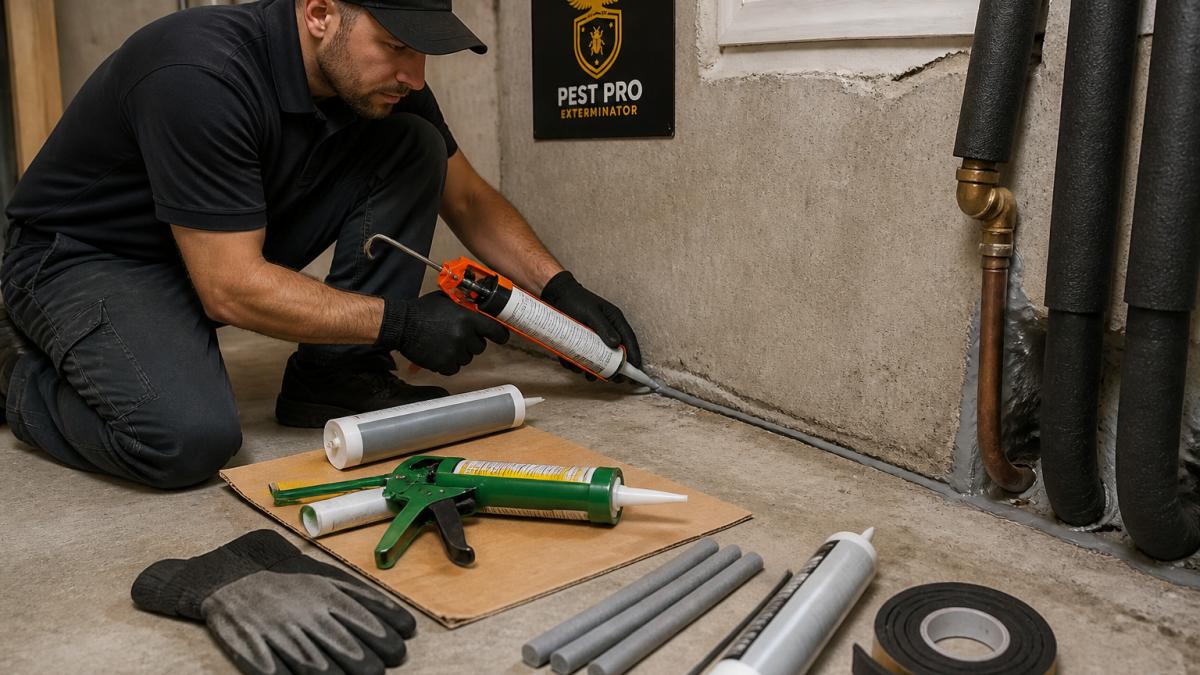
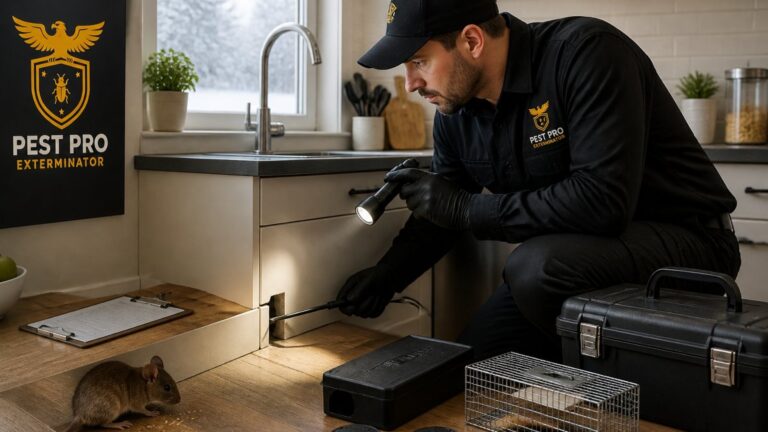
Start with a thorough property inspection. Walk the foundation line looking for cracks, gaps around pipes, and holes where utilities enter. Check the roofline for damaged soffits, loose vents, and gaps where trim meets the house. Don’t overlook small openings; mice need only a gap the size of a dime to enter.
Foundation cracks are primary entry points. Seal them with concrete caulk or expandable foam. For larger cracks, apply foam first, then caulk over top once it dries. This prevents rodents from chewing through softer caulk alone.
Pipe and utility penetrations need weatherstripping or foam sealant. Mice often enter where water lines, gas lines, and electrical conduits pass through walls. Wrap these areas with steel wool and caulk, or use specialized pipe collars. Securing these structural gaps remains a fundamental aspect of protecting homes from weather while simultaneously preventing rodents from establishing winter nests in your crawlspaces.
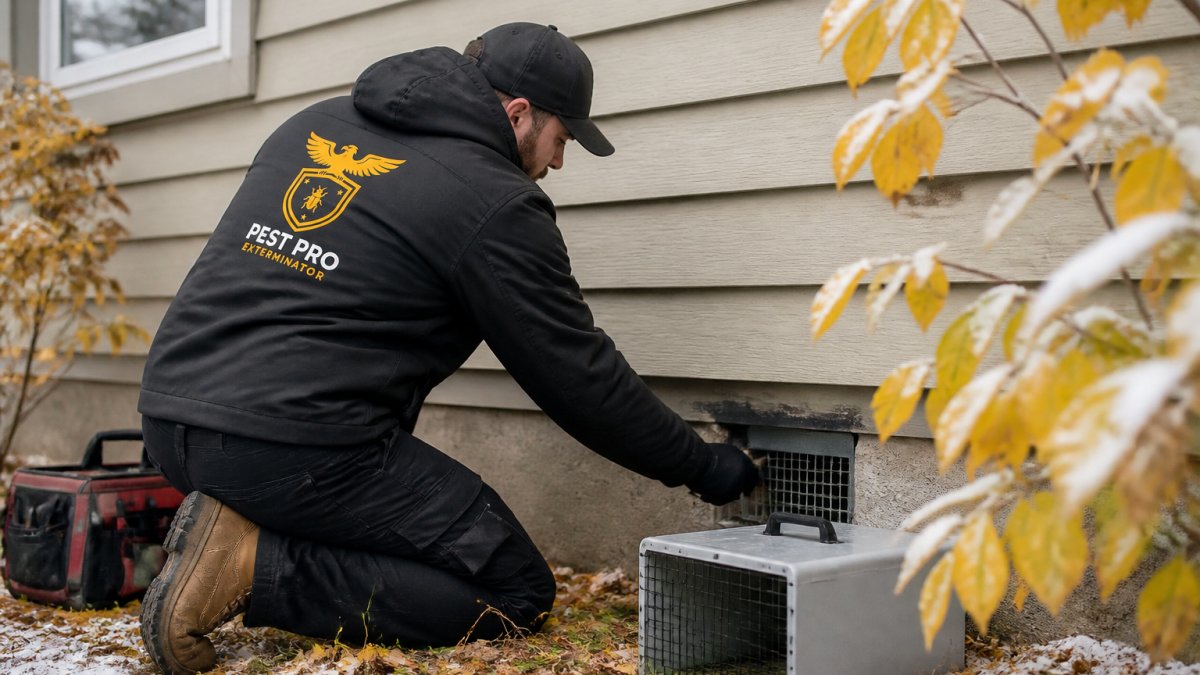
Vent openings require one-way door systems or mesh screens. These allow air and moisture to escape while preventing animal entry. Install screens with a mesh size small enough to exclude mice but large enough for proper ventilation.
Get A Free Pest Control Quote Today →
Door and window gaps should be sealed with weatherstripping. Replace worn strips that no longer create a tight seal. Check garage doors and basement windows carefully.
Roof vents and soffit gaps are common squirrel and raccoon entry points. Install hardware cloth or metal screening over vents. Trim tree branches that overhang the roof; they create highways for climbing animals.
The goal is creating a complete barrier. A single missed gap defeats the entire effort. This is why professional wildlife exclusion services are valuable; they know where to look and how to seal effectively.
Seal entry points in early fall before animals actively seek shelter. Sealing in November means you’re already dealing with indoor populations.
Humane Removal Techniques and Process
Humane wildlife removal balances animal welfare with effective control. This approach aligns with modern standards and regulations in Alberta.
Professional removal begins with identification. Different animals require different techniques. Mice need trapping; raccoons may need one-way doors; bats require specialized relocation. Misidentifying the animal leads to ineffective treatment.
One-way door systems are the most humane approach for larger animals. These devices allow animals to exit but prevent re-entry. The animal leaves seeking food or water, then can’t return. This works best when combined with entry point sealing; once the animal leaves, it can’t come back inside.
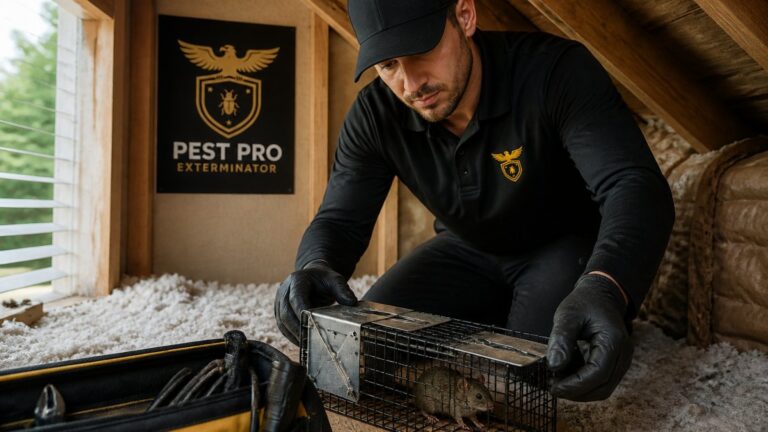
Live traps capture animals unharmed for relocation. They’re placed along known travel routes and baited with appropriate food. Once captured, animals are relocated to suitable habitat away from residential areas. This requires proper licensing and knowledge of local wildlife regulations.
Exclusion during breeding season requires care. Sealing entry points while young are still inside traps animals in your home. Professionals time exclusion work to occur after young are weaned and mobile.
Sanitation follows removal. Contaminated areas require professional decontamination to eliminate health hazards. This includes removing soiled insulation, cleaning surfaces, and applying antimicrobial treatments.
The entire process typically takes 2-4 weeks from initial inspection to final sealing and sanitation. Rushing this timeline risks incomplete removal or trapped animals causing damage inside walls.
Wildlife Exclusion Services for Long-Term Protection
Wildlife exclusion goes beyond sealing holes. It’s a comprehensive approach to making your property inhospitable to nuisance animals year-round.
Exclusion services begin with detailed property assessment. Professionals evaluate roof condition, foundation integrity, landscaping, and nearby food sources. They identify not just current entry points but potential future ones.
Structural improvements may include installing chimney caps, screening attic vents, and repairing damaged soffits. These modifications prevent multiple animal species from entering simultaneously.
Landscaping modifications reduce attraction. Trimming tree branches away from the roof eliminates climbing routes. Removing brush piles and dense vegetation eliminates hiding spots. Securing garbage containers prevents food-motivated visits.
Ongoing monitoring catches new problems early. Some exclusion services include quarterly inspections to verify seals remain intact and identify fresh damage.
Habitat modification addresses root causes.
DIY vs. Professional Removal: Risk Assessment
Many homeowners attempt DIY pest control before calling professionals. Understanding the risks helps you decide when professional help is necessary.
Professional removal offers effective, lasting solutions.
Post-Removal Sanitation and Damage Repair
Removal doesn’t end when the animal leaves. Sanitation and repair address health hazards and prevent recurrence.
Frequently Asked Questions
What are the most common wildlife pests that enter homes in fall and winter?
Mice, rats, squirrels, and raccoons are the primary nuisance animals seeking shelter as outdoor temperatures drop. Mice can squeeze through openings as small as 6 millimeters, making them especially problematic. Each species causes different types of damage: rodents chew through insulation and wiring, while raccoons tear into attics searching for nesting materials. Professional inspection identifies which species are present so removal and exclusion strategies can be tailored accordingly.
How do I know if I have signs of mice infestation in winter?
Look for droppings along baseboards, in cupboards, or near food sources; they resemble small dark grains of rice. You may hear scratching or scurrying sounds in walls or attic spaces, especially at night. Chewed packaging, gnaw marks on wood or plastic, and a musty odor are also telltale signs. Nesting materials like shredded paper or fabric indicate active mice. If you spot even one mouse, a full property inspection is essential because infestations grow quickly indoors during cold months.
What is the difference between DIY removal and hiring a professional?
DIY trapping and removal carry significant risks: improper handling can lead to bites or disease exposure, traps may not target all animals in your home, and incomplete removal often results in reinfestation. Professionals use humane techniques, conduct thorough property inspections to find all entry points, and apply exclusion methods that prevent future intrusions. They also handle post-removal sanitation and damage repair. While DIY seems cost-effective initially, failed attempts often cost more in the long run due to recurring infestations and structural damage.
Are there regulations I need to know about wildlife trapping and relocation?
Provincial wildlife regulations in Alberta govern the trapping, handling, and relocation of animals. Some species are protected, and relocation without proper licensing is illegal. Most professional removal services hold the required permits and insurance. Unlicensed removal can result in fines and legal liability if an animal is injured or relocated improperly. Always verify that your chosen provider is licensed and insured before hiring them for humane wildlife removal services.