Woodpecker Damage Repair in Calgary: How to Fix Holes in Stucco, Siding, and Wood
Table of Contents
That sharp tapping on an exterior wall usually means the problem is already bigger than the hole you can see. Woodpecker damage repair in Calgary – how to fix holes in stucco, siding, and wood – starts with the same rule every time: repair the surface, but also deal with the reason the bird came back in the first place. If you skip the cause, you often end up patching the same spot twice.
In Calgary, woodpecker damage tends to show up on stucco chimneys, trim boards, cedar siding, fascia, soffits, and wood accents around newer and older homes alike. Commercial buildings can get hit too, especially where exterior materials create sheltered cavities or where insects are active behind the surface. The visible damage may look minor at first, but repeated pecking can open a path for moisture, insects, and bigger repair costs.
Why woodpeckers damage homes in Calgary
Woodpeckers usually peck for one of three reasons. They may be hunting insects in or behind the material. They may be drumming to mark territory, especially during breeding season. Or they may be trying to create or expand a nesting cavity.
That distinction matters because the repair plan changes with the cause. If insects are attracting the bird, patching the hole without addressing the insect activity is a short-term fix. If the bird is drumming on metal flashing, corner trim, or hollow siding because the sound carries, deterrence matters more than pest treatment. If there is cavity nesting, timing and wildlife rules also need to be considered before sealing an opening.
In Calgary, seasonal shifts make this more common in spring and early summer, but the problem can continue into fall if a structure offers shelter or food. Homes with existing insect activity, aging exterior finishes, or hollow cladding details are often more vulnerable.
Woodpecker damage repair in Calgary for stucco, siding, and wood
Woodpecker Damage Repair in Calgary: How to Fix Holes in Stucco
The right repair depends on what was hit, how deep the damage goes, and whether water has already started getting in.
Repairing holes in stucco
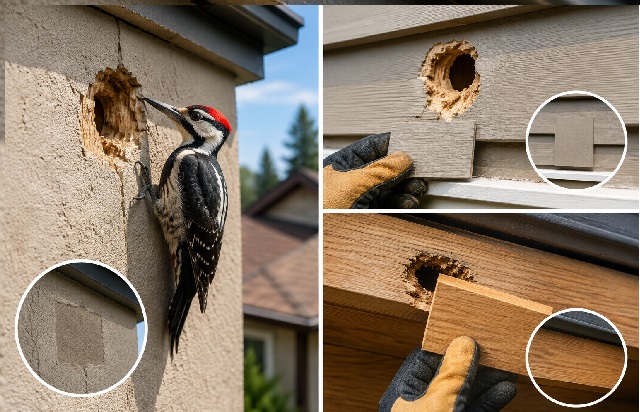
Stucco damage is common because woodpeckers may target EIFS-style systems or any stucco assembly with a hollow sound or insect activity behind it. Some holes stay shallow. Others punch through the finish and reach the substrate.
Start by inspecting the full area, not just the visible hole. Look for soft spots, staining, cracks radiating out from the impact, or signs of insect entry. If the stucco feels loose or sounds hollow over a wider section, the damaged area may need to be opened beyond the original hole.
For smaller holes, contractors typically remove loose material, dry the area if needed, reinforce the patch base, and apply a compatible stucco repair mix in layers. Texture matching matters because a clean patch that sheds water properly is better than a fast cosmetic smear that cracks with the first freeze-thaw cycle. Calgary weather is hard on rushed exterior repairs.
If the underlying sheathing is damaged or wet, that needs to be replaced before the finish is rebuilt. Otherwise the patch may hold visually while moisture damage keeps spreading behind it.
Repairing holes in siding
Siding repairs vary more than homeowners expect because vinyl, fiber cement, engineered wood, aluminum, and cedar all behave differently. A hole in vinyl siding may be repairable with a targeted section replacement. A puncture in fiber cement often needs a full board swap for a clean, durable result.
The key is to avoid trap-and-cover repairs. If there is a hole through the siding and into house wrap or sheathing, water can work behind a surface patch. That is where small wildlife or insects can also start using the opening.
A proper siding repair usually involves removing the affected panel or board, checking the layers behind it, replacing any compromised substrate, then reinstalling matching material with the correct fastening and clearance. On painted wood or engineered siding, sealing cut edges and repainting the repair area is part of the job, not an optional extra.
Repairing holes in wood trim, soffits, and fascia
Woodpeckers often go after trim boards, fascia, soffits, and decorative wood features because they can hide insect activity or offer a good cavity site. Wood also shows progressive damage quickly. A small test hole can turn into a larger opening after repeated visits.
For shallow peck marks in otherwise solid wood, exterior-grade filler or epoxy repair may work. But once the wood is split, softened, or punctured deeply, replacement is usually the better call. Filling over rot, insect galleries, or moisture-softened wood rarely lasts long.
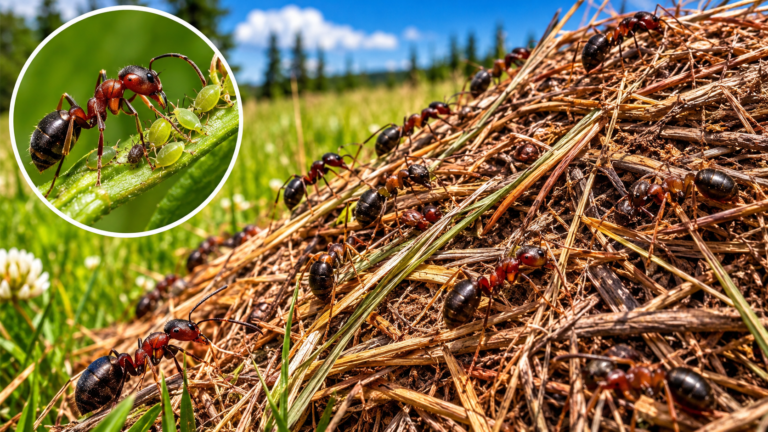
This is also where inspection matters most. A damaged fascia board may be the symptom, while the real issue is carpenter ants, moisture intrusion, or decaying wood around the roof edge. Fixing the face without checking the assembly behind it leaves the property exposed.
When repair alone is not enough
A lot of woodpecker damage is really a pest and exclusion problem wearing a repair label. If birds are returning to the same wall, chimney chase, or eave line, there is usually an attractant or structural condition that still needs attention.
Insect activity is one of the biggest triggers. Ants, beetles, and other wood-boring or moisture-related insects can draw woodpeckers to a property. Once birds learn there is food behind a surface, they keep testing it. That is why a prevention-first company looks beyond the hole itself.
Exclusion may also be needed. Visual deterrents can help in some cases, but results are mixed and placement matters. Netting, surface modifications, habitat changes, or targeted bird-proofing are often more effective than hanging a shiny object and hoping for the best.
There is also a legal and ethical side to consider. Many birds are protected, and active nests cannot simply be sealed without understanding the situation. If there is any chance the opening is being used for nesting, get it assessed before repair work starts.
What a professional assessment should cover
A solid inspection should answer four questions. What material is damaged? How far does the damage go? What attracted the bird? And what will stop a repeat visit?
That means checking for moisture, insect activity, hidden voids, nesting use, and entry points around the repair area. On multi-unit buildings, hotels, restaurants, and managed properties, the inspection should also look at broader exterior patterns. Repeated pecking on multiple elevations may point to a building-wide issue with insects, cladding details, or unprotected cavities.
For property managers and business owners, speed matters, but so does documentation. The right team should be able to explain what was found, what can be repaired now, and what preventive work should be scheduled next. No guesswork. Just proven results.
How to reduce the chance of repeat damage
The most effective prevention plan is practical, not complicated. Repair all openings cleanly, address insect activity if present, and remove the conditions that make a wall or trim section attractive in the first place.
That may include replacing damaged wood with less vulnerable materials, sealing gaps around soffits and fascia transitions, correcting moisture issues, repainting exposed wood, or adding exclusion measures in high-risk areas. On stucco and siding systems, a clean repair with proper backing and water management is part of prevention, not just appearance.
It also helps to act early. A single fresh hole is easier to solve than a pattern of repeated damage across different parts of the building. Once a bird has successfully used a location for food or drumming, it often returns.
DIY or call a pro?
Small cosmetic damage can sometimes be repaired by a skilled homeowner, especially on accessible wood trim with no signs of insects or moisture. But there is a difference between filling a mark and solving the problem.
If the hole is in stucco, high siding, soffits, or fascia near the roofline, professional repair is usually safer and more reliable. The same goes for any damage tied to insects, nesting, water intrusion, or recurring bird activity. In those cases, you need more than a patch. You need a plan.
For Calgary homes and commercial properties, that often means combining exterior repair with pest inspection and exclusion. Companies like Pest Pro Exterminator handle the bigger question behind the visible damage: why the bird targeted the building, and what will stop it from happening again.
If you hear tapping and spot even one new hole, treat it as an early warning, not a minor annoyance. Fast repair protects the building. Finding the cause protects it for the long term.
Frequently Asked Questions
How do I know if a woodpecker caused the damage?
Woodpecker damage usually appears as round or deep holes in stucco, siding, fascia, or wood trim. You may also notice repeated pecking sounds, wood chips on the ground, or bird activity around the same spot.
Can woodpecker holes cause bigger structural problems?
Yes. If left unrepaired, woodpecker holes can allow moisture, insects, and rodents to enter wall cavities, leading to insulation damage, mold, or structural deterioration.
What types of exterior materials can be repaired after woodpecker damage?
Professional repairs can restore damaged stucco, vinyl siding, cedar siding, soffits, fascia boards, wood trim, and other exterior surfaces while matching the original finish.
How much does woodpecker damage repair cost in Calgary?
Repair costs depend on the size, depth, and material affected. Minor stucco patching may cost less, while extensive siding or wood replacement may require a larger repair budget.
Will repairing the hole stop woodpeckers from coming back?
Not always. Repairs should be combined with bird deterrent solutions such as exclusion netting, visual deterrents, or habitat modification to prevent repeated pecking.
Why do woodpeckers peck on houses in Calgary?
Woodpeckers may peck for nesting, drumming to mark territory, or searching for insects inside wood or wall cavities. Spring and fall are often the busiest activity periods.
Can woodpecker holes attract pests?
Yes. Open holes can become entry points for House mouse, Squirrel, insects, and other nuisance wildlife looking for shelter.
Is stucco patching enough for woodpecker damage?
It depends. Surface patching works for cosmetic damage, but deeper holes may need backing material, insulation replacement, and reinforcement before finishing.
How long does woodpecker damage repair take?
Most minor repairs can be completed in one visit, while larger repairs involving siding replacement or multiple holes may take longer depending on weather and material curing time.
Do you offer woodpecker damage prevention after repairs?
Yes. Many professional pest and wildlife control companies combine repair work with exclusion and prevention strategies to help protect homes from future woodpecker damage.