How to Spot Rodent Damage in Wiring Before Fall
Quick Summary
Rodent damage wiring usually shows up as small parallel grooves, jagged bites, or exposed copper on cable insulation, often with droppings or shredded nesting material nearby. Mice gnaw wires as temperatures fall because they seek warm shelter and their teeth keep growing. Turn off the affected circuit and call a licensed electrician if you find any of these signs.
- Look for evenly spaced parallel grooves, which are small rodent tooth marks on insulation.
- Turn off the circuit at the breaker before touching any wiring you suspect is damaged.
- Check basements, crawl spaces, attics, outlets and garage wiring, since these are common chew points.
- Treat flickering lights, repeated breaker trips, or burning smells as fault signs needing an electrician.
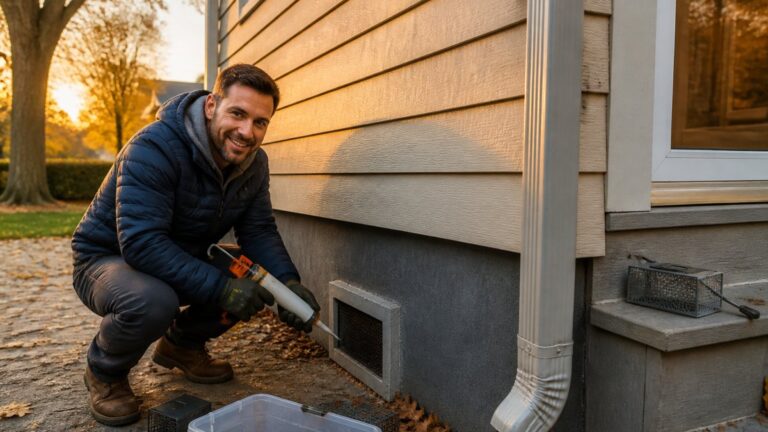
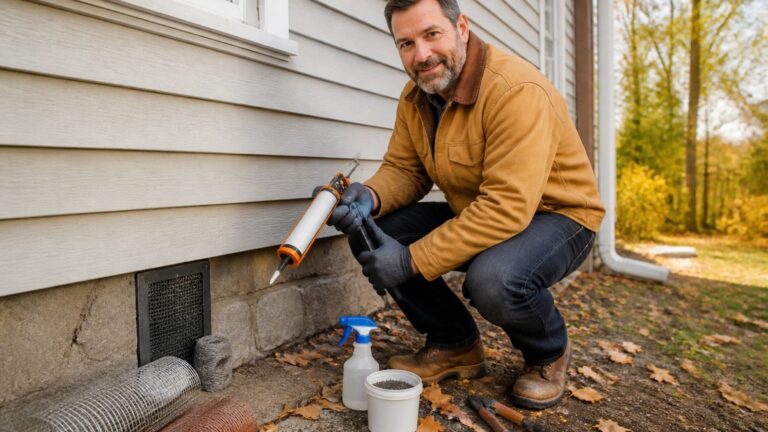
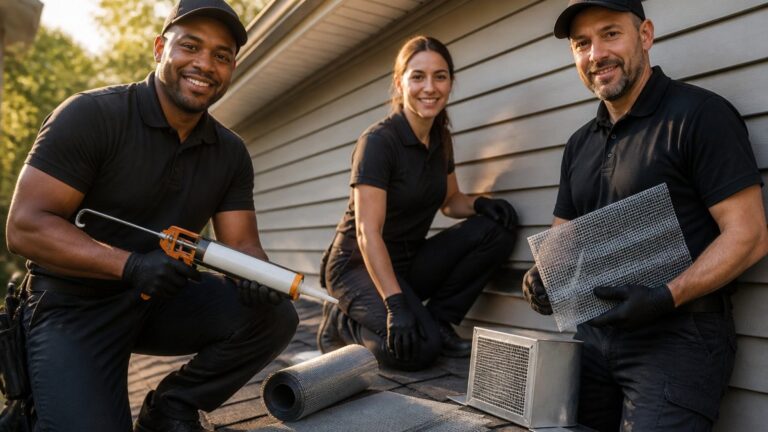
- Seal entry points with a pest control professional, because repairing wire alone will not stop new chewing.
Table of Contents
- Why Mice and Other Pests Chew Wiring as the Weather Turns
- How to Inspect for Rodent Damage in Wiring Step by Step
- Visible Signs of Chewed Wires and Rodent Activity
- Telling Rodent Damage Apart From Heat, Abrasion, and Installation Defects
- What to Do About Chewed Electrical Wires
- Why Rodent-Chewed Wires Are a Fire Risk
- Booking a Fall and Winter Rodent Prevention Inspection
- Frequently Asked Questions
Why Mice and Other Pests Chew Wiring as the Weather Turns
As temperatures drop across Alberta, mice and other pests look for shelter. Walls, attics, crawl spaces and engine bays offer warmth and protection, so pests move indoors and into the spaces where wiring runs. Rodents also gnaw constantly, because their teeth keep growing and they must wear them down. Wire insulation is an easy target, which is why rodent damage wiring is a common problem once the weather turns.
Homeowners often notice a problem only after a light flickers or a breaker trips. Knowing what to look for before that happens gives you time to act.
Common reasons pests chew wires include:
- Nesting: Mice shred soft materials, including insulation, to build nests.
- Constant tooth wear: Rodent teeth never stop growing, so they gnaw on hard objects.
- Shelter-seeking: Warm spaces near wiring attract pests during cold months.
- Access: Wiring runs through open gaps in walls, floors and vehicle engine bays.
How to Inspect for Rodent Damage in Wiring Step by Step
A safe inspection is slow, ordered, and done with the power off wherever possible. Work from the areas pests reach first to the areas they reach last, and stop the moment you see exposed conductor or smell burning. The sequence below separates home, vehicle, and appliance checks so you do not mix up symptoms or the right professional to call.
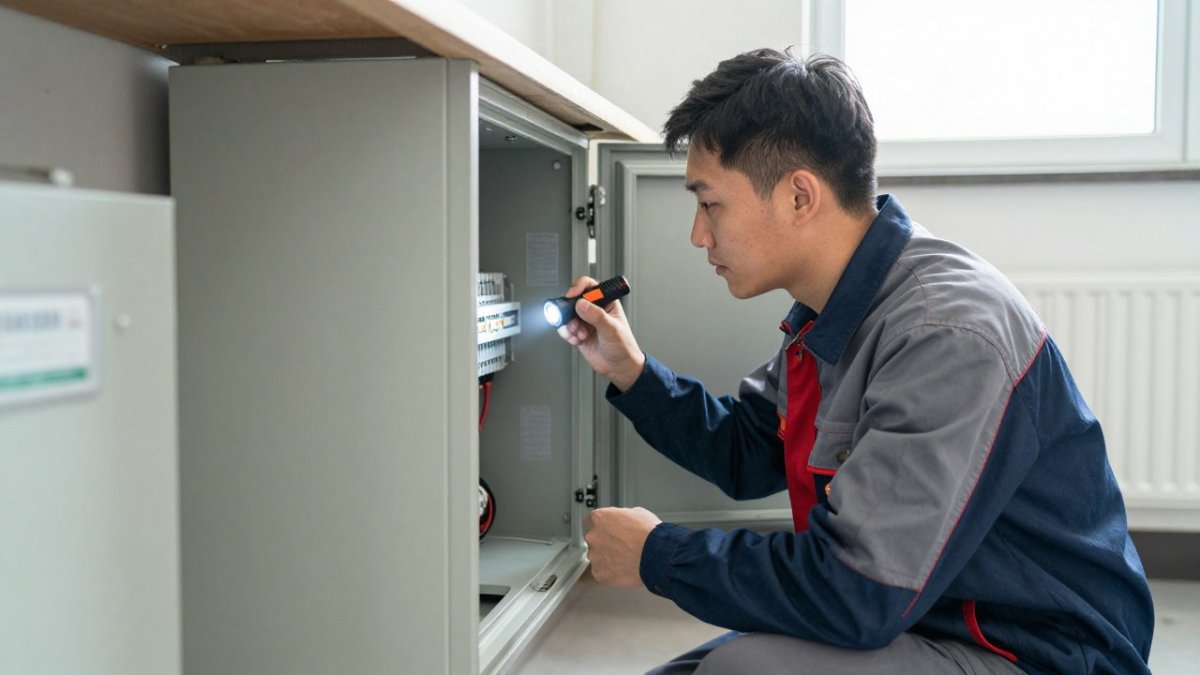
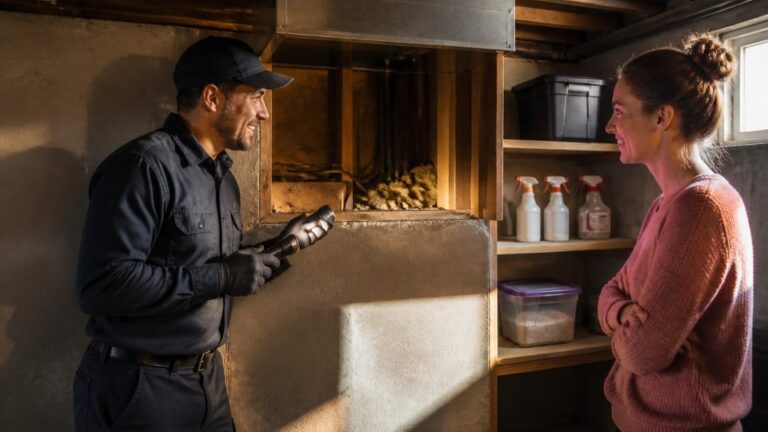
!Homeowner in a work jacket kneeling beside an open basement electrical panel, examining wires with a flashlight in a tidy utility room
Before You Start: Safety Ground Rules
- Turn off the affected circuit at the breaker before touching anything near wiring. If you cannot identify the circuit, leave the panel closed and call a licensed electrician.
- Wear gloves and eye protection. Rodent droppings and nesting material can carry pathogens, so avoid dry-sweeping or vacuuming debris near wiring.
- Use a bright flashlight and a mirror to see behind boxes and along joists without reaching in.
- Treat any bare copper, scorched insulation, or warm outlet as an immediate stop sign. Do not reset a breaker that trips repeatedly.
Watch out: never probe, wiggle, or pull on a wire to “test” whether it is live. A non-contact voltage tester is the only safe check for a homeowner, and even that does not confirm a circuit is dead.
Home Inspection Walkthrough
- Panel and meter area. Open the panel cover only if you are qualified; otherwise inspect the exterior for droppings, gnaw marks on cable jackets, or nesting material where cables enter.
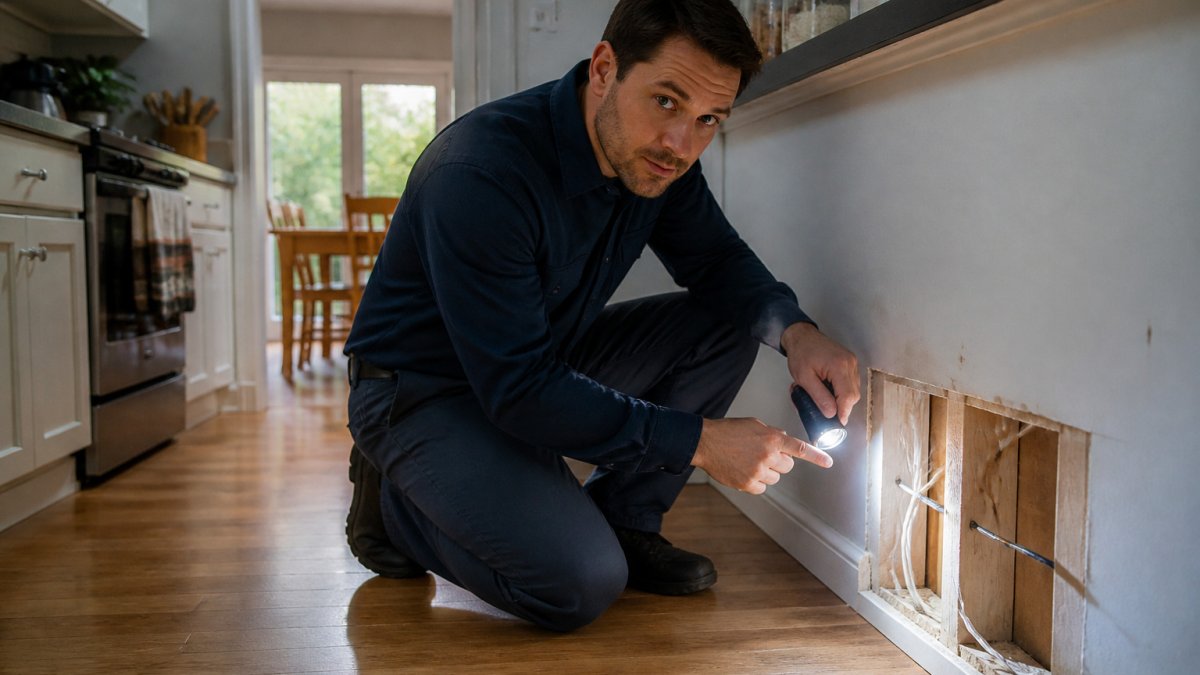
- Basement and crawl space. Follow exposed cable along joists and sill plates. Look for parallel grooves on the jacket, shredded insulation, and droppings in corners.
- Attic. Check cable runs near insulation and roof penetrations. Rodents nest in soft insulation and chew the nearest cable.
- Outlets and switches. Remove plates only with the circuit off. Look for gnaw marks on the box, loose wires, and discoloration.
- Garage and outbuildings. Overhead door wiring and exposed runs are common chew points because pests enter through gaps.
Vehicle Inspection Walkthrough
Open the hood with the engine off and cool. Check the harness near the firewall, air filter box, and battery tray, then look under the dash and behind interior trim where pests shelter. Look for droppings on the battery top, shredded hood insulation, and gnaw marks on loom. If you find damaged wiring, do not start the vehicle; have an automotive technician inspect it.
Appliance Inspection Walkthrough
Unplug the appliance before checking its cord. Look behind and underneath refrigerators, freezers, and laundry equipment, and check cords that run through dark, quiet gaps. A chewed cord is a shock and fire hazard, so replace it rather than taping it.
When to Stop and Call a Professional
Stop and call a licensed electrician for any home wiring that is exposed, scorched, or repeatedly tripping a breaker. Call an automotive technician for vehicle electrical faults, and a pest control professional once the damage is found so the entry points are sealed and the source is removed. Once the immediate hazards are addressed, keep watching for signs of faulty house wiring so any new damage can be handled before it becomes a greater risk.
Visible Signs of Chewed Wires and Rodent Activity
Chewed wire often looks different from normal wear. Rodent damage tends to show distinct marks that help you tell pests apart from other causes.
- Parallel grooves: Small, evenly spaced marks from rodent teeth on the insulation.
- Jagged tears: Irregular bites where the insulation has been pulled apart.
- Exposed copper: Bare conductor visible where the outer coating is gone.
- Droppings: Small dark pellets near walls, outlets or engine compartments.
- Nesting material: Shredded paper, fabric or insulation tucked near wiring.
Scratching sounds inside walls or attics can also signal active pests. If you notice these signs, treat the area as a potential hazard.
Telling Rodent Damage Apart From Heat, Abrasion, and Installation Defects
Most guides list the causes but do not help you compare them side by side. The table below is the diagnostic shortcut the top results are missing: match what you see to the most likely cause before you decide on a repair.
| What you see | Most likely cause | What it looks like up close |
|---|---|---|
| Small, evenly spaced parallel grooves | Rodent gnawing | Shallow paired scratches on the insulation, often in clusters along one run |
| Jagged, torn insulation with exposed copper | Rodent gnawing | Irregular bites, frayed edges, sometimes with droppings or nesting material nearby |
| Brittle, discolored, or cracked insulation near a connection | Heat damage | Insulation looks baked or melted at a hot spot, not scratched |
| Smooth wear following a single line | Abrasion | Wire has rubbed on a sharp edge or staple; the jacket is thinned, not bitten |
| Green or white build-up on connectors | Corrosion | Powdery residue, often near moisture or outdoor fittings |
| Loose staples, pinched cable, poor splices | Installation defect | Damage appears at a fixing point or joint, with no bite marks |
Rodent damage usually shows multiple small bite marks in clusters, plus droppings or shredded nesting material nearby. Heat damage tends to concentrate at a connection or hot spot. Abrasion follows a single rub line. Corrosion shows as residue rather than missing insulation. Installation defects appear at staples, clamps, or splices.
Visit Pest Pro Exterminator For Pest Control Services In Calgary And Surrounding Areas →
What Testing Can and Cannot Tell You
Continuity and insulation-resistance tests can show that a circuit is compromised, but they cannot tell you whether a rodent, heat, or abrasion caused the damage. Those tests are diagnostic tools for a licensed electrician, not a homeowner check. A visual inspection plus the comparison above is what most practitioners use to sort out the cause before testing.
Watch out: do not assume a wire is safe because it still works. A chewed conductor can carry current while arcing intermittently, which is a fire risk even when lights and outlets seem normal.
If you are unsure of the cause, have a licensed electrician inspect the wiring before you rely on it.
What to Do About Chewed Electrical Wires
If you find chewed wiring, act quickly. Turn off the affected circuit at the breaker if you can do so safely. Do not attempt repairs on live wiring.
- Shut off power to the affected circuit at the panel.
- Photograph the damage for your records and any repair quote.
- Keep people and pets away from the exposed wire.
- Contact a licensed electrician to repair or replace the damaged section.
- Call a pest control professional to remove the source of the problem.
Repairing the wire alone is not enough. If pests can still reach the area, they will likely chew the new wiring too. A pest control professional can help locate entry points and set up a plan to keep pests out, so repairs last.
Why Rodent-Chewed Wires Are a Fire Risk
Damaged wiring can cause electrical faults. When insulation is removed, bare conductors can touch each other or other materials. This can create a short circuit, heat up a connection, or spark. Heat from a fault can ignite nearby insulation, wood or nesting material.
Warning signs of a fault include flickering lights, repeated breaker trips, a burning smell, or outlets that feel warm. If you notice any of these signs, turn off the affected circuit and have a licensed electrician check it right away.
Booking a Fall and Winter Rodent Prevention Inspection
Preventing damage is easier than repairing it. A professional inspection can find gaps, entry points and signs of activity before the coldest months arrive. Sealing openings and checking problem areas now helps protect your wiring from rodent damage wiring problems over winter.
Booking a professional inspection before the weather turns is a practical step for homeowners.
Frequently Asked Questions
What are the signs of rodent damage in wiring?
Look for wire insulation that is nicked, torn, or stripped, often with small parallel grooves from rodent teeth. Shredded paper or fabric near wiring, droppings, and gnaw marks on nearby materials are strong evidence of activity. Flickering lights, outlets that stop working, or breakers that trip repeatedly can also point to a damaged circuit. Any sign of chewed wiring should be treated as a safety concern and checked by a licensed electrician.
Is chewed wiring a fire hazard?
Yes. When insulation is removed, bare conductors can touch each other or other metal, causing short circuits, arcing, and heat. Damage inside walls or ceilings can go unnoticed for a long time before a fault appears. Turn off the affected circuit if you can do so safely, avoid touching exposed wire, and have a licensed electrician inspect and repair the damage promptly.
What should you do if you find rodent-damaged wiring?
Stop using the affected circuit or appliance and do not touch exposed conductors. If you smell burning, see scorch marks, or notice sparks, call your fire department or emergency services. Otherwise, contact a licensed electrician to repair or replace the damaged section. Address the rodent source at the same time, since a pest pro can seal entry points and remove remaining activity so the damage does not recur.
How can you prevent rodents from damaging household wiring?
Seal gaps around pipes, vents, and foundation openings with steel wool and durable sealant before fall. Trim vegetation away from the exterior of the home, store firewood away from walls, and keep food in sealed containers. Inspect attics, crawl spaces, and garages each season for early signs of activity. A professional inspection can identify entry points that are easy to miss.
Need help with pests in your home or property? Pest Pro Exterminator provides residential and commercial pest management in Calgary and Southern Alberta. Book a free quote or consultation today.