The Essential Guide to Year-Round Pest Management for Commercial Buildings in Calgary
Table of Contents
Introduction
Effective pest management, including commercial pest control, is a critical aspect of maintaining commercial buildings, especially in urban areas like Calgary. Businesses are not only responsible for providing a safe and healthy environment for their employees and clients but also for safeguarding their property and reputation. This article serves as an essential guide for year-round pest management strategies tailored for commercial buildings in Calgary. We will delve into understanding pest management, identifying common pests, and exploring effective strategies to prevent and control infestations throughout the year, emphasizing the importance of commercial pest control.
Understanding Pest Management
Definition of Pest Management
Pest management refers to the strategies and practices employed to control and eliminate pest populations that can harm property, health, or safety. It encompasses a variety of methods, including chemical treatments, biological controls, and physical barriers, aimed at reducing pest numbers to acceptable levels without causing undue harm to the environment. The ultimate goal is to create a pest-free environment while minimizing risks to human health and the ecosystem.
Importance of Pest Management in Commercial Buildings
Understanding the specific needs of commercial pest control is essential for businesses aiming to protect their assets.
Regular commercial pest control practices can significantly reduce the likelihood of severe infestations.
The significance of pest management in commercial buildings cannot be overstated. Pests such as rodents, insects, and birds can cause structural damage, contaminate food supplies, and spread diseases, leading to costly consequences for businesses. Effective pest management ensures compliance with health regulations, protects company reputation, and enhances employee productivity. Moreover, proactive measures can prevent infestations, saving time and resources in the long run.
Common Pests in Calgary Commercial Buildings
Professional commercial pest control services can help identify and manage rodent problems effectively.
Rodents
Utilizing commercial pest control strategies helps mitigate the risk of insect-related issues in food storage areas.
Rodents, particularly mice and rats, are common in commercial buildings. They seek shelter in warm, dry places and can enter through even the smallest openings. Rodents pose significant health risks as they can transmit diseases such as hantavirus and salmonella. Additionally, they cause damage by gnawing on electrical wires, insulation, and structural components, leading to potential fire hazards.
Effective commercial pest control measures prevent birds from creating unsanitary conditions for businesses.
Insects
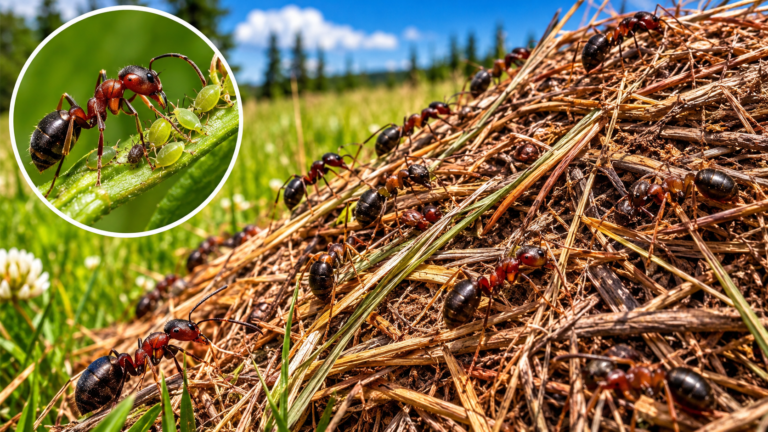
A variety of insects can invade commercial properties, including cockroaches, ants, and termites. Cockroaches are notorious for spreading allergens and pathogens, while ants can infiltrate food storage areas. Termites, on the other hand, can cause extensive structural damage that often goes unnoticed until significant harm is done. It is crucial for businesses to recognize the signs of insect infestations early to mitigate risks effectively.
Establishing a routine commercial pest control plan is integral to maintaining a pest-free environment.
Birds
Regular inspections by commercial pest control specialists can reveal hidden infestations before they escalate.
Birds, particularly pigeons and sparrows, can create problems for commercial buildings. They often nest in eaves and ledges, leading to droppings that can damage property and pose health risks to employees and customers. Their presence can also deter clients, affecting a business’s image. Implementing bird control measures is essential to maintain cleanliness and protect the building from potential damage.
Incorporating commercial pest control techniques into daily operations enhances the overall effectiveness of pest management.
Year-Round Pest Management Strategies
Collaborating with a professional for commercial pest control can ensure that all potential risks are addressed.
Preventive Measures
Preventive measures are the first line of defense against pest infestations. This includes maintaining cleanliness in and around the premises, sealing entry points, and ensuring proper waste disposal. Regular maintenance checks on plumbing and drainage systems can also help eliminate standing water, which can attract pests. Educating employees about hygiene practices is vital, as they play a key role in maintaining a pest-free environment.
Comprehensive commercial pest control services may include seasonal treatments to prevent recurrent issues.
Understanding the costs associated with commercial pest control helps businesses budget effectively for pest management.
Monitoring and Inspection
Seasonal changes can influence pest behavior, making timely commercial pest control essential.
Implementing commercial pest control measures is vital to ensure that infestations are kept under control and do not disrupt business operations.
Regular monitoring and inspections are essential in a comprehensive pest management plan. Businesses should schedule routine inspections to identify potential problem areas before they escalate into infestations. Utilizing traps and monitoring devices can provide critical data about pest activity. Documenting findings helps in tracking pest trends and adjusting management strategies accordingly.
Integrated Pest Management (IPM) Approach
Implementing commercial pest control in summer is critical, as it is often the peak season for pest activity.
The Integrated Pest Management (IPM) approach combines multiple strategies to control pests in an environmentally responsible manner. IPM relies on understanding pest biology and behavior, allowing for targeted interventions rather than blanket pesticide applications. This method includes monitoring, habitat modification, physical controls, biological controls, and if necessary, chemical treatments. By using IPM, businesses can achieve long-term pest control while reducing environmental impact.
Many businesses find that effective commercial pest control during fall reduces the number of pests entering buildings.
Commercial Pest Management Services
Winter can bring its own challenges; thus, maintaining a commercial pest control strategy is important year-round.
Choosing the Right Service Provider
Selecting the right pest management service provider is crucial for effective pest control. Businesses should look for a company with a proven track record, appropriate licenses, and certifications. It is advisable to read reviews and seek recommendations from other businesses. A qualified provider should offer a customized pest management plan based on the specific needs of the facility, ensuring optimal results.
Identifying signs of pest infestations can make a significant difference in the effectiveness of commercial pest control efforts.
Services Offered
Proactive strategies in commercial pest control can lead to a more pest-free environment for employees and customers.
Effective commercial pest control methods should be part of any business’s operational procedures.
Commercial pest management services typically include inspections, treatment plans, monitoring services, and ongoing maintenance. Some providers also offer specialized services, such as bird control, rodent exclusion, and bed bug treatments. It’s important to understand the full range of services offered and choose a provider that can address all potential pest issues relevant to the commercial environment.
Regular training on commercial pest control can equip employees with the knowledge to identify potential issues.
Cost Considerations
The cost of pest management services varies depending on the size of the facility, the type of pests, and the frequency of service. While it may be tempting to choose the cheapest option, businesses should consider value over price. A more comprehensive service plan can ultimately result in cost savings by preventing infestations and associated damages. It’s wise to request quotes from multiple providers and assess their offerings before making a decision.
Thus, businesses must prioritize commercial pest control to thrive and protect their reputation.
In conclusion, understanding the significance of commercial pest control is essential for maintaining a safe and healthy business environment.
Seasonal Considerations for Pest Management
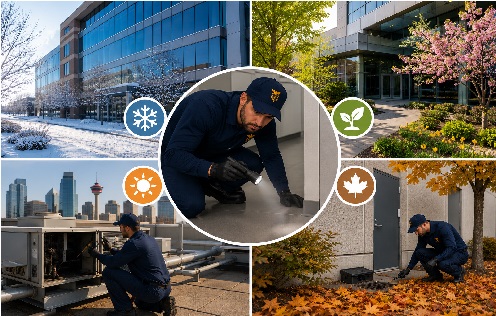
Spring
Spring marks the beginning of increased pest activity as warmer temperatures awaken hibernating populations. Businesses should prepare for the emergence of ants, termites, and various insects. Property owners should conduct thorough inspections to identify and seal entry points, as well as clear away debris that can serve as nesting sites. Introducing preventive measures during this season is critical to avoid infestations later in the year.
Summer
Summer brings the peak of pest activity, with rodents and insects thriving in warmer climates. The focus during this time should be on monitoring and ensuring that preventive measures remain effective. Businesses should also be vigilant about food storage and waste management to minimize attraction for pests. Regular inspections and immediate response to sightings will help keep pest populations in check.
Fall
As temperatures drop in fall, many pests seek shelter indoors. Rodents, in particular, are notorious for invading commercial buildings during this season. It’s essential to reevaluate and strengthen preventive measures, sealing any gaps and maintaining cleanliness. Additionally, monitoring for signs of pest activity should be heightened as businesses prepare for winter.
Winter
Winter may seem like a less active season for pests, but it still poses risks. Indoors, pests seek warmth and food sources, making buildings vulnerable to infestations. Regular inspections should continue, ensuring that heating systems and insulation remain intact. Special attention to rodent control is crucial, as they can cause significant damage during colder months if left unchecked.
FAQs
What are the signs of a pest infestation?
Common signs include droppings, gnaw marks, nests, and visible insects or rodents. Unusual odors and sounds may also indicate an infestation.
How often should commercial buildings be inspected for pests?
It is recommended to inspect commercial buildings at least quarterly, with more frequent checks during peak pest seasons.
What are the most effective pest control methods?
Effective methods include preventive measures, monitoring, physical barriers, and, when necessary, targeted chemical treatments based on an Integrated Pest Management approach.
How can businesses educate employees about pest prevention?
Businesses can educate employees through training sessions, informational materials, and regular reminders about hygiene practices, waste disposal, and reporting pest sightings.
Conclusion
Year-round pest management is essential for commercial buildings in Calgary to ensure a safe, healthy, and productive environment. By understanding pest behavior, implementing preventive measures, and utilizing professional services, businesses can effectively mitigate pest risks. Regular inspections and a comprehensive pest management strategy will not only protect property but also enhance the reputation of a business in the community. As the landscape of pest management evolves, staying informed and proactive is key to thriving in an urban environment.