Ongoing Pest Monitoring for Complexes: Fall Preparation
Table of Contents
- Why Ongoing Pest Monitoring Matters for Complexes
- Pest Identification and Early Detection
- Pest Control Inspection Frequency and Seasonal Schedules
- Pest Inspection Checklist for Property Managers
- Documenting Pest Activity: Logs and Thresholds
- Fall Pest Prevention for Apartments
- Resident Communication and Reporting
- Measuring Program Success and Adjusting Strategy
- Frequently Asked Questions
Last Updated: October 16, 2026
Why Ongoing Pest Monitoring Matters for Complexes
As temperatures drop, mice, cockroaches, and other insects seek warmth inside apartment buildings and commercial complexes.
Ongoing pest monitoring is your first line of defense, catching problems before they spread across units.
Most complexes react instead of prevent. By the time a tenant reports a mouse, the problem has often spread to three other units.
At Pest Pro Exterminator, we’ve seen this pattern repeat for years.
Pest Identification and Early Detection
Understanding fall and winter pest behavior helps you catch problems early.
Common fall and winter pests in multi-unit buildings
Mice are the most common winter invader, entering through dime-sized gaps.
Cockroaches thrive in heated buildings year-round, hiding in cracks, behind appliances, and inside walls.
Bed bugs don’t follow seasonal patterns, but fall travel increases their spread.
Cluster flies gather in attics and wall voids in fall. They’re harmless but annoying.
Spiders and insects seek shelter indoors as temperatures drop.
Signs of pest activity to watch for
Watch for these signs in common areas and units.
- Droppings near food sources, in cabinets, or along baseboards
- Gnaw marks on packaging, wood trim, or electrical wiring
- Dead insects on windowsills or in corners
- Musty odors that suggest rodent urine
Tenant reports matter, many residents spot pests before managers do. Create a simple system so tenants can easily call or email about what they see.
Document every report with the date, unit number, pest type, and location. This builds a picture of where problems start and how they spread across the building.
Pest Control Inspection Frequency and Seasonal Schedules
A single fixed inspection interval is the wrong model for a complex. Frequency should scale with the season, the building’s pest history, and each zone’s risk profile, a boiler room next to a waste chute needs more attention than a sealed upper-floor storage closet.
Risk-based inspection intervals
Assign every area a risk tier, then set intervals by tier rather than inspecting everything on one schedule.
- High risk (inspect every 2-4 weeks in fall and winter): waste and recycling rooms, loading and receiving areas, common kitchens, laundry rooms, ground-floor and basement units, mechanical and boiler rooms, and any unit with a prior infestation.
- Medium risk (inspect monthly): hallways, stairwells, mailrooms, storage lockers, elevator shafts and closets, and units adjacent to high-risk zones.
- Low risk (inspect quarterly): upper-floor units with no history, sealed utility closets, and well-maintained common areas away from food, water, and waste.
When a high-risk zone shows activity, promote it to a temporary “intensive” tier, inspected weekly until two consecutive clean visits, then step it back down. This is the core of an ongoing monitoring program: intervals respond to findings, not a calendar printed a year ago.
A month-by-month monitoring calendar
Use this as a starting template and shift dates to match your climate and building type.
- September: Move quarterly zones to monthly. Walk the full exterior perimeter and seal gaps before pests become desperate. Confirm waste-room cleaning frequency.
- October: Begin high-risk zones on a 2-4 week cycle. Inspect attics, soffits, and roof access for cluster flies and rodent entry. Refresh resident reporting reminders.
- November: Peak rodent movement. Check utility penetrations, foundation cracks, and door sweeps. Place and date monitoring traps in mechanical rooms and along known travel routes.
- December-February: Hold high-risk zones at 2-4 weeks and medium-risk at monthly. Watch heated spaces, boiler rooms, laundry, and garbage rooms, where cockroaches stay active all winter.
Tying frequency to temperature and pressure
Pest pressure rises as outdoor temperatures fall. Intensify monitoring when overnight temperatures drop toward the low single digits Celsius, since rodents and nuisance insects move toward warmth. Watch the trend rather than a single cold snap: two or more consecutive cold nights is a reasonable trigger to confirm high-risk zones are on the tightest interval.
The best schedule is not monthly or quarterly, it is tiered. Match inspection frequency to each zone’s risk and the season, and let findings promote or demote a zone. This catches most problems before they reach a second unit.
Documenting the schedule itself
Keep a one-page master schedule showing each zone, its tier, its current interval, and its last inspection date. When a zone is promoted or demoted, note the reason and date. This turns general advice about “regular inspections” into an operating plan a new staff member can follow on day one.
Pest Inspection Checklist for Property Managers
Use the same checklist every time so you catch changes and patterns.
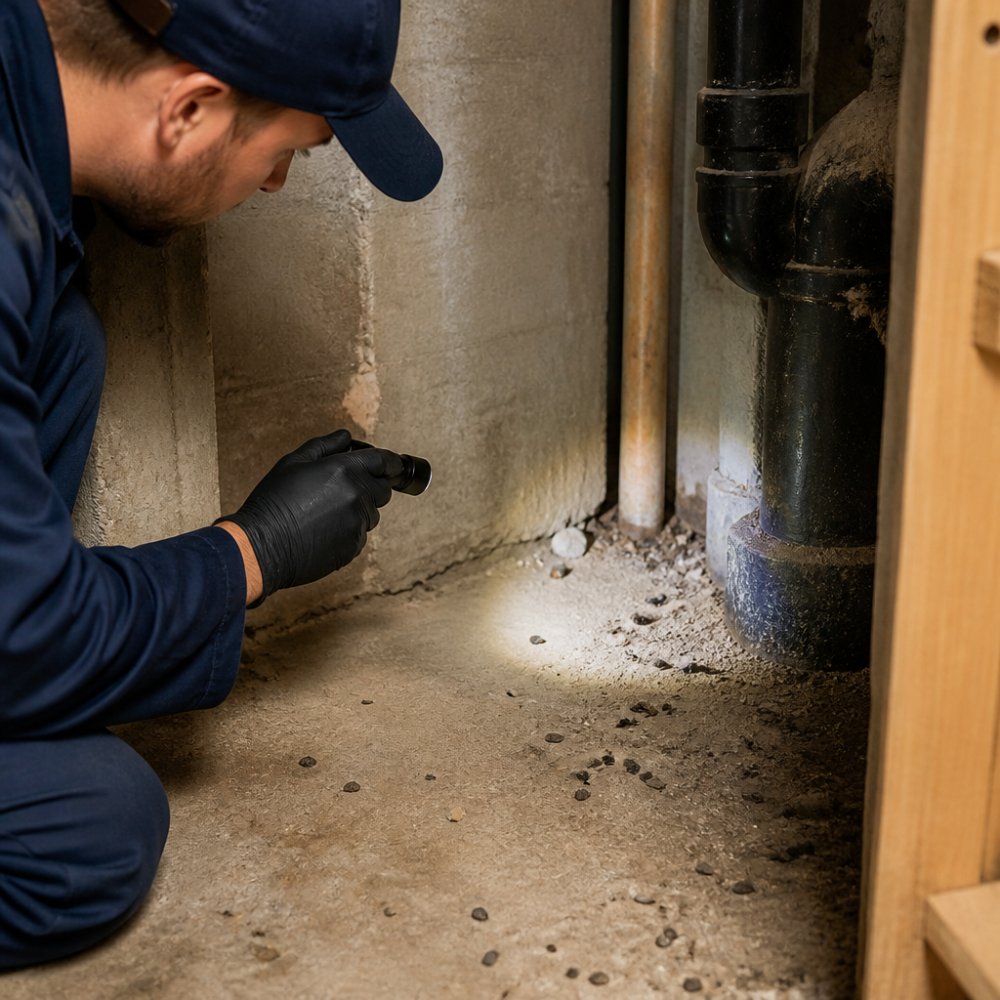
High-risk areas in apartment buildings
Focus on where pests hide and enter.
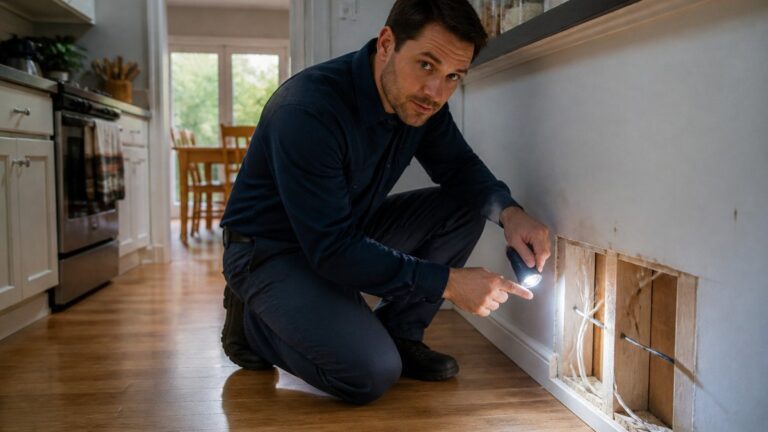
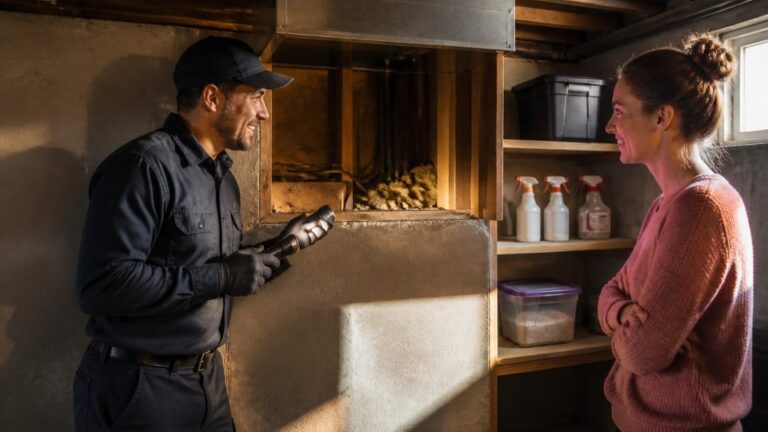
- Basements and crawl spaces, rodents nest here; check for droppings and gnaw marks
- Mechanical rooms, pipes and warm equipment attract pests
- Kitchen areas, food sources and moisture draw insects
- Laundry rooms, warmth and humidity create ideal conditions
Common areas and shared infrastructure
Don’t skip shared spaces. Pests move freely through hallways, stairwells, and shared facilities.
- Check hallway baseboards for droppings or grease marks
- Inspect stairwell corners and landings
- Look behind vending machines and in break rooms
- Examine mailroom shelves and storage
Record each inspection: date, areas checked, findings, and action taken. This log proves monitoring is happening.
Documenting Pest Activity: Logs and Thresholds
Documentation separates a monitoring program from occasional walkthroughs. Without standardized records and defined thresholds, you cannot tell whether activity is rising, falling, or being missed, or justify treatment decisions to owners or residents.
A standardized monitoring log
Use one consistent form or spreadsheet across every inspection. At minimum, capture:
- Date and time of inspection
- Inspector name
- Zone and specific location (use the same zone names as your master schedule)
- Pest or sign observed (species if known, plus droppings, gnaw marks, shed skins, live insects, or grease marks)
Consistency matters more than complexity. The same fields filled the same way every time produce a dataset you can trend.
Trap counts and what they mean
Monitoring traps, glue boards, snap traps, or pheromone traps, turn vague impressions into numbers. Record the count each visit and compare it to the previous one rather than judging a single reading.
- Zero captures across consecutive visits in a zone is the signal to consider stepping that zone down a tier.
- A steady or rising count in the same zone indicates an active population that is not being controlled by exclusion alone.
- A sudden spike in a previously clean zone often points to a new entry point, a change in sanitation, or a neighboring unit’s problem.
Because trap counts vary with placement, type, and season, treat them as a trend line, not an absolute measure. The direction of change is what matters.
Get A Free Pest Control Quote Today →
Action thresholds and escalation criteria
Define in advance what each finding level triggers, so decisions aren’t made under pressure.
- Monitor only: isolated old signs, no live pests, no captures. Continue the current interval and note the location.
- Increase monitoring: new droppings, gnaw marks, or a single capture in a high-risk zone. Promote the zone to the intensive tier and re-inspect within one to two weeks.
- Targeted treatment: repeated captures, live insects in a common area, or activity confirmed in more than one unit. Schedule targeted treatment and seal identified entry points.
- Escalate to a professional: live rodents in common areas, an active cockroach infestation, bed bugs anywhere in the building, activity that persists after two weeks of intensified monitoring, or entry points you cannot seal.
Escalating late is the most common and most expensive mistake. A small problem confined to one unit can spread through shared walls, chases, and utility lines within weeks. Treating the threshold as a trigger, not a suggestion, is what keeps a complex-wide crisis from developing.
Turning logs into decisions
Review the log monthly and trends quarterly. Look for repeat zones, units generating repeat reports, and seasonal clusters. Those patterns show where to add sealing, adjust sanitation, or change an inspection interval. A log that is never reviewed is just paperwork, the value comes from acting on it.
Fall Pest Prevention for Apartments
Prevention stops infestations before they start, cheaper and easier than treatment.
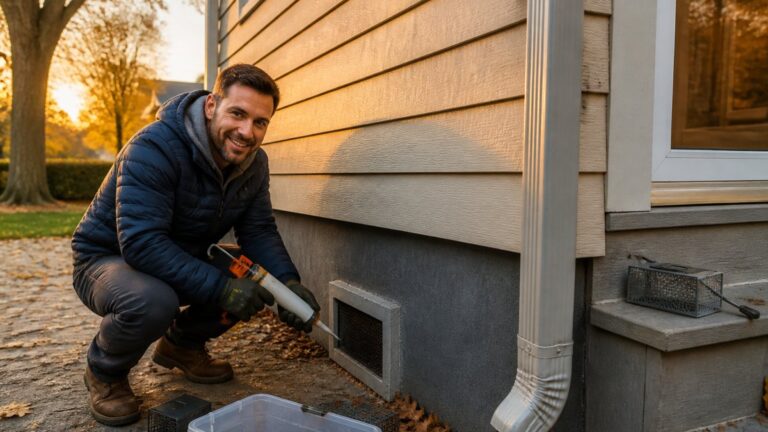
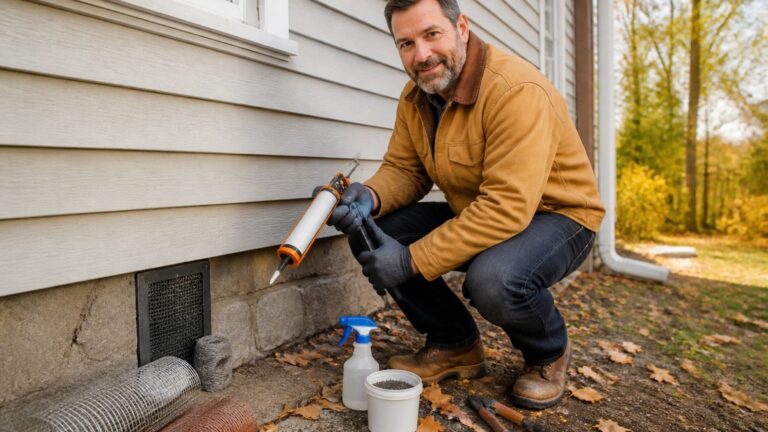
Sealing entry points and exclusion measures
Mice need only a dime-sized hole (Rats and mice). Cockroaches fit through cracks you can barely see. Seal the building to keep them out.
Priority sealing areas:
- Gaps around pipes and utility lines
- Cracks in foundation and exterior walls
- Spaces around door frames and windows
- Holes in soffit and fascia
Use caulk, weatherstripping, and hardware cloth. Steel wool works temporarily but isn’t permanent.
Inspect the exterior in fall before pests become desperate. Small repairs now prevent infestations later.
Sanitation and pest prevention practices
Pests need food, water, and shelter. Remove these and infestations struggle.
In common areas:
- Empty garbage and recycling daily
- Clean up spills immediately
- Store food in sealed containers
- Fix leaky pipes and dripping faucets
Unit-level guidance for residents:
- Seal food in airtight containers
- Clean up crumbs and spills immediately
- Don’t leave pet food out overnight
- Report leaks and moisture issues quickly
- Keep units clutter-free
Share these practices with tenants. Most residents don’t know they’re creating pest problems. Simple education reduces infestations significantly.
Resident Communication and Reporting
Residents are your eyes and ears. Make reporting easy and respond quickly.
Create a simple system for pest reports:
- Email address or phone number residents can use
- Online form on the building website
- Notice in common areas explaining the process
- Commitment to respond within 24 hours
When a resident reports a pest:
- Thank them for reporting
- Inspect the unit within one day
- Explain what you found and what you’ll do
- Follow up after treatment to confirm the problem is solved
- Document everything in your monitoring log
Residents who see quick action trust management. Those who report problems and hear nothing will stop reporting. They’ll just move to another building.
Transparency builds confidence. Let residents know you’re monitoring regularly. Post notices about seasonal pest risks. Share prevention tips.
Measuring Program Success and Adjusting Strategy
Track your program’s performance to see whether your effort is working.
Metrics to monitor:
- Number of pest reports per month
- Response time to resident reports
- Units affected by infestations
- Time from first detection to resolution
- Cost of treatments versus prevention
Review these metrics quarterly. Rising pest reports mean your prevention strategy needs adjustment; stable or declining reports mean it’s working.
Adjust your approach based on data:
- More frequent inspections in high-activity areas
- Additional sealing in problem zones
- Increased resident communication if reports spike
- Professional treatment before problems spread
Your program should improve over time.
Ongoing pest monitoring prevents the costly emergencies that plague apartment complexes each fall and winter.
Frequently Asked Questions
How frequently should pest control be done in an apartment complex?
Ongoing pest monitoring for complexes typically requires monthly inspections during warmer months and intensified bi-weekly or weekly monitoring from fall through winter when pests seek shelter indoors. The exact frequency depends on your building’s history, location, and current pest pressure. Professional pest management services can assess your specific situation and recommend a monitoring schedule tailored to your complex’s needs.
What pests commonly move indoors when the weather gets colder?
Mice, rats, cockroaches, and cluster flies are the most common pests that intrude in buildings during fall and winter. These pests seek warmth and food sources inside structures as outdoor temperatures drop. Early detection through regular monitoring and inspection prevents small infestations from becoming major problems. Professional pest control can identify which species are present and design targeted prevention strategies.
How can property managers monitor for mice in multi-unit buildings?
Set up monitoring traps in common areas, basements, mechanical rooms, and along walls where mice travel. Check traps weekly and document findings in a pest activity log. Look for droppings, gnaw marks, and entry points. Educate residents to report sightings immediately. Professional monitoring protocols combine physical traps with regular inspections to track pest distribution across the complex and catch infestations early before they spread to multiple units.
What should I do if I find signs of pest activity in my building?
Document the findings in your pest activity log with the location, date, and type of evidence found. If activity is isolated or minimal, increase monitoring frequency in that area and reinforce sanitation and exclusion measures. If you find multiple signs, active feeding damage, or evidence of infestation in multiple locations, contact a professional pest management service for assessment and targeted treatment decisions. Early professional intervention prevents operational disruption and property damage.