How to Prevent Mice in Apartments: Fall & Winter
Table of Contents
- Why Mice Enter Apartments When Weather Gets Cold
- Inspect Your Apartment for Entry Points and Signs of Mice
- How to Seal Gaps to Keep Mice Out
- How to Store Food to Prevent Mice
- Best Mouse Traps for Apartments
- Mouse Droppings in Apartment: What to Do
- Communicate with Your Landlord or Property Manager
- When to Call a Professional Pest Control Service
- Frequently Asked Questions
Last Updated: October 18, 2026
Why Mice Enter Apartments When Weather Gets Cold
As temperatures drop in fall and winter, mice seek shelter indoors. Your apartment becomes an attractive refuge because it offers warmth, protection, and easy access to food.
Most apartment infestations begin in late September through November. Mice are driven by survival instinct, not preference. They’ll enter any building that meets their basic needs: shelter, food, and water.
The key to preventing mice in apartments is acting early. Once a few mice establish themselves, they breed rapidly. A single female can produce 5-10 litters per year, each with 5-6 pups.
Inspect Your Apartment for Entry Points and Signs of Mice
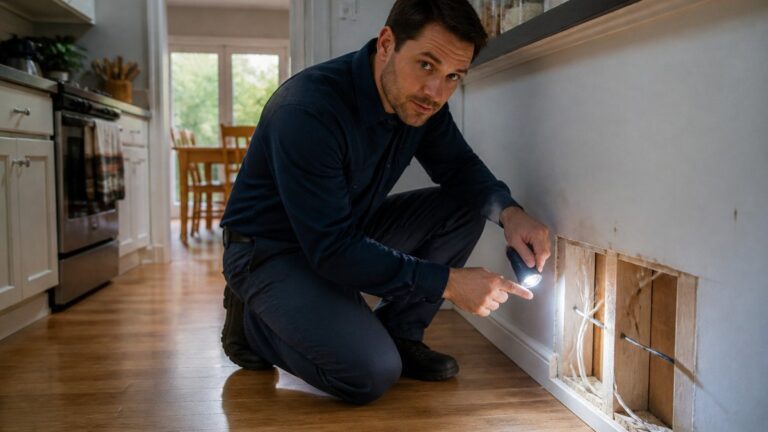
Start your prevention strategy with a thorough inspection. Look for evidence of mice and identify potential entry routes. This inspection takes 30-45 minutes and can save you months of frustration.
Common entry points in apartments
Mice enter through surprisingly small gaps. Check these high-risk areas:
- Gaps around pipes and utilities under sinks, behind toilets, and where water lines enter walls
- Cracks in exterior walls near the foundation or where utilities pass through
- Spaces around door frames and window sills, especially older frames with poor seals
- Vents and exhaust openings for dryers, bathrooms, and kitchen fans
- Gaps between baseboards and floors in older apartments
- Holes in drywall from previous installations or damage
- Openings around cable and electrical lines entering the apartment
Pay special attention to the kitchen and bathroom. These rooms have more utility penetrations than bedrooms. Mice follow plumbing and electrical lines because these pathways lead directly into walls and between units.
What to look for: droppings and damage
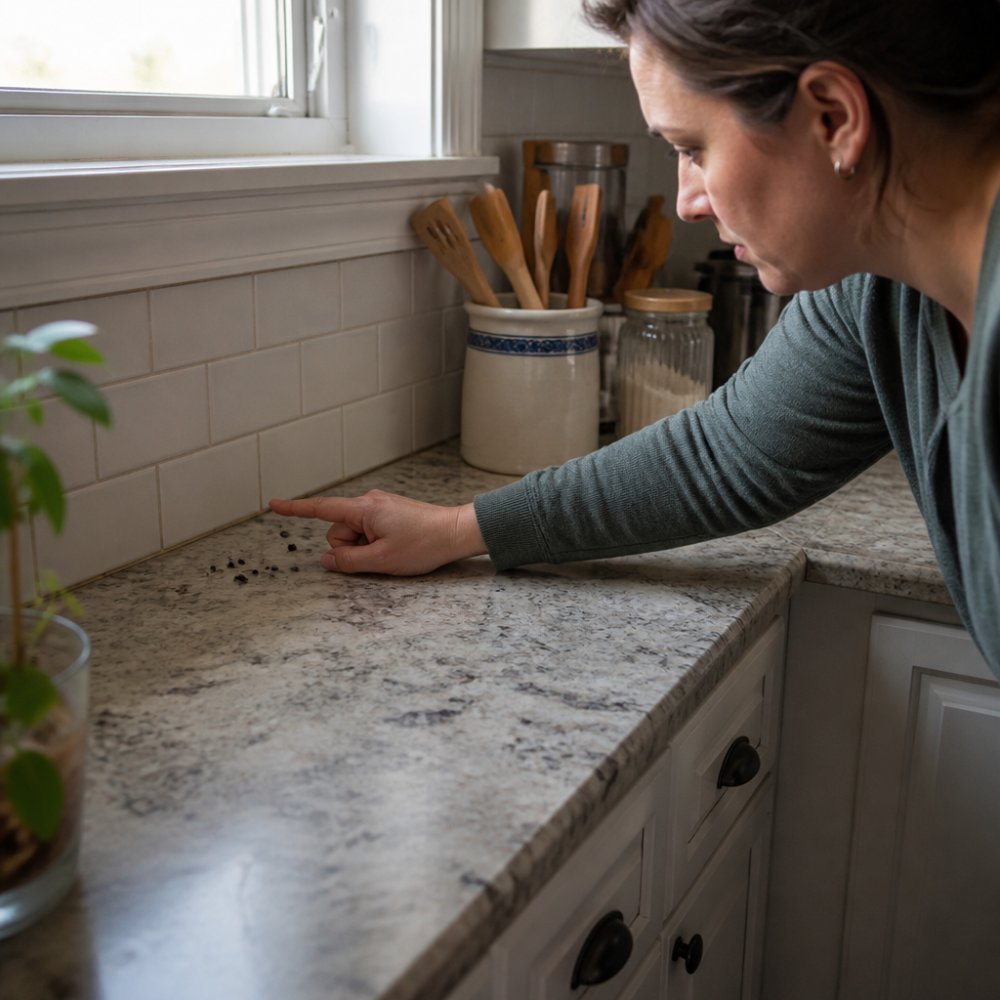
Fresh mouse droppings are dark, pellet-shaped, and about the size of a grain of rice. Old droppings are gray and crumbly. Finding droppings means mice are already present or were recently active.
Other signs of mice include:
- Gnaw marks on food packaging, drywall, or wood
- Rub marks along walls where mice travel (dark smudges from their fur)
- Musty odors in cabinets or corners
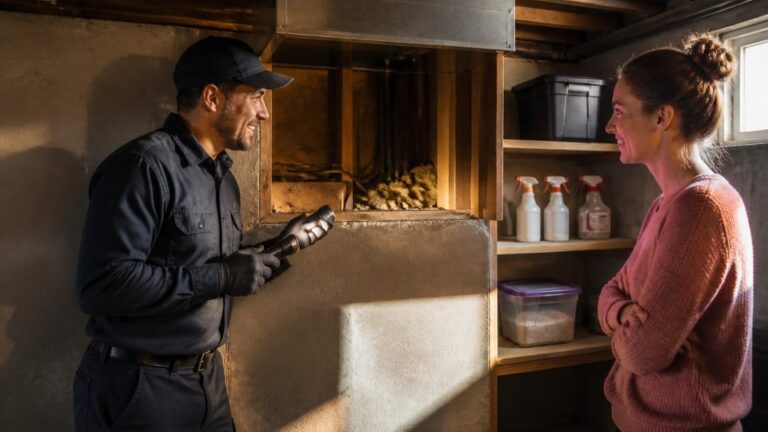
- Chewed insulation in closets or storage areas
- Small holes in walls or baseboards (roughly 0.6 cm diameter)
- Nesting material (shredded paper, fabric) in hidden corners
Document any signs with photos. If you rent, this evidence supports your case when communicating with your landlord or property manager about the problem.
How to Seal Gaps to Keep Mice Out
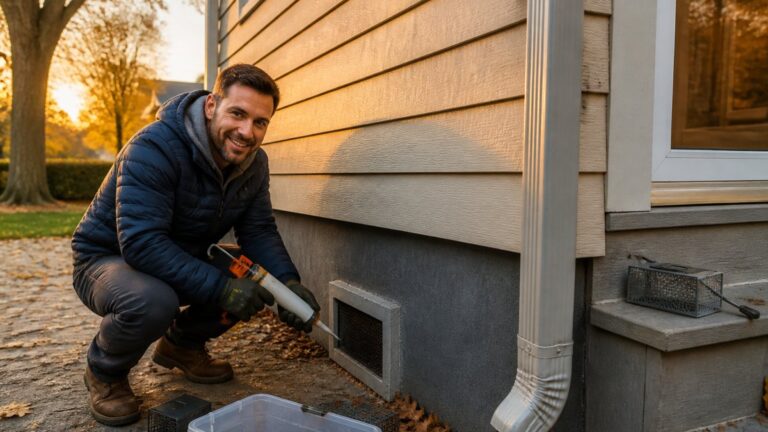
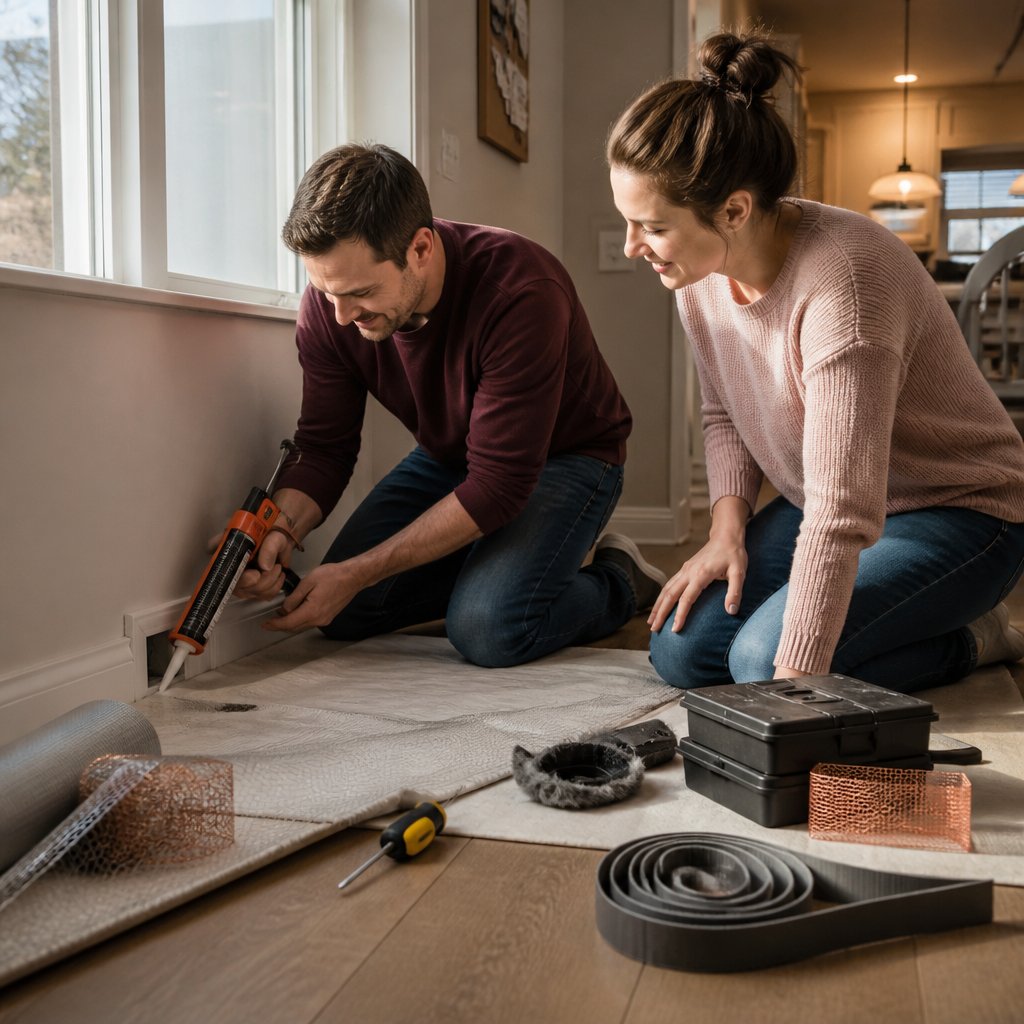
Sealing entry points is the most effective way to prevent mice in apartments. This step alone significantly reduces potential infestations. You don’t need expensive tools or professional contractors for most gaps.
Materials that work: steel wool and expanding foam
Steel wool is one of the best barriers against mice. They cannot chew through it, unlike foam or caulk alone. Steel wool works because mice avoid sharp, uncomfortable sensations.
Expanding foam seals larger gaps and provides insulation. Use it to fill spaces around pipes and utility openings. Foam alone is not enough; mice can chew through it. Combine foam with steel wool for best results.
Other effective materials include:
- Door sweeps and weather stripping for gaps under doors and around frames
- Caulk for small cracks (less than 0.6 cm)
- Hardware cloth or wire mesh for larger vents and openings
- Aluminum foil as a temporary barrier while you arrange permanent fixes
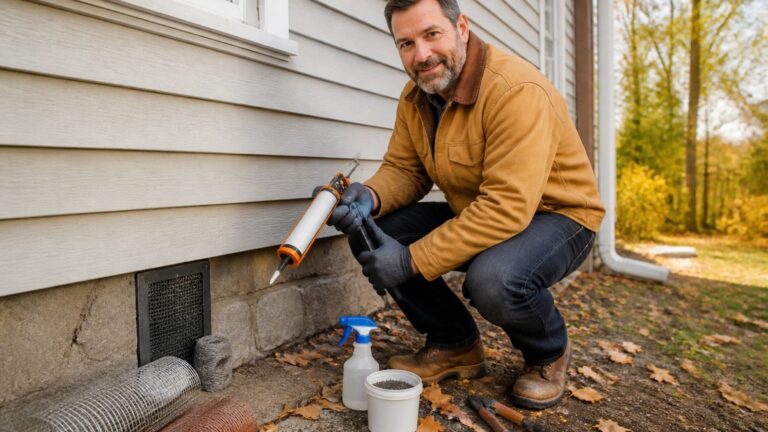
Step-by-step sealing process
Step 1: Gather your materials (5 minutes)
- Steel wool pads
- Expanding foam (low-expansion formula to avoid warping)
- Caulk and caulk gun
- Gloves and safety glasses
- Flashlight for inspecting dark areas
Step 2: Clean the gap (5 minutes per gap)
Remove dust, debris, and old caulk.
Step 3: Pack steel wool into the gap (5 minutes)
Stuff steel wool firmly into the opening.
Step 5: Seal with caulk (5 minutes)
Apply paintable caulk over the foam for a finished appearance.
Step 6: Inspect your work (5 minutes)
Check that no gaps remain. Run your finger along the seal.
Prioritize kitchen and bathroom areas first. These rooms connect to the most utility lines. Then work through bedrooms, closets, and storage areas.
How to Store Food to Prevent Mice
Sealed food storage removes one of the main reasons mice enter apartments. Mice have excellent senses of smell and can detect food through walls. Store food in airtight containers to prevent mice in apartments by eliminating their food sources.
In the kitchen:
- Transfer dry goods (flour, sugar, cereal, pasta) to glass or plastic containers with tight-fitting lids
- Keep pet food in sealed bins, not open bags
- Store nuts, dried fruit, and chocolate in the refrigerator or freezer
- Don’t leave food on counters overnight
- Wash dishes immediately after meals
- Take out garbage daily, especially food waste
In storage areas:
- Avoid cardboard boxes for long-term storage (mice chew through them easily)
- Use plastic bins with locking lids instead
- Store food items off the floor on shelves
- Keep storage areas clean and clutter-free
- Remove old food and expired items regularly
In your pantry:
- Install wire shelving instead of wood shelves (easier to clean and inspect)
- Leave space between shelves and walls for visibility
- Check stored items weekly for signs of damage
- Discard any packages with holes or gnaw marks
Mice need very little food to survive. A few crumbs or a small amount of pet food provides enough sustenance. Even “clean” apartments can attract mice if food access exists. Proper storage is as important as sealing entry points.
Best Mouse Traps for Apartments
If mice have already entered your apartment, traps provide immediate control. Different trap types suit different situations. Choose based on your comfort level and apartment layout.
Types of traps and placement strategy
Snap traps are traditional, fast-acting, and inexpensive. They kill mice instantly with a spring-loaded bar.
Live traps capture mice without killing them. These work well if you prefer humane options.
Visit Pest Pro Exterminator For Pest Control Services In Calgary And Surrounding Areas →
Electronic traps use a high-voltage shock to kill mice instantly. They’re more expensive than snap traps but easier to set and dispose of.
Glue traps are controversial and considered inhumane. Mice struggle for hours before dying. Avoid these options.
Placement strategy:
- Place traps along walls in kitchens, bathrooms, and bedrooms
- Set traps near entry points and suspected travel routes
- Space traps 0.6 to 0.9 meters apart in areas with high activity
- Check traps daily
- Dispose of dead mice in sealed bags in the trash
- Wear gloves when handling traps and mice
Use multiple traps. A single trap won’t stop an infestation. Combine traps with sealing entry points for best results.
Mouse Droppings in Apartment: What to Do
Finding mouse droppings requires careful cleanup to avoid health risks. Mice droppings can carry hantavirus and other pathogens. Proper handling protects you and your family.
Safety steps for cleanup:
- Ventilate the area by opening windows and doors for at least 30 minutes
- Wear gloves and a mask rated N95 or higher
- Spray droppings lightly with disinfectant (bleach solution: 1 part bleach to 10 parts water)
- Wait 5 minutes for the disinfectant to work
- Wipe up droppings with paper towels and place in a sealed plastic bag
- Spray the area again with disinfectant
- Dispose of the sealed bag in your regular trash
- Remove gloves carefully and wash your hands thoroughly
Never vacuum or sweep droppings. Doing so releases particles into the air, increasing infection risk. Never touch droppings with bare hands.
If droppings cover a large area (more than a few square feet), contact a professional. Large accumulations indicate a serious infestation requiring expert cleanup and treatment.
After cleanup, identify where droppings were found. This reveals mouse travel routes and helps you target sealing efforts and trap placement.
Communicate with Your Landlord or Property Manager
In rental apartments, your landlord or property manager bears responsibility for pest control in shared areas. Understanding tenant rights and responsibilities ensures proper action.
Document the problem:
- Take photos of entry points, droppings, and damage
- Note dates when you first noticed signs of mice
- Record any attempts you’ve made to control the problem
- Keep receipts for any materials you’ve purchased
Send a written request:
- Email or send a formal letter to your landlord
- Clearly describe the mouse problem and location
- Request professional pest control treatment
- Provide a reasonable timeline (typically 7-14 days)
- Keep a copy for your records
What landlords must do:
- Maintain the building structure to prevent pest entry
- Provide professional pest control when infestations occur
- Seal entry points and repair damage
- Address plumbing issues that attract mice (water sources)
Your responsibilities as a tenant:
- Keep your unit clean and free of food debris
- Report problems promptly
- Allow access for pest control treatments
- Seal entry points within your unit (with permission)
- Store food properly
Most landlords respond quickly to pest complaints because infestations spread to other units. Document everything in writing. Verbal requests are easy to forget or deny later.
If your landlord refuses to address the problem, contact your local residential tenancy office. Most jurisdictions require landlords to provide pest-free housing.
When to Call a Professional Pest Control Service
Some situations require professional help. Pest Pro Exterminator handles complex infestations that DIY methods cannot solve. Professional services provide ongoing prevention.
Call a professional if:
- Mice continue appearing after sealing entry points and setting traps
- You’ve found droppings in multiple rooms or areas
- You suspect mice are in walls, attic, or crawl spaces
- You’re uncomfortable handling traps or droppings
- The infestation involves other pests (cockroaches, bedbugs)
- You’ve had mice return after previous treatment
Professional pest control includes:
- Complete inspection to identify all entry points and activity areas
- Customized treatment plans based on your specific situation
- Professional-grade materials and techniques
- Follow-up visits to monitor and prevent recurrence
- Advice on preventing future infestations
Our team at Pest Pro Exterminator brings 18+ years of combined experience to residential and commercial properties. We provide fast, discreet service that respects your privacy while solving the problem completely.
Prevention is always more cost-effective than treating an active infestation. Starting in September gives you time to seal entry points and prepare before mice seek shelter from cold weather.
Frequently Asked Questions
How can I prevent mice from entering my apartment?
Start by sealing entry points with steel wool and expanding foam around pipes, utility openings, and foundation cracks. Store all food in airtight containers, remove clutter that provides hiding spots, and eliminate moisture sources. Inspect your apartment monthly for signs of mice, and notify your landlord of any shared building entry points. Set traps along walls where you’ve seen activity or droppings. These steps significantly reduce the risk of infestation before cold weather arrives.
What should I do if I see mouse droppings in my apartment?
First, do not touch droppings with bare hands. Wear gloves and a mask, then spray the area with a disinfectant and let it sit for 5 minutes before wiping. Seal the droppings in a bag and dispose of them in your regular trash. Clean the area thoroughly with soap and water. Document the location with photos and notify your landlord immediately. Mouse droppings indicate an active or recent infestation, so set traps in that area and inspect nearby walls and pipes for entry points that need sealing.
Can mice enter an apartment through walls or plumbing gaps?
Yes. Mice can squeeze through gaps as small as a dime and commonly enter through plumbing penetrations, utility openings, and cracks in walls or foundations. Shared walls in multi-unit buildings mean mice from one unit can travel to another. This is why sealing gaps with steel wool and expanding foam around pipes is critical, and why communicating with your landlord about building-wide prevention is essential. If mice are entering from shared spaces, your landlord may need to address the problem at the building level.
How should I store food to help keep mice away?
Transfer all dry goods, grains, cereals, and pet food into airtight, sealed containers that mice cannot chew through. Store these containers in cabinets or pantries, not on open shelves. Clean up food crumbs immediately, do not leave dirty dishes in the sink overnight, and store garbage in sealed bins with tight-fitting lids. Remove pet food bowls after feeding time. These practices eliminate food sources that attract mice and reduce the likelihood of an infestation.
Preventing mice in apartments protects your health, property, and peace of mind. Start with inspection and sealing; these steps stop most infestations before they begin. If problems persist despite your efforts, Pest Pro Exterminator offers professional solutions tailored to apartment living. Contact us for a free consultation to assess your apartment’s vulnerability and develop a prevention strategy before fall and winter arrive.