Abell Pest Control Alternatives: 2026 Guide
Table of Contents
- Why Homeowners Look Beyond Abell for Pest Control
- What to Look for When Choosing Pest Control Alternatives
- 1. Licensing, insurance, and technician credentials
- 2. Inspection depth and documentation
- 3. Treatment method and safety profile
- 4. Guarantee and follow-up terms
- 5. Response time and seasonal capacity
- 6. Contract structure and cancellation terms
- 7. Local pest pattern knowledge
- Questions to Ask an Exterminator Before You Commit
- Pest Inspection: The Foundation of Effective Treatment
- Fall Pest Prevention Strategies for Rodents and Insects
- Understanding Pest Control Reviews and Service Reputation
- Residential vs. Commercial Pest Management Services
- Making Your Final Decision: Key Comparison Factors
- Frequently Asked Questions
Last Updated: October 17, 2026
Why Homeowners Look Beyond Abell for Pest Control
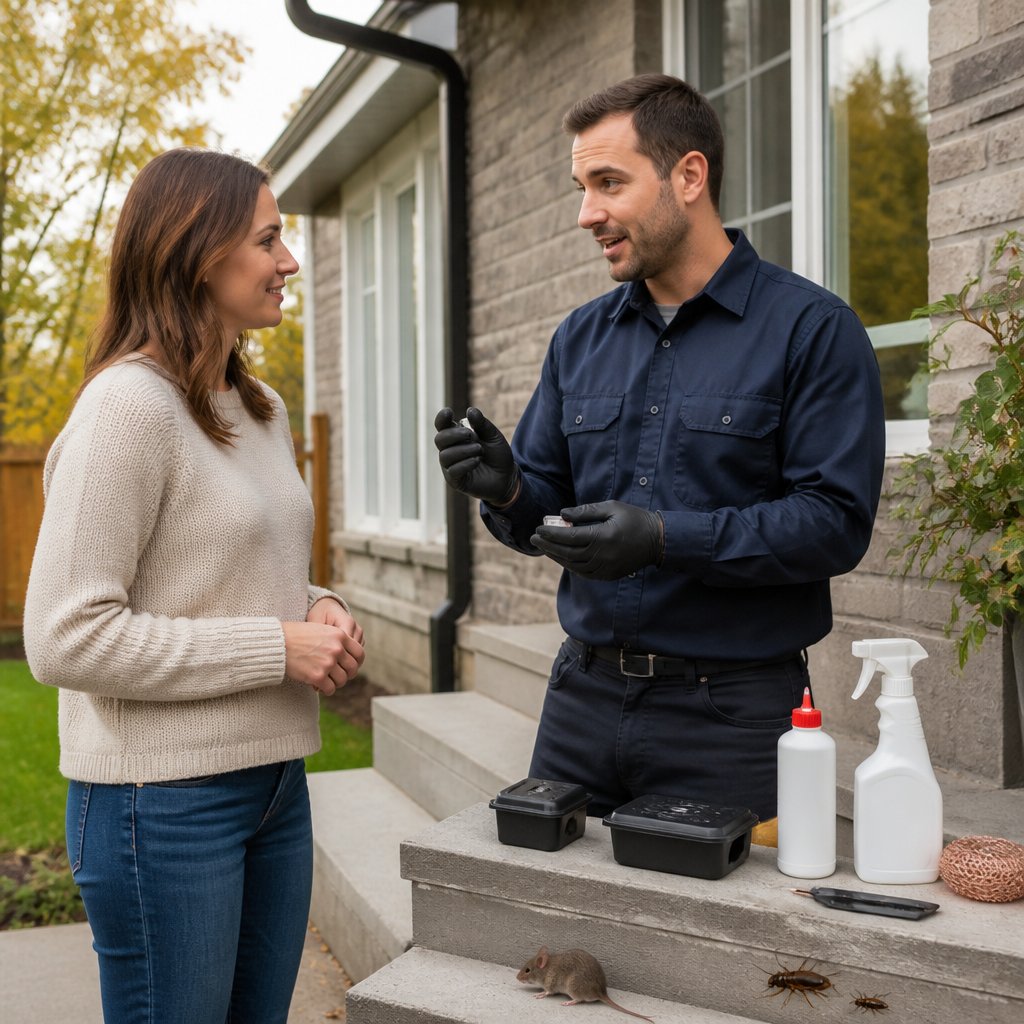
When temperatures drop, mice, insects, and nuisance wildlife move into homes, attics, and crawl spaces as outdoor food sources disappear. Many homeowners find their initial pest control choice doesn’t deliver results, or want a fresh perspective before committing to long-term service.
At Pest Pro Exterminator, we understand why homeowners explore pest control alternatives.
This guide covers what to look for when evaluating pest control alternatives, the questions to ask, and what separates effective pest management from temporary fixes.
What to Look for When Choosing Pest Control Alternatives
Generic advice about “customized plans” and “experienced technicians” is useless when comparing providers. What separates a provider that solves a fall rodent problem from one that schedules return visits every three weeks is a set of concrete, checkable criteria.
1. Licensing, insurance, and technician credentials
In most provinces, applicators must hold a valid pesticide applicator license and the company must carry liability insurance. Ask for the license number, whether technicians are employees or subcontractors, and what continuing education is required. Vague answers are a risk, not an alternative.
2. Inspection depth and documentation
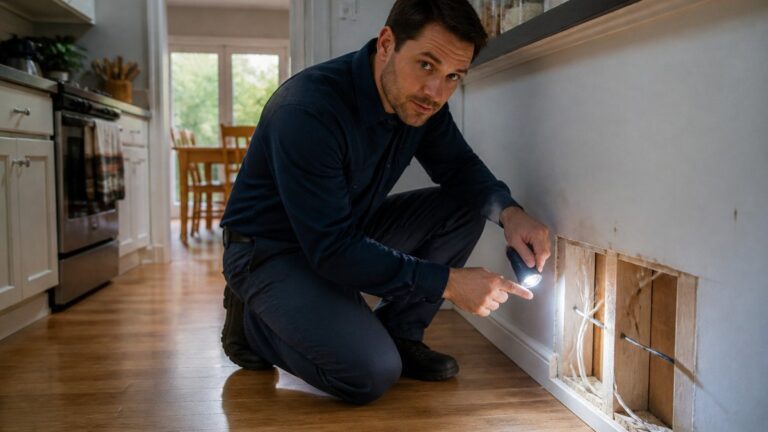
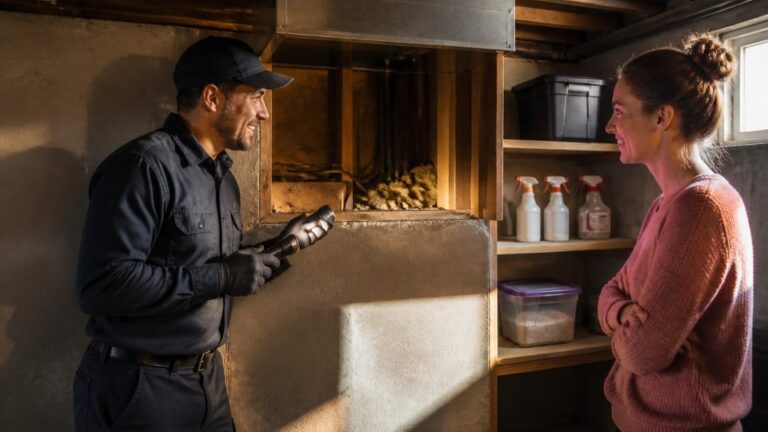
A real inspection produces a written report listing pest species or evidence, entry points, conducive conditions, and a recommended treatment and exclusion plan. Ask to see a sample report before booking; if none exists, assume a walkthrough. For fall and winter, it should address attic, crawl space, basement, and utility penetration points, the routes mice and nuisance insects use.
3. Treatment method and safety profile
Ask what methods they propose and why. Integrated pest management (IPM) prioritizes exclusion, sanitation, and monitoring before chemical treatment. Ask how they protect children, pets, and wildlife, and what re-entry intervals apply. A provider who can’t explain a rodenticide block versus a snap trap can’t customize a plan.
4. Guarantee and follow-up terms
This is where alternatives differ most. Ask: If pests return within the guarantee window, is the follow-up visit free, discounted, or full price? How long is the window? Does it cover new entry points or only the original infestation? Get it in writing. A strong guarantee signals confidence; a vague one is a warning.
5. Response time and seasonal capacity
Fall and early winter are peak demand periods. Ask what the typical response time is in October and November specifically, not year-round, and whether emergency calls get dedicated staff. A provider that answers the phone 24/7 but schedules inspections two weeks out isn’t responsive when mice are in the attic.
6. Contract structure and cancellation terms
Ask whether service is one-time, quarterly, or monthly, and what happens if you cancel mid-term. Some providers lock you into annual agreements with auto-renewal; others bill per service. Neither is inherently wrong, but know before you sign.
7. Local pest pattern knowledge
Pest pressure varies by region and housing stock. A provider working in older urban homes with stone foundations approaches exclusion differently than one working in new suburban builds. Ask what fall and winter pests they see most in your area and how treatment differs by housing type.
Score each alternative from 1 to 5 on these seven criteria before you call. The provider with the highest total is rarely the cheapest, and that is usually the point.
Questions to Ask an Exterminator Before You Commit
Before you book service or sign a contract, ask these questions.
“What does your inspection process include, and can I see a sample report?” Listen for specifics: entry points, conducive conditions, pest activity signs, and interior and exterior areas.
“What happens if the problem returns after treatment, and is the follow-up visit free?” This reveals their guarantee terms.
“What is your typical response time in October and November?” Seasonal capacity is the real test. A year-round average hides peak-period delays.
“Can you provide references from residential customers with similar fall pest problems?” A reputable provider should have customers willing to vouch for their work.
“What are your contract and cancellation terms?” Ask for the agreement in writing before you sign. Auto-renewal and mid-term cancellation fees are common and easy to miss.
Pest Inspection: The Foundation of Effective Treatment
A pest inspection is not a quick walkthrough. It’s a systematic assessment that determines everything about your treatment plan.
A qualified technician examines the interior and exterior for pest activity, entry points, and conditions that support infestations, foundation cracks, gaps around utility penetrations, damaged weather stripping, vents, food storage, moisture, and clutter.
The report should list what pests were found (or evidence of them), where entry points are located, what conditions are conducive to infestation, and recommended treatment and prevention steps. A vague “mice detected, treatment recommended” report doesn’t give you what you need.
Fall Pest Prevention Strategies for Rodents and Insects
Fall is when prevention becomes critical. As temperatures drop, pests seek shelter, food, and warmth.
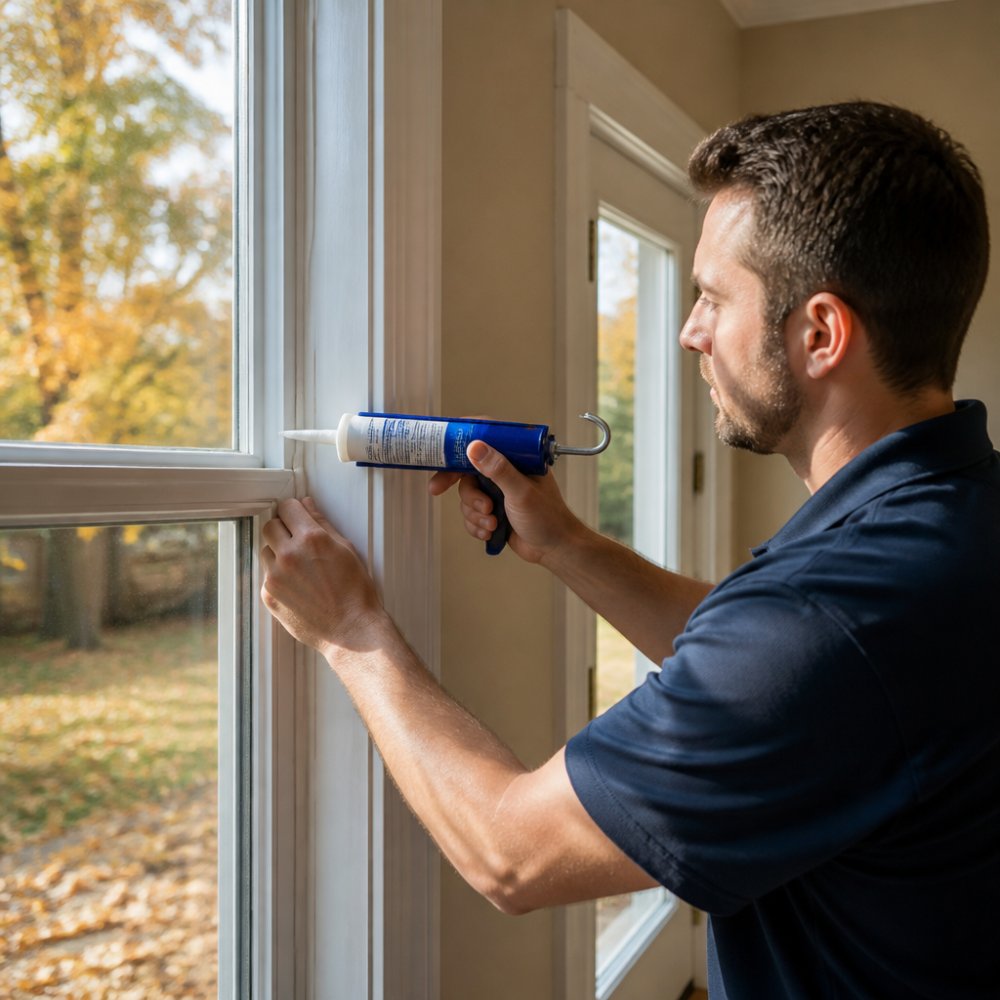
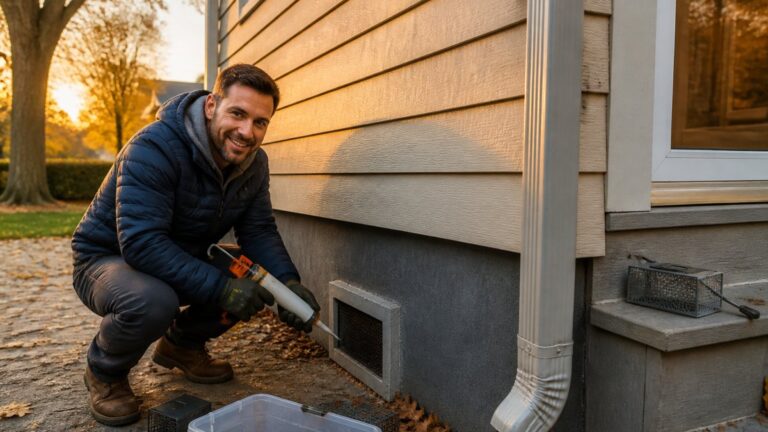
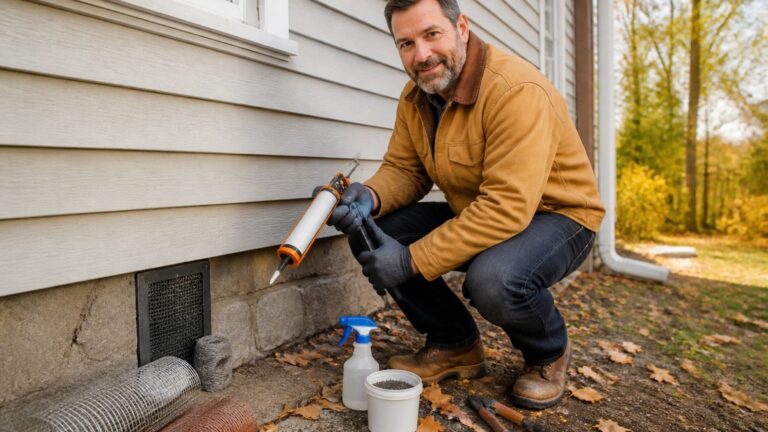
Seal entry points. Mice can squeeze through gaps as small as a dime (Managing rat and mouse pests).
Get A Free Pest Control Quote Today →
Eliminate food sources. Store pantry items in airtight containers, not cardboard rodents can gnaw through.
Reduce moisture. Many pests are attracted to damp areas.
Remove clutter and harborage. Pests hide in clutter. Store items in sealed containers rather than cardboard boxes, keep basement and attic areas organized, and remove unnecessary items.
Trim vegetation away from the house. Tree branches and shrubs touching your roof or siding create highways for pests to reach entry points.
Install door sweeps and seal gaps. Even small gaps under doors allow pest entry.
Understanding Pest Control Reviews and Service Reputation
Online reviews reveal what a pest control provider actually delivers, but not all reviews carry equal weight.
Look for detailed reviews describing specific problems and outcomes. “They found entry points I missed, sealed them properly, and provided a detailed prevention plan” is more useful than “great service.” Check multiple platforms, Google, Facebook, industry directories.
Watch for patterns. If multiple customers mention fast response times, that’s a real strength. If several mention pests returning shortly after treatment, that’s a warning sign. Detailed negative reviews often explain specific failures worth heeding.
Residential vs. Commercial Pest Management Services
Most readers comparing pest control alternatives are protecting a home, not a restaurant or warehouse. But the residential/commercial distinction matters: some providers are a poor fit for a house even if excellent for a business, and vice versa.
What residential pest management actually involves
Residential work is built around the household: children, pets, guests, and daily rhythms. The treatment plan must account for where people sleep, eat, and play:
- Lower-volume, targeted applications. A kitchen ant problem is usually addressed with gel bait and crack-and-crevice treatment rather than broad spraying, which creates safety and re-entry concerns in food areas.
- Exclusion as the primary tool. Sealing entry points, foundation cracks, utility penetrations, door sweeps, attic vents, is the durable fix for fall mice and nuisance insects. Chemical treatment supports exclusion; it does not replace it.
- Pet and child safety planning. Providers should specify re-entry intervals, out-of-reach bait stations, and whether rodenticide is used indoors. Many residential providers now avoid indoor rodenticide entirely, relying on traps and exclusion.
- Seasonal service frequency. Residential plans are typically quarterly or on-demand, with heavier focus on the fall transition.
What commercial pest management adds
Commercial work, restaurants, hotels, warehouses, office buildings, grocery, carries regulatory requirements, reputation risk, and continuous pest pressure. Commercial providers must understand health-code documentation, maintain service logs, work discreetly around customers, and often monitor more frequently. A residential-focused company may lack the documentation systems or after-hours capacity a commercial client needs.
The practical filter for homeowners
If you’re comparing alternatives for a house, ask one direct question: What share of your work is residential? A provider who mostly does commercial accounts may still serve homes, but their scheduling and treatment protocols are built for business clients. A residential-focused provider will typically be more flexible on scheduling, more familiar with fall household pests, and more practiced at exclusion work in attics and crawl spaces.
Treatment methods and safety: what to compare across alternatives
This is where provider pages are thinnest and side-by-side comparison pays off most. Compare alternatives on these method-and-safety dimensions:
| Dimension | What to ask | Why it matters for a home |
|---|---|---|
| IPM approach | Do they prioritize exclusion, sanitation, and monitoring before chemical treatment? | Reduces chemical exposure and addresses the cause, not just the symptom |
| Indoor rodenticide | Do they use it indoors, and under what conditions? | Many households prefer traps and exclusion indoors, especially with pets and children |
| Re-entry interval | How long after treatment before people and pets can return to treated areas? | Directly affects daily life during treatment |
| Bait station placement | Where are stations placed, and are they locked and out of reach? | Prevents accidental exposure |
| Wildlife handling | How do they handle squirrels, raccoons, or birds in attics? | Wildlife requires different methods and often different permits than rodent work |
| Documentation | Do you receive a written report and a prevention plan? | Lets you verify what was done and repeat prevention steps yourself |
If a provider cannot explain their re-entry interval and bait-station placement in plain language, treat that as a safety gap, not a communication quirk. You are entitled to a clear answer before treatment begins.
Prevention: the part most alternatives under-deliver
The strongest residential providers treat prevention as part of the service, not an upsell. Ask whether the plan includes a fall exclusion walkthrough, sealing entry points before mice and insects move in, and a written prevention checklist you can repeat each season. A provider who only treats active infestations will see you again next fall; one who seals the routes in will not.
Making Your Final Decision: Key Comparison Factors
When you’ve narrowed your options, use these factors to make your final choice.
| Factor | What to Evaluate | Why It Matters |
|---|---|---|
| Inspection Process | Detailed, systematic, documented | Determines accuracy of treatment plan |
| Treatment Methods | Customized to your pest and situation | One-size-fits-all approaches fail |
| Prevention Focus | Exclusion and sanitation included | Prevents reinfestation and long-term costs |
| Guarantees | Follow-up service if problem returns | Shows provider confidence in their work |
| Response Time | How quickly they can visit | Critical during active infestation periods |
| Communication | Clear explanations and documentation | You understand what’s happening and why |
| Local Experience | Familiarity with regional pest patterns | Matters for seasonal and climate-specific issues |
Experience matters in pest management. A provider with years in the industry understands pest behavior, knows what works in your climate, and can adapt to variations. At Pest Pro Exterminator, our 18+ years of combined industry experience means we’ve handled a wide range of fall and winter pest problems.
Choosing a pest control provider affects your home’s comfort and safety through the critical fall and winter months. The right choice delivers fast, effective treatment and prevents future infestations; the wrong one leaves you dealing with the same problem repeatedly.
Focus on providers who prioritize thorough inspection, customized treatment, and prevention. Ask detailed questions before committing. Check references and reviews. And choose someone with proven experience handling the specific pests affecting your property.
Frequently Asked Questions
What questions should I ask an exterminator before hiring them?
Ask about their experience with your specific pest problem, what the pest inspection process includes, whether they offer a guarantee, what treatment methods they use, how long results take, and their availability for follow-up visits. Request references from other residential or commercial clients. Understanding their approach to pest control and whether they customize plans for your situation helps you make an informed choice among pest control alternatives.
What should a pest inspection include?
A thorough pest inspection should identify entry points, assess pest activity levels, check for signs of infestation (droppings, damage, nesting areas), examine both interior and exterior areas, and evaluate conditions that attract pests. The inspector should provide a detailed report with findings and recommend treatment options. This foundation determines the effectiveness of your pest management plan and helps prevent future problems.
How do I prepare my home for fall and winter pests?
Seal cracks and gaps around windows, doors, and foundations. Remove food sources and store pantry items in airtight containers. Eliminate standing water and fix leaky pipes. Trim vegetation away from your home’s exterior. Store firewood away from the house. Declutter storage areas where pests hide. These fall pest prevention steps reduce the likelihood of rodents and insects entering your home as temperatures drop.
How can I tell if a pest control company has good reviews and reputation?
Check online reviews on Google, industry directories, and local business sites. Look for patterns in feedback about response time, effectiveness, professionalism, and follow-up service. Ask the provider for references from recent clients in your area. Pest control reviews from commercial properties (restaurants, hotels, apartment buildings) often reveal how well a company handles discreet, reliable service. Verify they’re licensed and insured before making your final decision.