Commercial Pest Control Compliance and Safety Standards
Table of Contents
- Why Commercial Pest Control Compliance Matters for Your Business
- Building an Integrated Pest Management (IPM) Program
- Essential Commercial Pest Control Documentation
- Pest Control Safety Procedures for Employees
- Using a Pest Activity Log Template to Track Problems
- Fall Pest Prevention for Businesses
- Working With a Professional Pest Control Provider
- Frequently Asked Questions
Last Updated: October 19, 2026
Why Commercial Pest Control Compliance Matters for Your Business
Cold weather drives mice, rats, and nuisance insects indoors, and for a business, that migration turns a seasonal annoyance into a compliance problem.
The stakes are higher than most owners expect. A single failed health inspection can trigger orders, fines, or temporary closure.
Below, we break down what regulators expect, how to build a program that holds up under scrutiny, and how to get ready before the cold sets in.
The Real Risks of an Infestation
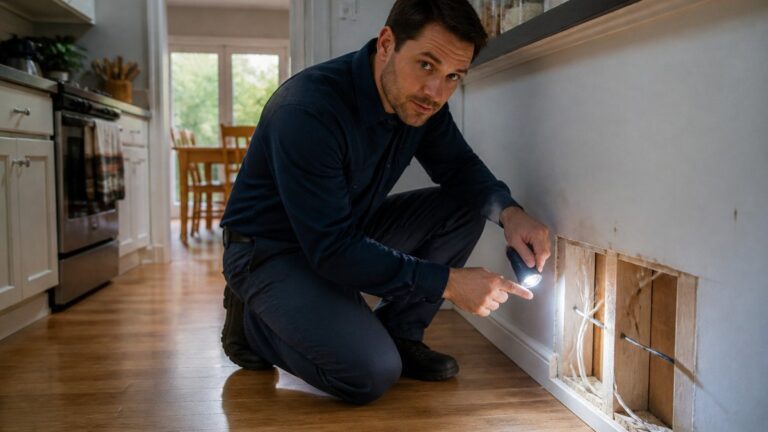
Pests damage more than stock. Rodents chew wiring, which raises fire risk. Cockroaches and flies spread bacteria across food contact surfaces. Droppings contaminate storage areas.
The business risks stack up fast:
- Failed inspections and enforcement orders
- Fines and forced remediation costs
- Lost customers after a public sighting
- Higher insurance premiums after claims
- Staff illness from contaminated surfaces
Reputation damage is the hardest to undo. One social media post about a mouse in a kitchen can undo years of goodwill.
Who Enforces Pest Control Standards
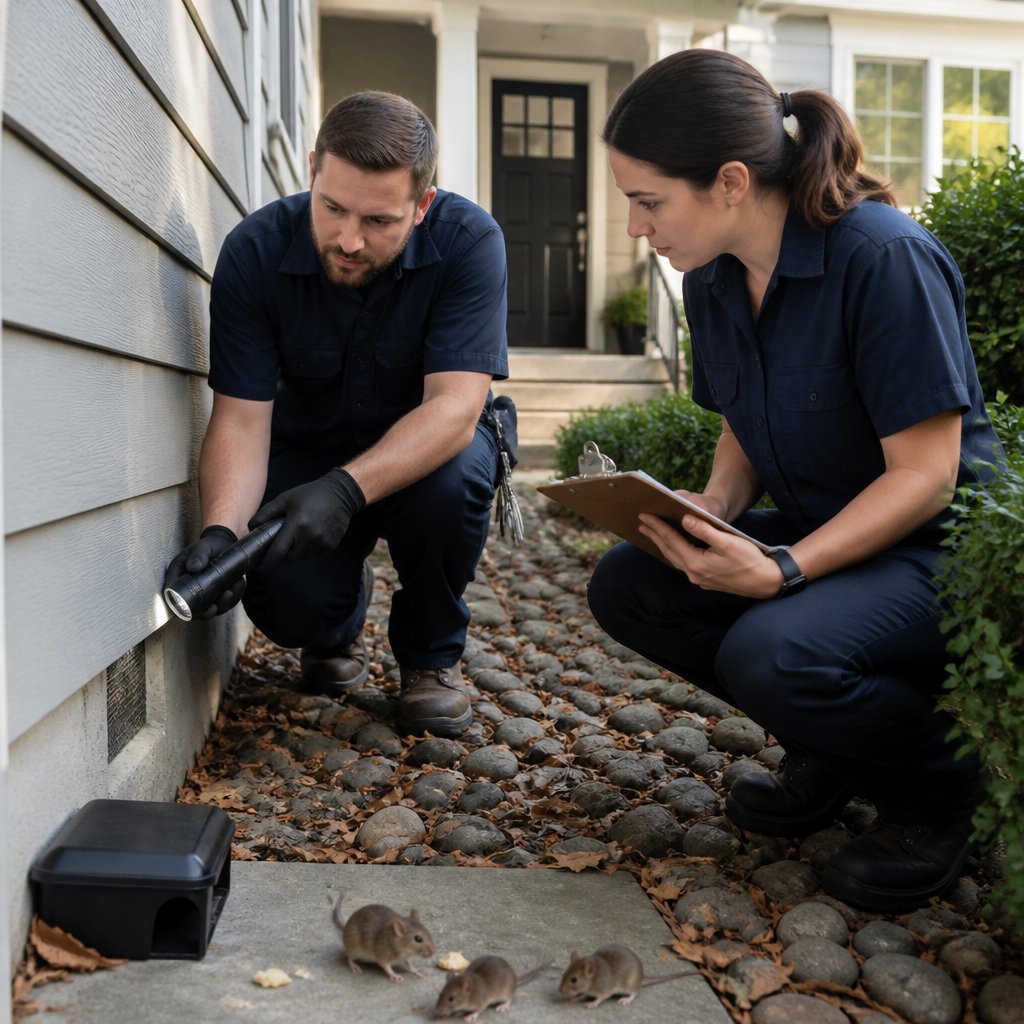
Public health inspectors and environmental health officers enforce pest control standards. They work through local health authorities and inspect food premises, warehouses, and rental properties.
A few things they check:
- Signs of pest activity near food and waste areas
- Gaps and entry points in the building envelope
- Sanitation and waste management practices
- Pest control service records and documentation
Inspectors do not just look for pests. They look for evidence that you have a system in place. Missing records count against you even when no pests are found.
Building an Integrated Pest Management (IPM) Program
An integrated pest management program is a documented, prevention-first approach to controlling pests. It combines inspection, sanitation, exclusion, and targeted treatment instead of relying on chemical spraying alone.
IPM matters for compliance because regulators and auditors increasingly expect prevention over reaction. A spray-only approach leaves no paper trail and no proof of root-cause fixes.
The Three Core Rules of IPM
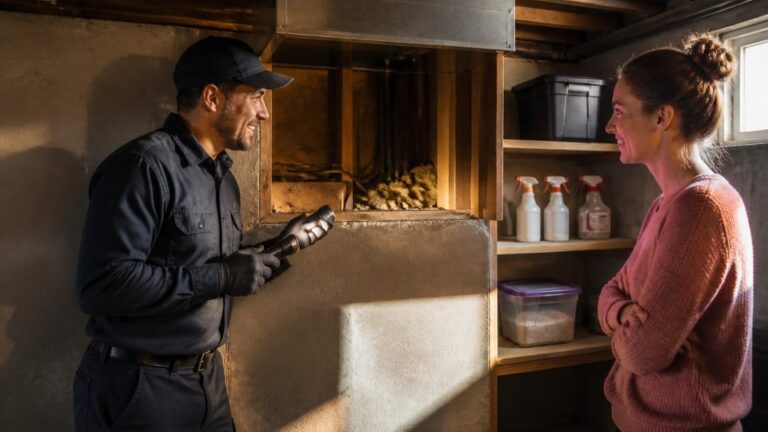
- Inspect before you treat. Identify the pest, the entry point, and the conditions attracting it. Treatment without diagnosis wastes money and fails inspections.
- Remove the cause, not just the pest. Seal gaps, fix leaks, and tighten waste handling. Pests return when the conditions that invited them stay the same.
- Document everything. Every inspection, finding, and corrective action belongs in writing. Records turn a good program into a provable one.
Most pest problems in commercial kitchens often trace back to one thing: a gap under a door or around a pipe that nobody sealed. Fixing the building envelope first can make treatment far more effective.
Essential Commercial Pest Control Documentation
Commercial pest control documentation is the paper trail that proves your program works. Inspectors, auditors, and insurers all ask for the same thing: evidence. A generic list of records is not enough. What separates a passing audit from a failed one is whether those records are complete, current, and easy to retrieve.
Records Every Program Should Keep
- Current pest control service agreements and licenses
- Site plans marking monitoring stations and bait points
- Inspection reports with dates and findings
- Treatment records listing products used and areas treated
- Corrective action logs showing how issues were resolved
Keep records on site and organized. A binder that takes ten minutes to find is a binder that fails an inspection.
Audit-Ready Documentation: What Inspectors Actually Request
A common pattern is that inspectors arrive unannounced and ask for three things first: the current service agreement, the most recent inspection report, and the corrective action log. If any of those is missing or outdated, the visit starts on the back foot even when no pests are present.
Build your documentation set around these six audit-ready examples:
- Pest activity log, a dated record of sightings, evidence, location, and action taken. Include a column for follow-up verification.
- Site map with monitoring stations, a floor plan marking every trap, bait station, and monitoring point, with station numbers that match your service reports.
- Service reports, the technician’s written record of each visit: areas inspected, findings, treatments applied, products used, and recommendations.
- Corrective action record, for each finding, note the issue, the root cause, the fix, the responsible person, and the date closed. An open corrective action with no closure date is a red flag.
- Training log, names, dates, and topics covered for staff pest-awareness and safety training.
- Sanitation and waste schedule, cleaning frequencies, waste pickup dates, and bin-cleaning records.
A Step-by-Step Compliance Workflow
Documentation is not a binder you fill in at the end. It follows the same sequence as your pest management program:
- Risk assessment, walk the site, identify entry points, attractants, and high-risk areas, and record the findings.
- Prevention, seal gaps, fix leaks, and adjust waste handling; log each fix with a date and photo where possible.
- Monitoring, check stations on a set schedule and record activity at each station number.
- Treatment, record the product, application method, area treated, and any re-entry restrictions.
- Verification, confirm the issue is resolved and close the corrective action with a date.
- Recordkeeping, file everything in one place and review weekly.
The most common documentation mistake is treating records as paperwork to catch up on later. Inspectors can request records on the spot, and gaps read as negligence even when your actual pest control is solid. Maintaining a rigorous schedule for property maintenance documentation ensures that your facility remains audit-ready at all times while demonstrating a proactive commitment to operational standards.
Audit-ready documentation is not about volume. It is about a complete, dated chain from finding to fix, with station numbers and corrective actions that match your site map and service reports.
Pest Control Safety Procedures for Employees
Pest control safety procedures protect staff from pesticides and from pests themselves. Every employee should know the basics, even if they never touch a trap. But safety is not only about avoiding direct contact. It is about reading labels, respecting re-entry times, protecting food, and knowing what to do when something goes wrong.
Core Safety Rules for All Staff
- Never handle pesticides unless trained and authorized
- Keep bait stations locked and out of reach
- Wash hands after handling waste or dead pests
- Report sightings and droppings immediately
- Respect re-entry times after professional treatments
Pesticide Labels and Re-Entry Controls
Every pesticide product carries a label that is a legal document. The label states the approved use sites, application method, required protective equipment, and re-entry interval. Staff should never assume a treated area is safe to enter until the posted re-entry time has passed.
A practical approach:
Visit Pest Pro Exterminator For Pest Control Services In Calgary And Surrounding Areas →
- Before treatment: confirm which products will be used and where, and note any re-entry restrictions on the service report.
- During treatment: keep unauthorized staff and customers out of treated areas, and protect or remove exposed food, utensils, and packaging.
- After treatment: post re-entry times at each entrance to the treated area, ventilate as directed, and clean food contact surfaces before use.
Before and After Treatment: A Staff Checklist
Before treatment:
- Clear food, utensils, and packaging from treatment areas
- Cover or store open food products
- Confirm staff and customer schedules with the technician
- Secure pets and note any sensitive areas
After treatment:
- Follow all posted re-entry times
- Ventilate treated areas as directed
- Clean food contact surfaces before use
- Log the treatment and any observations
Incident Response: Exposure and Spills
Even with good procedures, incidents happen. Staff should know the basic response steps:
- Skin contact: wash the affected area with soap and water and remove contaminated clothing.
- Eye contact: rinse with clean water for several minutes and seek medical advice.
- Inhalation: move to fresh air and seek medical advice if symptoms persist.
- Spill: keep people away, ventilate the area, and contact the pest control provider or emergency services as appropriate.
Keep the product label and safety data sheet available so responders know what was involved.
Staff training is not a formality. Employees who know what to report, how to respect re-entry times, and what to do after an exposure prevent both pest spread and chemical incidents.
Using a Pest Activity Log Template to Track Problems
A pest activity log template is a simple form that records what was seen, where, and when. It turns scattered sightings into a pattern you can act on.
Use a log with these columns:
| Field | What to Record | Why It Matters |
|---|---|---|
| Date and time | When the sighting occurred | Reveals patterns by shift or season |
| Location | Specific area or station | Pinpoints hotspots |
| Pest type | Mouse, cockroach, fly, etc. | Guides treatment choice |
| Evidence | Live pest, droppings, damage | Confirms activity level |
| Action taken | Trap, seal, escalate | Shows corrective action |
| Follow-up | Date checked and result | Proves resolution |
Review the log weekly. Patterns emerge fast, and early action stops small problems from becoming infestations.
Fall Pest Prevention for Businesses
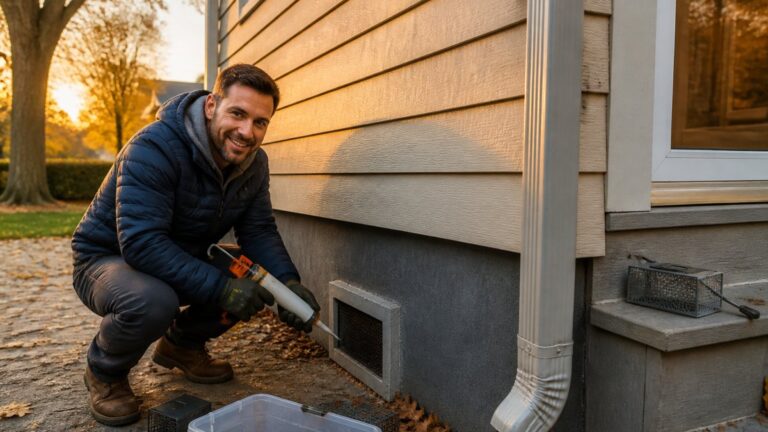
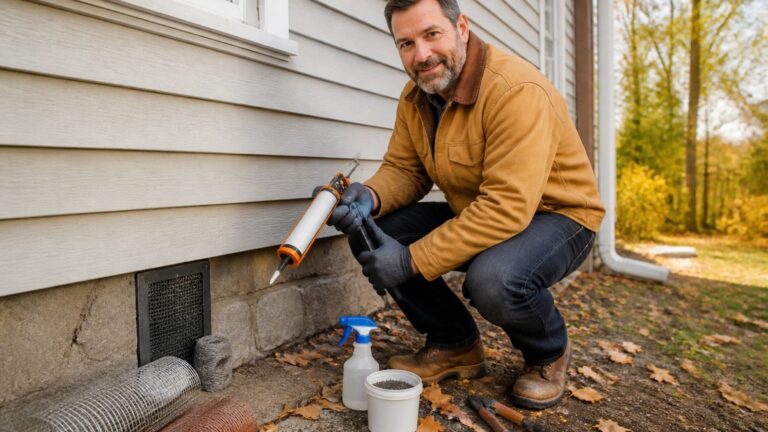
Fall pest prevention means sealing your building before temperatures drop and pests move indoors. Mice, rats, and insects seek warmth, food, and shelter, and your building offers all three.
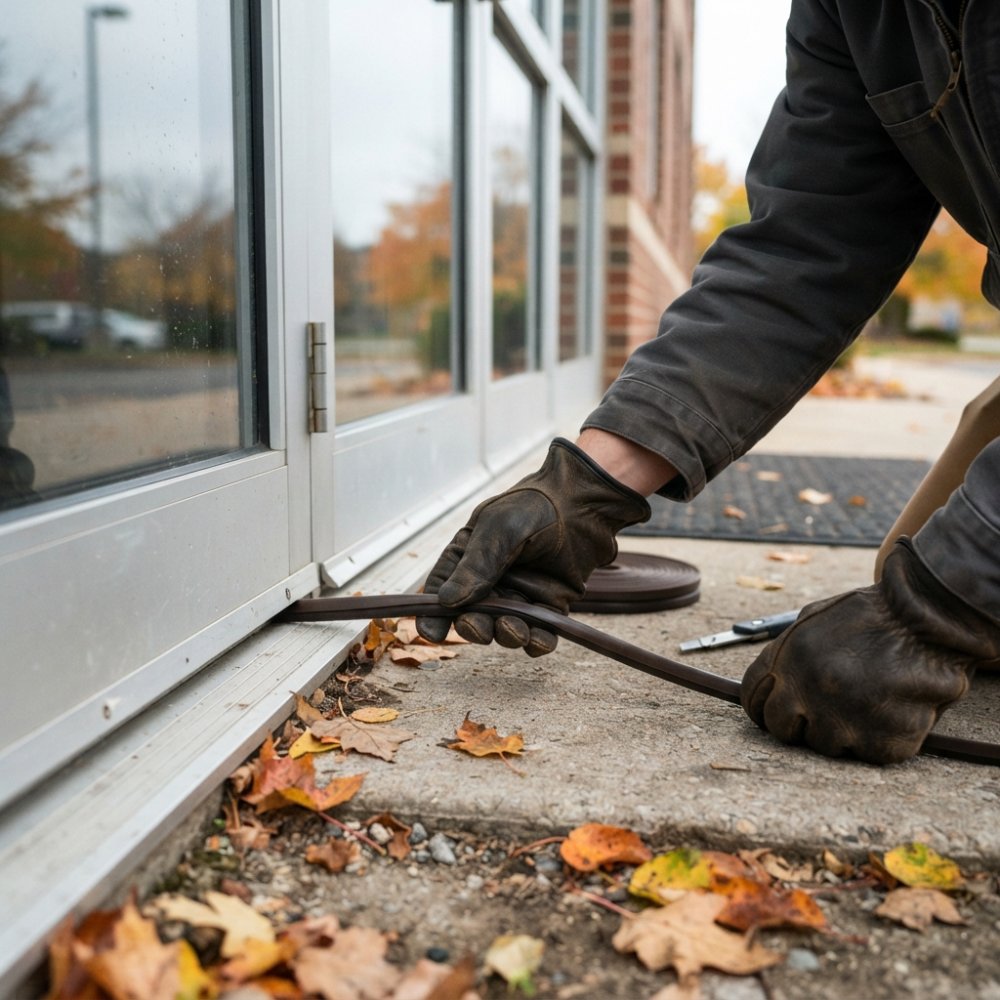
Start with a walkaround inspection. Check the building perimeter, loading docks, and utility entry points.
Sealing Entry Points as Temperatures Drop
- Seal gaps around doors with weatherstripping and door sweeps
- Close openings around pipes, vents, and cables with proper sealant
- Repair damaged screens and foundation cracks
- Keep loading dock doors closed when not in use
- Trim vegetation back from the building exterior
Mice can slip through gaps far smaller than most people expect. If you can fit a pencil under a door, a mouse can likely get through. Check every exterior door, not just the main ones.
Working With a Professional Pest Control Provider
A professional pest control provider brings licensed treatment, monitoring, and documentation that standalone DIY efforts cannot match.
What to look for in a provider:
- Licensing and insurance
- Experience with your type of premises
- Clear reporting and record-keeping
- Discreet service for customer-facing spaces
- Ongoing monitoring, not just one-off visits
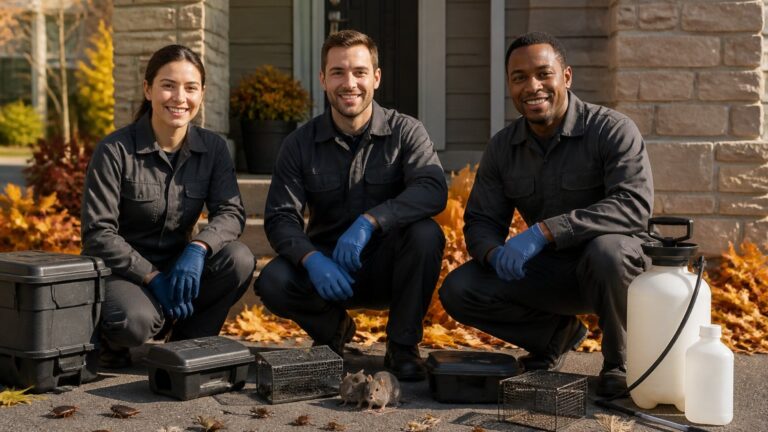
At Pest Pro Exterminator, our team brings over 18 years of combined industry experience to commercial and residential properties.
Ask any provider how they document service and what happens if pests return. The answer tells you whether they treat compliance as a priority.
Frequently Asked Questions
What should be done with pest control documentation?
Keep service records, inspection reports, pest activity logs, and corrective action notes on file and accessible for review. Documentation should show what pest activity was found, what treatment was applied, who performed it, and what follow-up occurred. Store records for at least the period your health authority or auditor requires, and keep them organized by date and location so an environmental health officer can review them without delay during an inspection.
What safety steps should businesses take before and after pest treatment?
Before treatment, clear food and utensils from affected areas, cover exposed surfaces, and confirm which staff and areas must stay out. After treatment, follow the re-entry time on the product label, ventilate the space, and clean food-contact surfaces before use. Staff should be briefed on what was applied and where. Record the treatment, the re-entry time, and who authorized the return to the area in your pest activity log.
How can businesses reduce pest entry as temperatures drop?
Walk the exterior and seal gaps around doors, windows, vents, and utility lines with weatherstripping, door sweeps, and mesh. Repair damaged screens and foundation cracks. Move waste containers away from walls, keep lids closed, and clear leaf litter and debris from entrances. Trim vegetation back from the building. These steps are the foundation of fall pest prevention for businesses and cut off the routes mice and insects use to get inside.
How often should a commercial property be inspected for pests?
Inspection frequency depends on your operation, but most food premises and warehouses should have a scheduled inspection at least monthly, with more frequent checks in high-risk areas like loading docks, waste rooms, and food storage. Staff should report signs of pest activity daily as part of routine cleaning. A professional provider can set a monitoring schedule matched to your building and pest history, and adjust it after any confirmed activity.
Cold weather is coming, and pests are already looking for a way in. Don’t wait for an inspection to expose the gaps. Pest Pro Exterminator offers customized treatment plans, discreet commercial service, and ongoing monitoring that keeps your records and your premises inspection-ready. Book a free quote or consultation and get your building sealed before the season turns.