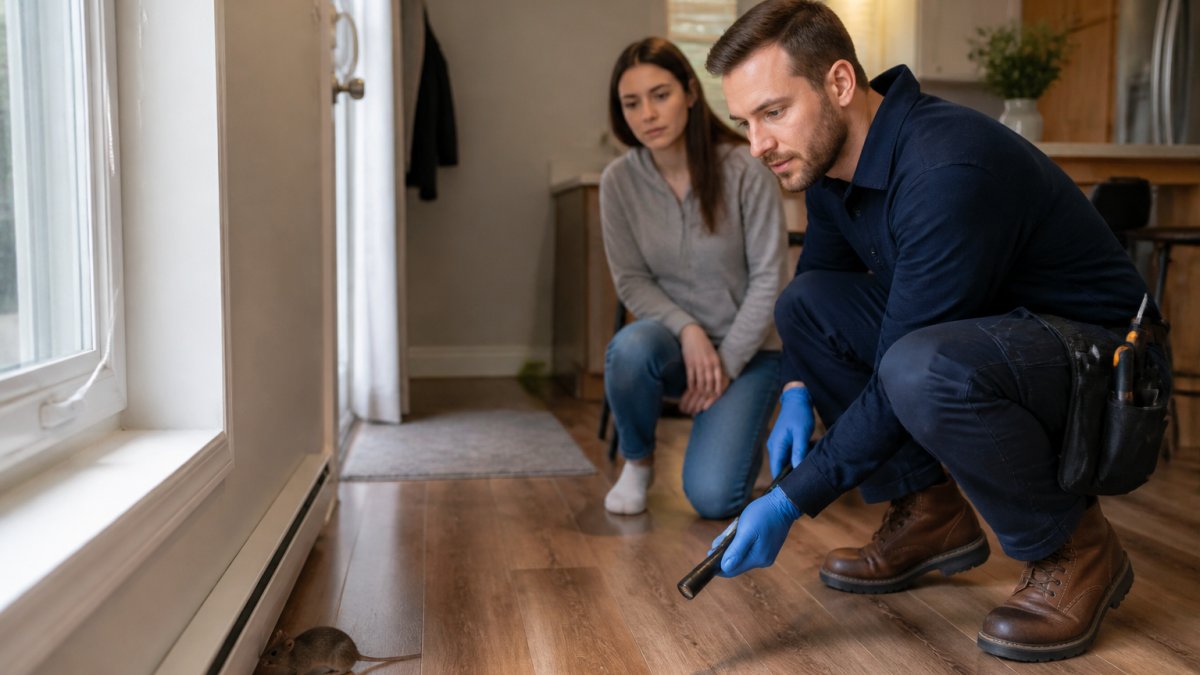
Tenant Rights With Bed Bugs: Legal Guide
Last Updated: October 23, 2026
Quick Summary
Tenant rights bed bugs protect renters by requiring landlords to arrange and pay for professional pest-control treatment within a reasonable timeframe. You must report the infestation in writing, document all evidence, and cooperate with treatment access. If your landlord fails to act, you can file a complaint with your provincial tenancy board to compel treatment and seek compensation.
- Report bed bugs to your landlord in writing with photos, specific locations, and dates to create a legal record.
- Your landlord must contact a licensed pest-control operator within days of notification and pay all treatment costs.
- Document every communication, treatment visit, and post-treatment sighting in a dated folder for tenancy board evidence.
- Retaliation by your landlord for reporting pests is illegal and can result in damages or wrongful eviction claims.
- If your landlord ignores your written demand, file with your provincial tenancy board to order treatment and obtain compensation.
Table of Contents
- Understanding Your Tenant Rights With Bed Bugs
- Landlord Responsibility for Bed Bugs
- How to Report Bed Bugs to a Landlord
- Bed Bug Infestation Documentation for Tenants
- Tenant Bed Bug Treatment Preparation
- What to Do if Your Landlord Doesn’t Act
- Protecting Yourself From Retaliation
- Frequently Asked Questions
Understanding Your Tenant Rights With Bed Bugs
Tenant rights bed bugs are a critical issue in rental housing. When bed bugs infest an apartment, tenants often face confusion about tenant rights bed bugs, who is responsible for treatment, how to report the problem, and what protections exist under law. Understanding your legal position is the first step toward resolving the infestation quickly.
Bed bug infestations are not a sign of poor housekeeping, they spread through travel, shared walls, and visitor contact. Your landlord has a legal duty to maintain habitable premises, and bed bugs directly threaten that standard.
In most provinces, the Residential Tenancies Act or equivalent legislation requires landlords to keep rental units in a state of good repair and fit for habitation. Tenants have the right to safe, pest-free housing. When an infestation occurs, you have legal remedies available, but only if you act correctly and document everything.
Landlord Responsibility for Bed Bugs
Landlords bear the primary responsibility for pest control in rental units. A pest infestation is a maintenance issue, not a tenant failure. Your landlord must arrange and pay for professional pest-control treatment.
The law is clear on this point. Pests are not considered normal wear and tear. They require active intervention to eliminate.
Landlords must also act within a reasonable timeframe. Delaying treatment allows the infestation to spread to adjacent units and makes elimination harder. Courts and tenancy boards expect landlords to contact a licensed pest-control operator within days of being notified, not weeks.
Your landlord’s duty also includes providing access for inspection and treatment. They cannot refuse entry to a pest-control professional or make the process difficult. This is where tenant cooperation becomes important, you must allow reasonable access at reasonable times.
How to Report Bed Bugs to a Landlord
Report pests to your landlord in writing. A phone call alone creates no record.
Your written report should include:
- The date you first noticed pests or evidence
- Specific locations where you’ve seen them (bedroom, living room, furniture)
- Photos or physical evidence (if you’ve captured a specimen)
- A request for immediate professional pest-control treatment
- Your contact information and availability for access
Keep a copy of your report. If your landlord doesn’t respond within 48 hours, send a follow-up. Document every communication, dates, times, who you spoke to, and what was said.
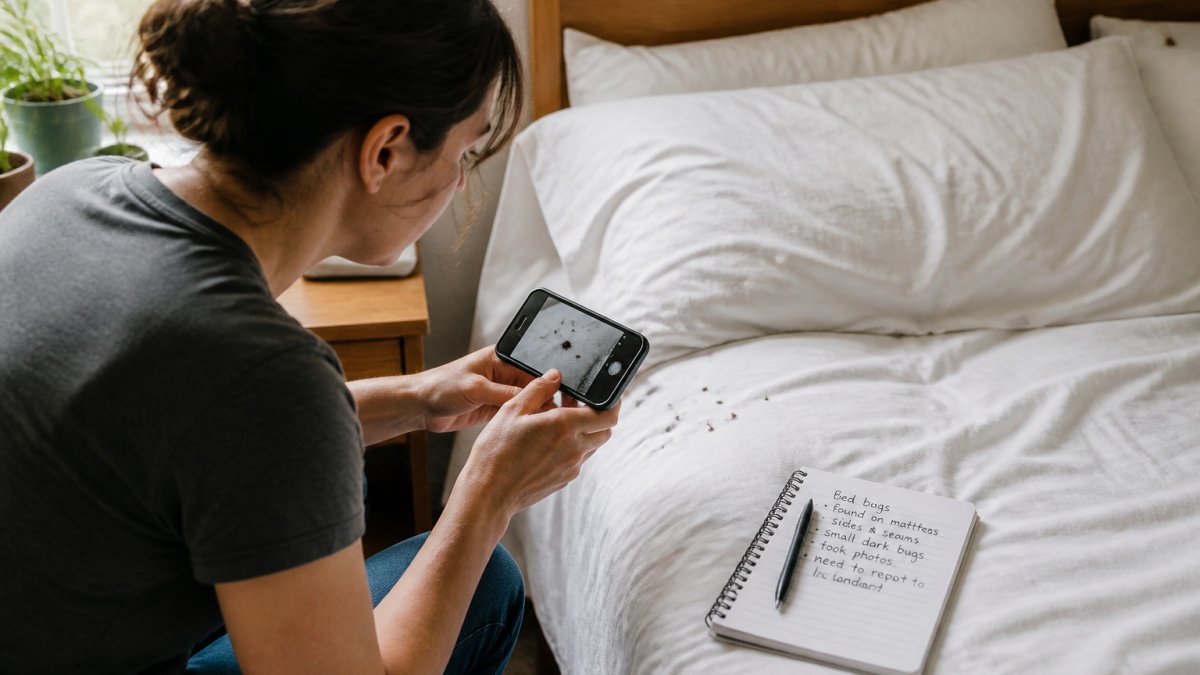
If your landlord resists or delays, escalate in writing. State that the infestation violates the Residential Tenancies Act and that you expect treatment to begin within a specific timeframe, typically 7 to 10 days.
Some tenants worry about retaliation after reporting. This fear is understandable but should not stop you from making the report. Retaliation for asserting your rights is illegal, and we’ll cover your protections below.
Visit Pest Pro Exterminator For Pest Control Services In Calgary And Surrounding Areas →
Bed Bug Infestation Documentation for Tenants
Documentation is your strongest tool. If a dispute arises, whether about who caused the infestation, whether treatment was adequate, or whether you’re entitled to compensation, evidence matters.
Document these details:
- Dates you first noticed pests or evidence
- Photos of evidence (dark spots, droppings, live insects)
- Photos of affected furniture or bedding
- Receipts for any treatment you purchase yourself (even if not reimbursed, it shows your effort)
- Copies of all written reports to your landlord
- Dates and times of pest-control visits
- Names and contact info of the pest-control company
- Any communication from your landlord about treatment
Keep this documentation in a folder, digital or physical. If you need to file a complaint with a tenancy board or pursue compensation, this record will support your case.
A pest-control operator’s report is also valuable. Ask the operator for a copy of their inspection findings and treatment plan. This becomes evidence that the infestation was real and required professional intervention.
Tenant Bed Bug Treatment Preparation
Your landlord arranges and pays for treatment, but the operator’s results depend heavily on how well you prepare. Poor preparation is one of the most common reasons a treatment fails, and a failed treatment is one of the most common reasons a landlord tries to shift blame onto the tenant.
Before treatment day:
- Wash all bedding, clothing, and soft furnishings in the hottest water the fabric allows and dry on high heat for at least 30 minutes (Bedbugs: how do I get rid of them?).
- Vacuum floors, carpets, mattresses, seams, and furniture thoroughly. Seal and discard the vacuum bag immediately afterward.
- Declutter floors, closets, and under-bed areas so the operator can access baseboards and seams.
- Pull furniture away from walls.
- Bag items that cannot be treated (books, electronics, delicates) in sealed bags.
- Remove pets and arrange for occupants to be out of the unit for the period the operator specifies, often several hours.
On treatment day: Follow the operator’s written instructions exactly. Ask for a copy of the treatment plan and the product used. This becomes part of your evidence file.
After treatment:
- Do not re-enter until the operator’s stated re-entry time has passed.
- Vacuum on the schedule the operator provides, typically every few days for the first two weeks.
- Wash bedding again on high heat.
- Keep furniture pulled away from walls for the period advised.
- Watch for live bugs or evidence and log each sighting with a date.
Realistic timelines. Pests are rarely eliminated in a single visit. A common pattern is an initial treatment followed by a second application 7 to 14 days later, with monitoring for several weeks after that.
Repeat infestations. Pests can recur through re-introduction from adjacent units, shared laundry, or furniture. If the infestation returns after a documented successful treatment, report it as a new issue in writing rather than assuming it is your responsibility.
Keep a dated log of every prep step you complete, every operator visit, and every post-treatment sighting. If the landlord later claims you failed to cooperate or that the infestation persisted because of your actions, this log is your rebuttal.
What to Do if Your Landlord Doesn’t Act
If your landlord ignores your report or refuses to arrange treatment, escalate in a deliberate sequence rather than jumping straight to a formal complaint. Each step creates a record the next step depends on.
Step 1, Send a final written demand. State the date you first reported the infestation, attach your photos and any pest-control operator’s report, set a firm deadline (7 days is a common benchmark), and say plainly that you will file with the tenancy board if treatment is not scheduled. Keep the tone factual. Send it by a method that produces a delivery record, email with read receipt, or registered mail.
Step 2, File with your provincial tenancy board. The name and process differ by province: Ontario uses the Landlord and Tenant Board, British Columbia uses the Residential Tenancy Branch, Alberta uses the Residential Tenancy Dispute Resolution Service, and other provinces have their own equivalents. Find your provincial residential tenancy authority The application is typically framed as a landlord failure to maintain the unit in a habitable condition. You will usually need:
Visit Pest Pro Exterminator For Pest Control Services In Calgary And Surrounding Areas →
- Your written reports and the landlord’s responses (or proof of silence)
- Dated photos of the infestation
- The pest-control operator’s inspection findings, if one has attended
- Receipts for any out-of-pocket costs (laundry, replacement bedding, temporary accommodation)
- A timeline of every communication
A tenancy board can order the landlord to arrange and pay for treatment, to complete repairs, and in some cases to compensate you for costs or abate rent for the period the unit was not habitable.
Step 3, Contact your local public health unit. Environmental public health officers can inspect and, where a health hazard is confirmed, issue orders to the property owner. This runs parallel to the tenancy process and adds official pressure, but it does not replace a tenancy board application for compensation.
Do not withhold rent or hire your own exterminator and deduct the cost without first confirming the process in your province. In some jurisdictions this can be treated as a lease violation and undermine your position. Speak to a tenant advocate or duty counsel before taking either step.
Step 4, Consider a tenant duty counsel or legal clinic. Most provinces fund free or low-cost tenant legal services. They can review your evidence, help draft the application, and tell you which remedies are realistically available in your jurisdiction.
The strongest escalation is sequential, not simultaneous: written demand → tenancy board application → public health complaint → legal advice. Each step should reference the one before it, and every document you generate should be dated and retained.
Protecting Yourself From Retaliation
Retaliation is illegal. Your landlord cannot evict you, raise rent, reduce services, or threaten you because you reported a pest infestation or asserted your legal rights.
Retaliation includes:
- Serving notice to evict within 6 months of your complaint
- Raising rent after you report the infestation
- Reducing maintenance or services
- Threatening to evict or sue you
- Harassing you or making living conditions worse
If your landlord retaliates, you have legal recourse. Document the retaliation and file a complaint with your tenancy board. You can also seek damages for wrongful eviction or other harm.
Many tenants stay silent about pests because they fear retaliation. Don’t let this fear prevent you from asserting your rights. The law protects you. If retaliation occurs, report it immediately.
Pest infestations in rental units are stressful, but you have legal rights and practical remedies. Report the problem in writing, document everything, cooperate with treatment, and don’t hesitate to escalate if your landlord fails to act. When you need professional guidance on treatment options or want to understand your next steps after your landlord arranges pest control, Pest Pro Exterminator offers free consultations to help you navigate the process and ensure the infestation is resolved completely.
Frequently Asked Questions
What should I do if I find bed bugs in my apartment?
Document the infestation immediately with photographs and written notes describing what you saw, where, and when. Contact your landlord in writing (email or certified letter) within 24 hours. Do not attempt DIY treatments that could spread the infestation to neighboring units. Avoid moving infested items to other areas of your home. Request that your landlord arrange a professional pest control inspection and treatment plan. Keep copies of all communications with your landlord.
Is my landlord responsible for treating bed bugs?
Yes. Landlords are legally responsible for maintaining habitable rental units under residential tenancy law. Bed bug infestations make a unit uninhabitable and must be treated at the landlord’s expense. The landlord must arrange professional pest control treatment, which may require follow-up visits. Tenants are not responsible for paying treatment costs unless the infestation resulted from tenant negligence or failure to report it promptly. Landlords cannot pass treatment fees to tenants as a standard practice.
Can I withhold rent if my apartment has bed bugs?
Withholding rent is risky and should only be considered as a last resort after documenting your landlord’s failure to act. Before withholding, you must provide written notice and give your landlord a reasonable opportunity to arrange treatment. Contact your local tenancy board or residential tenancy authority for guidance specific to your province. In most cases, filing a formal complaint with the tenancy board is a safer legal path than unilaterally withholding rent, which could result in eviction proceedings against you.
What should I do to prepare my apartment for bed bug treatment?
Follow your pest control operator’s preparation instructions carefully. Typically, this includes removing clutter, vacuuming thoroughly, washing all bedding in hot water, and clearing access to walls and furniture. Move personal items away from walls if instructed. Do not spray pesticides yourself before professional treatment arrives. Ensure someone is home to grant access to the unit during the scheduled treatment window. Ask the pest control operator for post-treatment instructions, including when it is safe to return items to closets and whether follow-up treatments are necessary.