How Long to Eliminate Fruit Fly Infestations
Last Updated: October 23, 2026
Quick Summary
Fruit fly infestations usually end within one to three weeks once you find and remove every breeding site. Traps catch adults within a few days, but eggs and larvae keep producing new flies for two to three weeks after the last source is gone.
- Development from egg to adult can take about one week under ideal conditions.
- Check hidden spots like drains, recycling bins, compost, and the drip tray under the coffee maker.
- A trap count that drops steadily over four to five days means you found the main source.
- Call a professional if flies persist after two to three weeks of consistent effort.
- Store produce in the fridge and take garbage out nightly to prevent repeat infestations.
Table of Contents
- How Long Does It Take to Eliminate Fruit Fly Infestations?
- The Fruit Fly Life Cycle and What It Means for Treatment
- Where Fruit Flies Breed in the House
- How to Get Rid of Fruit Flies: A Step-by-Step Plan
- Fruit Fly Traps That Work (and the Ones That Don’t)
- When DIY Fails: Signs You Need a Professional
- Preventing Fruit Flies Through Fall and Winter
- Conclusion
- Frequently Asked Questions
How Long Does It Take to Eliminate Fruit Fly Infestations?
Most fruit fly problems clear up in one to three weeks once you remove every breeding site. That is the honest answer, and it comes with a catch. We see the same pattern in kitchens across the region: the flies vanish in days, then return a week later because a single forgotten source kept producing new ones. The National Pesticide Information Center draws the same line between knocking down visible flies and breaking the life cycle.
The Short Answer: 1 to 3 Weeks
Fruit fly infestations usually end within one to three weeks of finding and removing all breeding material. Traps catch adults fast, often within a few days. The life cycle is the slow part. Eggs and larvae keep developing out of sight, so new adults can appear for two to three weeks after the last source is gone.
Why Visible Flies Disappear Before the Infestation Does
Traps work on adults only. They do nothing to eggs, larvae, or pupae tucked into drains, recycling bins, and compost. That is why a kitchen can look clean and still produce flies a week later. The population is not gone. It is just between generations.
The Fruit Fly Life Cycle and What It Means for Treatment
Understanding the fruit fly life cycle is the single best way to set a realistic timeline. The fruit fly life cycle is the full span from egg to egg-laying adult, and it runs fast in warm indoor conditions. Warm kitchens speed it up. Cooler rooms slow it down.
Egg to Adult in About a Week Under Ideal Conditions
Development from egg to adult can take about one week when conditions are ideal, according to Terminix’s life cycle guidance. That short window explains why a small problem becomes a big one fast. A few flies can turn into a steady population in under two weeks.
Why Lifespan Estimates Vary So Much
Published lifespan figures range widely, from roughly 25 days to 40-50 days. These numbers measure different things: adult lifespan, total life cycle, and development time under different conditions. So do not treat any single number as a guaranteed elimination deadline. The practical takeaway is simpler. Plan for a few weeks, not a few days.
| Stage | What You See | What It Means for You |
|---|---|---|
| Egg | Nothing, hidden in wet food or drains | Traps cannot reach it |
| Larva | Tiny worms near food waste | Source removal is the only fix |
| Pupa | Small brown cases near breeding sites | Clean and dry these areas |
| Adult | Flies around fruit, sinks, bins | Traps catch these |
Where Fruit Flies Breed in the House
Fruit flies breed in moist, fermenting organic matter, not just fruit bowls. Finding these spots is the whole game. Miss one and the cycle restarts.
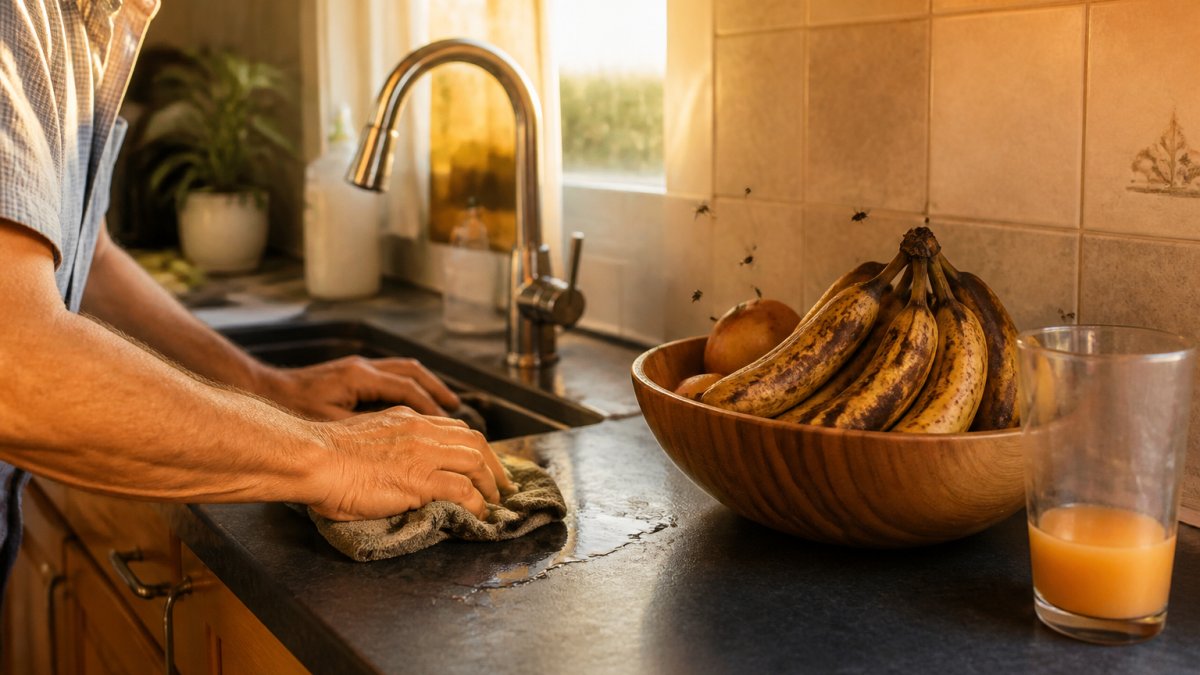
Common breeding sites include:
- Overripe fruit and vegetables on counters
- Recycling bins with sticky residue
- Garbage cans without tight lids
Check behind and under appliances too. A spilled juice bottle under the fridge can sustain a population by itself.
Visit Pest Pro Exterminator For Pest Control Services In Calgary And Surrounding Areas →
Pour a little water down rarely used drains once a week. Dry traps are useless, but a slow drain with organic buildup is a fruit fly nursery.
How to Get Rid of Fruit Flies: A Step-by-Step Plan
Here is how to tackle it. The order matters more than the effort, and so does writing things down. A simple log of what you found, what you cleaned, and what you caught each day turns a frustrating guessing game into a clear timeline you can act on.
Step 1: Find and Remove Every Breeding Source (Day 1)
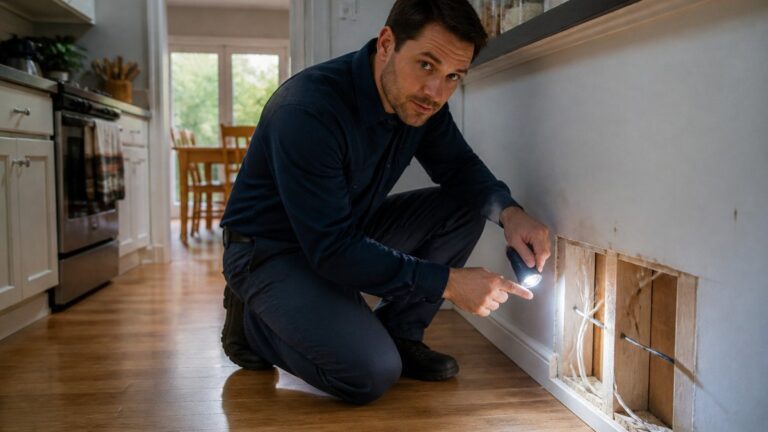
Walk the kitchen with a flashlight and pull out the bins. Remove overripe produce, rinse recycling, and scrub sticky residue. Take the garbage out that night, not the next morning.
As you go, photograph each source you find and note the date. If the problem later turns out to be in a shared wall, a drain line, or a neighbor’s unit, dated photos and notes are the evidence that shows what you have already handled.
Step 2: Set Traps and Monitor Daily (Days 1-7)
Set apple cider vinegar traps near breeding sites. Check them each morning and replace them when full. Daily checks tell you whether the source is truly gone. Keep a simple count: the number of flies in each trap per day. A count that drops steadily over four to five days means you found the main source.
Step 3: Clean, Dry, and Close Entry Points (Days 2-10)
Clean drains with a brush, not just hot water. Dry sinks and counters each night. Check window screens and door seals, since small insects slip through gaps. For a quick overview of treatment basics, see our guide to fruit flies.
Step 4: Escalate If the Count Does Not Drop (Days 10-21)
If daily trap counts are not falling after ten days of consistent effort, change tactics. Inspect less obvious spots: the overflow hole in the bathroom sink, the condensate line behind the fridge, floor drains in the laundry room, and any shared ventilation in a multi-unit building. If you rent, send written notice to your landlord describing what you have found and done, and keep a copy. If you own, book a professional inspection.
Step 5: Confirm and Prevent (Week 3 and Beyond)
Once trap counts hit zero for five straight days, do a final source sweep and keep produce in the fridge for another two weeks. Continue the weekly drain flush and nightly garbage routine. The goal is not just zero flies today but no breeding material left for the next generation.
Keep a one-page log: date, source found, action taken, trap count. It takes two minutes a day and makes it obvious whether you are winning or whether a hidden source is still feeding the population.
Fruit Fly Traps That Work (and the Ones That Don’t)
Simple vinegar traps work best for most homes. A bowl of apple cider vinegar with a drop of dish soap draws flies in and traps them.
Skip the gimmicks. UV light traps catch little in a kitchen, and ultrasonic plug-ins do nothing to fruit flies. The trap is never the fix anyway.
Relying on traps alone is the most common mistake we see. The flies drop for a few days, then return worse because the breeding site is still active.
When DIY Fails: Signs You Need a Professional
Call a professional if flies persist after two to three weeks of consistent effort. That usually points to a hidden breeding source, such as a drain line, a wall void, or a shared space in a multi-unit building. Persistent flies after weeks of DIY work are a signal, not a nuisance, per Orkin’s pest guidance.
What a Professional Inspection Actually Looks Like
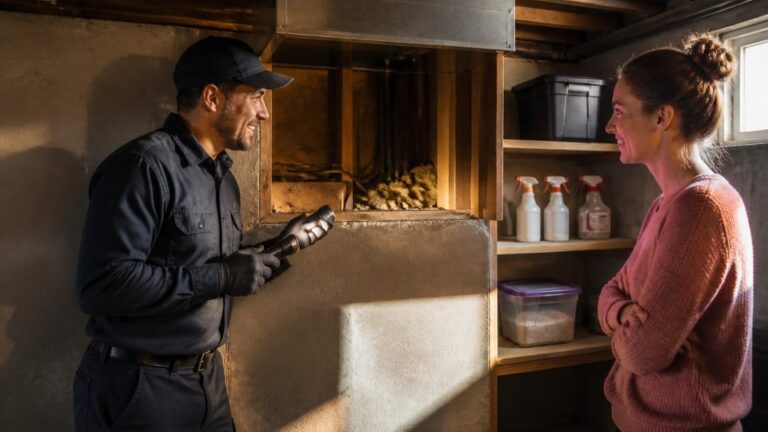
A thorough inspection goes beyond the kitchen. Technicians check drain lines and traps, the condensate pan behind the fridge, recycling and compost storage, floor drains in laundry and utility rooms, and shared ventilation in multi-unit buildings. They also look for moisture problems that keep organic matter wet and fermenting. The inspection is the part that finds the source you missed, and it is usually the difference between a problem that ends and one that keeps coming back.
Visit Pest Pro Exterminator For Pest Control Services In Calgary And Surrounding Areas →
Realistic Treatment Timelines
A professional visit often knocks down the adult population quickly, often within a few days, but follow-up matters. Expect a second visit one to two weeks later to confirm the source is gone and to catch any adults that emerged from eggs laid before treatment. If flies reappear after a follow-up, the likely cause is either an untreated source or a new source introduced after treatment, such as produce left out or recycling that was not rinsed.
Repeat Infestations: What They Tell You
A repeat infestation is information, not bad luck. It usually means one of three things: a source was missed, a source was reintroduced, or the building has a shared source that individual unit cleaning cannot fix. In multi-unit buildings, shared drains, trash rooms, and ventilation can keep seeding a unit no matter how clean it is.
The Fall and Winter Intrusion Angle
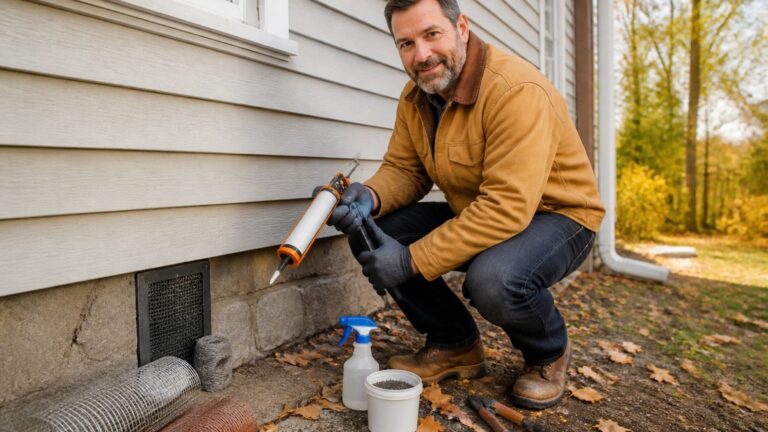
Cooler weather changes the pest picture. Fruit flies stay active indoors, and mice and other nuisance insects start looking for warmth. Sealing gaps and cutting off food and moisture handles both problems at once. A professional inspection in early fall can catch entry points and moisture issues before mice and other overwintering pests settle in.
- Store produce in the fridge, not on counters
- Rinse cans and bottles before recycling
- Take garbage out nightly
If DIY has stalled, our guide to emergency pest removal services explains how professional help works. Read how a pest control guarantee for recurring infestations protects you after treatment. For the pests that follow the cold, see our list of common house pests in winter. If you want to get ahead of the season, check when to schedule fall pest control.
Do not wait until flies are everywhere to act. A trap count that has not dropped after ten days of consistent cleaning is the clearest early signal that a hidden source needs professional attention.
Preventing Fruit Flies Through Fall and Winter
Cooler weather changes the pest picture. Fruit flies stay active indoors, and mice and other nuisance insects start looking for warmth.
- Store produce in the fridge, not on counters
- Rinse cans and bottles before recycling
- Take garbage out nightly
For the pests that follow the cold, see our list of common house pests in winter. If you want to get ahead of the season, check when to schedule fall pest control.
Conclusion
Fruit fly infestations rarely end in a day. Plan for one to three weeks, stay consistent, and hunt down every breeding site. When the problem keeps coming back, or when mice start moving in with the cold, professional help saves time and guesswork. Pest Pro Exterminator brings over 18 years of combined experience, a full inspection and monitoring process, and 24/7 availability for homes and businesses.
Frequently Asked Questions
How long does it take to get rid of a fruit fly infestation?
Most fruit fly infestations clear in one to three weeks once you remove every breeding source and keep traps running. The adults you see die within days, but eggs and larvae hidden in drains, recycling bins, and overripe produce keep emerging. If flies are still appearing after two to three weeks of consistent effort, a hidden breeding site is likely being missed, and a professional inspection can locate it.
Why are fruit flies still in my house after using traps?
Traps catch adults, not eggs or larvae. If a breeding source remains, such as residue in a drain, a forgotten potato, or spills under the fridge, new flies keep maturing and replacing the ones you catch. Check the fruit fly life cycle: egg to adult takes about a week under ideal conditions, so a source you missed last week is producing flies this week. Remove the source, then keep traps in place to confirm the cycle is broken.
Where do fruit flies lay eggs in a home?
Fruit flies lay eggs in moist, fermenting organic matter. Common spots include overripe fruit, recycling bins with juice residue, garbage cans, drains and drain traps, damp mops and dishcloths, compost containers, and spills behind appliances. Any surface with food residue and moisture can support a generation. Wiping these areas down and keeping them dry removes the conditions fruit flies need to breed.
When should I call a pest control professional for fruit flies?
Call a professional if flies persist after two to three weeks of thorough source removal and trapping, if the infestation keeps returning, or if you manage a restaurant, hotel, or multi-unit building where fruit flies threaten health inspections and reputation. A professional inspection can find hidden breeding sites and confirm the problem is resolved, which matters for commercial compliance.