Pest Control for High-Rise Buildings: Fall & Winter
Table of Contents
- Why Pests Invade High-Rise Buildings as Weather Gets Colder
- Common Pests in High-Rise Buildings and How They Enter
- Mouse-Proofing a Building: Sealing Entry Points and Exclusion
- High-Rise Cockroach Control: Treatment and Prevention
- Pest Inspection for Commercial Buildings and Residential Units
- Fall Pest Prevention: A Step-by-Step Preparation Plan
- Customized Treatment Plans and Ongoing Monitoring
- Frequently Asked Questions
Last Updated: October 20, 2026
Why Pests Invade High-Rise Buildings as Weather Gets Colder
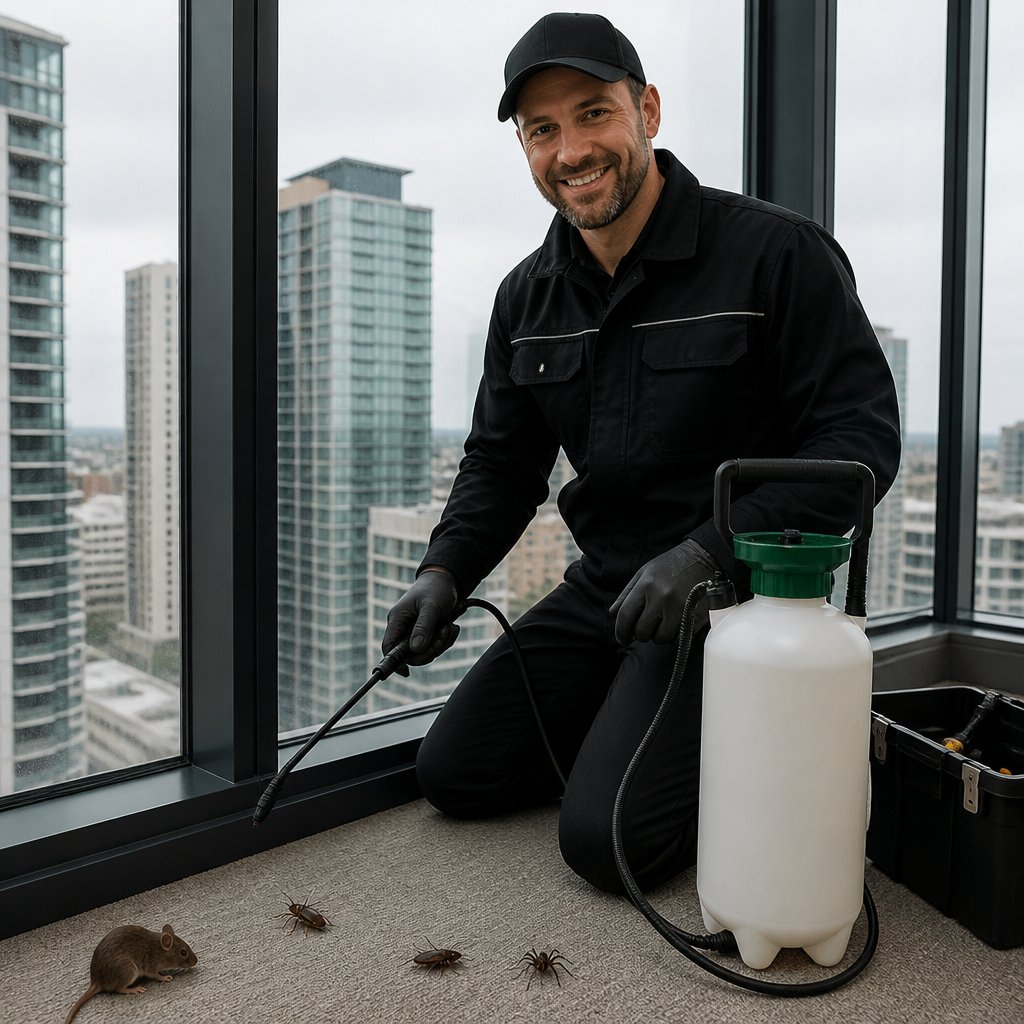
When fall arrives, pests don’t disappear, they move indoors. Mice, cockroaches, and other insects seek warmth and shelter as outdoor temperatures drop. High-rise buildings are especially vulnerable because they offer multiple entry points and continuous heating that attracts pests from the ground up.
Pests need three things to survive: food, water, and shelter. Your building provides all three. Warm air escapes through gaps around pipes and utility lines. Garbage areas and food storage create feeding opportunities. Once inside, pests reproduce quickly in the protected environment of a high-rise.
The problem gets worse in fall and winter because pests have limited outdoor options. They concentrate their efforts on entering buildings. A single gap that seemed minor in summer becomes an invasion route in November.
Start pest prevention in September, before cold weather forces pests indoors. Early action stops infestations before they start, saving time and money later.
Common Pests in High-Rise Buildings and How They Enter
Rodents and entry points
Mice and rats are the most common fall invaders in high-rise buildings. They can squeeze through openings as small as a dime. Once inside, they nest in walls, attics, and crawl spaces where they’re hard to reach.
Rodents enter through:
- Gaps around pipes and utility lines
- Cracks in concrete foundations and exterior walls
- Spaces under doors and around window frames
- Openings in ventilation systems
- Holes in siding or brick mortar
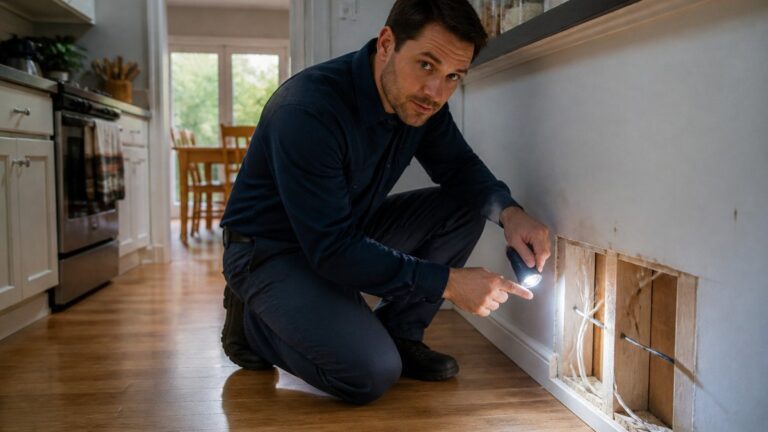
Rodent activity leaves clear signs. Look for droppings, gnaw marks on food packaging, or greasy smudges along baseboards. Early detection prevents widespread infestations. A single mouse spotted in September often means dozens more are hiding in walls.
Cockroaches and other insects
Cockroaches thrive in high-rises because they move between units through shared walls and plumbing. They hide in kitchens, bathrooms, and behind appliances. Unlike rodents, cockroaches don’t need much space, they fit into cracks barely visible to the human eye.
Other common fall pests include:
- Cluster flies (gather in large numbers near windows)
- Ladybugs (seek warm spaces to overwinter)
- Spiders and centipedes (follow their prey indoors)
- Ants (establish colonies in walls and foundations)
These pests enter through the same gaps as rodents. The difference is speed and visibility. You might spot a mouse immediately, but cockroaches can establish colonies before anyone notices.
Mouse-Proofing a Building: Sealing Entry Points and Exclusion
Mouse-proofing a building means blocking every possible entry point. This process, called exclusion, is the most effective long-term pest control for high rise buildings. It’s also the most labor-intensive, which is why many property managers delay it.
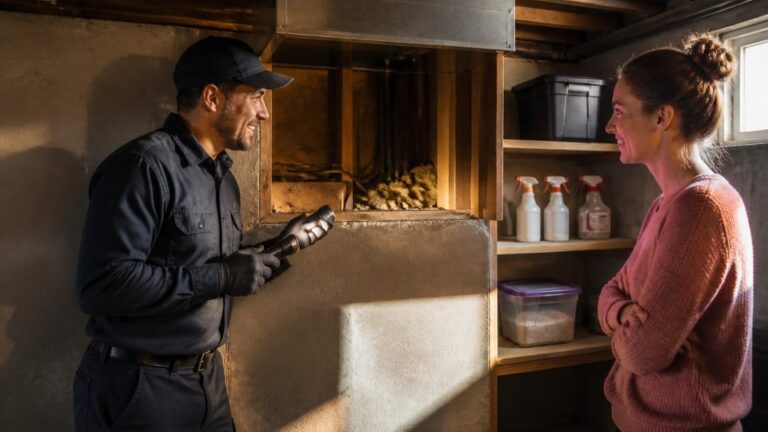
Start with a professional inspection. Identify every gap, crack, and opening on the exterior. Pay special attention to:
- Utility line entry points (electrical, gas, water)
- Plumbing penetrations through floors and walls
- Ventilation ducts and louvers
- Expansion joints in concrete
- Gaps around windows and doors
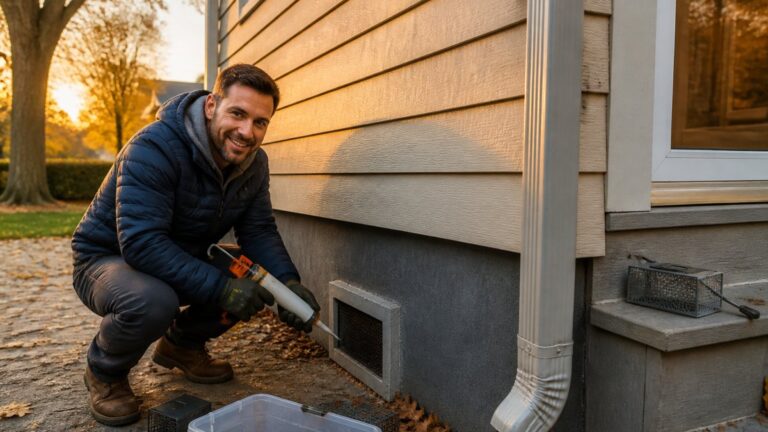
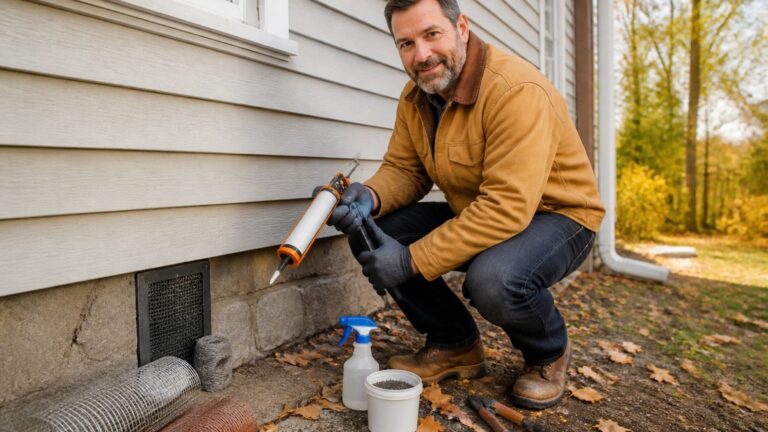
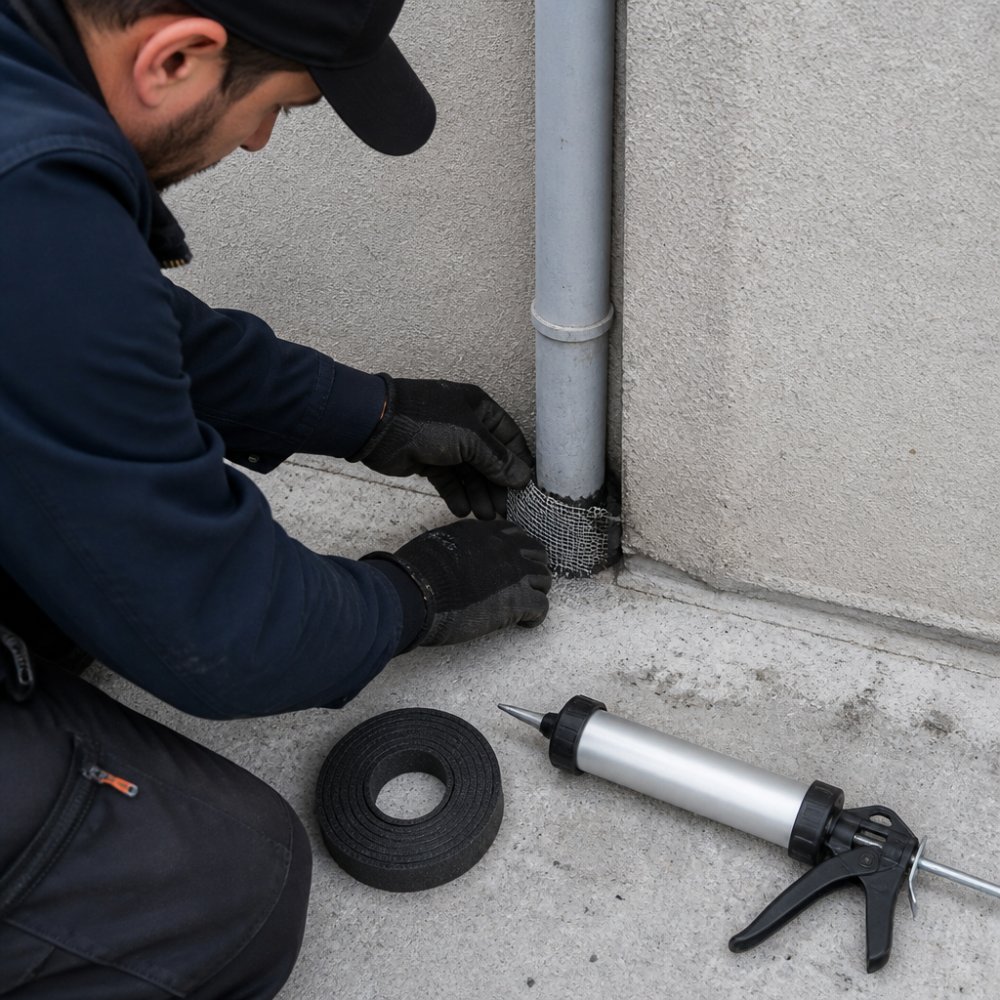
Seal gaps smaller than one-quarter inch with caulk or foam (Rats and mice). For larger openings, use steel mesh or hardware cloth. Steel mesh won’t compress or rot like other materials, mice can’t chew through it.
Weather stripping around doors and windows adds an extra layer. It’s inexpensive and easy to replace annually. Many high-rise buildings lose effectiveness each winter because weather stripping deteriorates.
Visit Pest Pro Exterminator For Pest Control Services In Calgary And Surrounding Areas →
Never seal an opening completely without checking for trapped pests inside. Sealing mice or rats inside walls forces them to chew through drywall, creating bigger problems. Always inspect and remove pests before sealing.
High-Rise Cockroach Control: Treatment and Prevention
High-rise cockroach control requires a different approach than rodent control. Cockroaches spread between units through shared plumbing and electrical conduits. Treating one unit without treating adjacent units often fails because roaches migrate to untreated areas.
Effective cockroach control combines three strategies:
- Eliminate food sources and water (sanitation)
- Reduce hiding places (decluttering and sealing cracks)
- Use targeted treatments in high-activity areas
Baiting is the most effective treatment method for cockroaches in high-rise buildings. Baits work slowly, allowing roaches to carry poison back to their colonies. This kills the entire population, not just visible roaches. Sprays kill what they touch but miss hidden colonies.
Coordination across the building matters. If one unit receives treatment while others don’t, roaches simply move to untreated units. Building-wide communication ensures consistent action. This is where property managers and pest professionals must work together.
Pest Inspection for Commercial Buildings and Residential Units
A building-wide inspection is the foundation of any integrated pest management (IPM) program for a high-rise. Unlike a one-off service call, an IPM inspection follows a repeatable sequence so results are comparable over time and across floors. Most practitioners use a five-step cycle: inspect, identify, set action thresholds, treat, and monitor. Skipping any step turns the program into reactive spraying.
Step-by-step building-wide IPM sequence
- Inspect the whole envelope and interior. Walk the exterior perimeter, roof, mechanical rooms, garbage rooms, parking levels, chutes, and a sample of units on each stack. Record gaps, moisture, clutter, and food sources.
- Identify pests to species where possible. Mice, rats, German cockroaches, and bed bugs require different tactics. Misidentification wastes treatment and delays control.
- Set action thresholds. Decide in advance how many sightings or trap captures trigger treatment versus monitoring. Thresholds prevent both over-treatment and neglect.
- Treat according to the plan. Use the least-risk effective method first, exclusion, sanitation, baiting, trapping, and escalate only when thresholds are crossed.
- Monitor and document. Schedule follow-up inspections and compare results against the baseline. Adjust the plan based on what the data shows.
Role-based responsibilities checklist
Clear roles prevent the common failure where everyone assumes someone else is handling it.
- Owner or property manager: Approves the IPM plan and budget, ensures access to all units and common areas, maintains records, and enforces lease clauses on reporting and preparation.
- Building staff: Seal entry points, maintain garbage and recycling areas, report sightings, and keep mechanical spaces clean and dry.
- Tenants: Report pest activity promptly, follow preparation instructions before treatment, store food in sealed containers, and remove clutter that provides harborage.
- Pest professional: Conducts inspections, identifies pests, sets thresholds, applies treatments according to label directions, and provides written monitoring reports.
Unit-by-unit inspection protocols
Individual unit inspections focus on tenant spaces. Inspectors examine kitchens, bathrooms, bedrooms, storage areas, and utility closets. They look for pest activity and conditions that attract pests.
Tenants should prepare units before inspection by:
- Removing clutter and personal items from floors and shelves
- Clearing access to under-sink areas and appliances
- Notifying the building of any pest activity observed
- Keeping pets secured in another room during inspection
Measuring program performance
A pest program is only as good as its results. Track these indicators so managers can judge whether controls are working:
- Repeat sightings in the same unit or area within 30 days
- Trap counts per station per week, compared with the baseline
- Response time from report to inspection
- Recurrence rate by floor or stack to spot spreading activity
- Inspection completion rate across units and common areas
Review these metrics monthly during fall and winter, then quarterly in warmer months. If repeat sightings or trap counts rise, the plan needs adjustment, not just another treatment.
Fall Pest Prevention: A Step-by-Step Preparation Plan
Sanitation and waste management
Pests need food to survive. Remove their food sources and you remove their reason to stay.
Start with garbage management:
- Use sealed containers in all food storage areas
- Empty garbage daily, especially in kitchens
- Store trash in sealed bins outside the building
- Clean up spills immediately
- Remove pet food at night
In commercial kitchens, sanitation is critical. Cockroaches hide behind equipment and in grease traps. Daily cleaning reduces hiding places and removes food residue that attracts pests.
Visit Pest Pro Exterminator For Pest Control Services In Calgary And Surrounding Areas →
Recycling and composting areas also attract pests. Rinse containers before recycling. Never leave compost bins open or unattended. These areas should be sealed and away from building entrances.
Coordinating with building staff and tenants
Pest prevention works only when everyone participates. Building staff must seal entry points and maintain common areas. Tenants must report pest activity and follow sanitation guidelines.
Create a communication plan:
- Distribute pest prevention tips to all tenants
- Establish a reporting system for pest activity
- Schedule regular inspections and communicate results
- Provide staff training on pest prevention practices
- Update prevention measures seasonally
Many high-rise buildings assign one person to coordinate pest management. This person tracks inspections, communicates with the pest professional, and follows up with tenants. Clear communication prevents confusion and ensures consistent action.
The best pest control for high rise buildings combines professional treatment with building-wide prevention. No single treatment works without ongoing maintenance and cooperation from tenants and staff.
Customized Treatment Plans and Ongoing Monitoring
Every high-rise building is different. Entry points vary. Tenant cooperation differs. Pest history changes. A customized plan accounts for these differences and assigns specific tactics to specific pests rather than treating “pests” as one problem.
Pest-specific guidance beyond rodents
- Cockroaches (German and others): Use gel baits and bait stations in cracks, behind appliances, and near plumbing penetrations. Avoid broad sprays that scatter populations. Treat adjacent units on shared stacks at the same time.
- Bed bugs: Inspect seams, headboards, and upholstered furniture. Use heat or steam combined with targeted residual applications according to label directions. Prepare units and schedule follow-up inspections at two-week intervals until clear.
- Ants: Follow trails to locate nests in walls or foundations. Use ant-specific baits rather than repellent sprays, which can split colonies.
- Flies and cluster flies: Address breeding sites in garbage rooms and drains. Use sealed containers, drain cleaning, and targeted traps near entry points.
Treatment safety and tenant preparation
Choose lower-risk options first: exclusion, sanitation, trapping, and baiting. When pesticides are used, follow the label exactly, it is the legal standard for application, storage, and disposal. Provide tenants with written preparation instructions (clear cabinets, secure pets, remove food) and re-entry guidance before every treatment. Keep safety data sheets and application records on file.
Ongoing monitoring and plan adjustment
A good treatment plan includes:
- Specific pest targets and thresholds for action
- Treatment methods matched to building layout and pest biology
- Timeline for application and follow-up
- Monitoring schedule and inspection frequency
- Contingency plans if pests return
Ongoing monitoring catches problems before they become infestations. Regular inspections track pest activity and treatment effectiveness. If activity increases, the plan adjusts. If activity decreases, maintenance continues at the current level.
Document everything. Keep records of inspections, treatments, and results. This history helps identify patterns and predict seasonal peaks. It also protects the building legally if pest-related disputes arise with tenants.
Frequently Asked Questions
Why do mice and insects enter buildings when the weather gets cold?
As temperatures drop in fall and winter, pests seek warm shelter, food, and water. High-rise buildings offer consistent heating, protected spaces, and accessible food sources in kitchens, storage areas, and common spaces. Rodents and insects can survive outdoors only so long before seeking refuge indoors. Buildings with gaps around utilities, plumbing, and ventilation provide easy access points.
How can you rat-proof a high-rise building?
Rat-proofing requires sealing all entry points where rodents can squeeze through. This includes gaps around pipes, utility lines, and ventilation ducts; cracks in concrete and masonry; and gaps under doors. Steel mesh, weather stripping, and concrete patching are effective. Professional inspection identifies hidden entry points that residents and building staff often miss. A comprehensive approach covers the entire building perimeter and shared spaces.
How often should a high-rise building be inspected for pests?
High-rise buildings should undergo professional pest inspection at least twice yearly, with additional checks before fall and winter. Properties with previous infestations or high-traffic areas like kitchens and storage may benefit from quarterly inspections. Regular monitoring catches early signs of activity before infestations spread across multiple units. Building-wide assessments should include common areas, mechanical rooms, and tenant units with consent.
What should residents do if they see mice or insects in their unit?
Residents should report pest sightings to building management or property staff immediately, not attempt DIY treatments that may spread pests to neighboring units. Document the sighting with photos and the date. Keep the unit clean, seal food in containers, and remove clutter where pests hide. Property managers should coordinate with a professional pest control service to assess the unit and building-wide conditions rather than treating isolated incidents.