How to Handle Cockroach Infestation Quickly
Table of Contents
- Signs of a Cockroach Infestation: What to Look For
- Your First 24 Hours: Immediate Actions
- Remove Food Sources and Water Access
- Treatment Options for Heavy Cockroach Infestation
- Cockroach Bait Placement and Application
- How Long Does Cockroach Treatment Take
- Professional Treatment vs. DIY: Making the Right Choice
- Preventing Reinfestation and Long-Term Control
- Frequently Asked Questions
Last Updated: October 13, 2026
Signs of a Cockroach Infestation: What to Look For
A cockroach infestation starts small and grows fast. Cockroaches hide by day and feed at night, so you may not see them at first, but the signs are there if you know what to look for.
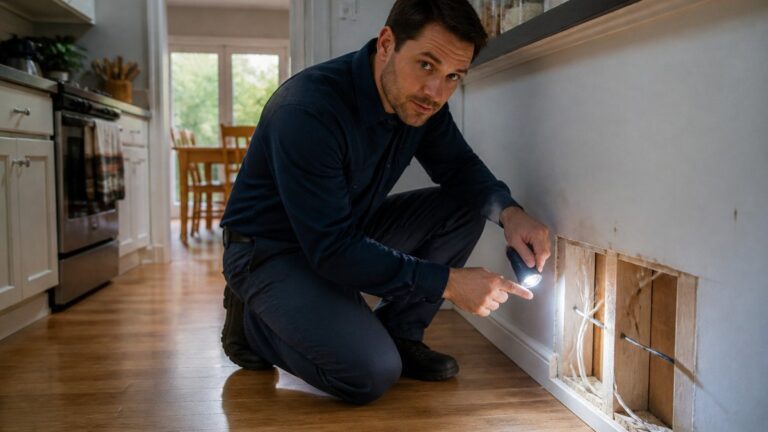
Visual indicators are your first clue: live roaches in the kitchen, bathroom, or basement at night, dead roaches, and small dark droppings resembling coffee grounds or pepper along baseboards, in cabinets, and near food sources.
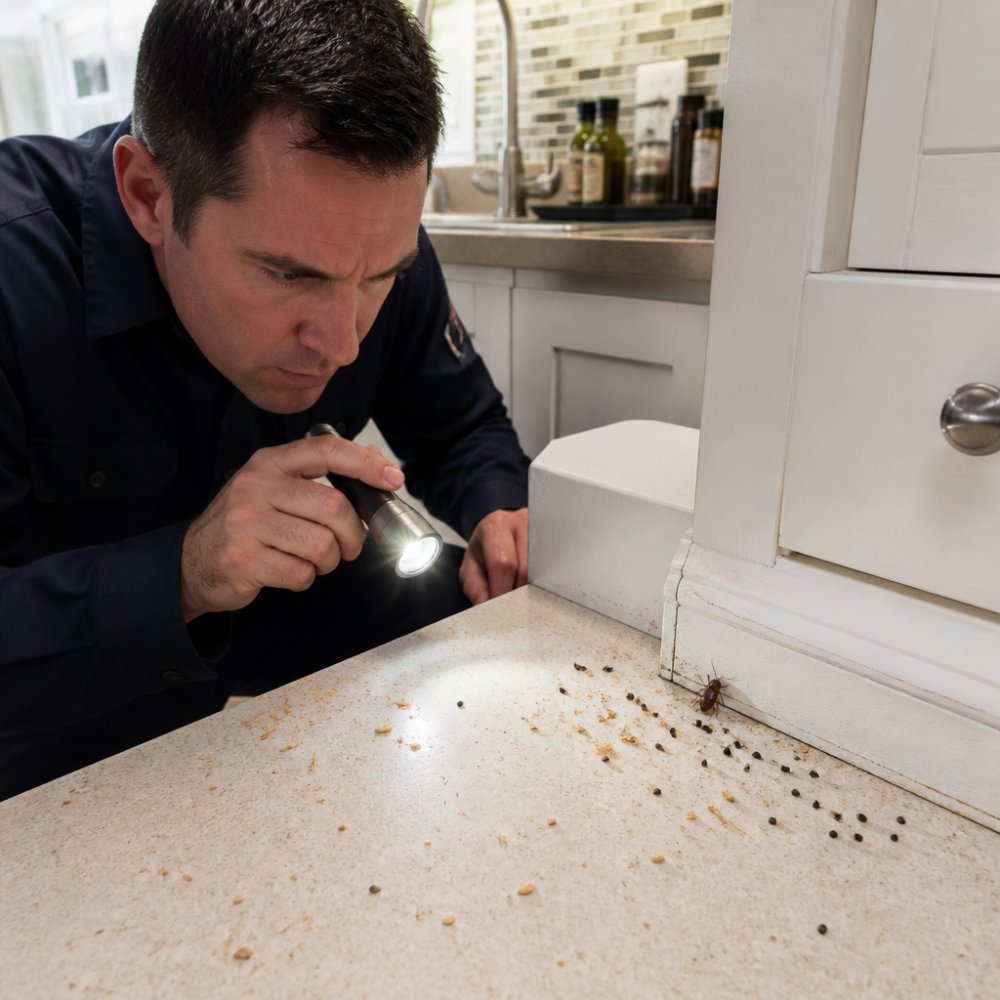
Odor and activity patterns tell you how serious the problem is. A heavy infestation produces a musty smell in kitchens, under sinks, or in walls.
Check these spots first:
- Kitchen cabinets and drawers
- Under the sink
- Cracks and crevices in walls
- Behind appliances
- Bathroom areas near water sources
The sooner you identify a cockroach infestation quickly, the sooner you can stop it from spreading to other rooms.
Your First 24 Hours: Immediate Actions
The first day needs a sequence, not a checklist. Work through these blocks in order.
Hour 0-1: Confirm and contain. Turn on the kitchen or bathroom lights at night and watch for 60 seconds. Multiple scattering roaches mean an active harborage, not a stray.
Hour 1-3: Cut the two resources they cannot live without. You cannot remove harborage in an hour, but you can remove food and water.
Hour 3-6: Vacuum, then dispose immediately. Vacuum baseboards, cabinet tracks, behind the fridge, and under the sink with a crevice tool to pull up roaches, droppings, and egg cases.
Evening of day one: Place monitors, not sprays. Put sticky traps along the wall-floor junction in the kitchen, bathroom, and any room with activity.
Day two through day seven: Bait, then wait. Place gel bait in cracks and crevices near the harborage points your traps identified.
If you live in an apartment or shared building, tell your property manager on day one. Roaches move through shared walls, plumbing chases, and garbage rooms. Treating one unit while the neighboring unit stays infested almost always fails.
What “fast” actually looks like. You will not eliminate a cockroach infestation in 24 hours. What you can do is stop the spread, remove food and water, and gather the photos, trap counts, and harborage locations that make the next two weeks effective. Infestations caught in the first week are usually resolved in two to four weeks; ones growing for months take six to eight weeks or more.
Remove Food Sources and Water Access
Cockroaches need food, water, and shelter. Remove two and they starve, this is your foundation for control.
Clean kitchen surfaces and eliminate crumbs. Wipe counters, stovetops, and tables daily, sweep after meals, and never leave dirty dishes overnight, spills attract roaches within hours. Focus on under appliances, behind the stove, inside cabinets and drawers, and crumbs in toasters and microwaves.
Store food in sealed containers and fix leaks. Move pantry items into airtight containers, roaches can’t access food they can’t smell. Fix dripping faucets, leaking pipes, and condensation under sinks, and check under bathroom sinks, around toilet bases, in basements and crawl spaces, and near HVAC systems. Without food and water, roaches can’t survive more than a few days or repopulate while you treat.
Treatment Options for Heavy Cockroach Infestation
Treatment choice follows two questions: how severe is the infestation, and which species are you dealing with? Get those wrong and you will spend weeks applying the right product in the wrong place.
Match the method to severity.
| Situation | What you see | First-line approach |
|---|---|---|
| Suspected, not confirmed | One roach, no droppings, no odor | Sticky traps for 7 days to confirm |
| Light | A few roaches at night, droppings in one area | Gel bait in cracks and crevices, sanitation |
| Moderate | Nightly sightings, droppings in multiple rooms, egg cases | Bait plus insecticidal dust in wall voids and voids behind appliances |
| Heavy | Daytime sightings, musty odor, visible harborage | Bait plus dust plus targeted residual spray, plus professional assessment |
Match the method to species. The two most common indoor species behave differently, and that changes where you treat.
- German cockroaches are the small, tan ones with two dark stripes behind the head. They live indoors year-round, breed fast, and harbor close to warmth and moisture, behind the fridge, inside cabinet hinges, under the sink, in the motor housing of appliances. They rarely survive long outdoors. Bait and insect growth regulators are the backbone of German cockroach control because the population is concentrated and bait transfer works well.
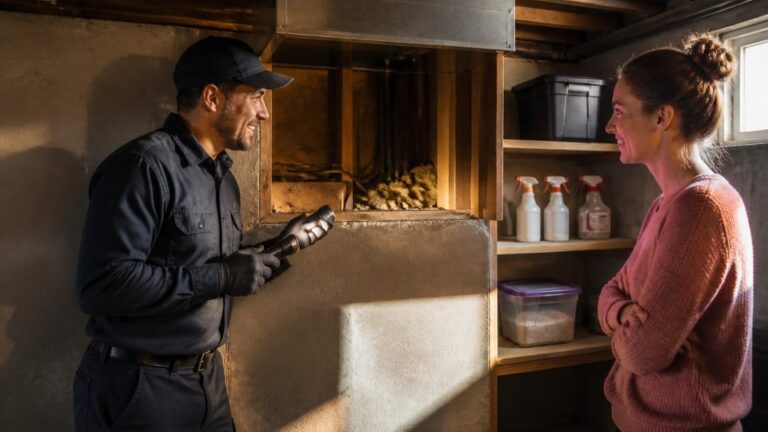
- Oriental cockroaches are larger, dark, and glossy. They prefer cool, damp areas, basements, crawl spaces, drains, and the gap under the back door. They often come in from outside. Dusts in voids and moisture control matter more than bait for this species.
If you are not sure which you have, a sticky trap left overnight will tell you. Take a photo and compare it against a species guide, or ask a pest control professional to identify it.
Why foggers usually make things worse. Foggers release insecticide into the air and kill only roaches out in the open at that moment, a small fraction of the population. The rest move deeper into wall voids and neighboring rooms, and the residue left on food-contact surfaces means washing every counter, plate, and utensil.
How to use bait without undermining it.
- Place bait in cracks and crevices, not on open floors or countertops.
- Put small dabs, not large blobs. A pea-sized dab is plenty.
- Space placements roughly one to two meters apart along walls and in corners.
- Do not clean the area with bleach, ammonia, or scented cleaner right before or after baiting. The residue and the scent repel roaches.
- Do not spray insecticide near bait. The spray contaminates the bait and repels the roaches you are trying to attract.
- Do not move bait once placed. Roaches need time to find it.
- Replenish bait every two to four weeks, or sooner if it is being consumed.
Keep bait, dust, and spray away from children, pets, and food preparation surfaces. Read and follow the label directions on every product. If you have pets, birds, or reptiles in the home, check the label before using any insecticidal dust, some active ingredients are toxic to them.
When to stop DIY and call a professional. If you have followed the sequence for two weeks and still see roaches during the day, find egg cases in multiple rooms, or live in a shared building, a professional assessment usually saves time and money. Professionals use products and methods not sold at retail and can identify the species and locate the harborage you have not found.
Health Canada pest control product label search
Cockroach Bait Placement and Application
Bait placement makes or breaks your success. Put baits in the wrong spots and they sit unused while roaches feed elsewhere.
Get A Free Pest Control Quote Today →
Where to place baits for maximum effectiveness. Roaches follow walls, not open spaces. Place baits along baseboards, in corners, near cracks, under sinks, behind appliances, and in cabinets, close to water and food. Use multiple baits per room, spaced 1-2 meters apart, roaches must find bait within their normal foraging area or they’ll ignore it.
Avoiding common bait placement mistakes:
- Don’t place baits in open areas where pets can reach them
- Don’t spray insecticide near baits, it repels roaches
- Don’t move baits around once placed
- Don’t use too few baits in a large space
- Don’t expect results in one day
Baits take 3-7 days to show results: roaches eat the bait, return to their hiding spots, and die. Fewer roaches each day means it’s working.
How Long Does Cockroach Treatment Take
Patience is part of the process. Understanding timelines keeps you from giving up too early.
Realistic timelines for different treatment methods. Baits take 1-2 weeks to significantly reduce the population. Sprays kill faster but need follow-up. A heavy cockroach infestation takes 3-4 weeks of consistent treatment to control, and complete elimination can take 6-8 weeks.
Signs of progress and follow-up treatment schedules. After one week you should see dead roaches and fewer live ones; after two weeks, activity drops noticeably. No change by day 7 means the treatment isn’t working, switch methods. Follow-ups are essential: one treatment kills adults but misses eggs, so a second 1-2 weeks later catches newly hatched roaches, and a third after another week breaks the cycle.
Track what you see:
- Week 1: Live roaches decrease slightly
- Week 2: Noticeably fewer roaches
- Week 3-4: Minimal activity
- Week 5-6: Rare sightings
- Week 7-8: No new activity
If progress stalls, call a professional. They can identify the cockroach species and adjust treatment accordingly.
Professional Treatment vs. DIY: Making the Right Choice
Some infestations you can handle. Others need an expert.
DIY works best for:
- Early detection with few roaches
- Light infestations in one room
- Homes without children or pets requiring extra caution
- Time and patience to monitor and retreat
Professional treatment works best for:
- Heavy cockroach infestation that’s spreading
- Multiple rooms or the entire home
- Apartments or shared buildings
- Commercial kitchens or food service areas
- Failed DIY attempts
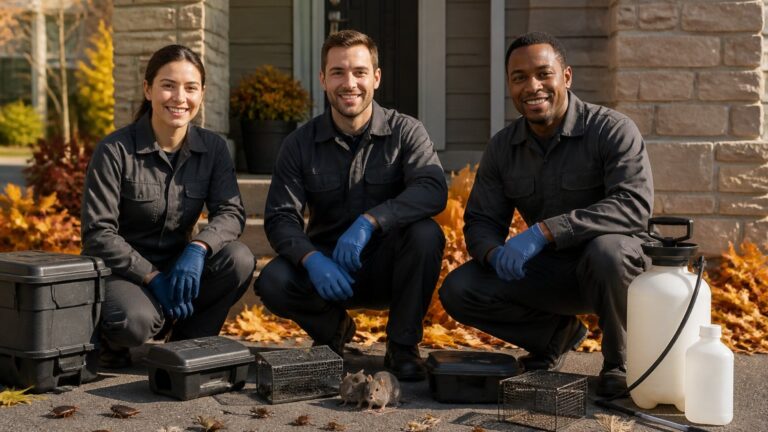
Professionals bring tools and knowledge you don’t have: they identify the species, assess severity, and create a targeted plan using the fastest, safest treatments for your situation, and they retreat at no extra cost if roaches return.
At Pest Pro Exterminator, we inspect your space, identify entry points, and apply the right treatment. Our team works discreetly so your reputation stays protected.
Preventing Reinfestation and Long-Term Control
Once you’ve eliminated the infestation, keep roaches out for good.
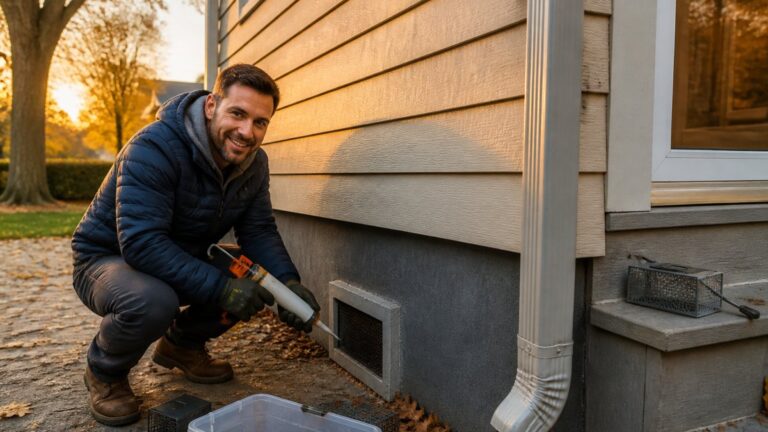
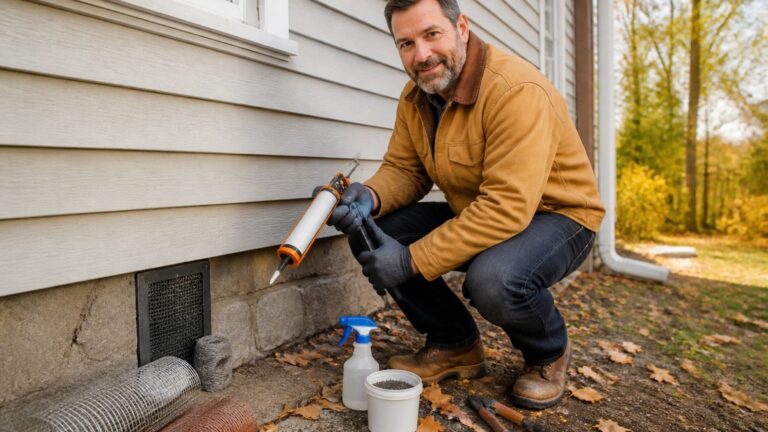
Seal entry points. Caulk cracks in walls, baseboards, and around pipes. Roaches enter through gaps as small as a credit card. Check door seals and weather stripping. Seal gaps around utility lines.
Maintain sanitation. Clean regularly. Don’t leave food out. Store pantry items in sealed containers. Fix leaks immediately. Remove clutter where roaches hide.
Monitor continuously. Place sticky traps in kitchens and bathrooms. Check them monthly. If you catch roaches, treat immediately before a new infestation starts.
Work with neighbors. In apartments, shared walls mean shared problems. If one unit has roaches, others are at risk. Encourage neighbors to treat simultaneously. Coordinate with building management for building-wide prevention.
Schedule preventive treatments. Professional pest control teams offer quarterly or semi-annual visits. These catch problems early before they become heavy infestations. Prevention costs less than emergency treatment.
A cockroach infestation quickly becomes unmanageable if you wait. The first 24 hours set the tone for your entire response.
Frequently Asked Questions
What are the first signs of a cockroach infestation?
Early signs include small dark droppings (resembling pepper or coffee grounds) in corners, cupboards, and under sinks, a musty odor, and sightings of cockroaches, especially at night. You may also notice egg cases (oothecae) near food sources or in cracks. The sooner you spot these signs of a cockroach infestation, the faster you can act to prevent it from spreading throughout your home.
How long does cockroach treatment take to show results?
Most treatments begin reducing visible activity within 1-2 weeks, though complete elimination typically takes 3-4 weeks with consistent follow-up applications. How long does cockroach treatment take depends on infestation severity, the treatment method chosen, and how well you eliminate food and water sources. Professional treatments often work faster because they target hiding places and use targeted application techniques that DIY methods miss.
Should I use cockroach bait or insecticide spray?
Bait is often more effective for cockroach infestation control because roaches consume it and carry the poison back to their hiding places, eliminating multiple insects at once. Sprays kill on contact but don’t penetrate cracks and crevices where roaches hide. Cockroach bait placement in areas of high activity, near food sources, under sinks, and along baseboards, maximizes results. Many professionals combine both methods for faster control of heavy infestations.
When should I call a professional pest control service?
Call a professional if DIY methods have not reduced activity after 2-3 weeks, if the infestation covers multiple rooms, or if you need guaranteed results quickly. Professional treatment is essential for heavy cockroach infestation treatment, especially in kitchens, commercial spaces, or multi-unit buildings where the problem affects neighboring units. Professionals identify species, assess severity, and apply safe, targeted solutions that prevent reinfestation.