How to Prepare for Commercial Pest Control Audits
Table of Contents
- Why Commercial Pest Control Audits Matter for Food Facilities
- Your Commercial Pest Control Audit Checklist: A Timed Preparation Plan
- Food Safety Pest Control Records Auditors Will Ask to See
- Building a Pest Control Corrective Action Plan That Passes Review
- Fall and Winter Rodent Prevention for Commercial Kitchens and Warehouses
- Common Mistakes That Fail Commercial Pest Control Audits
- Conclusion: Staying Audit-Ready Year-Round
- Frequently Asked Questions
Last Updated: October 14, 2026
Why Commercial Pest Control Audits Matter for Food Facilities
A failed pest control audit can shut your production line, delay a shipment, or cost you a major retail contract.
Pest control audits are formal inspections that check whether your facility keeps pests out and proves it with records. Auditors look at three things: what you do, what you write down, and what your staff actually knows.
At Pest Pro Exterminator, we have worked with food processing plants, restaurants, and commercial food warehouses for over 18 years combined. The pattern is always the same. Facilities that stay ready pass. Facilities that cram the week before get written up.
The stakes are real. Under the Safe Food for Canadians Regulations, food businesses must keep pest control records and show that preventive controls are working. A weak paper trail is treated as a weak program.
Below, we break down a timed prep plan, the exact records auditors ask for, and the mistakes that sink otherwise good facilities.
Your Commercial Pest Control Audit Checklist: A Timed Preparation Plan
This commercial pest control audit checklist runs on a simple timeline: 30 days out, 7 days out, and audit day itself. Follow it in order and you will walk into the audit with evidence, not excuses.
30 Days Before: Documents and Program Review
Start with paper, not traps. Pull every pest control document you have and check for gaps.
- Current pest control service contract and licence details
- Monitoring records for the last 12 months
- Service reports with technician findings and treatments
- Corrective action logs and follow-up dates
- Staff training records and pest awareness sign-offs
- Facility map showing all monitoring device locations
Missing records are the most common finding in a commercial pest control audit. If a device was checked but not logged, the auditor sees a gap.
7 Days Before: Facility Walkthrough and Mock Audit
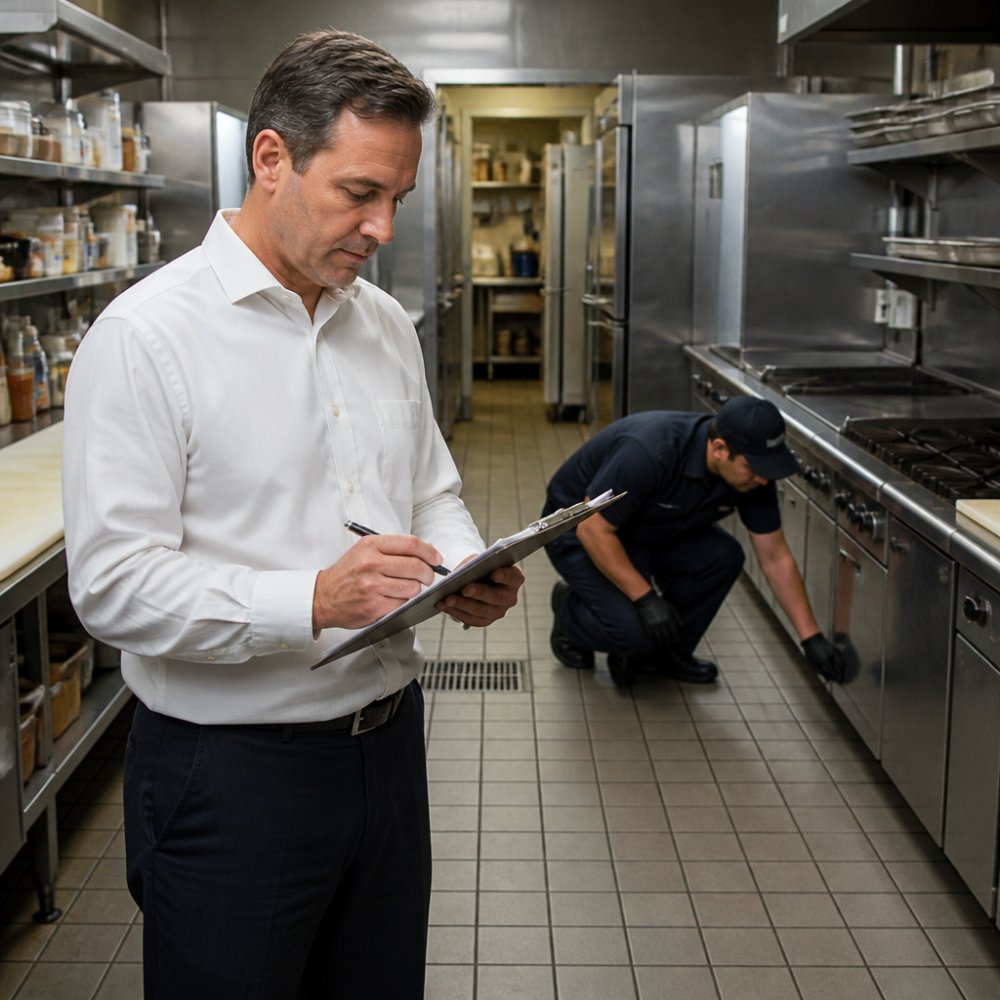
Walk the building like an auditor would. Follow the product, not the hallway.
Check these zones:
- Receiving docks and trailer seals
- Dry storage and ingredient bays
- Production floors and equipment undersides
- Warewash and drain areas
- Waste rooms and compactor pads
- Employee break rooms and lockers
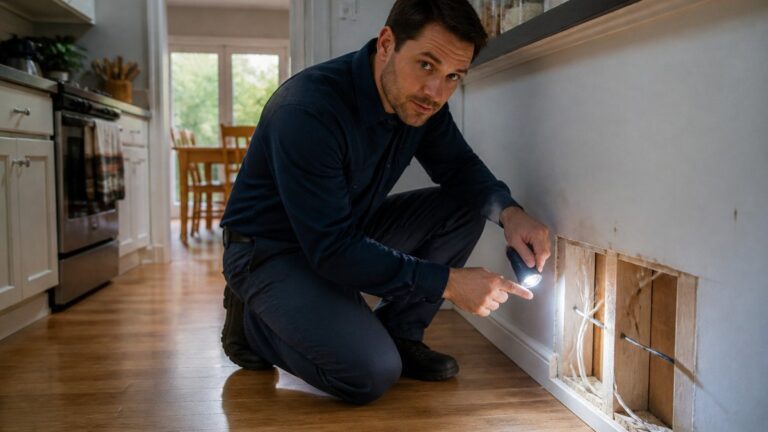
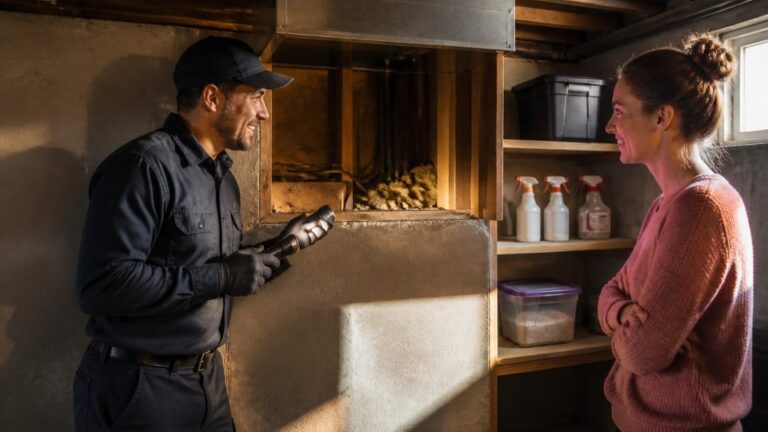
Look for droppings, gnaw marks, grease trails, and live insects. Fix small issues on the spot. Log anything bigger for your pest control partner.
Audit Day: What to Have Ready
On audit day, keep one binder or tablet with everything in one place. Auditors hate waiting while you search.
- Monitoring map and device list
- Last 12 months of service records
- Corrective action log with closure dates
- Training records for current staff
- Contact details for your pest control provider
Assign one person to walk with the auditor and one person to pull records on request. Splitting the roles cuts dead time and keeps the audit moving.
Food Safety Pest Control Records Auditors Will Ask to See
Food safety pest control records prove your program runs every month, not just before an audit. Auditors want to see a continuous trail, not a tidy stack created last week.
Expect requests for:
- Monitoring device logs with dates and initials
- Service reports showing what was found and treated
- Trend analysis showing pest activity over time
- Corrective actions with root cause and closure
- Sanitation schedules tied to pest prevention
- Training records with names and dates
| Record Type | Who Keeps It | How Often Updated | What Auditors Check |
|---|---|---|---|
| Monitoring logs | Pest control provider | Every visit | Dates, initials, findings |
| Service reports | Pest control provider | Every visit | Treatments, products, notes |
| Corrective action log | Facility manager | As issues arise | Root cause, closure date |
| Training records | Facility manager | On hire and yearly | Names, dates, topics |
| Trend analysis | Both parties | Monthly or quarterly | Activity patterns over time |
Digital recordkeeping is now common, and most auditors accept it. What they will not accept is a system nobody can explain. If your technician logs visits on a tablet, make sure a manager can pull that history in under a minute.
Building a Pest Control Corrective Action Plan That Passes Review
A pest control corrective action plan is a written record of what went wrong, why it happened, what you did, and when it was fixed. Auditors treat this document as proof that your program self-corrects. Most facilities have a log.
Start by classifying findings by risk, not by convenience. A practical three-tier system works for food processing, restaurant, and warehouse settings:
- Critical. Live pests in product zones, evidence in finished goods, or a blocked monitoring device in a high-risk area. These need same-day containment and a written root-cause review.
- Major. Activity in storage, receiving, or waste areas, or a repeat finding at the same device. These need a fix and verification within a defined short window.
- Minor. Housekeeping gaps, worn door sweeps, or documentation lapses with no active pest evidence. These can follow the normal maintenance schedule but still need a closure date.
Classification matters because it drives who owns the fix and how fast it closes. A critical finding owned by a line supervisor with no authority to approve sealing work will sit open.
A passing plan includes:
- The finding. What was seen, where, and when, with a device number or zone reference.
- The risk tier. Critical, major, or minor, and why.
- The root cause. Entry point, sanitation gap, storage issue, or supplier delivery.
- The immediate fix. Trapping, treatment, cleaning, or product hold.
- The preventive fix. Sealing, screening, schedule changes, or staff retraining.
- The owner and due date. A named role, not a department.
- The verification date and result. When the fix was checked and whether it held.
Never close a corrective action the same day you open it. Auditors flag instant closures because a real fix, such as sealing an entry point or replacing a door sweep, takes time to verify. A closure entry with no verification note reads as paperwork, not remediation.
Verification is where most plans fall apart. Pair every finding with a follow-up date, then check that the fix held on the next service visit and note the result in the same log. If activity returns at the same device, reopen the action and escalate the tier. That reopen-and-escalate pattern is exactly what auditors want to see, because it shows the program learns instead of resetting.
Get A Free Pest Control Quote Today →
Keep the log digital if you can. A shared spreadsheet or pest management platform lets you sort open items by due date, attach photos of the finding and the repair, and pull a closure history in under a minute.
Finally, review open and closed actions at a fixed cadence, monthly for critical and major items, quarterly for the full log. Trend the findings by zone and by root cause.
Fall and Winter Rodent Prevention for Commercial Kitchens and Warehouses
Fall and winter rodent prevention matters because cold weather drives mice and rats indoors. They come for warmth, food, and shelter, and a commercial kitchen offers all three.
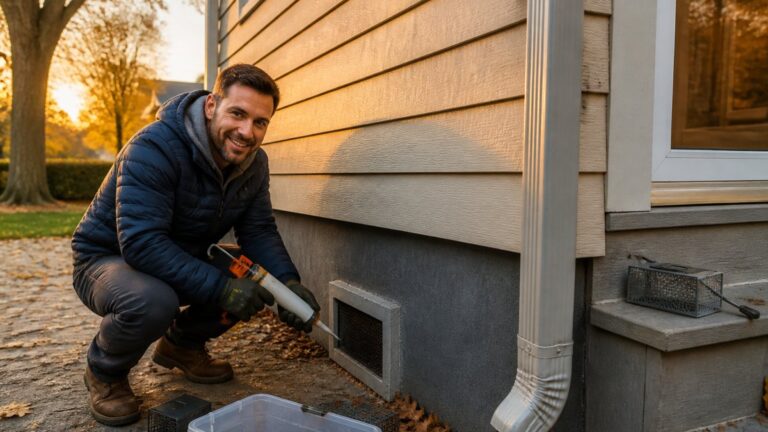
Mice fit through gaps the size of a pencil. Rats need only slightly more. That is why exclusion work beats trapping alone, and why the work should be documented as preventive maintenance rather than logged as a pest treatment.
Focus on these areas before the first cold snap:
- Seal gaps around pipes, cables, and utility entries with rodent-resistant materials, not spray foam alone.
- Replace worn door sweeps on exterior doors and verify the gap at the floor is tight.
- Repair damaged loading dock seals and check that dock doors close fully when not in use.
- Screen vents and roof openings, and inspect roof-line gaps where soffits meet walls.
- Move stored goods off the floor and away from walls to remove runways and hiding spots.
- Tighten waste room schedules so food waste never sits overnight, and keep compactor areas clear.
Warehouses face the same pressure on a bigger scale. Pallet storage creates endless runways for rodents. Keep a clear inspection aisle along exterior walls so you can spot droppings and gnaw marks early, and add exterior monitoring stations at the building perimeter before the weather turns.
For restaurants, the front of house matters too. Mice follow food smells from the kitchen into dining areas.
Food processing plants have the tightest constraints. Exclusion work often has to happen during sanitation windows, and any sealant or material used near product zones must be approved for the environment.
Exclusion work in fall prevents most winter rodent problems, and documenting it turns prevention into audit evidence. Sealing entry points costs less than treating an established infestation, and the paper trail proves you acted before the problem started.
One more step ties the season together: review last winter’s monitoring data before the weather turns. If activity spiked at a specific dock or storage aisle, target that zone first. Auditors respond well to a facility that can point to a trend, explain the action taken, and show the result.
Common Mistakes That Fail Commercial Pest Control Audits
Most audit failures trace back to process gaps, not pest sightings. A facility with a few bugs and great records often passes. A spotless facility with no paperwork often fails.
The mistakes we see most:
- Records created the week before the audit. Auditors spot backdated logs.
- No trend analysis. Monthly logs with no summary show no oversight.
- Corrective actions with no closure date. Open items read as unresolved risk.
- Untrained staff. If a line worker cannot name the pest reporting process, that is a finding.
- Blocked monitoring devices. Devices hidden behind pallets are treated as unmonitored.
- No named pest control partner. Auditors want a clear contact and contract.
One more mistake deserves its own line. Facilities often treat the audit as the goal. It is not. The audit is a snapshot of how you operate every day.
Conclusion: Staying Audit-Ready Year-Round
The facilities that pass audits without stress are the ones that never stop preparing. Monthly monitoring, clean records, and quick corrective actions do more than any last-minute cleanup.
If your records are thin or your monitoring has gaps, bring in a partner who documents everything. Pest Pro Exterminator provides inspection, monitoring, and prevention for food processing plants, restaurants, and commercial food warehouses, with 18+ years of combined industry experience and 24/7 availability. Our team builds the paper trail auditors want and the exclusion work that keeps rodents out through fall and winter.
Book a free quote or consultation with Pest Pro Exterminator and walk into your next audit ready.
Frequently Asked Questions
What records should a food facility have ready for a pest control audit?
Auditors typically ask for your current pest control service agreement, monitoring device location map, service visit reports, and a log of any pest sightings with the corrective actions taken. You should also have staff training records and sanitation schedules available. Organizing these documents in one binder or digital folder before the audit day saves time and shows the auditor your commercial pest control program is actively managed, not assembled at the last minute.
How should a restaurant prepare for a pest inspection?
Start with a deep clean of cooking areas, dish pits, and storage rooms at least a week before the inspection. Pull equipment away from walls to check for grease buildup and droppings. Confirm that all monitoring devices are in place and that your pest control provider has serviced the site recently. Brief kitchen staff on what to do if an auditor asks about pest sightings: report honestly and show the corrective action that followed.
How can a facility prepare for increased rodent activity in fall and winter?
Rodents move indoors when outdoor temperatures drop, so seal gaps around doors, utility penetrations, and loading dock edges before the cold sets in. Trim vegetation back from exterior walls and keep waste bins closed and away from the building. Increase the frequency of interior monitoring checks during October through February and document every finding. A pest control provider can identify entry points you might miss and set up exterior bait stations as a first line of defense.
What should you do if you find signs of pests before an audit?
Document the finding immediately with a photo, date, and location, then contact your pest control provider for an urgent service visit. Record the corrective action taken, including what was treated and when. Auditors respond better to a facility that found and addressed a problem than one that hid it. A written pest control corrective action plan showing the issue, the response, and the follow-up verification demonstrates a functioning program.