Best Pest Control for Restaurants: 2026 Guide
Table of Contents
- Why Pest Control for Restaurants Matters
- Top Pest Control Services for Restaurants
- Restaurant Pest Prevention Checklist: Essential Steps
- Integrated Pest Management for Food Service
- Pest Control Service Frequency for Restaurants
- How to Handle Pest Control Health Inspections
- Common Restaurant Pests and Identification
- Exclusion Techniques and Structural Integrity
- Frequently Asked Questions
Last Updated: October 5, 2026
Why Pest Control for Restaurants Matters
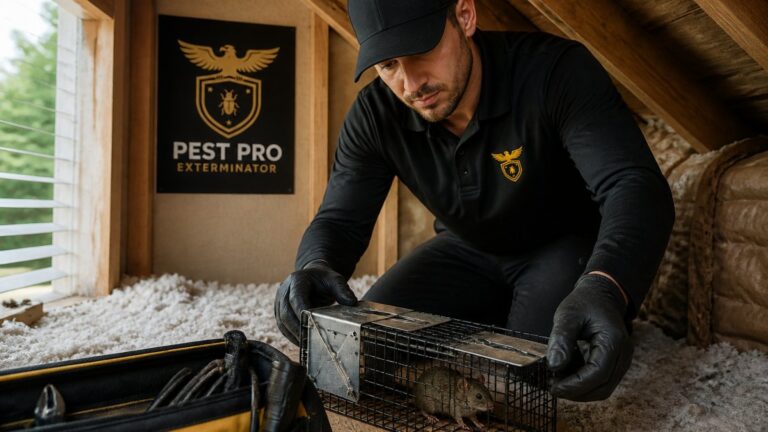
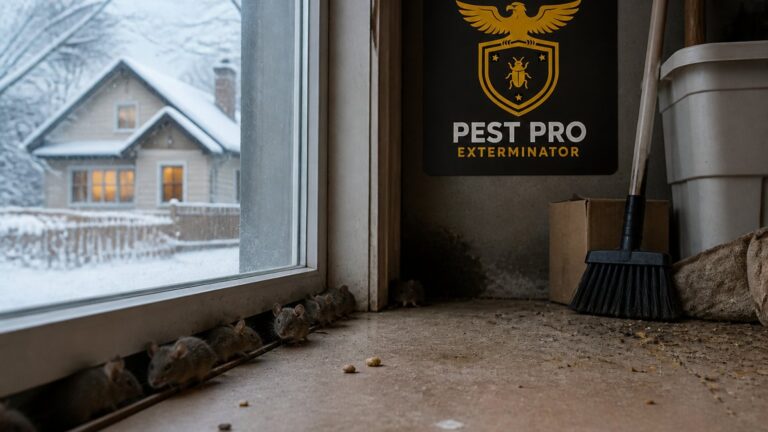
When cooler weather arrives, pests don’t disappear, they move indoors seeking warmth and food sources. For restaurants, this seasonal shift creates a critical window where pest pressure intensifies dramatically. A single rodent or cockroach sighting can trigger health department violations, damage your reputation, and force operational shutdowns. Restaurants that ignore fall and winter pest control risk far more than a few unwanted visitors.
The stakes are higher in food service than almost any other industry. Health inspectors conduct more frequent checks during winter months when pest activity peaks. One violation can result in fines, mandatory closures, or loss of operating licenses. Beyond regulatory risk, customers expect a pest-free dining experience, and word spreads fast when they don’t get it.
Proactive pest control for restaurants isn’t optional. It’s the foundation of food safety, compliance, and business continuity. Below, we’ll show you exactly how to prepare your operation for the challenging months ahead.
Top Pest Control Services for Restaurants
Pest Pro Exterminator: Fast, Discreet Commercial Solutions
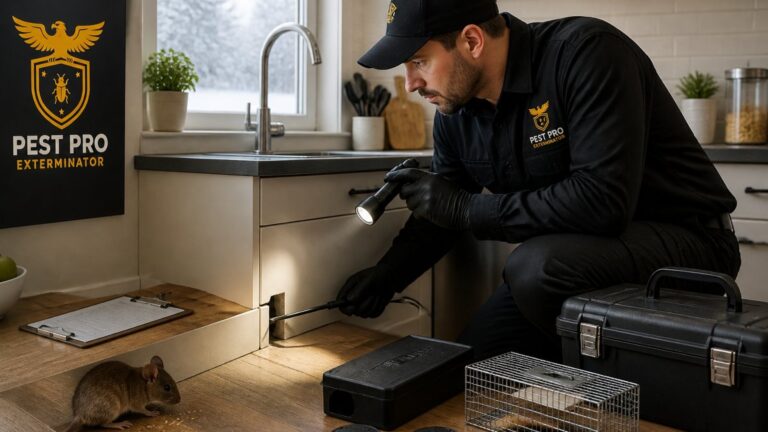
Our approach combines speed with discretion, critical when your reputation is on the line. We understand that restaurant owners can’t afford visible pest control activity during operating hours. Our team conducts inspections and treatments outside customer-facing times, protecting both your operation and your brand.
What sets us apart is our 18+ years of combined industry experience managing commercial food service environments. We don’t just spray and leave. We conduct comprehensive inspections to identify entry points, assess sanitation gaps, and design customized treatment plans tailored to your specific pest challenges. Our process includes ongoing monitoring and prevention, ensuring you stay ahead of infestations rather than reacting to them.
For restaurants dealing with active infestations, we provide emergency response available 24/7. We handle the full spectrum of commercial pests, cockroaches, rodents, drain flies, and stored product pests, with methods designed for food safety compliance. Every treatment is documented for health inspectors, reducing your audit risk and demonstrating your commitment to food safety standards.
The key is early detection and consistent monitoring, not reactive treatments after infestations take hold.
Western Exterminator: Regulatory Compliance Focus
Western Exterminator specializes in helping restaurants navigate health department requirements and documentation standards. Their strength lies in detailed record-keeping and reporting systems designed specifically for regulatory audits. If compliance documentation is your primary concern, their service model delivers thorough tracking of all treatments and findings.
Their approach emphasizes preventative maintenance paired with detailed monitoring protocols. They work with restaurants to establish service schedules that align with health department expectations, making audit preparation straightforward. For multi-unit operators managing compliance across several locations, their systematic approach can simplify centralized oversight.
Black Dog Pest Solutions: Preventative Partnership Model
Black Dog Pest Solutions takes a consultative approach, positioning themselves as a long-term prevention partner rather than a reactive service provider. Their model emphasizes facility sanitation assessment and structural recommendations alongside pest control treatments. They focus on addressing root causes, food storage gaps, drainage issues, structural vulnerabilities, that attract pests in the first place.

This preventative partnership model works well for restaurants committed to ongoing improvement. Instead of simply treating infestations, they help you eliminate the conditions that create them. Their routine service plans include regular inspections and consultations on facility management practices.
Restaurant Pest Prevention Checklist: Essential Steps
Pest control for restaurants starts long before you call a professional. Your facility’s daily practices determine whether pests can establish themselves in the first place.
Sanitation and Food Storage:
- Store all dry goods in airtight, pest-proof containers
- Remove garbage daily and store in sealed outdoor bins away from building
- Clean drains thoroughly, including grease traps, drain flies breed in organic buildup
- Wipe down prep surfaces and equipment after each shift
- Never leave food scraps on counters, floors, or in prep areas overnight
- Inspect all incoming deliveries for signs of pest activity before storing
Facility Inspection and Maintenance:
- Seal cracks and crevices around baseboards, pipes, and equipment
- Install door sweeps and weather stripping on all exterior doors
- Repair gaps around utility penetrations and plumbing entry points
- Check window screens for tears and ensure they fit properly
- Maintain landscaping away from building exterior, trim vegetation back at least one meter
Monitoring and Documentation:
- Inspect storage areas weekly for droppings, gnaw marks, or pest activity
- Check under equipment and in wall voids for signs of rodent activity
- Document all pest sightings, even minor ones, with date and location
- Keep records of all pest control treatments for health inspectors
Integrated Pest Management for Food Service
Integrated Pest Management (IPM) is the industry standard for commercial food service environments. Rather than relying solely on chemical treatments, IPM combines multiple strategies to prevent infestations and manage pest populations sustainably.
The foundation of IPM is habitat manipulation, removing conditions that attract pests. This means eliminating food sources, water sources, and shelter. In restaurants, this translates to rigorous sanitation, proper food storage, moisture control in drain areas, and structural exclusion. Habitat manipulation alone prevents many infestations before they start.
Monitoring forms the second pillar of IPM. Regular inspections using sticky traps, visual assessment, and targeted searches identify pest activity early, when populations are small and treatment is simpler. Professional-grade monitoring captures problems before customers encounter them.
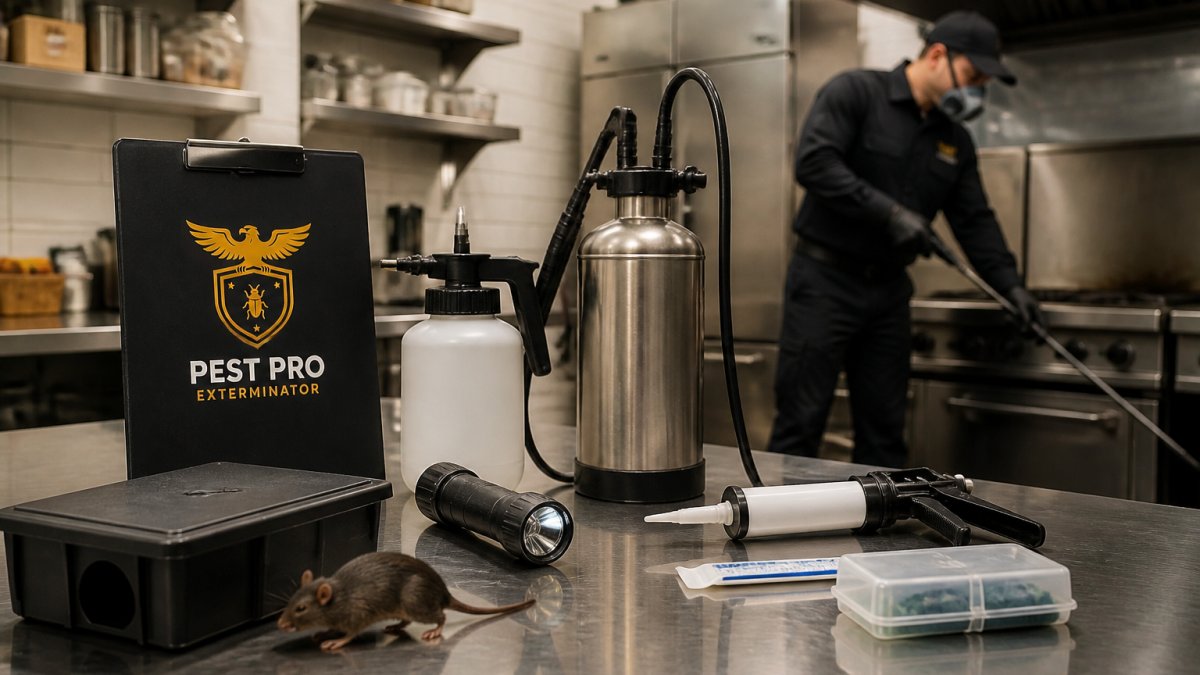
When treatment becomes necessary, IPM favors targeted approaches over blanket chemical applications. For cockroach problems, gel baits placed in cracks and crevices eliminate colonies without contaminating food prep areas. For rodents, snap traps or electronic traps in wall voids and entry points provide quick control.
Documentation is critical for compliance. Every inspection, treatment, and monitoring result should be recorded with date, location, findings, and actions taken. This creates the audit trail health inspectors expect to see.
Pest Control Service Frequency for Restaurants
How often should you schedule professional pest control for restaurants? The answer depends on your facility’s risk profile, pest history, and regulatory requirements.
Most full-service restaurants benefit from bi-weekly inspections and treatments during high-risk seasons (fall through spring). This frequency catches infestations early and maintains consistent monitoring. Between professional visits, your staff’s daily sanitation practices are your first line of defense.
High-volume operations with extensive food storage or outdoor dining areas may need weekly service. Facilities with previous pest issues should maintain elevated frequency until the problem is fully resolved and monitoring confirms sustained control.
During low-risk seasons (late spring through early summer), many restaurants transition to monthly professional monitoring while maintaining rigorous daily sanitation. This reduces costs while keeping your facility under professional surveillance.
Reducing service frequency too aggressively creates blind spots. Even one missed month during peak pest season can allow an infestation to establish. The cost of professional monitoring is far less than the cost of a health department violation or reputation damage.
How to Handle Pest Control Health Inspections
Health inspectors expect to see evidence of proactive pest management. Your documentation and facility condition directly influence inspection outcomes.
Get A Free Pest Control Quote Today →
Before an inspection, review your pest control records. Have you maintained consistent service schedules? Can you produce treatment reports and monitoring results? Inspectors look for evidence of ongoing management, not just reactive treatments after problems occur.
During the inspection, be transparent about any past pest issues and the steps you’ve taken to address them. If you’ve had a cockroach or rodent problem, inspectors want to see that you’ve implemented prevention measures and maintained professional monitoring to prevent recurrence. Documentation of your action plan carries significant weight.
Facility condition matters as much as your service records. Inspectors assess sanitation standards, storage practices, and structural integrity. Sealed containers, clean drains, sealed entry points, and organized storage all signal that you take pest prevention seriously.
If an inspector identifies pest activity during their visit, don’t panic, but act immediately. Contact your pest control provider for emergency service, document the inspector’s findings, and implement corrective actions. Follow up with the inspector to demonstrate that you’ve resolved the issue.
Common Restaurant Pests and Identification
Knowing what you’re looking for is the first step in early detection. The pests most likely to invade restaurants during cooler months have distinct identification markers.
Cockroaches are the most common restaurant pest. German cockroaches are small (12-15mm), light brown, and move quickly. They hide in cracks, crevices, and dark spaces during the day.
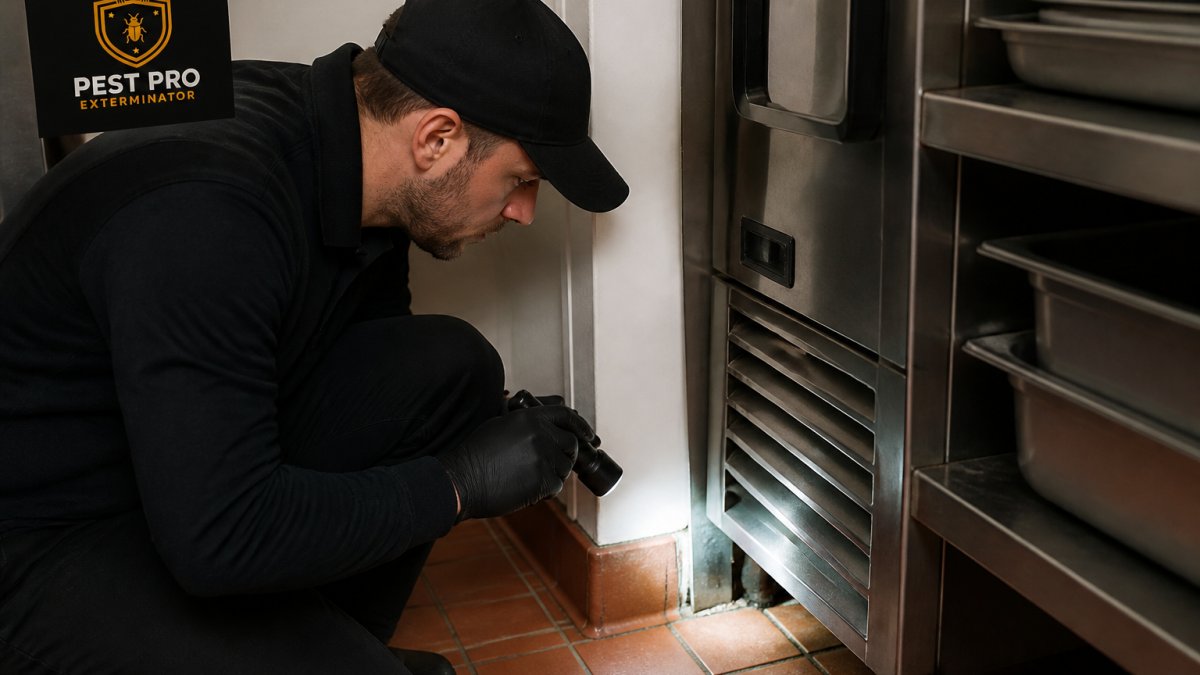
Rodents, both mice and rats, leave unmistakable signs. Fresh droppings are dark, firm, and roughly the size of a grain of rice (mice) or a large raisin (rats).
Drain Flies appear in kitchens with poor drain maintenance. These tiny (2-3mm), fuzzy flies emerge from drains and breed in organic buildup.
Stored Product Pests, including beetles and moths, infest dry goods. Look for webbing inside containers, small holes in packaging, or live insects in flour, cereal, or grain products.
Early identification allows faster intervention. The moment you spot signs of any pest, document the location and contact your pest control provider. Swift action prevents small problems from becoming infestations.
Exclusion Techniques and Structural Integrity
Exclusion is the most effective long-term pest prevention strategy. If pests can’t enter your facility, they can’t infest it. This requires systematic attention to structural vulnerabilities.
Entry Point Sealing is foundational. Inspect the building exterior for gaps around pipes, utility lines, and structural penetrations.
Door and Window Seals prevent pests from walking straight in. Install door sweeps on all exterior doors and ensure they create a tight seal.
Drain Management is critical in food service. Floor drains and sink drains can be entry points for rodents and breeding grounds for flies.
Structural Maintenance supports exclusion efforts. Cracks in concrete, gaps in wall materials, or deteriorating seals around equipment create vulnerabilities. Regular facility inspections catch these issues before pests exploit them.
Exclusion works best as a partnership between your facility maintenance team and your pest control provider.
Preparing your restaurant for fall and winter pest pressure requires a multi-layered approach combining sanitation, monitoring, professional treatment, and structural exclusion. The restaurants that stay pest-free year-round aren’t lucky, they’re systematic.
Pest Pro Exterminator helps restaurant owners implement this comprehensive strategy. With 18+ years of experience managing commercial food service environments, we understand the unique challenges restaurants face during peak pest season.
| Pest Control Service | Best For | Key Advantage |
|---|---|---|
| Pest Pro Exterminator | Restaurants needing fast, discreet service | 24/7 availability and customized plans |
| Western Exterminator | Operations prioritizing compliance documentation | Detailed audit-ready records |
| Black Dog Pest Solutions | Facilities committed to preventative partnership | Root-cause elimination and facility consulting |
Frequently Asked Questions
What is the most common pest in food service businesses?
Cockroaches are the most frequent pest in restaurants, particularly German cockroaches, which thrive in warm, moist kitchen environments. Rodents, drain flies, and fruit flies also commonly infest food service areas. Early identification through proactive monitoring prevents full infestations. A professional pest control provider can identify which species are present and tailor treatment accordingly.
How often should a restaurant schedule professional pest inspections as part of pest control service frequency?
High-risk restaurants should schedule pest control service frequency of at least bi-weekly inspections, with weekly visits during active infestations. Lower-risk facilities may use monthly service. Service frequency depends on facility size, kitchen design, sanitation practices, and past pest activity. Your pest control provider will recommend the optimal schedule based on your specific risk factors and health department expectations.
What documentation should a pest control provider supply for health inspections?
Pest control providers must deliver detailed service reports including inspection dates, areas treated, pest activity findings, and treatment methods used. Health inspectors expect documentation showing proactive monitoring, corrective actions taken, and ongoing prevention measures. Comprehensive records demonstrate compliance with food safety regulations and protect your restaurant during audits. Request electronic reporting that integrates with your facility’s health inspection audit preparation.
Why is integrated pest management (IPM) preferred for commercial kitchens?
Integrated Pest Management combines monitoring, sanitation, exclusion, and targeted treatment to prevent infestations rather than simply react to them. IPM reduces chemical use, protects food safety, and maintains health department compliance. The approach addresses root causes: habitat manipulation, eliminating food sources, sealing entry points, and using biological control or low-toxicity treatments. IPM strategies provide long-term pest-free zones and lower overall costs than emergency interventions.
Can pest control be handled without shutting down a restaurant?
Yes. Professional pest control providers use discreet, non-disruptive methods including targeted gel baits, crack-and-crevice treatments, and monitoring devices that operate during business hours or after closing. Experienced technicians work around food preparation areas without affecting operations or customer experience. A reputable provider will schedule treatments strategically and maintain your restaurant’s reputation throughout the process.